What Should You Do About a Wisdom Tooth Cavity?
January 9, 2023.
4
min read


Many people don't think about their wisdom teeth, aka the third molars. That might be because a lot of people don't have their wisdom teeth. A study in the Dental Press Journal of Orthodontics revealed that dentists recommend wisdom tooth extraction for about 59% of patients. Extraction of the third molars is one of the most frequently performed oral surgeries in the U.S.
One of the main reasons dentists recommend taking out wisdom teeth is because they often cause trouble. The third molars are the last teeth to arrive on the scene. As the National Institutes of Health (NIH) notes, they typically erupt between the ages of 17 and 21 — but the trouble is, people typically already have 28 other teeth in their mouth by that age. In many cases, there's no room for the wisdom teeth, so they get stuck in the gum tissue or bone and become impacted.
An impacted wisdom tooth can be more likely to get a cavity. When a tooth is stuck in the gums, it's possible for food to get stuck near it. This trapped food near the tooth then creates an ideal environment for decay-causing bacteria, as the American Dental Association points out.
Another reason why wisdom teeth might develop cavities is that it can be more difficult to clean them. It can be tricky to reach all the way to the back of the mouth with a toothbrush or piece of floss.
If you get a cavity on any other tooth, your dentist will most likely recommend filling the cavity to restore the tooth. Depending on the extent of the decay, you might even need a root canal to restore the tooth, as the Mayo Clinic explains.
However, with a wisdom tooth cavity, it's a slightly different story. If the tooth is impacted and causing problems, your dentist will likely recommend extracting it, as the NIH explains. If it isn't, they may still recommend extraction, depending on the condition and placement of the tooth. According to a report in the Journal of the American Dental Association, cavities are the reason behind 15% of third molar extractions.
If your wisdom teeth have fully erupted in your mouth and aren't stuck in the gums, it's possible that your dentist may be able to fill and restore the tooth just like any other. That's why it's important to see them for regular checkups, so they can assess the health of all your teeth and detect any cavities.
What if you're not dealing with any cavities in your wisdom teeth and your dentist hasn't recommended extracting them? Is it worth keeping your third molars then?
If you still have your wisdom teeth and this concerns you, bring it up to your dentist at your next checkup. Your dentist might recommend leaving the teeth alone if they aren't causing you any issues. Your dentist will continue to closely monitor your wisdom teeth during your dental visits, as cavities or other problems could come up later.
If your wisdom teeth haven't come in properly, your dentist might recommend removing them. They'll discuss your options for wisdom tooth removal with you and let you know what to expect during the procedure. And if you develop a wisdom tooth cavity, rest assured that your dentist will help you find the right solution to keep your mouth healthy in that scenario, too.
This article is intended to promote understanding of and knowledge about general oral health topics. It is not intended to be a substitute for professional advice, diagnosis or treatment. Always seek the advice of your dentist or other qualified healthcare provider with any questions you may have regarding a medical condition or treatment.
ORAL HEALTH QUIZ
Take our Oral Health assessment to get the most from your oral care routine

The key factor to stopping cavity formation is controlling the bacteria present in the mouth. Learn more about caries risk assessment here.

Do cavity fillings hurt? They shouldn't, although you can expect some tenderness and soreness during the first few days after you get a tooth filled.

Whenever food is consumed, the bacteria naturally found inside the mouth work to break it down, causing acid to develop. Read & learn more at Colgate.com.

Dental caries is the scientific term for cavities, and that cavities refer to areas of decay in teeth. Learn more about arrested caries at Colgate® Oral Care.
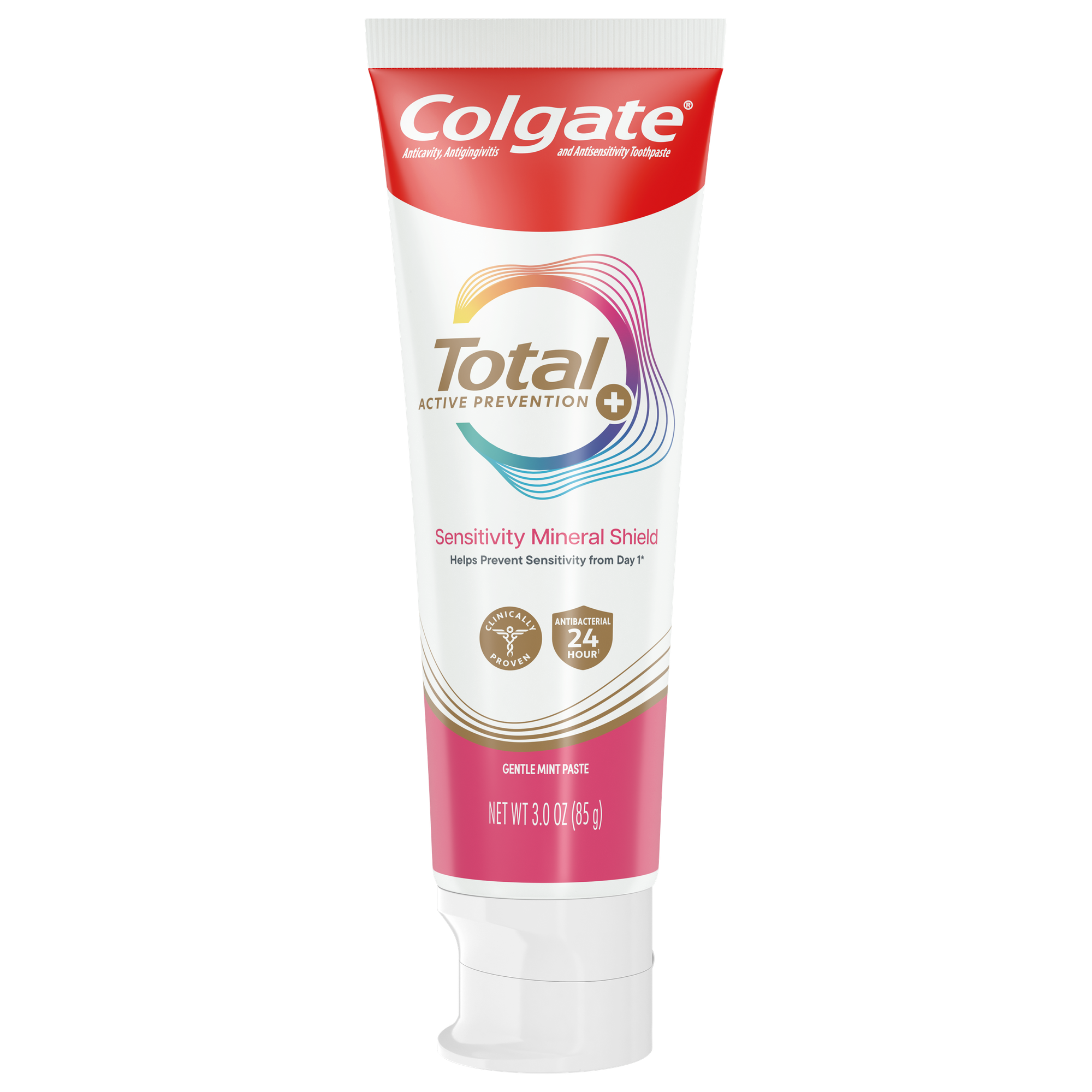
Help prevent sensitivity from day 1* with Colgate Total Active Prevention Sensitivity Mineral Shield Mint Toothpaste.
*with twice daily use
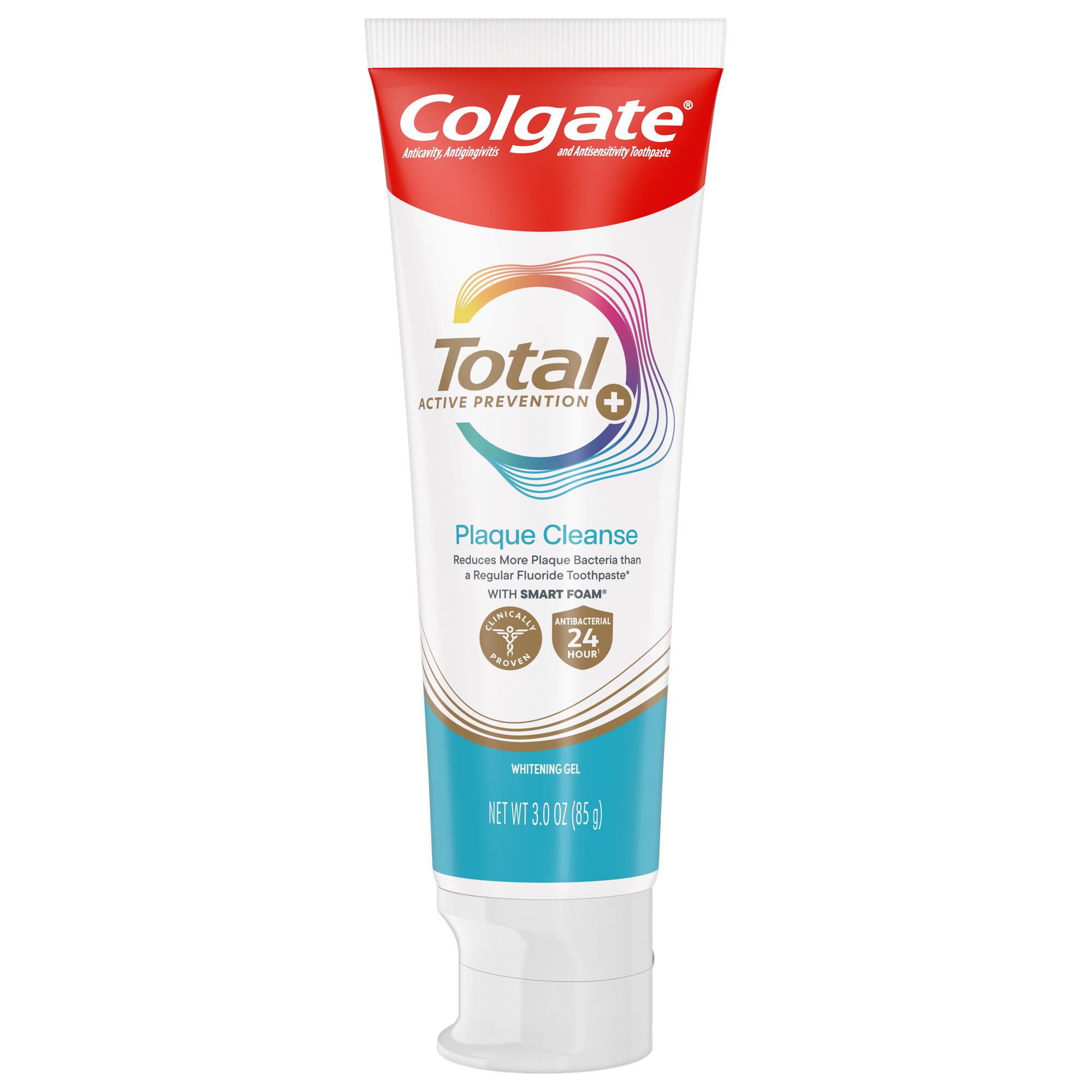
Help promote healthy gums using Colgate Total Active Prevention Plaque Cleanse Whitening Toothpaste Gel. This patented tartar prevention toothpaste fights the root cause* of gingivitis, plaque, tartar, cavities, sensitivity, bad breath, weak enamel, and stains and is 2x more effective*** at fighting bacteria, the root cause of oral health problems like cavities and gingivitis.
*via protection against bacteria and dietary exposures, with daily brushing
***via reduction of bacteria vs. non-antibacterial fluoride toothpaste with 2x daily brushing and 4 weeks use
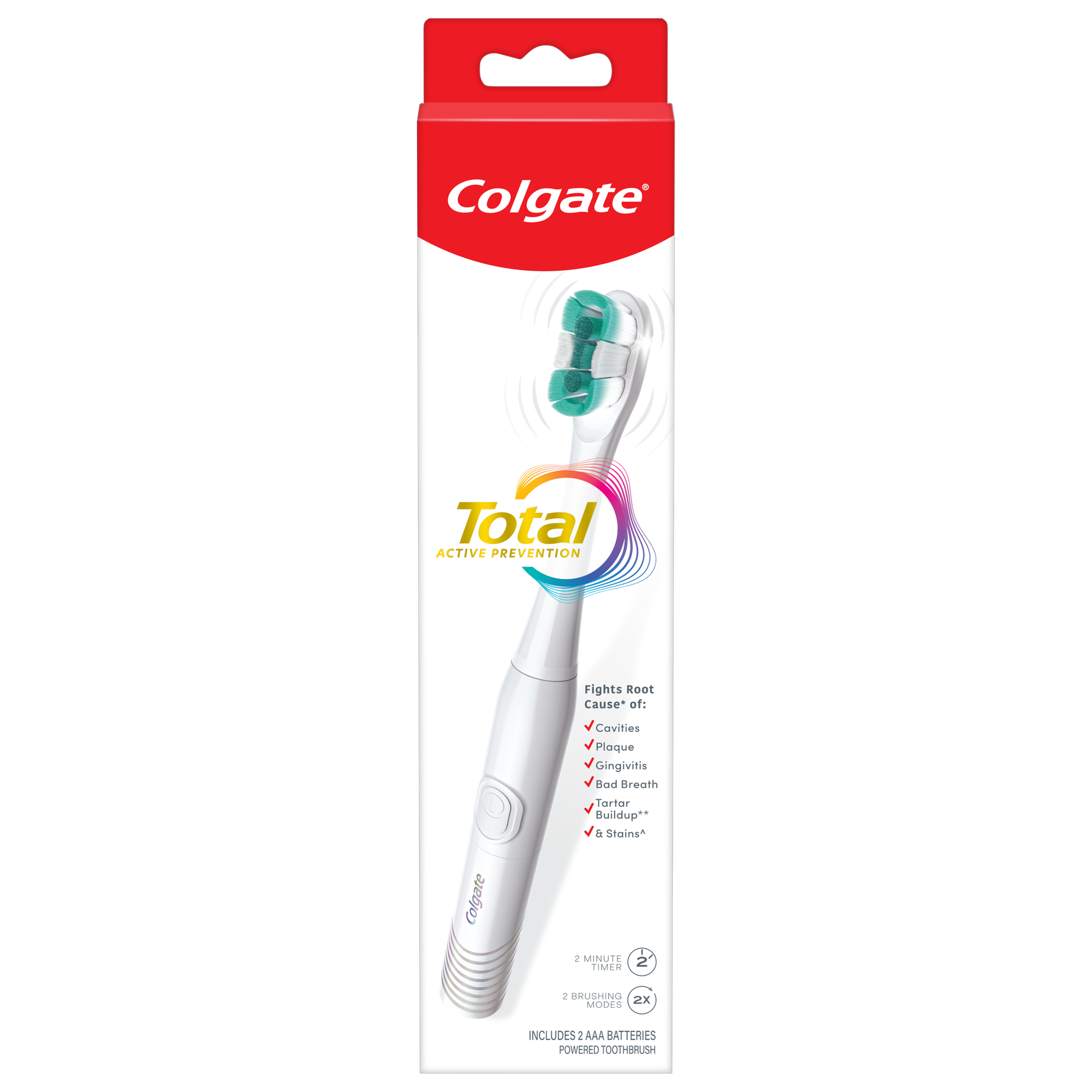
Colgate Total Active Prevention Battery Powered Electric Toothbrush, WhitePower away plaque with Colgate Total Battery Powered Toothbrush.
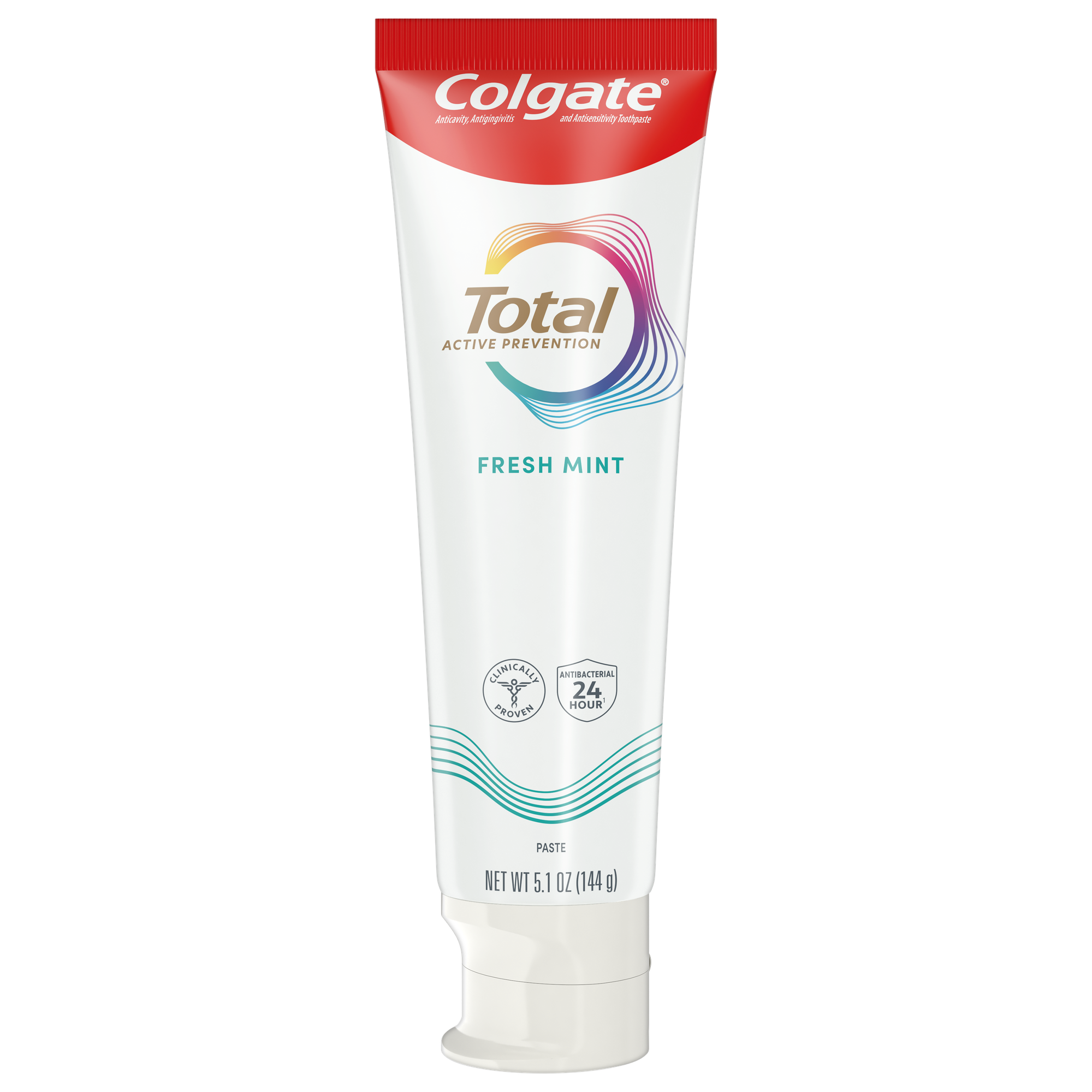
Colgate Total Fresh Mint Toothpaste fights bacteria, the root cause of many oral health issues such as gingivitis, tartar, sensitivity, weak enamel, bad breath, and cavities.


About Cookies on This Site

