Oral Manifestations of Celiac Disease: Enamel Defects, Mouth Sores and Dry Mouth
January 9, 2023.
2
min read


Those diagnosed with celiac disease at a young age may experience a disruption in enamel development that results in enamel defects in both primary and permanent teeth. According to the American Dental Association (ADA), these enamel defects may appear as white, yellow, or brown discoloration. Poor enamel formation can also cause pitting or banding, giving teeth a mottled or even translucent appearance. Early diagnosis and treatment of celiac disease may decrease any future defects but, unfortunately, will not reverse defects already present. You may seek out cosmetic dental options — such as veneers or bonding — to improve the appearance of your teeth.
Recurrent aphthous stomatitis — more commonly known as canker sores or mouth ulcers — are another oral manifestation of celiac disease. These painful breakouts appear on the inside of your lips or cheeks, on your tongue, at the base of your gums, or on the roof of your mouth. To minimize irritation, avoid spicy and acidic foods until your canker sores go away. If the sores are exceptionally large or painful, check with your dentist about prescribing a mouth rinse or topical anesthetic to ease your symptoms.
Studies show that up to 15 percent of those diagnosed with Sjögren's syndrome — a condition that causes dry eyes and mouth — also have biopsy-proven celiac disease. Dry mouth can make those with celiac disease more susceptible to tooth decay and cavities because there is less saliva to wash away bacteria and food debris. If you have dry mouth, drink plenty of water throughout the day to stay hydrated and use a humidifier while you sleep. Your dentist may be able to treat your symptoms with artificial saliva or prescription toothpaste.
If you suspect you have celiac disease based on oral or other clinical symptoms — such as skin rash, headaches, bloating, diarrhea, and fatigue — see your primary care physician to confirm a diagnosis. The ADA article linked above states that removing gluten from your diet should improve soft tissue oral manifestations such as canker stores. However, other effects, such as enamel defects and dry mouth, would need to be managed and treated by your dentist appropriately. Celiac teeth may require some extra attention, but if you follow these tips and work with a knowledgeable dental professional, you can keep your oral health in excellent shape.
Oral Care Center articles are reviewed by an oral health medical professional. This information is for educational purposes only. This content is not intended to be a substitute for professional medical advice, diagnosis or treatment. Always seek the advice of your dentist, physician or other qualified healthcare provider.
ORAL HEALTH QUIZ
Take our Oral Health assessment to get the most from your oral care routine
The sores caused by celiac disease are very similar to aphthous stomatitis or oral ulcers. Learn more about celiac mouth sores here.

Bowel diseases aren't limited to gastrointestinal issues. Here's how to identify if you have Crohn's mouth ulcers, and how to manage them.

A little gas from your stomach is normal, but sulfur burps smell bad and can leave you feeling embarrassed. Find out more about sulfer burps, here.

Are you having difficulty swallowing? Find out more about dysphagia, the signs and symptoms, and when to contact your doctor, here.
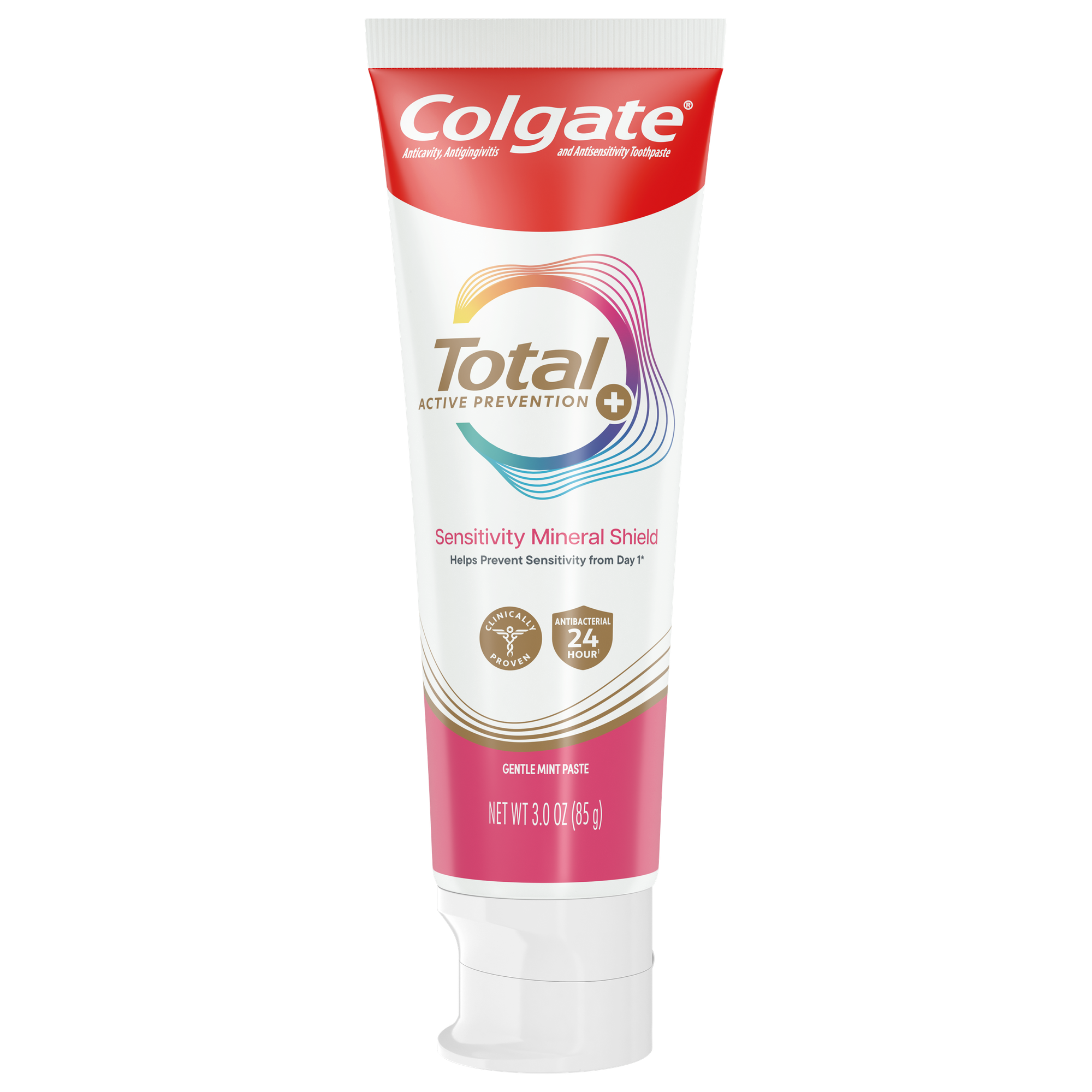
Help prevent sensitivity from day 1* with Colgate Total Active Prevention Sensitivity Mineral Shield Mint Toothpaste.
*with twice daily use
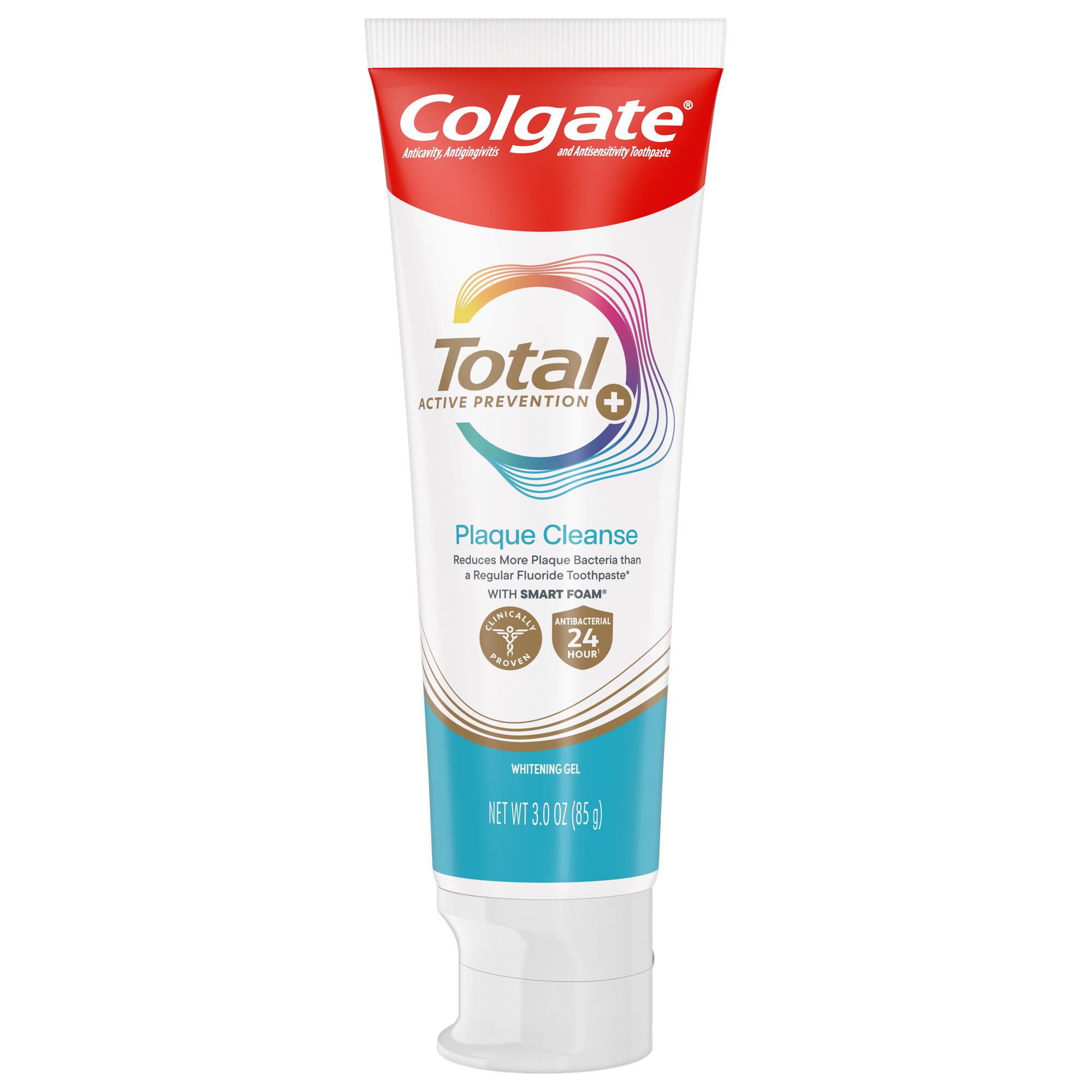
Help promote healthy gums using Colgate Total Active Prevention Plaque Cleanse Whitening Toothpaste Gel. This patented tartar prevention toothpaste fights the root cause* of gingivitis, plaque, tartar, cavities, sensitivity, bad breath, weak enamel, and stains and is 2x more effective*** at fighting bacteria, the root cause of oral health problems like cavities and gingivitis.
*via protection against bacteria and dietary exposures, with daily brushing
***via reduction of bacteria vs. non-antibacterial fluoride toothpaste with 2x daily brushing and 4 weeks use
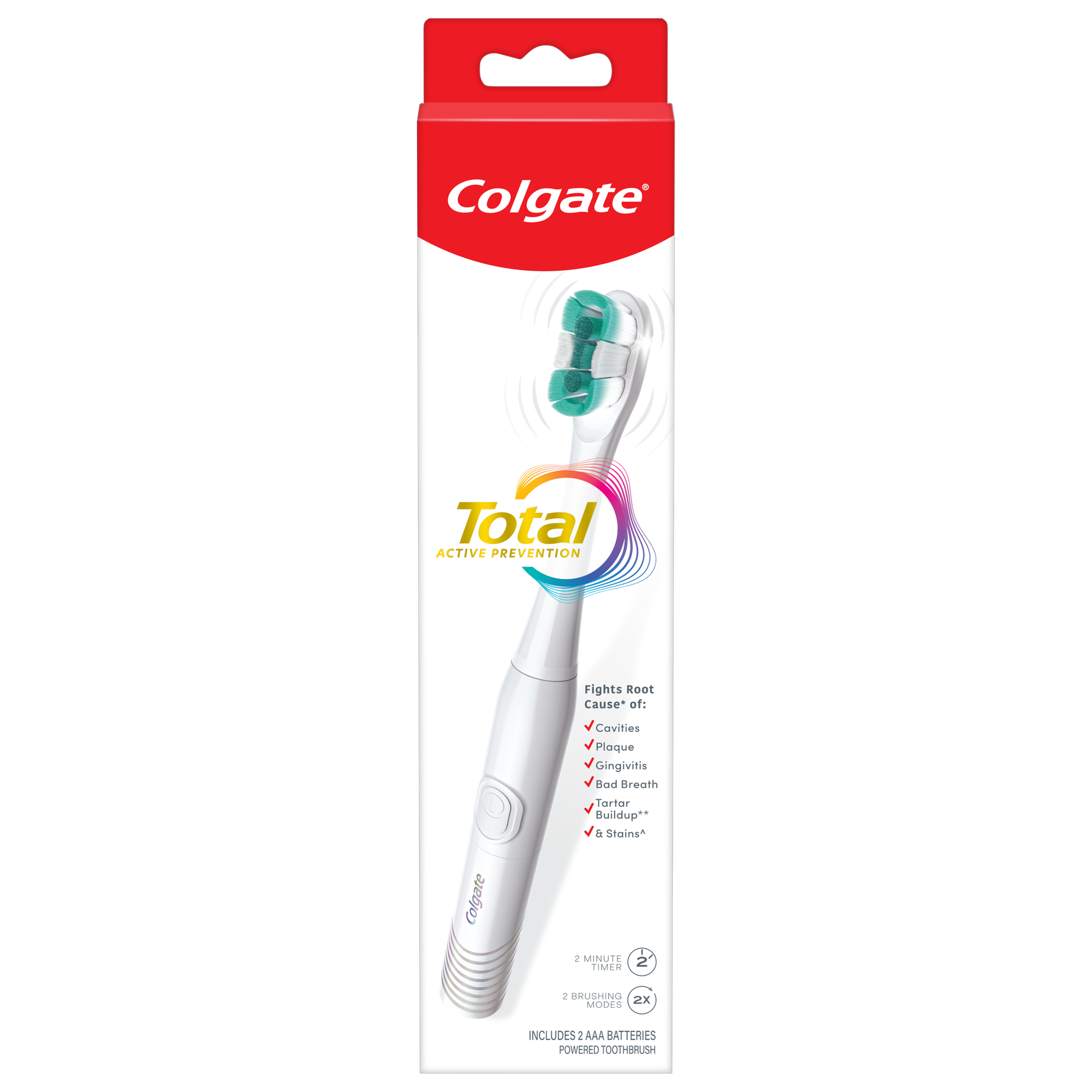
Colgate Total Active Prevention Battery Powered Electric Toothbrush, WhitePower away plaque with Colgate Total Battery Powered Toothbrush.
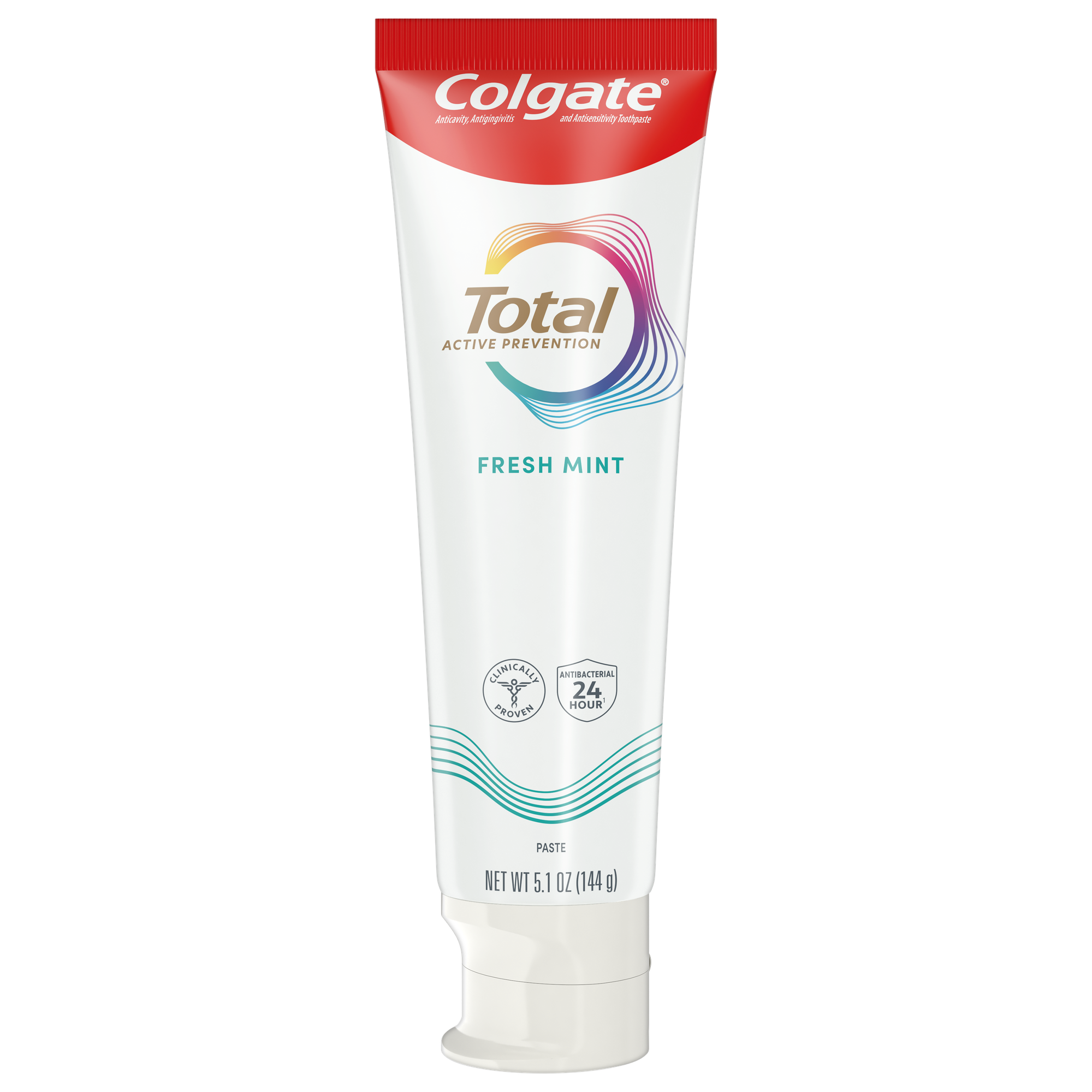
Colgate Total Fresh Mint Toothpaste fights bacteria, the root cause of many oral health issues such as gingivitis, tartar, sensitivity, weak enamel, bad breath, and cavities.


About Cookies on This Site

