How To Keep Your Abutment Tooth Healthy
January 9, 2023.
3
min read

Dental implants are metal fixtures, surgically fastened to your jawbone below the gums. These metal implants become anchored to your bone through osseointegration (the bone fuses to the metal). This process provides stable support you can rely on while eating and speaking because it becomes a permanent part of your mouth's structure. According to the Cleveland Clinic, the healing time after getting an implant can take 6-12 weeks. Your dental professional will then place a metal post (your abutment) into your implant, onto which they will mount your crown or your bridge.
Most people don't plan on needing implants, but teeth can be lost for many reasons, like injury, decay, or infection. And replacement teeth can be vital in maintaining your oral health. Gaps in areas of loss can cause your other teeth to begin rotating or shifting into the empty spaces, resulting in a bad bite. And missing teeth can even lead to gum disease and temporomandibular joint (TMJ) disorders.
More people have replacement teeth than many people realize. According to the American Academy of Implant Dentistry (AAID), 3 million people in the United States currently have dental implants, and that number is growing by 500,000 each year. You can feel confident that the dental professional giving you dental implants performs this procedure regularly and knows exactly what they are doing.
If you practice good oral hygiene, your implants can potentially last for decades. However, if you don't properly care for your implants, you could develop peri-implantitis – an infection caused by bacteria and plaque in the tissue around your implant. If peri-implantitis isn't caught early, it could result in bone loss around the titanium post and potentially the loss of the implant.
A review in the Journal of Clinical Medicine notes that floss remnants may trigger peri-implantitis, so other flossing methods like water flossers and interdental brushes are recommended.
Learn about other potential dental implant problems
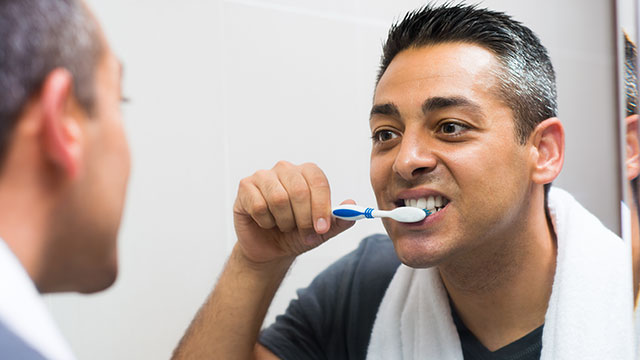
Caring for implants is actually very similar to caring for your natural teeth. Brush at least twice a day, brushing along the gums and sweeping the toothbrush toward the biting surface of the tooth. Clean between your teeth with interdental brushes or water flossers at least once a day, and consider using other helpful products like antimicrobial mouthrinses and tongue scrapers.
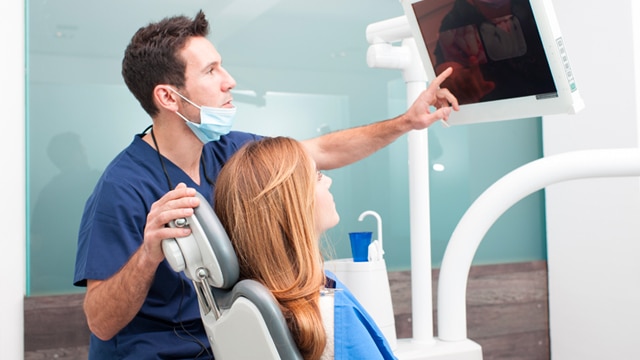
Be sure to see your dental professional for regular cleanings – not only to keep your teeth pearly white and bacteria-free but also to check the health of your crown or your bridge. They may take X-rays to check the bone level surrounding your implant, and they will also check the gum tissue near the implant to make sure the area is healthy and free of inflammation.
When you practice good oral hygiene and see your dental professional regularly, you can enjoy replacement teeth that look and function exactly like the real thing. And by maintaining a sufficient level of oral health, your replacements can last a lifetime. Now that is something to smile about.
Oral Care Center articles are reviewed by an oral health medical professional. This information is for educational purposes only. This content is not intended to be a substitute for professional medical advice, diagnosis or treatment. Always seek the advice of your dentist, physician or other qualified healthcare provider.
ORAL HEALTH QUIZ
Take our Oral Health assessment to get the most from your oral care routine

Learn more about dentures, including dental implant procedures, and much more, from the Colgate Oral Care Center.
Dental implants are artificial teeth that are implanted into the mouth and jaw, often used when adults lose adult teeth. Learn more about cost, recovery and more.

A dental bridge or implant are two options your dentist can provide to replace a missing tooth, and each option has different advantages.
After getting a dental implant, it's important to care for your abutment tooth properly to ensure long-term success and optimal oral health. Here's how.
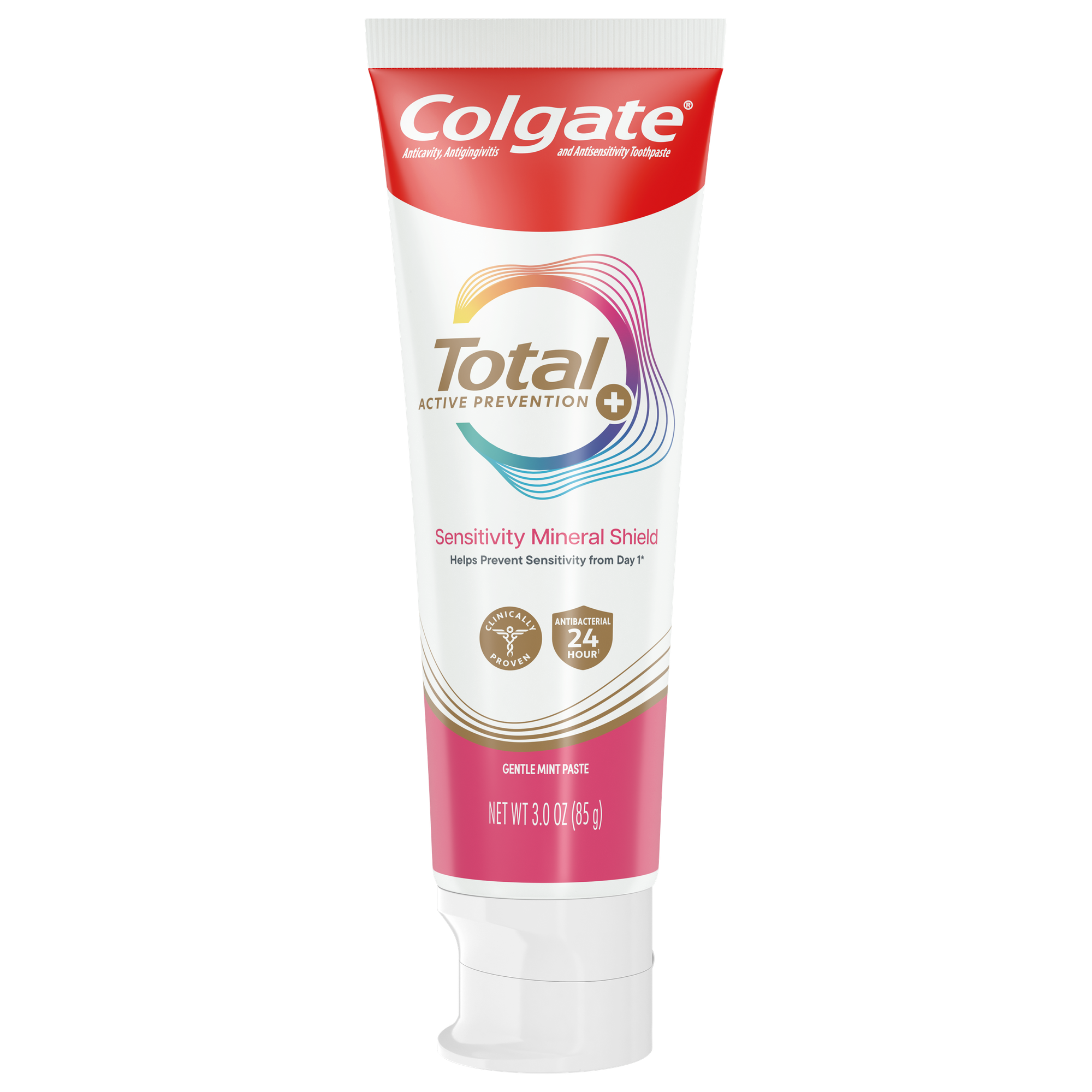
Help prevent sensitivity from day 1* with Colgate Total Active Prevention Sensitivity Mineral Shield Mint Toothpaste.
*with twice daily use
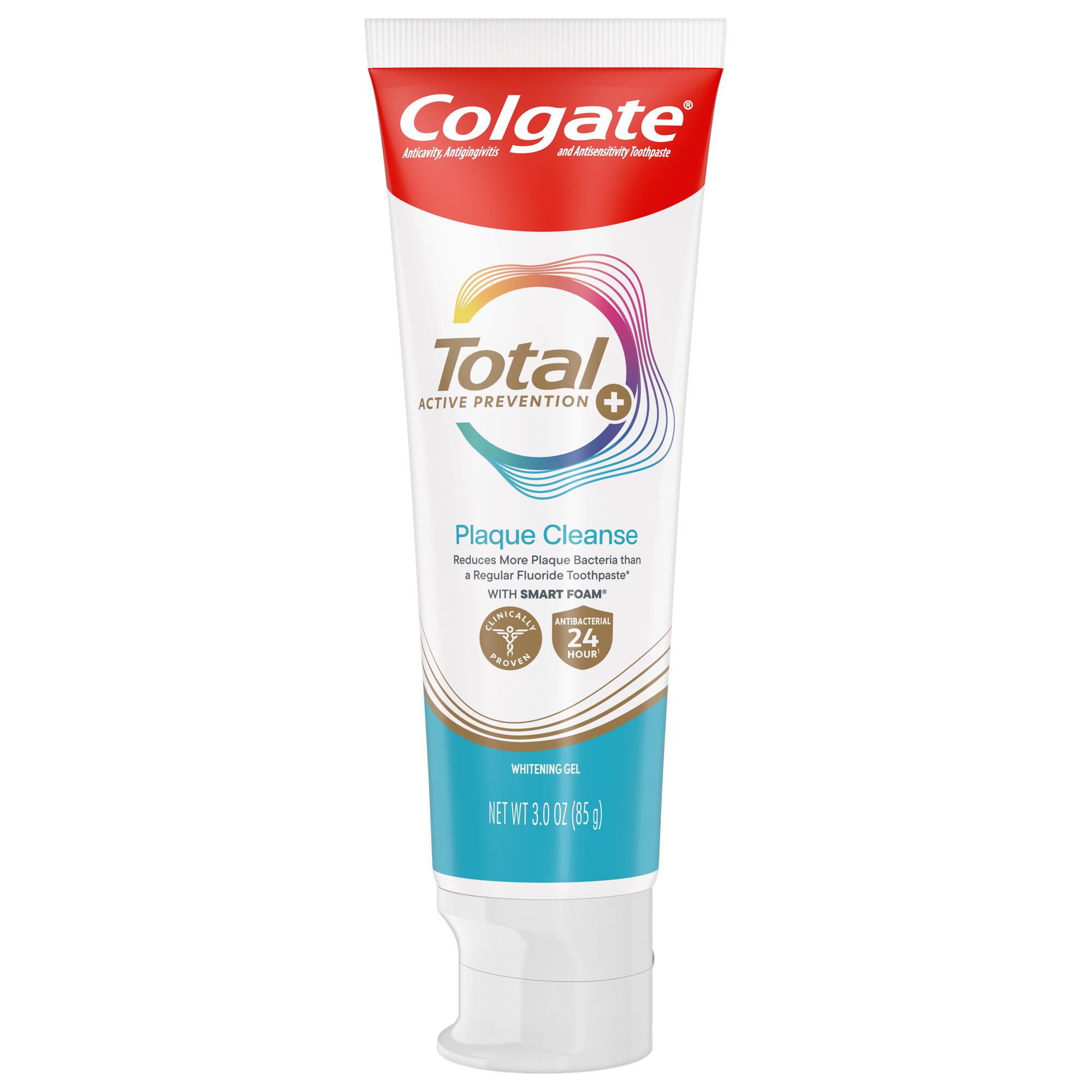
Help promote healthy gums using Colgate Total Active Prevention Plaque Cleanse Whitening Toothpaste Gel. This patented tartar prevention toothpaste fights the root cause* of gingivitis, plaque, tartar, cavities, sensitivity, bad breath, weak enamel, and stains and is 2x more effective*** at fighting bacteria, the root cause of oral health problems like cavities and gingivitis.
*via protection against bacteria and dietary exposures, with daily brushing
***via reduction of bacteria vs. non-antibacterial fluoride toothpaste with 2x daily brushing and 4 weeks use
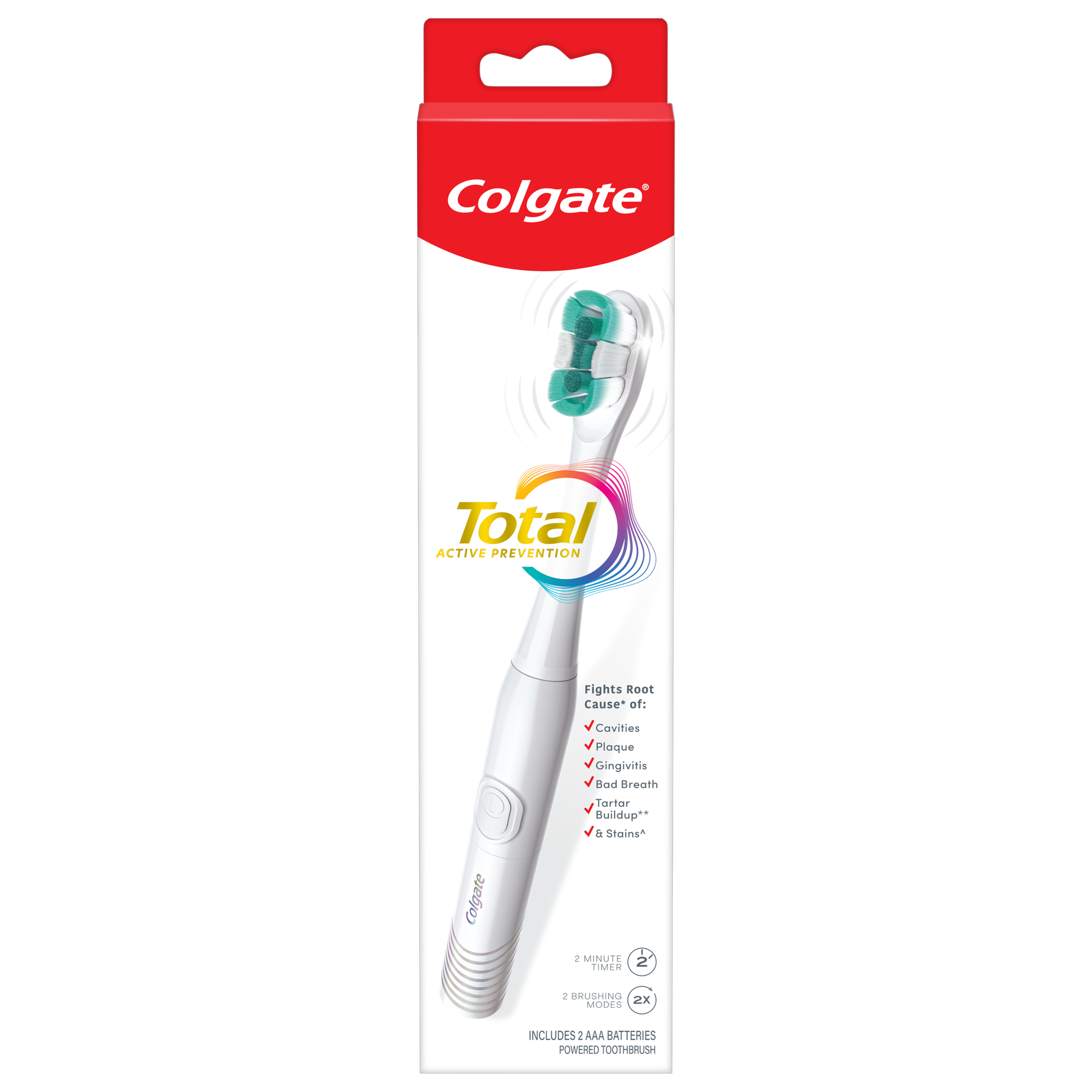
Colgate Total Active Prevention Battery Powered Electric Toothbrush, WhitePower away plaque with Colgate Total Battery Powered Toothbrush.
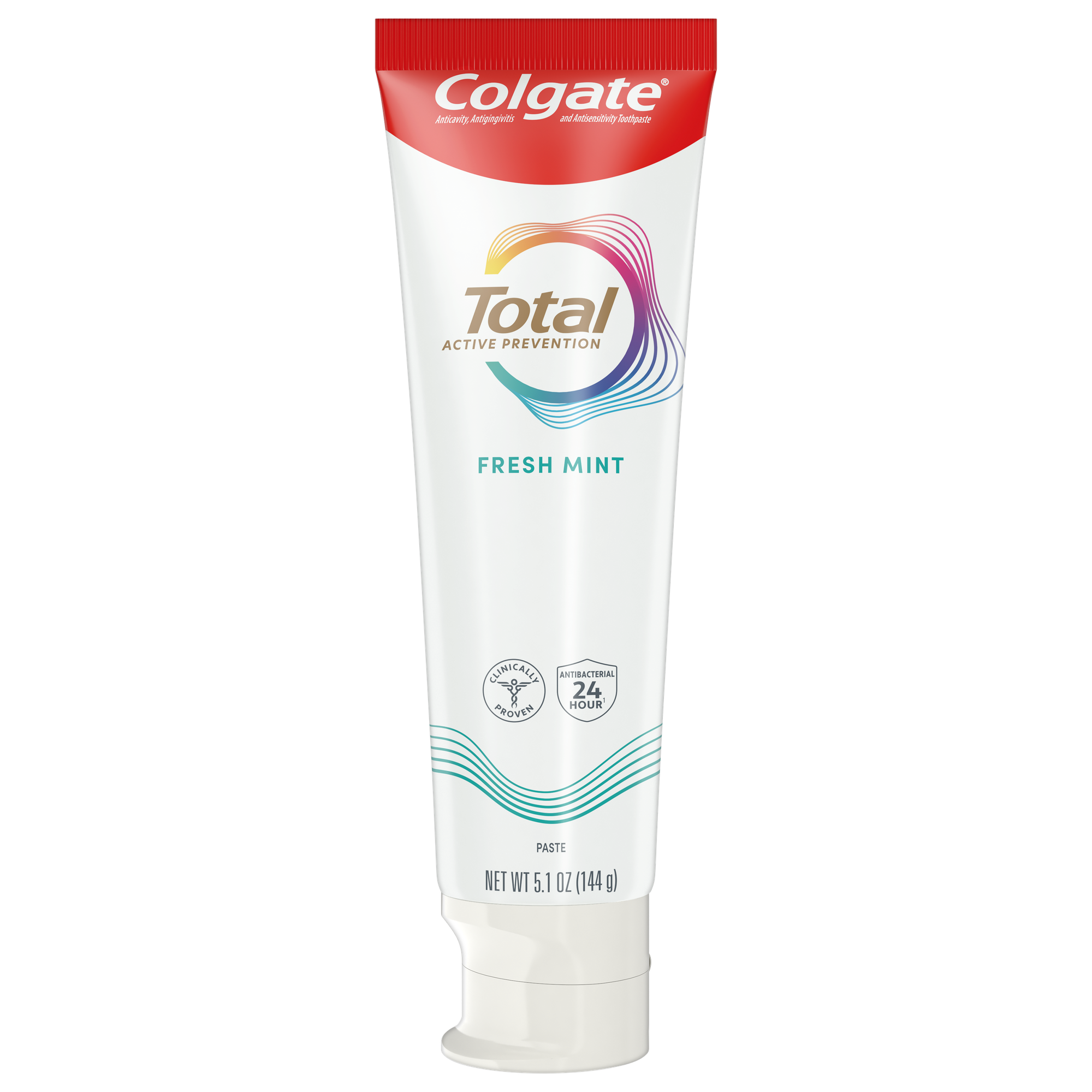
Colgate Total Fresh Mint Toothpaste fights bacteria, the root cause of many oral health issues such as gingivitis, tartar, sensitivity, weak enamel, bad breath, and cavities.


About Cookies on This Site

