Over-Retained Baby Teeth: A Guide to Treatment
3
min read

According to American Dental Association, kids usually have 20 baby teeth that come in by the time they're 33 months old. These baby teeth, also known as deciduous teeth, start to shed by age 6-7 years. In their place, permanent teeth erupt. By age 21, typically, all 32 permanent teeth have erupted.
So how can you know if your child's deciduous teeth are over-retained? There's a useful chart that can help you figure out when your child's baby teeth should shed and when permanent successors should erupt. Once you see your child's first baby tooth shed, you can use it as a marker. The timelines on the chart can help you predict when the next ones will fall out.
Every child's teeth are different, and you can expect some variations from the timelines stated in the chart. That said, if one or several baby teeth have stayed in position for more than a year after they're supposed to shed, they're most likely over-retained.
The most common reason for primary teeth to be over-retained is because their permanent successors are absent. The condition is known as tooth agenesis, characterized by a partial or complete absence of permanent teeth. According to the National Organization for Rare Disorders, hypodontia (the absence of 1-5 teeth) affects 2-8% of people.
Another reason for over-retained baby teeth is ankylosis, in which the root of the primary tooth is fused to the bone. According to Spear Education, lower teeth are ankylosed more than twice as often as upper teeth.
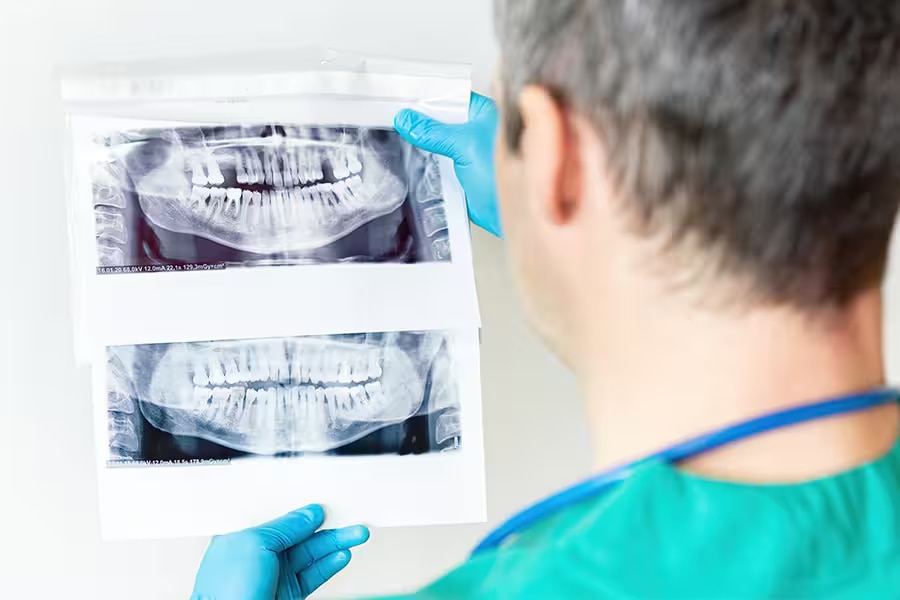
Other reasons for over-retained deciduous teeth include impacted permanent teeth, infection, and trauma. If your child's baby teeth haven't shed when expected, it's best to consult with your child's pediatric dentist, as well as an orthodontist. They will most likely assess the situation with a comprehensive clinical exam as well as dental X-rays.
How can your child’s over-retained primary teeth be treated? Depending on the clinical exam and observations derived from the dental X-rays, there are many treatment routes that a pediatric dentist or orthodontist can recommend.
According to a study in the Open Dentistry Journa, if the crown, roots, and supporting alveolar bone of the retained baby tooth is in good condition and isn’t causing any structural or aesthetic problems, then the primary tooth can be retained. In fact, it might serve your child well into adulthood.
If your child’s tooth is ankylosed, depending on the age of the onset of ankylosis, the affected tooth's location, and your child’s smile line, among other factors, the orthodontist might recommend that the tooth be extracted. According to Spear Education, if the tooth is extracted, your child will have to wait until age 17 to have an implant placed, and the dentist will need to provide an interim replacement tooth option.
Waiting for your child’s baby teeth to shed so those permanent teeth can erupt can be stressful! But don’t worry; with the help of your child’s dentist, you can find a treatment plan that will work for your child’s teeth. And after all, whether or not your child has over-retained baby teeth, their smile is always perfect!
Oral Care Center articles are reviewed by an oral health medical professional. This information is for educational purposes only. This content is not intended to be a substitute for professional medical advice, diagnosis or treatment. Always seek the advice of your dentist, physician or other qualified healthcare provider.
ORAL HEALTH QUIZ
Take our Oral Health assessment to get the most from your oral care routine
By: Dr. Natalie Carr-Bustillo, DDS, MS
Board Certified Pediatric Dentist
Elevate your child's oral care routine with expert tips tailored for tiny teeth. Get essential tips to ensure your child's dental health from Colgate.

Join the fun of baking teeth cookies with your family, a delightful activity that highlights the importance of dental hygiene tools and techniques.
One of the most important elements in taking good school pictures has to be the smile. Children will feel more comfortable… Read more at Colgate.com
Encourage healthy habits and add a touch of everyday magic with the Colgate® Harry Potter Kids Battery Toothbrush.
Colgate® Kids Minions Extra Soft Manual Toothbrush is a fun way to encourage good oral care habits early on!
Make daily brushing feel like an enchanting adventure with the Colgate Harry Potter Slytherin Kids Battery Toothbrush.
Turn regular brushing time into a fun Unicorn Academy adventure using Colgate® Kids Unicorn Academy Toothpaste with Fluoride. Designed for children ages 2 and older, this kids anticavity toothpaste offers an irresistible Mild Bubble Fruit bubblegum toothpaste flavor that makes brushing teeth feel exciting.


About Cookies on This Site

