Bleeding gums during pregnancy: causes, safety, and health risks
min read

In this article:
Key takeaways:
Hormonal sensitivity: rising progesterone levels increase vascular permeability, making gums hyper-reactive to plaque and causing capillaries to rupture easily.
Systemic risks: periodontal pathogens and inflammatory by-products can enter the bloodstream and may cross the placental barrier, which clinical research links to preterm labor and low birth weight.
Morning sickness protocol: to prevent acid erosion and gum irritation after vomiting, rinse with water or mouthwash immediately.
Professional maintenance: dental cleanings are safe and recommended throughout pregnancy to remove tartar and to monitor for pregnancy-related oral growths.
Pregnancy causes an increase in blood volume and in the levels of a hormone called progesterone, which leads to an advanced vascular permeability in the oral mucosa. This hormonal surge makes the gums hyper-reactive to the plaque biofilm, causing the capillaries to rupture more easily even during gentle cleaning. This is a common sign of gum disease, the condition often referred to as pregnancy gingivitis.
This "pregnancy-enhanced" inflammation means the gum reacts aggressively to even microscopic amounts of bacteria. This is why pregnancy gingivitis is a biological response to your changing body rather than a failure in your routine.
While bleeding of gums during pregnancy is common, untreated gum disease during pregnancy is a serious concern because the bacteria and associated inflammation can impact the entire body. In fact, research from health organizations indicates a correlation between severe periodontitis and adverse pregnancy outcomes.
Periodontal pathogens and their inflammatory by-products (such as prostaglandins) can enter the bloodstream. Clinical research suggests these markers may cross the placental barrier, potentially triggering the biological pathways associated with preterm labor and low birth weight.
Maintaining your oral health is a fundamental step in supporting a full-term, healthy pregnancy.
Morning sickness introduces stomach acid into the mouth, which can soften enamel and irritate already sensitive gum tissue. Acid makes your enamel vulnerable, so brushing immediately after can accelerate acid erosion of the enamel matrix. To protect your teeth, you must neutralize the pH of the oral cavity before introducing the mechanical friction of a toothbrush.
Talk with your doctor or dentist about how to adjust your immediate response to morning sickness-related vomiting to help stop your gums from bleeding.
The following steps are generally recommended to better manage your oral health routine when dealing with morning sickness and vomiting:
Professional dental cleanings are safe and recommended during all trimesters because a dental hygienist can remove the calculus (tartar), which is the hardened plaque that acts as a permanent reservoir for infection.
Furthermore, your dentist can monitor for pyogenic granulomas (pregnancy tumors), which are painless, red, non-cancerous growths that sometimes appear due to extreme hormonal irritation of the gums.

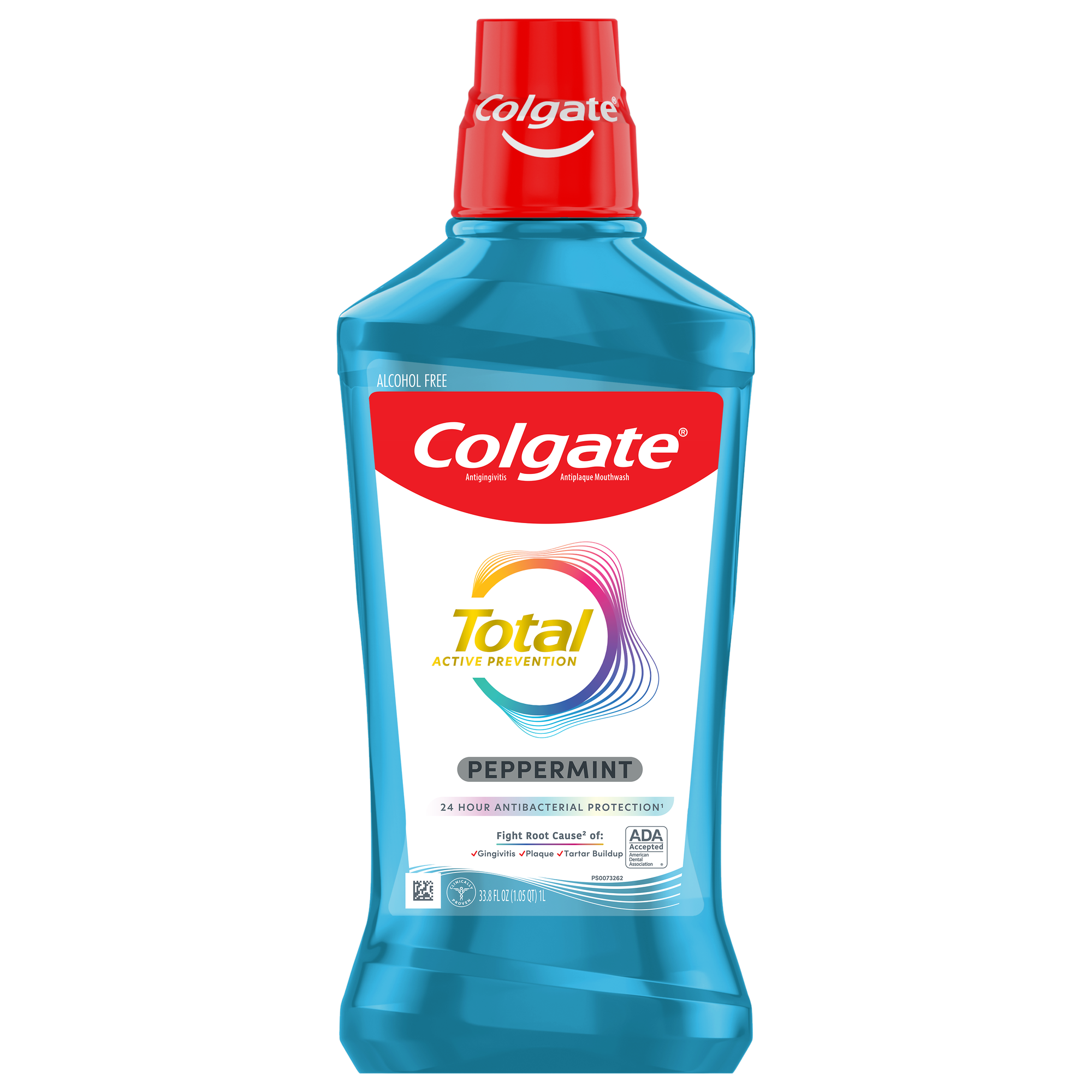
Yes. Using an alcohol-free antimicrobial mouthwash is a safe and effective way to reduce the bacteria causing bleeding gums during pregnancy without drying out your mouth.
In most cases, the hormonal sensitivity resolves within a few weeks of giving birth. However, you should still see a dentist post-partum to ensure the inflammation hasn't caused permanent gum pockets.
While you cannot control your hormones, you can minimize bleeding by staying consistent with a gentle hygiene routine and eating a balanced diet rich in vitamin C and calcium to support the gum and bone.
This article is intended to promote understanding of and knowledge about general oral health topics. It is not intended to be a substitute for professional advice, diagnosis or treatment. Always seek the advice of your dentist or other qualified healthcare provider with any questions you may have regarding a medical condition or treatment.
ORAL HEALTH QUIZ
Take our Oral Health assessment to get the most from your oral care routine
ORAL HEALTH QUIZ
Take our Oral Health assessment to get the most from your oral care routine