What Are Tonsil Stones?
January 9, 2023.
min read


Tonsil stones also referred to as tonsilloliths, are quite common. They are small, white discharges that form in the crevices of your tonsils. They can be found on either side of the pharyngeal tonsils at the very back of your throat. They occur when bacteria and saliva combine in the small cracks or fissures of your tonsils and range in size anywhere from a grain of rice to a pea. Tonsil stones start out soft in consistency, but the combination of mineral elements from your saliva and foods you eat can turn them into hard calcium deposits, almost stone-like, hence their name.
You may not even know you have them because they are usually symptom-free. Bad breath from tonsil stones and slight swelling of your tonsil may be your only symptoms. However, on occasion, some people have severe symptoms. These include a persistent sore throat, infection, or difficulty swallowing. If you experience any of these, you should contact your healthcare provider to rule out a more serious problem.
There isn’t a tonsil stone treatment other than removal. Often, tonsil stones go away on their own. If they don’t and you do not have any symptoms, your dentist or healthcare provider can remove them without anesthesia. If they become a recurring problem, and you have frequent sore throats, swelling, swallowing, or breathing issues, your healthcare provider may recommend a tonsillectomy. A tonsillectomy is a surgical procedure for removing your two small glands (tonsils) in the back of your throat.
Tonsil stones are common and generally harmless. They are caused by food particles and saliva getting caught in the crevices of your tonsils. Sometimes this forms small hard calcium deposits that look like tiny white stones. If you experience them often and with complications, like chronic sore throats, your tonsils may need to be removed. But don’t worry, most of the time they don’t cause any problems and go away on their own. You may just want to avoid spending a lot of time looking at them in the mirror.
This article is intended to promote understanding of and knowledge about general oral health topics. It is not intended to be a substitute for professional advice, diagnosis or treatment. Always seek the advice of your dentist or other qualified healthcare provider with any questions you may have regarding a medical condition or treatment.
ORAL HEALTH QUIZ
Take our Oral Health assessment to get the most from your oral care routine
ORAL HEALTH QUIZ
Take our Oral Health assessment to get the most from your oral care routine
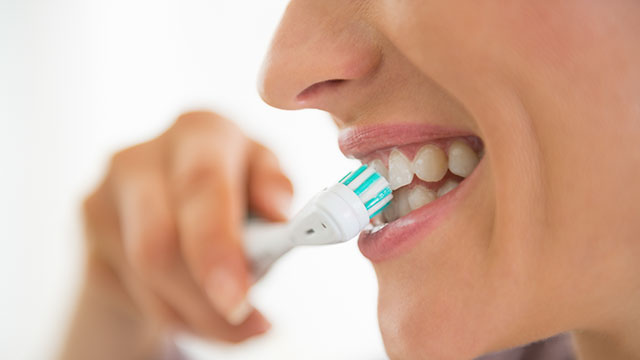
Oral bacteria can cause viruses, tooth decay, gum disease and other common mouth infections in both children and adults.

An apical abscess is one of the most common types of dental abscesses. Find out more about the symptoms, diagnosis, and treatment of apical abscess, here.

Finding blisters in mouth tissue isn't unusual; it can occur in all age groups and for a variety of reasons. It is therefore important for you to identify the contributing factors for your specific condition. In certain instances, these lesions can be contagious or pose a greater risk for infection.These ulcers can occur on the lips, tongue, gums, inner cheeks, roof or floor of the mouth, and they can arise from tissue trauma, non-communicable illness or something very often transmitted.

Have you ever looked at your tongue in the mirror and thought you were looking at a road map of Florida? Or maybe on another day it looked more like Pennsylvania. You may have a condition called geographic tongue. Don't be alarmed, though. This benign condition is not a threat to your health.Here are some interesting facts about this disorder (also referred to as migratory glossitis or wandering rash of the tongue) that you should know.
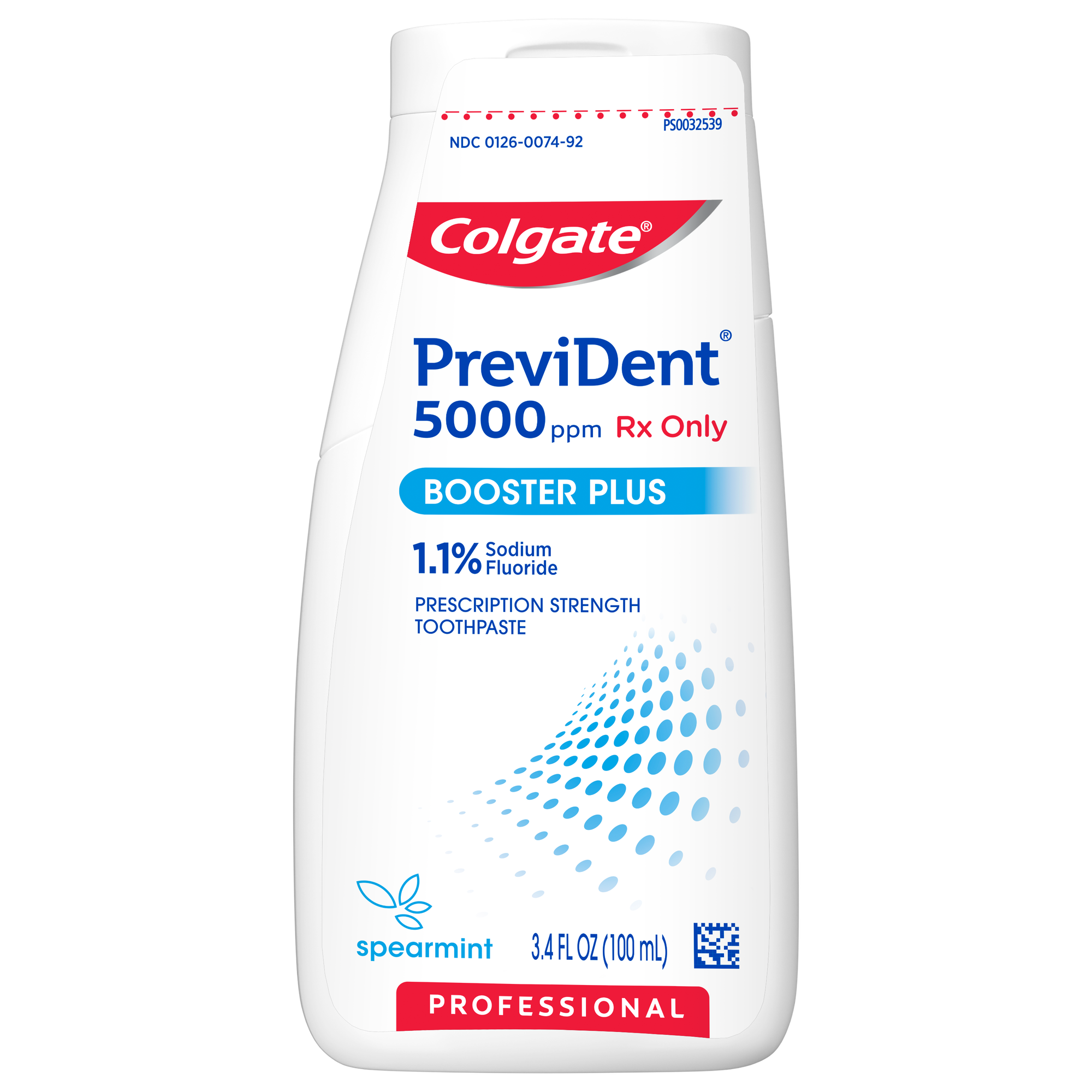
Colgate® PreviDent® 5000 Booster Plus is a high fluoride prescription strength toothpaste for unsurpassed remineralization. Contact your your dentist today!
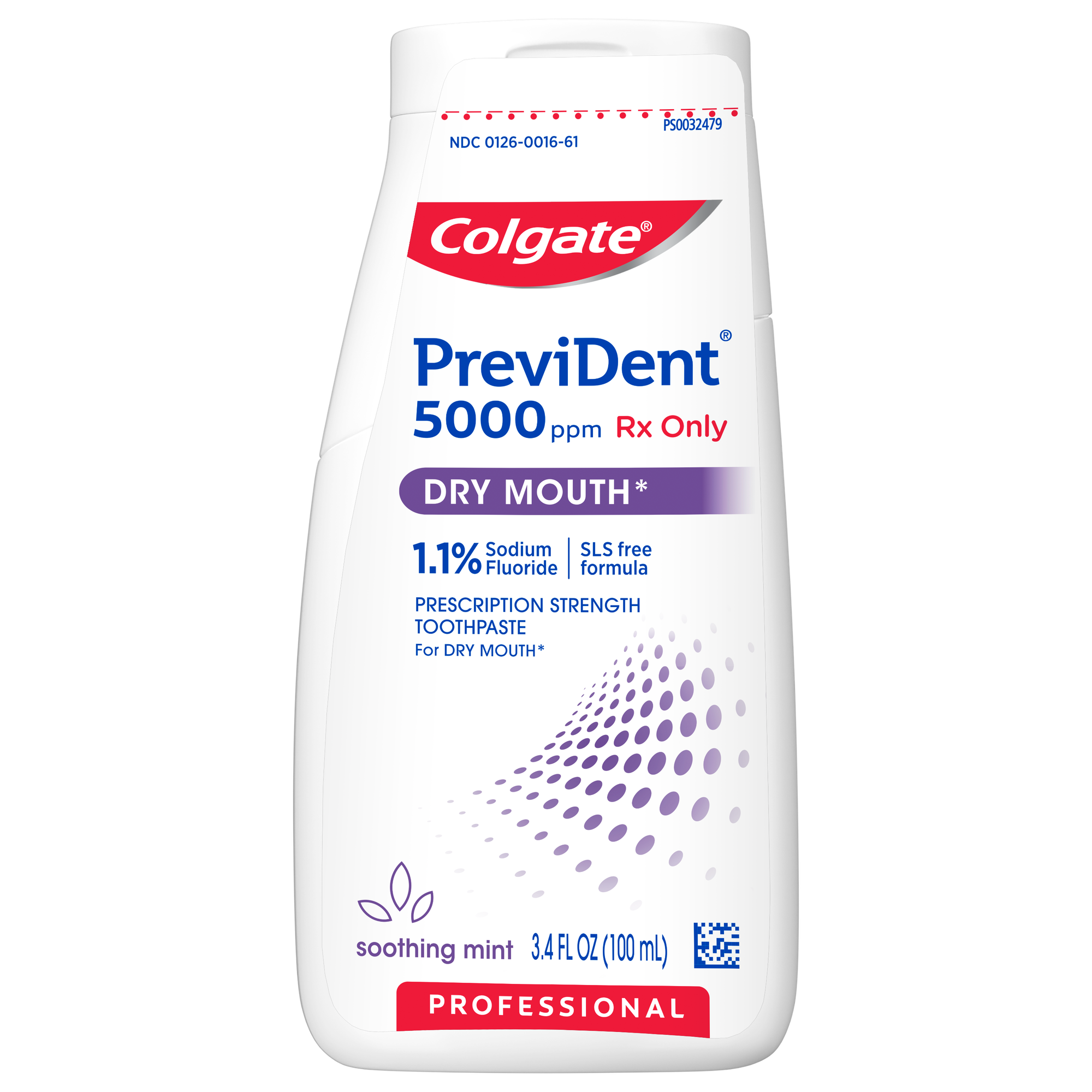
Colgate® PreviDent® 5000 Dry Mouth is a prescription strength toothpaste to fight dry mouth and remineralize teeth. Contact your your dentist today!
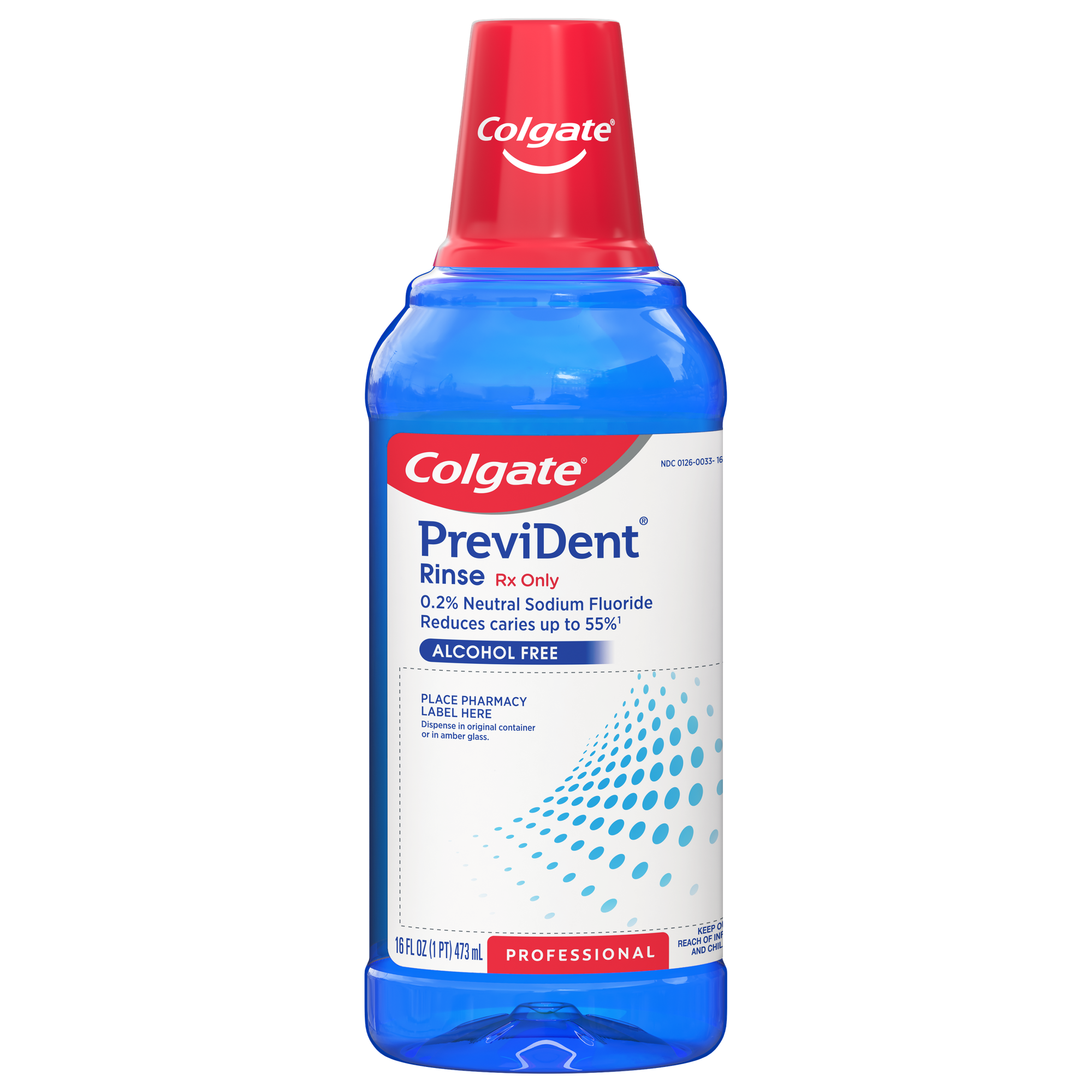
Colgate® PreviDent® Rinse (Rx Only) is an alcohol free fluoride rinse ideal for patients who have difficulty brushing.
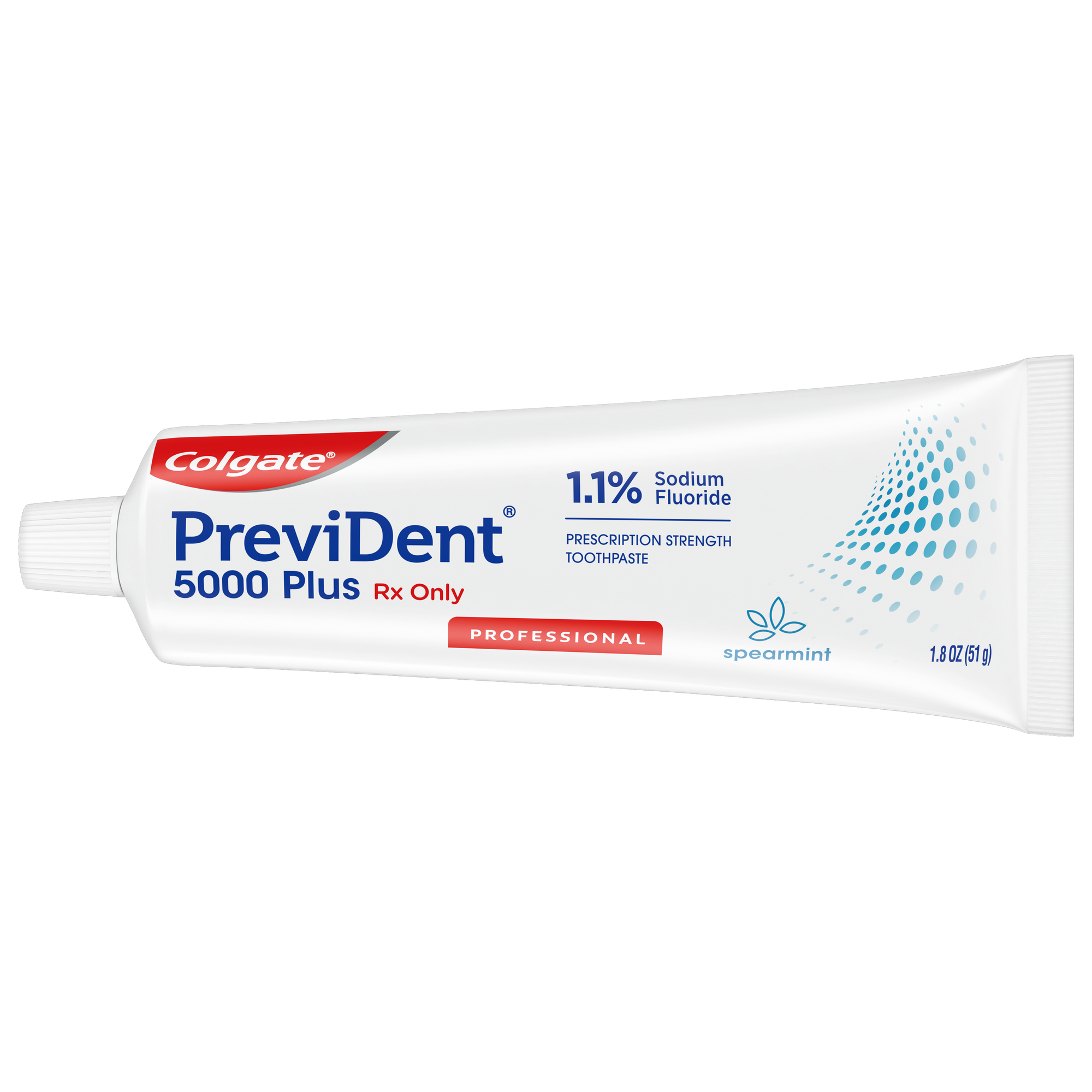
Colgate® PreviDent® 5000 Plus Prescription Toothpaste delivers 4x the fluoride than over-the-counter toothpastes & rinses. Contact your your dentist today!

