What Is A Compound Odontoma?
January 9, 2023.
3
min read


Firstly, odontomas are noncancerous oral tumors, as an article in the Journal of Oral and Maxillofacial Radiology explains. They are rare, and they do not spread or cause further harm. These abnormal growths replicate surrounding tissues in the mouth that comprise teeth, such as enamel, dentin, cementum and pulp tissues. According to an article in the West Indian Medical Journal (WIMJ), odontomas grow slowly, and in some rare cases, they can erupt into the oral cavity.
As the WIMJ article notes, odontomas are the most common type of odontogenic tumor. While they're more likely to occur around the ages of 14 to 18 years, they can develop at any age. Odontomas are also slightly more common in females, and they typically appear in the upper jaw. The cause of odontomas is unclear, but they have been associated with trauma, infection and inflammatory processes affecting the jaws during childhood. People with certain genetic conditions, such as Gardner syndrome and Hermann's syndrome, may also be more prone to odontomas. In 80% of cases, the tooth associated with the odontoma is impacted, meaning that it hasn't erupted from the gums.
There are two types of odontomas: complex and compound.
A compound odontoma has a tooth-like structure and is arranged in a uniform manner, similar to a normal tooth, while a complex odontoma has a mixed structure of disorganized tissue mass, according to the WIMJ article. Compound odontomas are twice as common as complex odontomas, and they often appear as a collection of small teeth on a dental X-ray. There have also been cases where patients have had multiple compound odontomas, as a report in the Journal of Clinical & Diagnostic Research explains.
A dental professional can diagnose odontomas by examining X-rays of a patient's jaw. While these lesions are benign, they may be treated conservatively with minor surgery if needed, as the WIMJ article notes. Tumors that are surgically removed usually will not reoccur. If a patient experiences no symptoms and the tumor is not stopping the teeth from erupting into the correct position, simply monitoring the odontoma may be an option, explains a study in the National Journal of Integrated Research in Medicine.
Your dentist, in combination with a specialist or an oral maxillofacial surgeon, will guide you on your treatment options and ensure you are in safe hands.
Odontomas can be revealed on routine X-rays at your dental office — but remember, a tumor doesn't always mean cancer, and treatment is not always required. Seeing your dentist regularly will ensure not only that your teeth and gums are checked for health, but that your head and neck are, too! This is why these checkups, as well as regular dental X-rays, are paramount to good oral and overall health.
Oral Care Center articles are reviewed by an oral health medical professional. This information is for educational purposes only. This content is not intended to be a substitute for professional medical advice, diagnosis or treatment. Always seek the advice of your dentist, physician or other qualified healthcare provider.
ORAL HEALTH QUIZ
Take our Oral Health assessment to get the most from your oral care routine

The benefits of orthodontic treatment include a healthier mouth, a more pleasing appearance, and teeth that are more likely to last a lifetime.
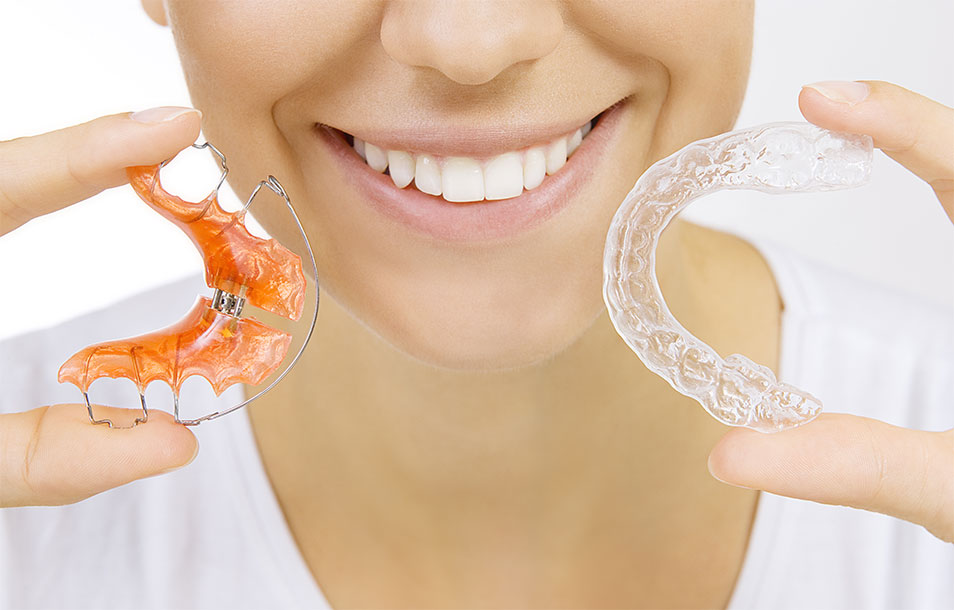
The hawley appliance is one of the oldest types of retainers used post-treatment. A removable item, it's made of a combination of plastic and metal that is molded custom to fit your mouth.

There are many options to choose from when considering a mouthguard for your football player, and deciding which type of mouthguard is best can be confusing. Learn more here.

The CDC has also reported that, as the prevalence of obesity increased among children and adolescents, incidents of tooth decay also rose, which suggests a link between dental health and weight
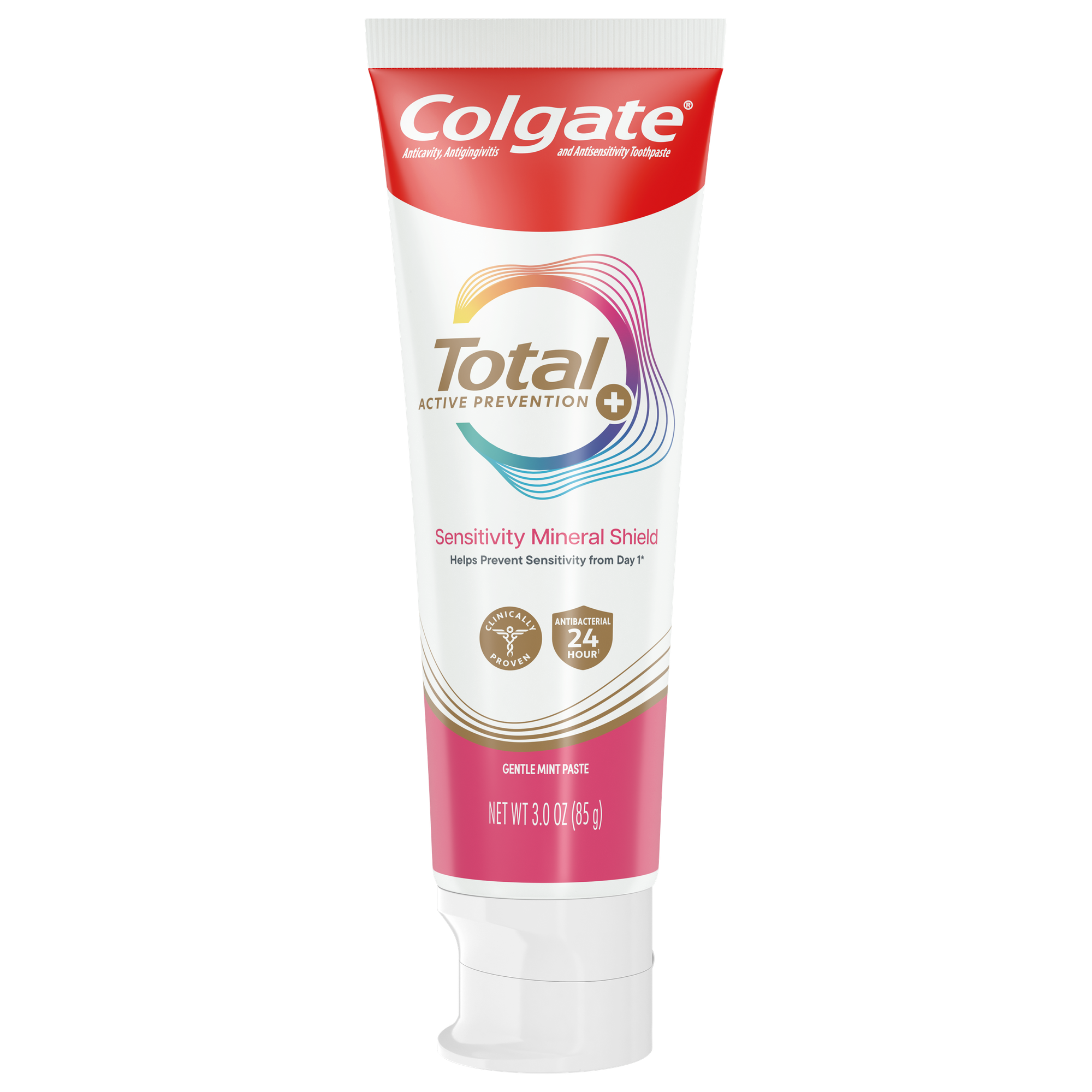
Help prevent sensitivity from day 1* with Colgate Total Active Prevention Sensitivity Mineral Shield Mint Toothpaste.
*with twice daily use
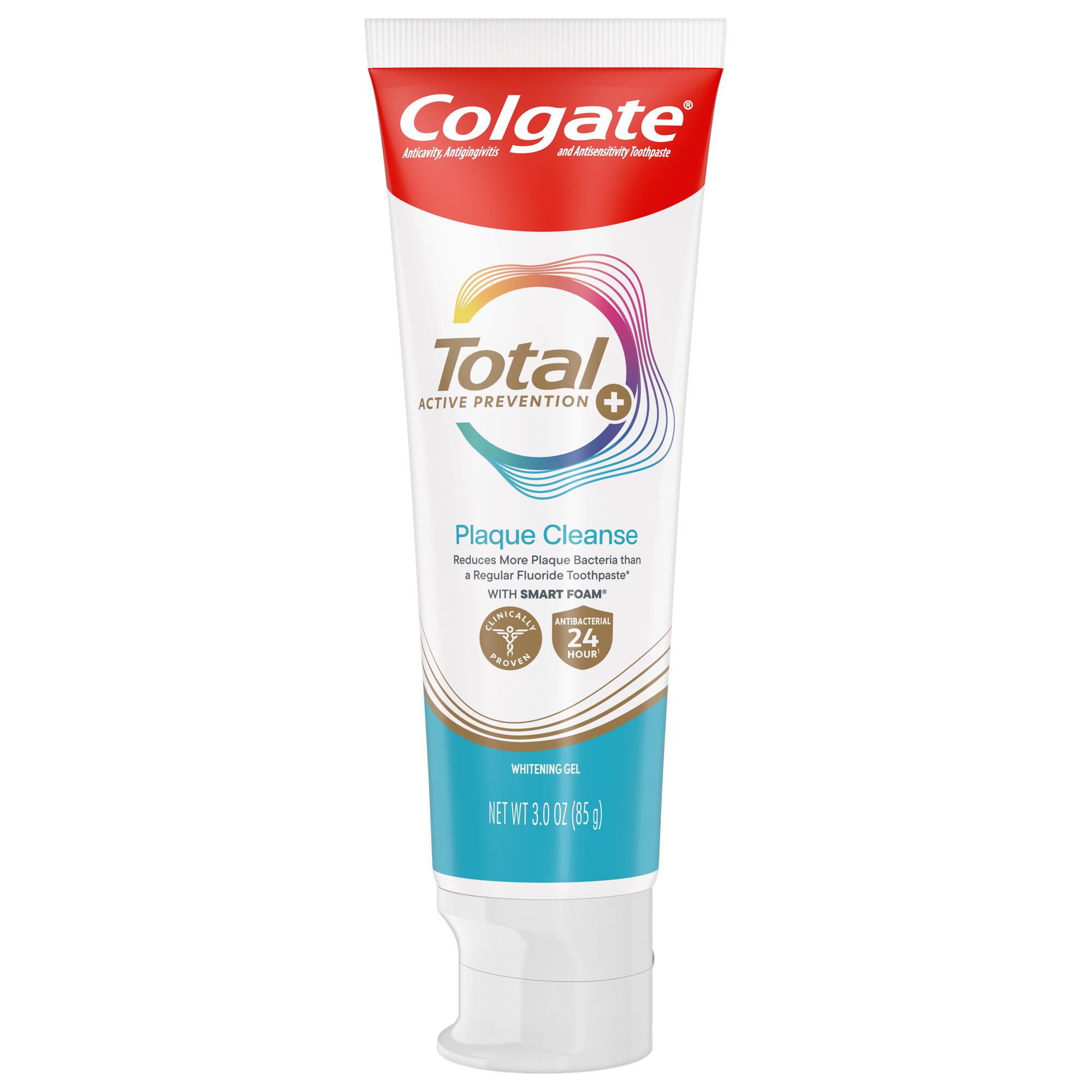
Help promote healthy gums using Colgate Total Active Prevention Plaque Cleanse Whitening Toothpaste Gel. This patented tartar prevention toothpaste fights the root cause* of gingivitis, plaque, tartar, cavities, sensitivity, bad breath, weak enamel, and stains and is 2x more effective*** at fighting bacteria, the root cause of oral health problems like cavities and gingivitis.
*via protection against bacteria and dietary exposures, with daily brushing
***via reduction of bacteria vs. non-antibacterial fluoride toothpaste with 2x daily brushing and 4 weeks use
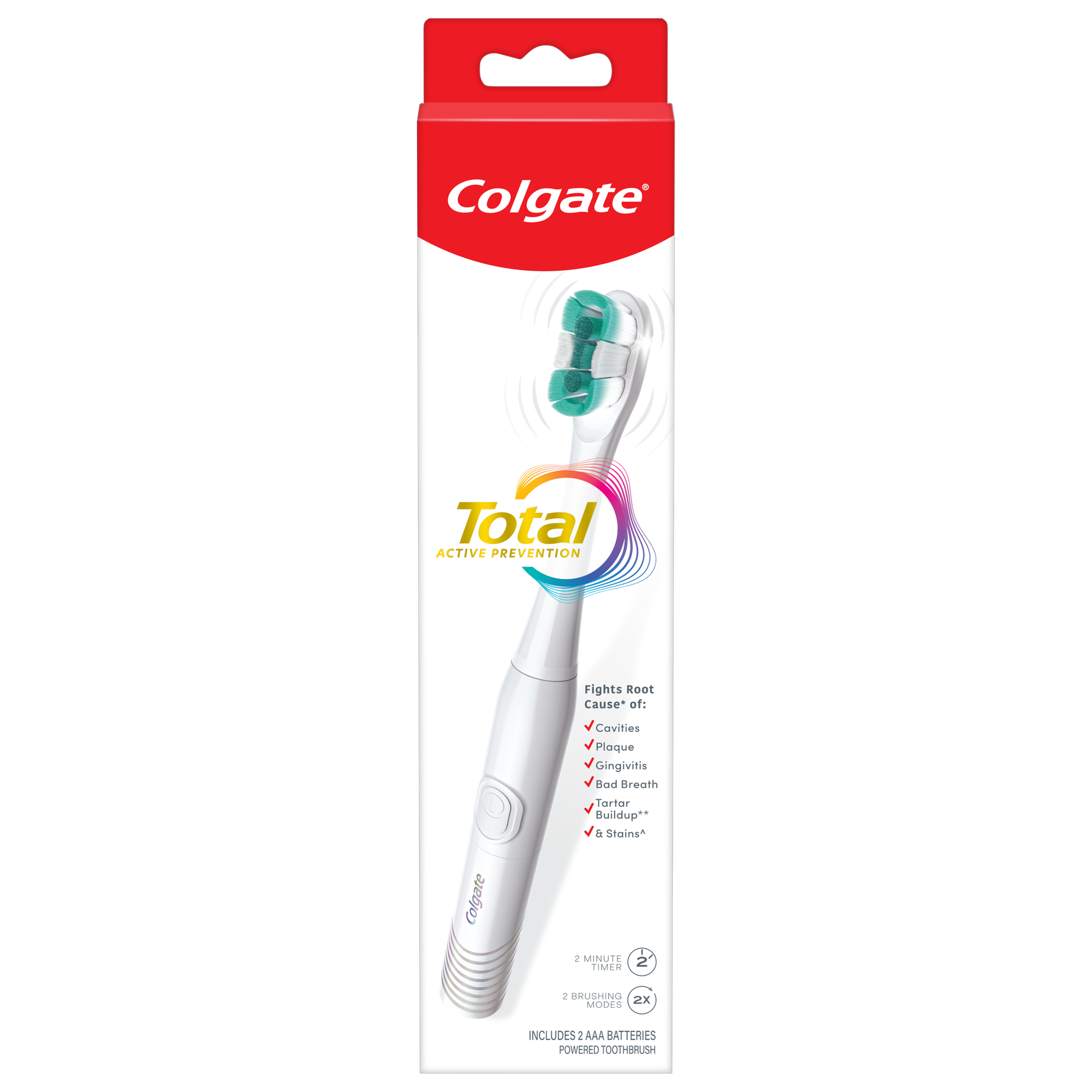
Colgate Total Active Prevention Battery Powered Electric Toothbrush, WhitePower away plaque with Colgate Total Battery Powered Toothbrush.
Colgate Total Fresh Mint Toothpaste fights bacteria, the root cause of many oral health issues such as gingivitis, tartar, sensitivity, weak enamel, bad breath, and cavities.


About Cookies on This Site

