FLUORIDE
Discover what is Stannous Fluoride Toothpaste and its importance to prevent cavities and other oral health problems.
TEETH WHITENING
If you lose one or more of your front teeth due to injury or decay, you may feel ...
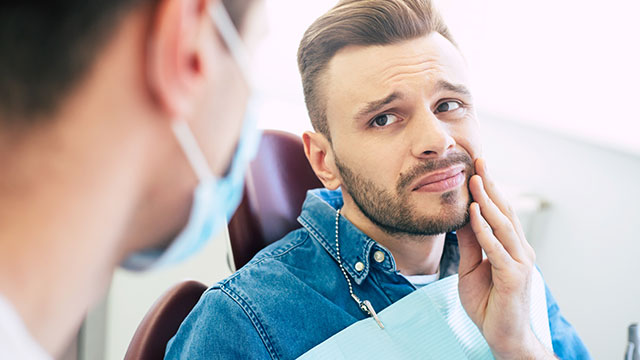
One billion people across the globe – that's how many people suffer from migraines, according to the Migraine Research Foundation. And while a migraine isn't a specific oral disease, migraines appear to be related to tooth pain and certain conditions causing oral or facial pain.
Learn what exactly a migraine is and what conditions might be related to the disorder. And find out who you should talk to if you start experiencing pain above your neck.
The Migraine Research Foundation emphasizes that a migraine is more than a powerful headache – it's a debilitating neurological disorder. In fact, a headache is only a symptom of a migraine, which can result in acute pain throbbing on either or both sides of your head. Some people, though, don't get a headache but only experience migraine's other symptoms.
Chronic migraine sufferers can:
Many factors can trigger a migraine, including lifestyle and environmental factors, weather, hormones, and medications.
Orofacial refers to your head (face, jaw, etc.), neck, and oral cavity (teeth, gums, etc.). The following orofacial conditions share certain migraine triggers, such as stress. Plus, the American Migraine Association notes that certain orofacial conditions can intensify migraines, and you might mistake migraine pain for dental pain.
TMJ, or temporomandibular joint disorder, results when the modified ball and socket joint connecting your upper and lower jaw doesn't function correctly. The joint's main purpose is to move the lower jaw in three directions: forward, backward and side-to-side. TMJ can feel as though your jaw clicks and pops or as if it becomes momentarily stuck.
TMJ symptoms include:
Your dentist can diagnose TMJ for certain and offer you solutions for jaw pain. Reducing symptoms related to muscle tension can alleviate the accompanying headache you might have.
Other ways to relieve or cope with TMJ pain include avoiding excess chewing (such as chewing gum), making time for regular exercise, and massaging your jaw.
You might experience bruxism, the act of grinding or clenching your teeth, only while asleep or perhaps throughout the day. Bruxism can be caused by stress, misaligned teeth, or nerve and muscle diseases in the face.
Bruxism symptoms can include:
If you display any symptoms, seek out your dentist for a proper diagnosis. Your dentist can solve dental-related bruxism by fixing your alignment or fitting you for an anti-grinding mouthguard.
Stress-related bruxism can be treated with professional counseling, relaxation techniques, or prescription medication. The Mayo Clinic notes that children tend to outgrow teeth grinding. If not, behavior changes, biofeedback (a technique that monitors muscle activity), and even Botox injections are other treatment options to consider.
If the pain and stress of a toothache are severe enough, migraines might result. Also, as we noted earlier, migraines might cause dental pain. This is due to a nerve injury related to both conditions.
If the cause of head pain stems from a cavity or gum issue, a dentist can help. However, if the dentist finds no tooth decay or gum disease, they can refer you to a neurologist to determine if you have migraines.
Tooth pain, jaw pain, headaches, or any facial pain might occur in conjunction with a migraine. Whatever is causing the pain, we don't want you to just live with it. Talk to your dentist first to see if it's an oral problem. Your dental professional can either treat the pain or recommend a medical consultation. We want whatever is best for you to feel better and for you to smile more.
Oral Care Center articles are reviewed by an oral health medical professional. This information is for educational purposes only. This content is not intended to be a substitute for professional medical advice, diagnosis or treatment. Always seek the advice of your dentist, physician or other qualified healthcare provider.
Adult Oral Care
How Daily Habits Affect Your Smile’s BrightnessDiscover why teeth stain and how to prevent discoloration with expert advice from dental professionals. Learn about the roles of diet, hygiene, and whitening technology.
Adult Oral Care
Common Causes of Dry MouthBy: Ann Eshenaur Spolarich, RDH, PhD, FSCDH
Adult Oral Care
Causes Of Brown Spots On TeethBrown spots on teeth may worry you, but there's plenty you can do to fix them. Your dentist can offer a solution based on the following causes.
Adult Oral Care
4 Tooth Pain Home RemediesIf you've ever had a toothache, you know tooth pain isn't fun. If you're unable to receive dental attention right away, try some tooth pain home remedies.
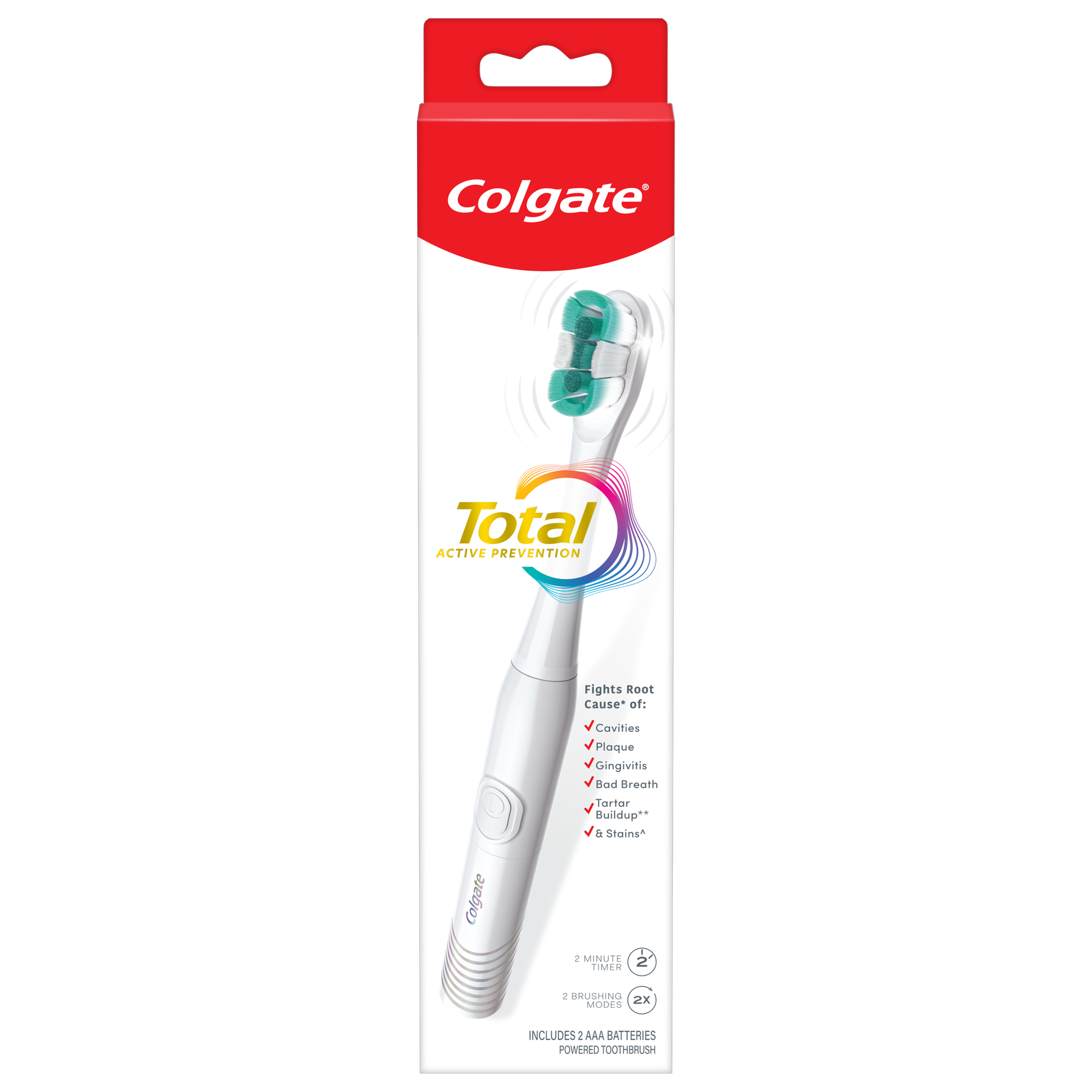
Power away plaque with Colgate Total Battery Powered Toothbrush. This battery operated toothbrush for adults fights the root cause* of cavities, plaque, gingivitis, bad breath, tartar buildup**, and stains***. Plus, this battery toothbrush has a built in 2 minute timer and features two cleaning modes, Sensitive and Regular, to cater to your unique oral care needs.
Colgate Total Alcohol Free* Gum Health Mouthwash delivers 24-hour protection** against bacteria and also helps prevent gum problems
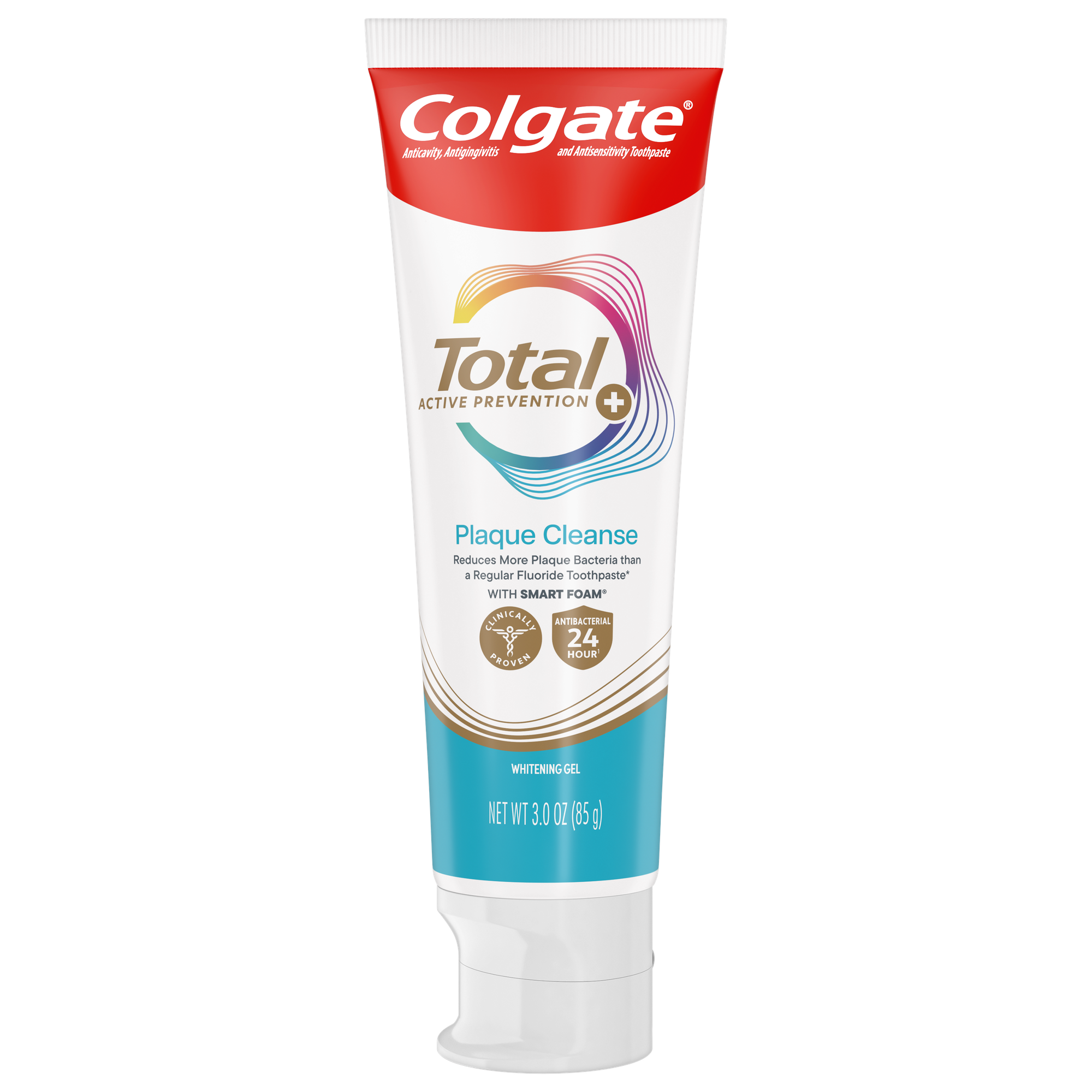
Colgate Total Plaque Pro Release Fresh Mint Toothpaste dissolves and lifts away gum harming plaque with daily brushing.
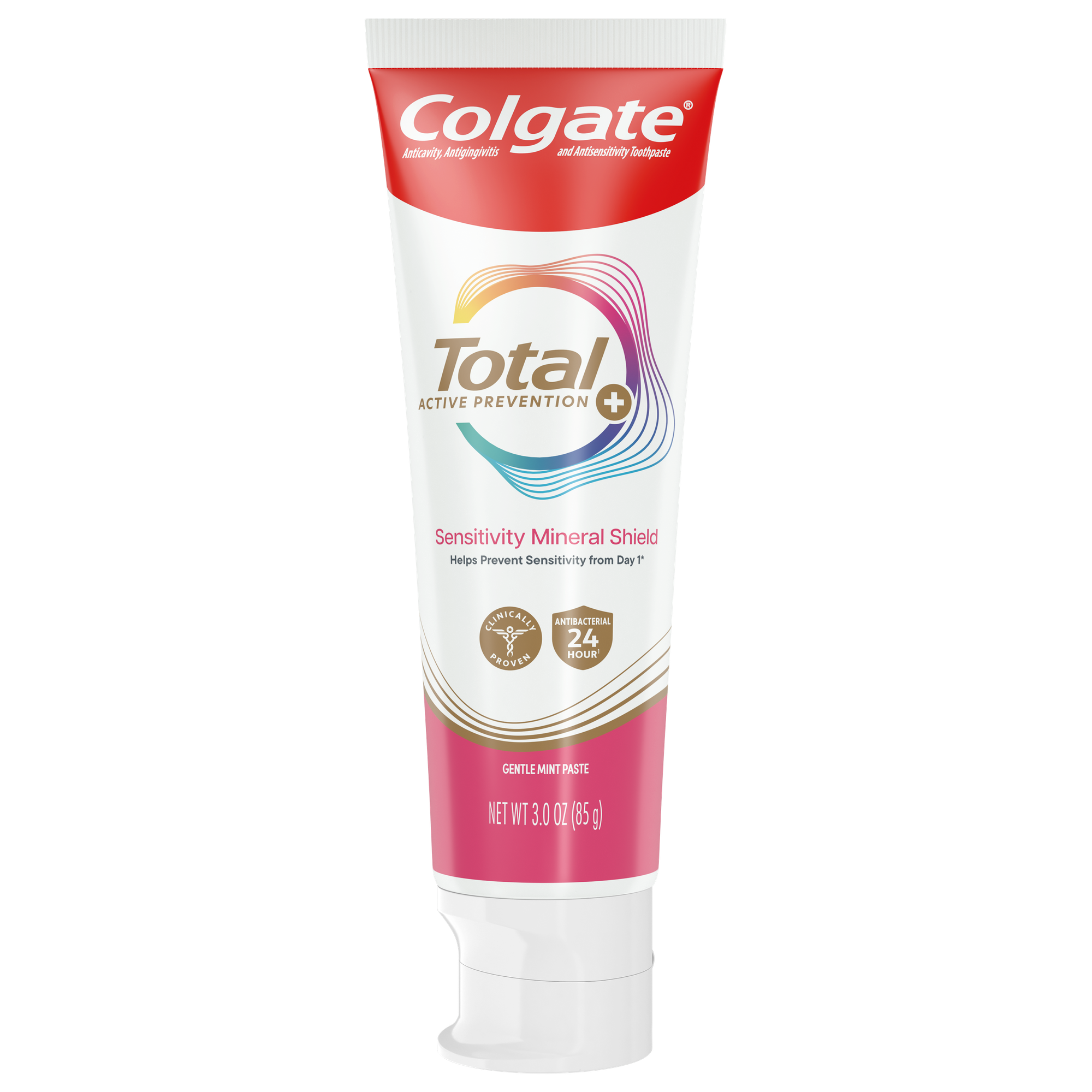
Help prevent sensitivity from day 1* with Colgate Total Active Prevention Sensitivity Mineral Shield Mint Toothpaste. This Colgate Total Sensitivity Toothpaste with Fluoride is a patented antisensitivity toothpaste that fights the root cause** of gingivitis, plaque, tartar, cavities, sensitivity, bad breath, weak enamel, and stains. Colgate Total Sensitivity Mineral Shield Toothpaste helps prevent tooth sensitivity by creating a mineral shield around sensitive spots on your teeth.
*with twice daily use
**via protection against bacteria and dietary exposures, with daily brushing
More professionals across the world trust Colgate. Find resources, products, and information to give your patients a healthier future