Common Causes of Dry Mouth
min read
By: Ann Eshenaur Spolarich, RDH, PhD, FSCDH

By: Ann Eshenaur Spolarich, RDH, PhD, FSCDH

Here are the most common causes of dry mouth and why they happen:
Hundreds of medications list dry mouth as a side effect.3 The most common "offenders" include:
Conditions of Aging: Treatments for hypertension, overactive bladder, Parkinson’s, and Alzheimer’s disease.
Everyday Prescriptions: Antidepressants, anti-anxiety meds, muscle relaxants, and pain medications.
Over-the-Counter: Antihistamines for allergies and cold medications containing decongestants.
Caffeine, alcohol, and nicotine act as diuretics, increasing urine production and leading to systemic water loss. This dehydration leaves the body without the necessary water to produce saliva.4,5 Additionally, stimulants - including nicotine, caffeine, - directly restrict blood flow to the salivary glands, further reducing output.
The body’s natural response to dehydration is increased thirst. Because proper fluid intake is critical for oral and systemic health, older adults in particular may require consistent encouragement or reminders to stay hydrated.4,5
Treatments like radiotherapy (especially for the head and neck), chemotherapy, and immunotherapy can damage salivary glands.
The Result: Saliva may feel sticky, stringy, or disappear entirely.
The Long-term View: These changes are often permanent and can significantly impact daily comfort.6
Certain conditions don't just affect the body; they target your mouth:
Sjögren’s Syndrome: An autoimmune disease where the body’s immune cells attack and destroy salivary gland tissue, often causing swelling.4,5
Nerve Damage: Injuries to the face/neck or a stroke can disrupt the signals that tell your mouth to produce saliva.
A lack of saliva (or a change in its chemistry) is a potential health risk. Without proper lubrication, you face higher risks for:
Oral Disease: Increased cavities, gum disease, and infections.4,5
Nutritional Risks: Saliva breaks down food; without it, you face a higher risk of choking or malnutrition due to difficulty swallowing.4,5
Daily Discomfort: Speaking, eating, and wearing dentures can become painful or difficult.8
The Takeaway: If dry mouth is a new symptom for you, it’s time for a professional evaluation. A dentist can help identify the cause and create a plan to protect your teeth and your nutrition.
Barbe AG. Medication-Induced Xerostomia and Hyposalivation in the Elderly: Culprits, Complications, and Management. Drugs Aging. 2018 Oct;35(10):877-885.
Xu F, Laguna L, Sarkar A. Aging-related changes in quantity and quality of saliva: Where do we stand in our understanding? J Texture Stud. 2019 Feb;50(1):27-35.
Tan ECK, Lexomboon D, Sandborgh-Englund G, Haasum Y, Johnell K. Medications That Cause Dry Mouth As an Adverse Effect in Older People: A Systematic Review and Metaanalysis. J Am Geriatr Soc. 2018 Jan;66(1):76-84.
Hayslett RL, Marshall LL. Management of Dry Mouth. Sr Care Pharm. 2025 Feb 1;40(2):55-63.
Tanasiewicz M, Hildebrandt T, Obersztyn I. Xerostomia of Various Etiologies: A Review of the Literature. Adv Clin Exp Med. 2016 Jan-Feb;25(1):199-206.
Yuwanati M, Gondivkar S, Sarode SC, Gadbail A, Desai A, Mhaske S, Pathak SK, N Khatib M. Oral health-related quality of life in oral cancer patients: systematic review and meta-analysis. Future Oncol. 2021 Mar;17(8):979-990.
Skálová A, Hyrcza MD, Leivo I. Update from the 5th Edition of the World Health Organization Classification of Head and Neck Tumors: Salivary Glands. Head Neck Pathol. 2022 Mar;16(1):40-53.
Mhatre S, Srichand R, Sethumadhavan J, Mishra PB, Patil SD, Chavan RS, Joshi M, Shetty U. Dry Mouth Dilemma: A Comprehensive Review of Xerostomia in Complete Denture Wearers. Cureus. 2024 Apr 18;16(4):e58564. doi: 10.7759/cureus.58564.
Oral Care Center articles are reviewed by an oral health medical professional. This information is for educational purposes only. This content is not intended to be a substitute for professional medical advice, diagnosis or treatment. Always seek the advice of your dentist, physician or other qualified healthcare provider.
ORAL HEALTH QUIZ
Take our Oral Health assessment to get the most from your oral care routine
ORAL HEALTH QUIZ
Take our Oral Health assessment to get the most from your oral care routine
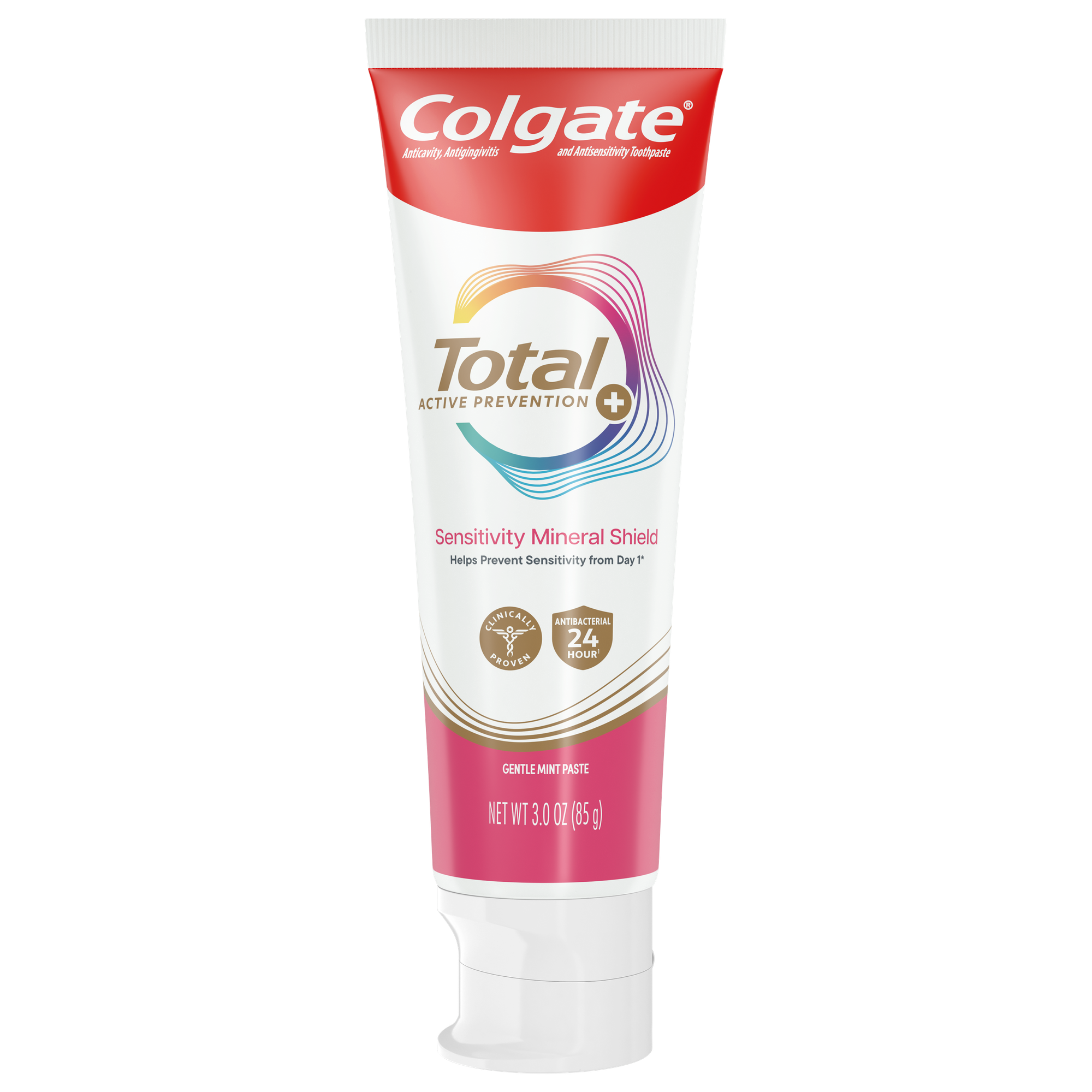
Help prevent sensitivity from day 1* with Colgate Total Active Prevention Sensitivity Mineral Shield Mint Toothpaste.
*with twice daily use
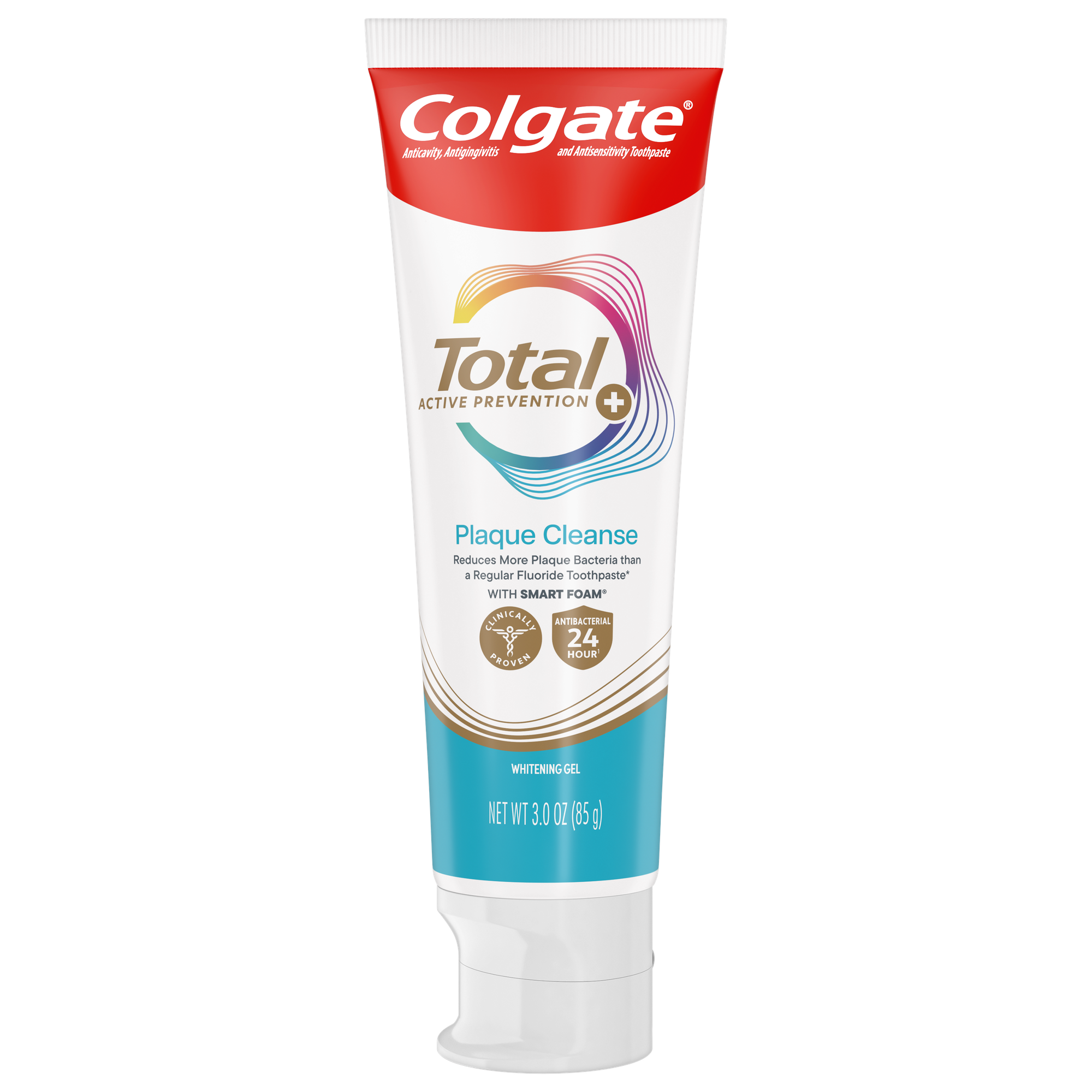
Help promote healthy gums using Colgate Total Active Prevention Plaque Cleanse Whitening Toothpaste Gel. This patented tartar prevention toothpaste fights the root cause* of gingivitis, plaque, tartar, cavities, sensitivity, bad breath, weak enamel, and stains and is 2x more effective*** at fighting bacteria, the root cause of oral health problems like cavities and gingivitis.
*via protection against bacteria and dietary exposures, with daily brushing
***via reduction of bacteria vs. non-antibacterial fluoride toothpaste with 2x daily brushing and 4 weeks use
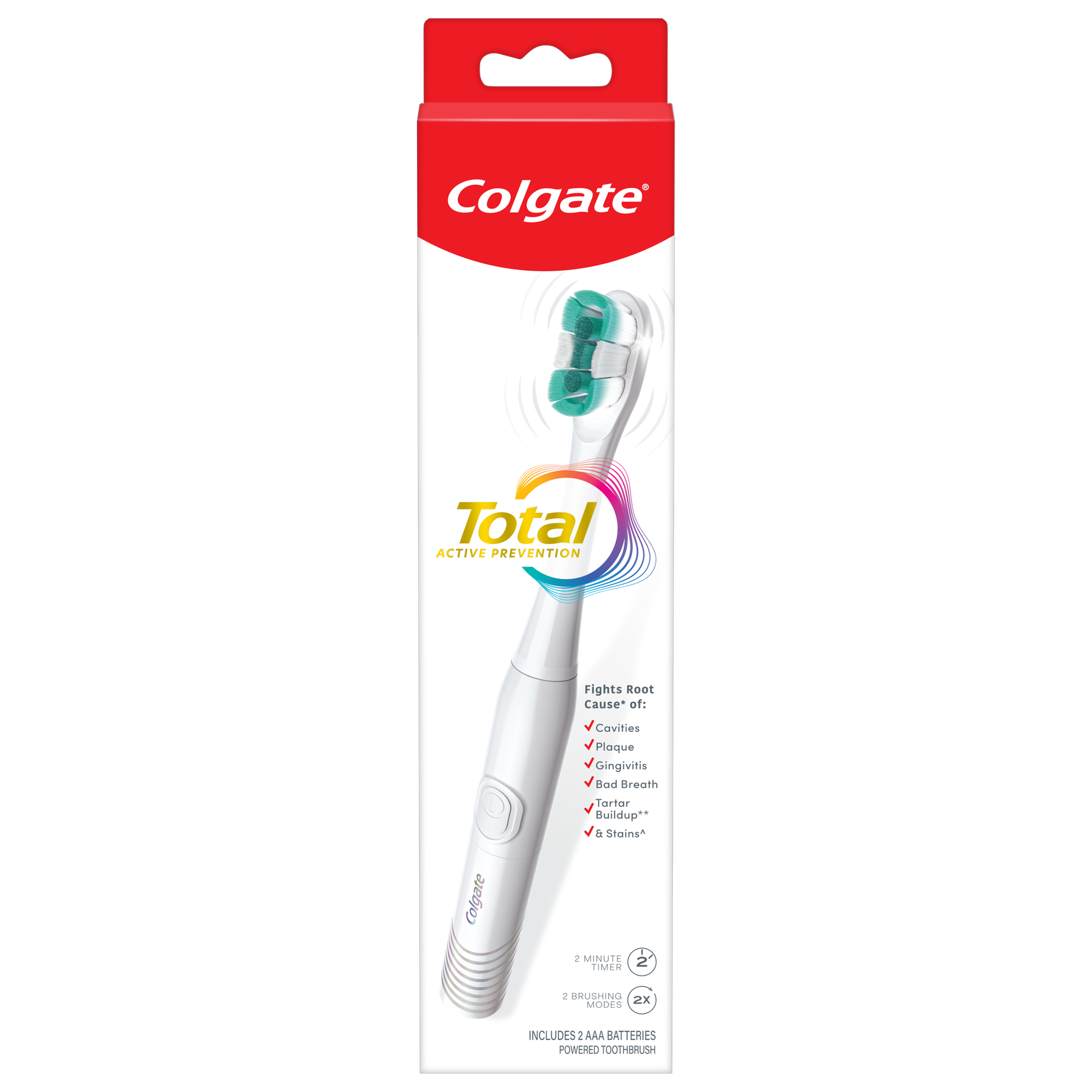
Colgate Total Active Prevention Battery Powered Electric Toothbrush, WhitePower away plaque with Colgate Total Battery Powered Toothbrush.
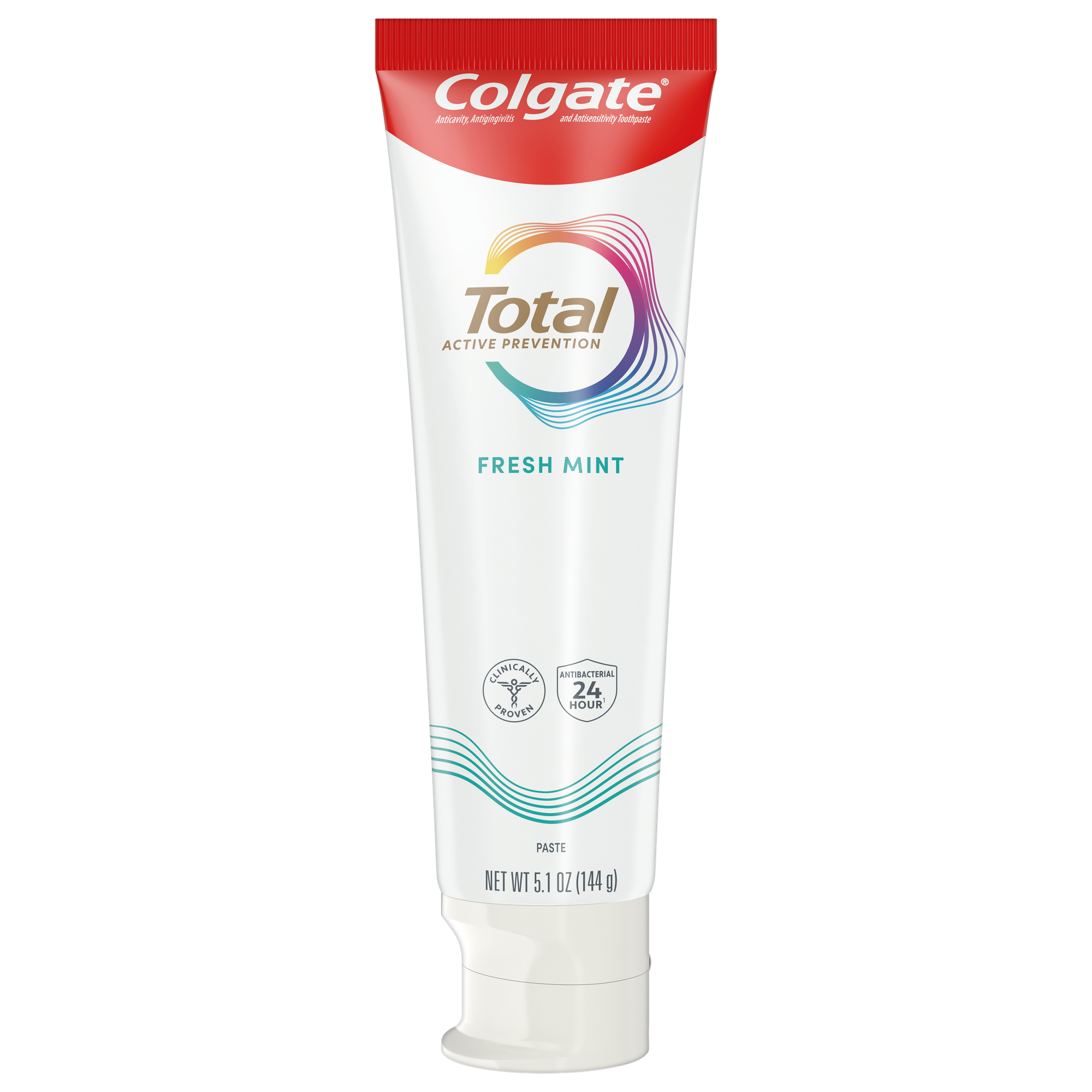
Colgate Total Fresh Mint Toothpaste fights bacteria, the root cause of many oral health issues such as gingivitis, tartar, sensitivity, weak enamel, bad breath, and cavities.

