What Is Tooth Resorption?
3
min read


Resorption specifically refers to the inflammation and loss of the tooth's dentin (inner tissue under the enamel) or cementum (outer material covering the tooth's roots). Let's dive into the two main types of resorption and their possible treatments.
A dental professional will diagnose internal resorption when the dentin or cementum becomes absorbed into the tooth canal, causing the tooth's inner and outer surfaces to become inflamed. When a tooth is injured, its tissue becomes inflamed and absorbed into the tooth root. This process eventually results in a hollow tooth, which becomes weak and susceptible to damage and decay. Types of injuries to the tooth can cause internal resorption; these include trauma, exposure to heat or chemicals, or bacterial invasion of the pulp.
A reddish tinge to the tooth is the first sign of internal resorption. A dental professional can then order dental images or X-rays of the hollow teeth to find dental lesions in the area affected.
External resorption is similar to internal resorption and can sometimes be challenging to diagnose as a separate issue and can even occur concurrently with internal resorption. Trauma to the teeth usually causes external resorption. Rapid orthodontic movement of the teeth (such as braces) or an infection of the gum space in and around the teeth are other causes. When the outside root or crown of a tooth is damaged, it can lead to tooth loss, infection, shifting teeth, and other mouth and jaw problems.
It's essential to seek help from a dental professional as soon as you experience an injury or notice resorption signs. Early detection is critical for recovery. Treatment methods for tooth resorption depend on the particulars of each case. Your dental professional might decide to perform a root canal treatment to fill and seal the tooth. If there is too much tooth resorption, they may even extract the tooth. Or in the early stages of resorption, while the affected area is small, a dental surgeon might expose the damaged area through minor gum surgery and remove the cells that caused the damage.
Like most dental issues, a great preventative measure is to consistently brush and floss your teeth while regularly visiting a dental professional for professional cleanings and checkups. Resorption can still occur even if you take good care of your teeth, especially from unexpected trauma or infection. If you play sports, a great way to prevent injury is to wear a mouthguard. And as always, if you do injure your teeth or notice any signs of infection, see a dental professional immediately.
Oral Care Center articles are reviewed by an oral health medical professional. This information is for educational purposes only. This content is not intended to be a substitute for professional medical advice, diagnosis or treatment. Always seek the advice of your dentist, physician or other qualified healthcare provider.
ORAL HEALTH QUIZ
Take our Oral Health assessment to get the most from your oral care routine

Those who have psoriasis, and experience flareups that affect the mouth or tongue, should consult with a dermatologist or dentist to determine the best way to manage their symptoms.
What is tooth resorption and how can your dentist diagnose and treat it? Learn more here.

Most body parts can be affected by these diseases, and while treatments exist, there are no cures. Some of these diseases affect the oral cavity and have a negative effect on oral health.
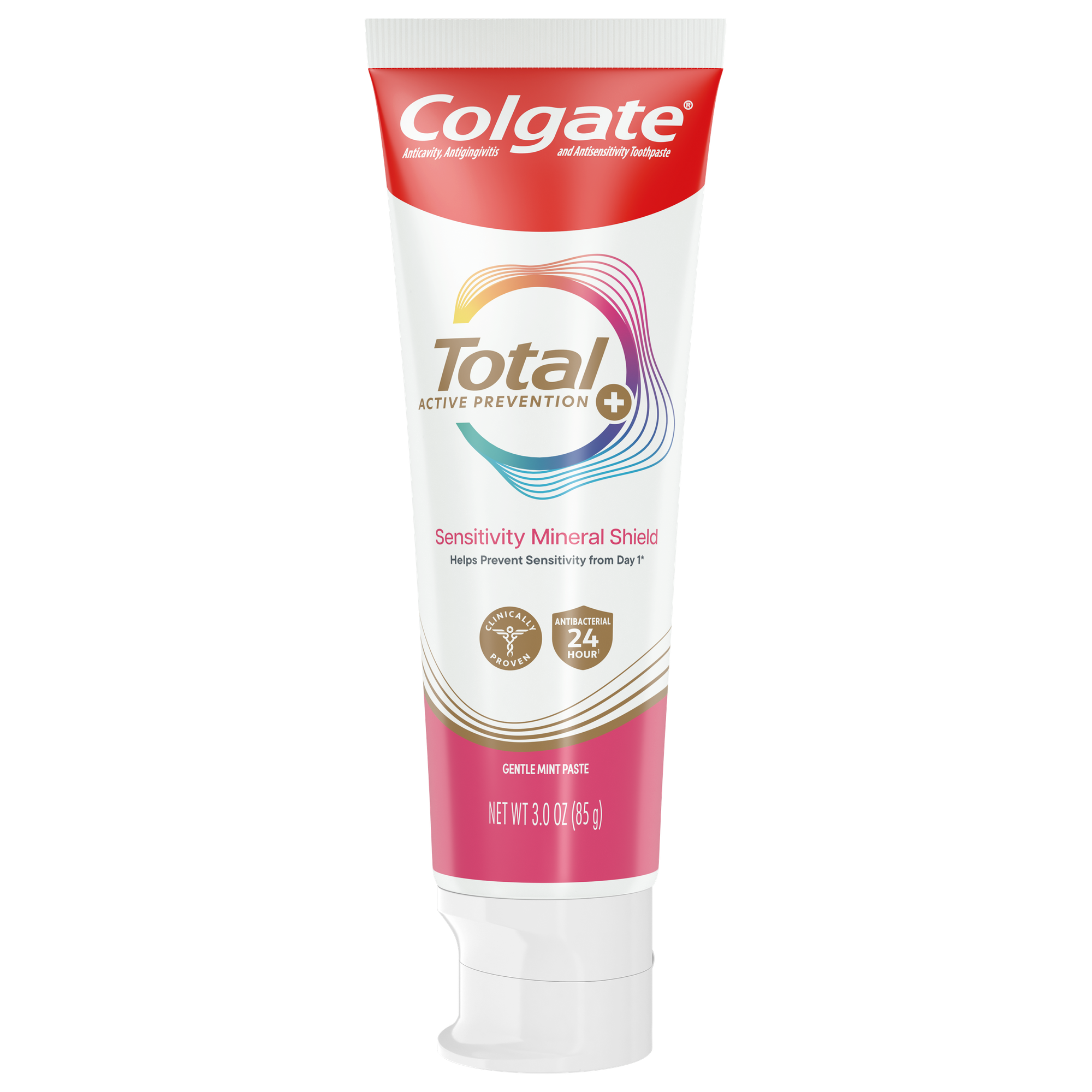
Help prevent sensitivity from day 1* with Colgate Total Active Prevention Sensitivity Mineral Shield Mint Toothpaste.
*with twice daily use
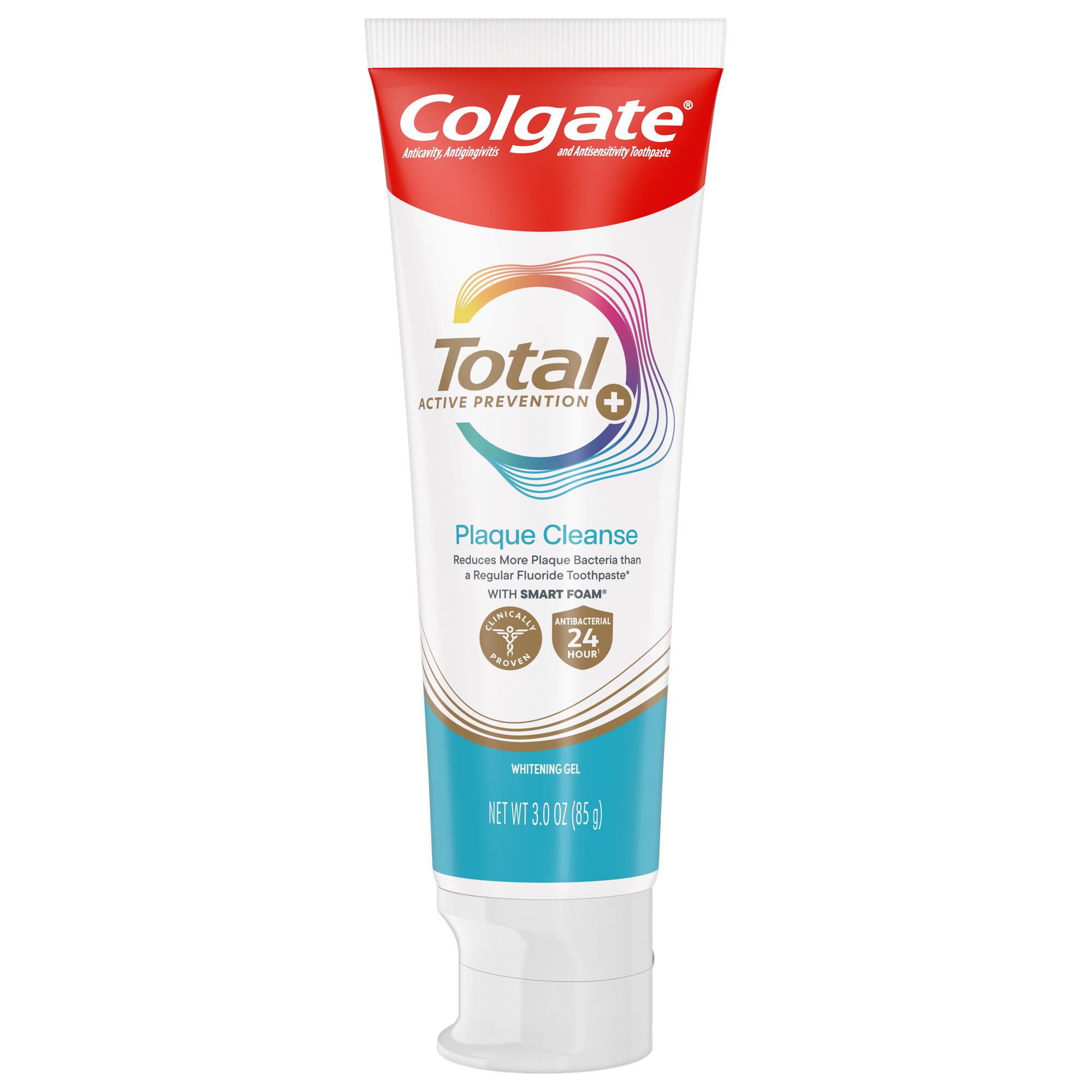
Help promote healthy gums using Colgate Total Active Prevention Plaque Cleanse Whitening Toothpaste Gel. This patented tartar prevention toothpaste fights the root cause* of gingivitis, plaque, tartar, cavities, sensitivity, bad breath, weak enamel, and stains and is 2x more effective*** at fighting bacteria, the root cause of oral health problems like cavities and gingivitis.
*via protection against bacteria and dietary exposures, with daily brushing
***via reduction of bacteria vs. non-antibacterial fluoride toothpaste with 2x daily brushing and 4 weeks use
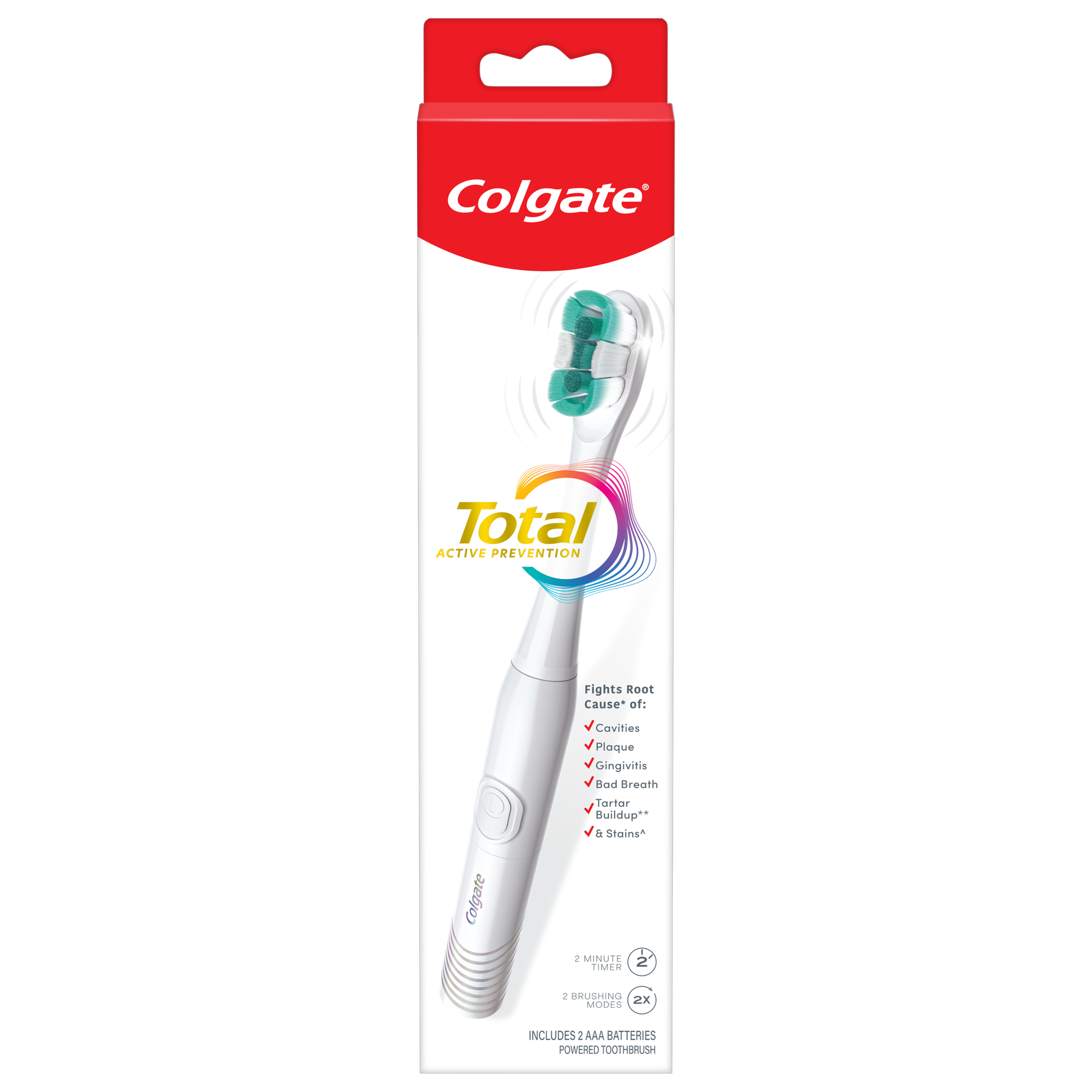
Colgate Total Active Prevention Battery Powered Electric Toothbrush, WhitePower away plaque with Colgate Total Battery Powered Toothbrush.
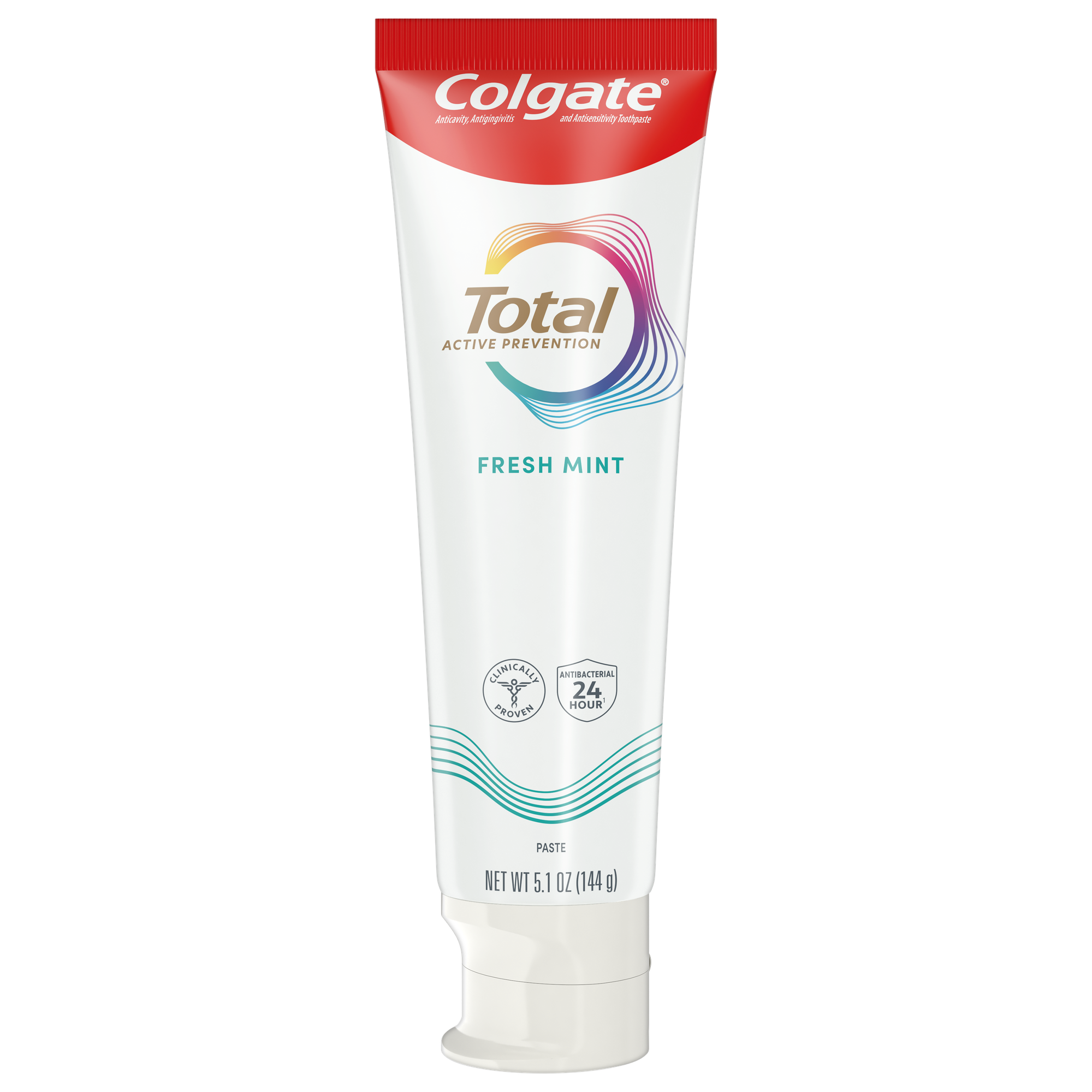
Colgate Total Fresh Mint Toothpaste fights bacteria, the root cause of many oral health issues such as gingivitis, tartar, sensitivity, weak enamel, bad breath, and cavities.


About Cookies on This Site

