6 Answers to Your Questions about How Dental Insurance Works
3
min read


A: Not exactly. A general health insurance plan may include some dental benefits, but not all do. It's important to check the fine print for this aspect of coverage when choosing a healthcare plan. If you're already covered, you can call your provider for a detailed rundown. And if you're covered through work, your human resources department can help answer any questions, too. Whatever your coverage, whether you're not covered at all, covered by an individual plan or covered through your employer, we have some additional information about affordable dental care, as well.
A: Definitely not. Just as health insurance plans in general vary widely, dental coverage also takes many forms. If you are in the process of shopping for a plan, you might want to find out more about the three main types: Health maintenance organization, preferred provider organization, and indemnity plans.
A: This happens! It's not uncommon for people to be covered by two or more dental plans at the same time. When this happens, you have a primary plan, a secondary plan, and to determine which plan pays out when, companies follow a process called coordination of benefits (COB).
A: It can happen when two spouses are each subscribed to their employer-provided dental healthcare plans but both plans also cover their spouse, when dependents are covered by both parents' dental plans, or if someone has coverage from government programs such as TRICARE (for active military) or Medicaid (which usually only includes coverage for children).
A: The plan that pays first is considered the primary plan. This is determined by COB, which is usually dictated by state and government regulations. Generally, the primary plan is the one in which the patient is the main policyholder. The secondary plan is the plan that the patient is covered as a dependent.
A: After the primary plan processes and pays a claim, the secondary plan will process the claim to see if they cover any of the remaining balance. Combined, the benefits should not exceed 100% of the total charges. In the case of children covered by both parents' plans, the primary and secondary details will be sorted according to state laws or, if applicable, any custody agreements that are in place.
Oral Care Center articles are reviewed by an oral health medical professional. This information is for educational purposes only. This content is not intended to be a substitute for professional medical advice, diagnosis or treatment. Always seek the advice of your dentist, physician or other qualified healthcare provider.
ORAL HEALTH QUIZ
Take our Oral Health assessment to get the most from your oral care routine

At each appointment, asking dental questions is an important part of your long-term healthcare. Here are 10 you should get the answers to.

With some types of dental work, your dentist might recommend a type of anesthetic like deep sedation. Learn all about deep sedation and what it's used for.

How often should you go to the dentist after a first appointment? Six months? A year? Ideally, you should take your child to the dentist every six months.

Learn more about oral care for adults, including how to properly brush and floss, adult toothbrushes, and much more, from the Colgate Oral Care Center.
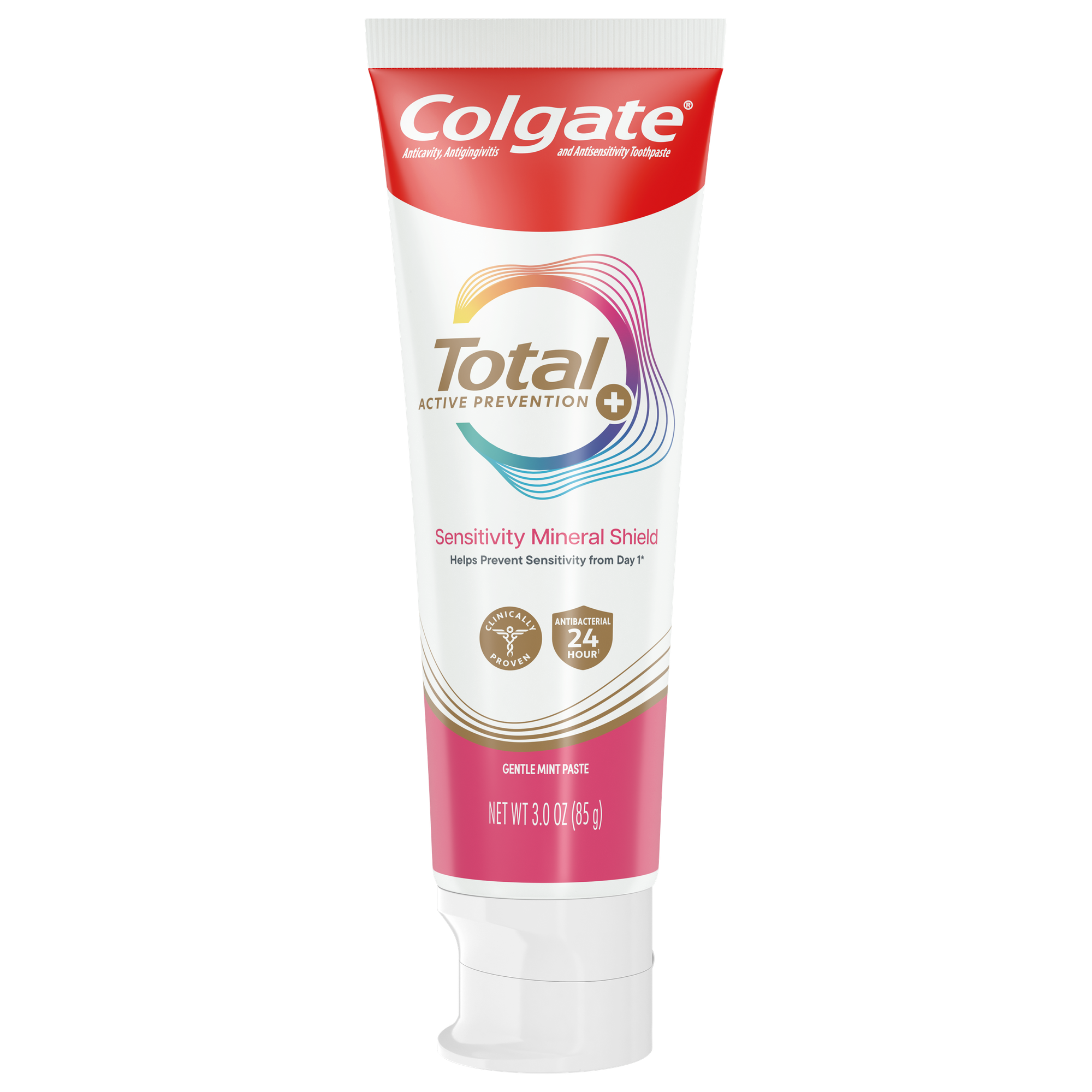
Help prevent sensitivity from day 1* with Colgate Total Active Prevention Sensitivity Mineral Shield Mint Toothpaste.
*with twice daily use
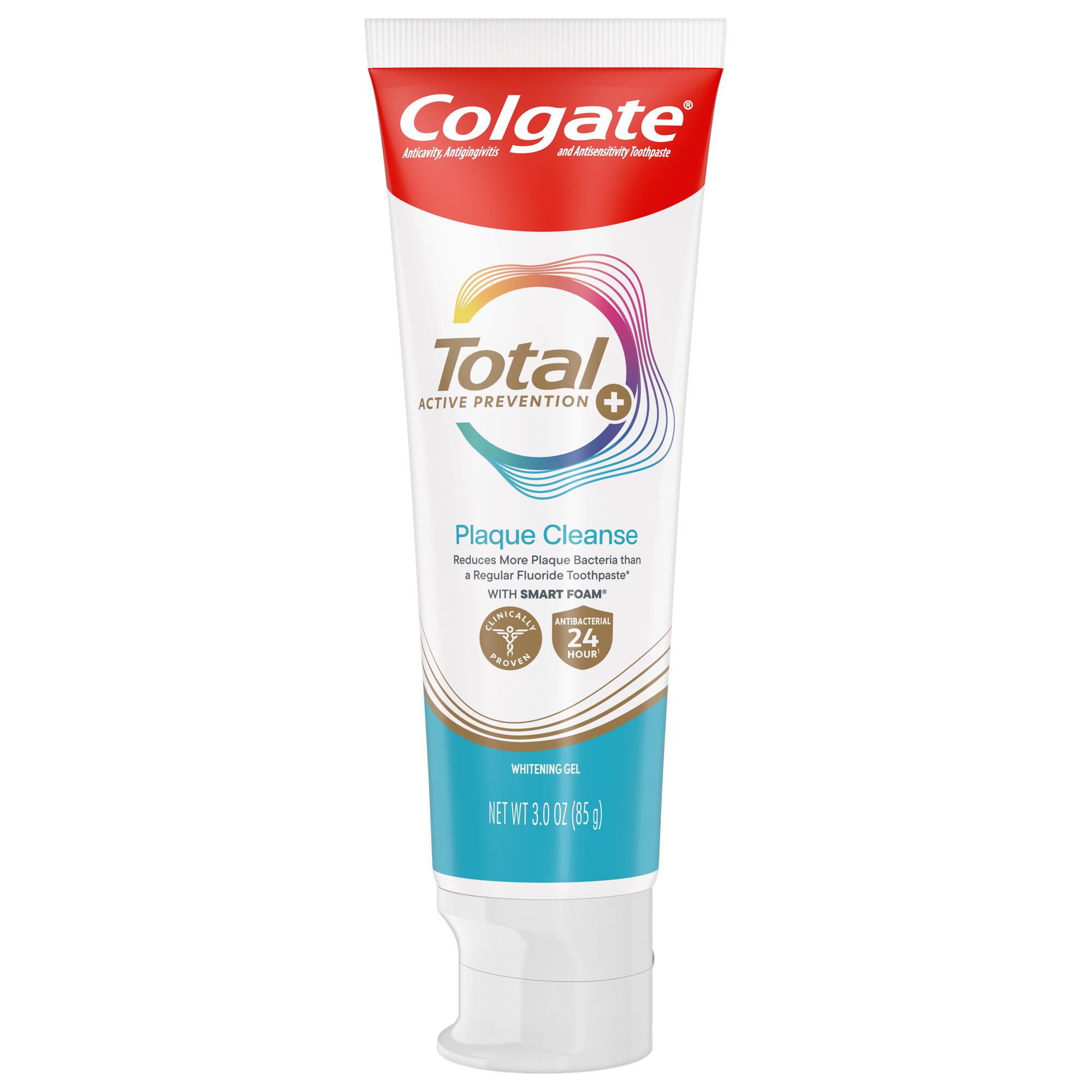
Help promote healthy gums using Colgate Total Active Prevention Plaque Cleanse Whitening Toothpaste Gel. This patented tartar prevention toothpaste fights the root cause* of gingivitis, plaque, tartar, cavities, sensitivity, bad breath, weak enamel, and stains and is 2x more effective*** at fighting bacteria, the root cause of oral health problems like cavities and gingivitis.
*via protection against bacteria and dietary exposures, with daily brushing
***via reduction of bacteria vs. non-antibacterial fluoride toothpaste with 2x daily brushing and 4 weeks use
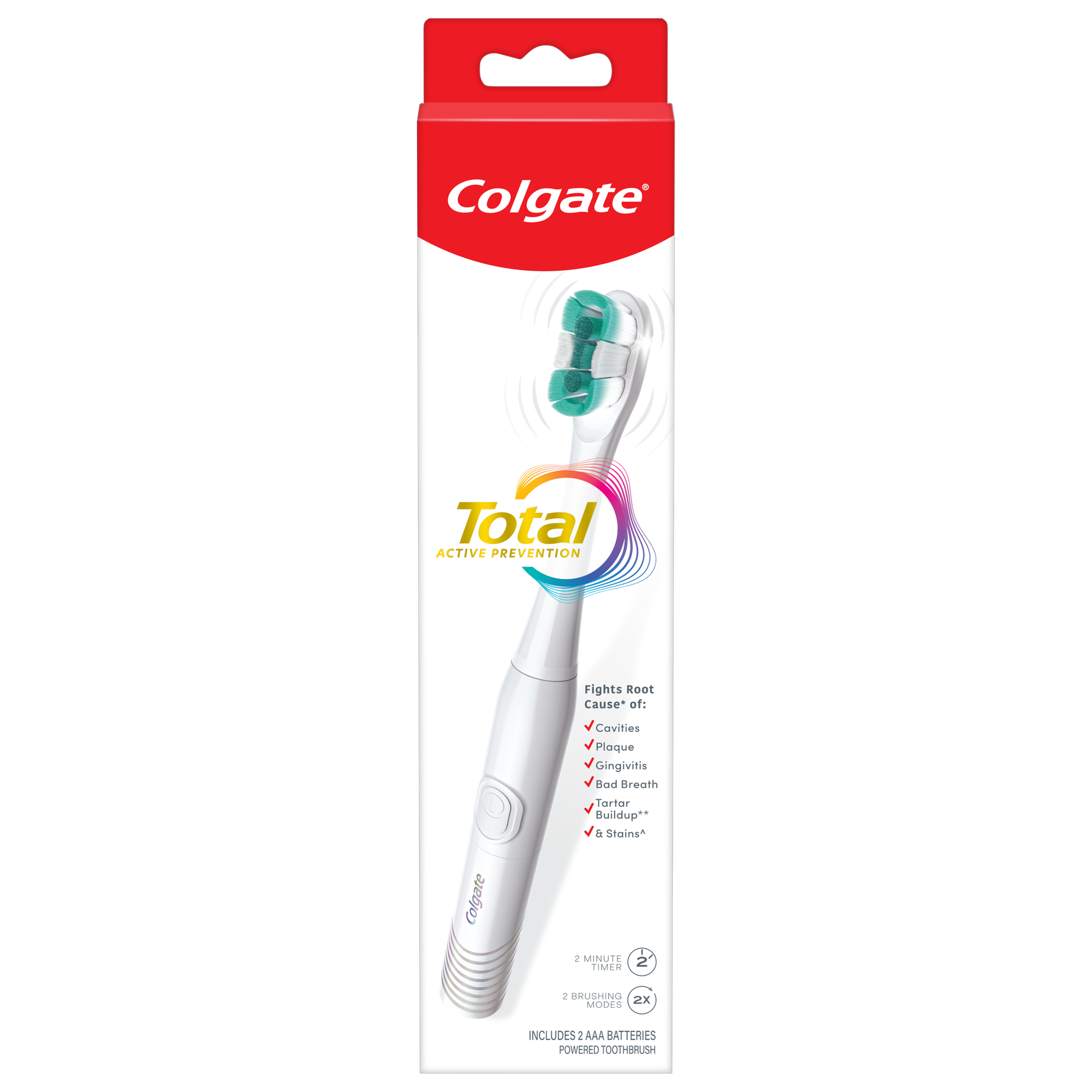
Colgate Total Active Prevention Battery Powered Electric Toothbrush, WhitePower away plaque with Colgate Total Battery Powered Toothbrush.
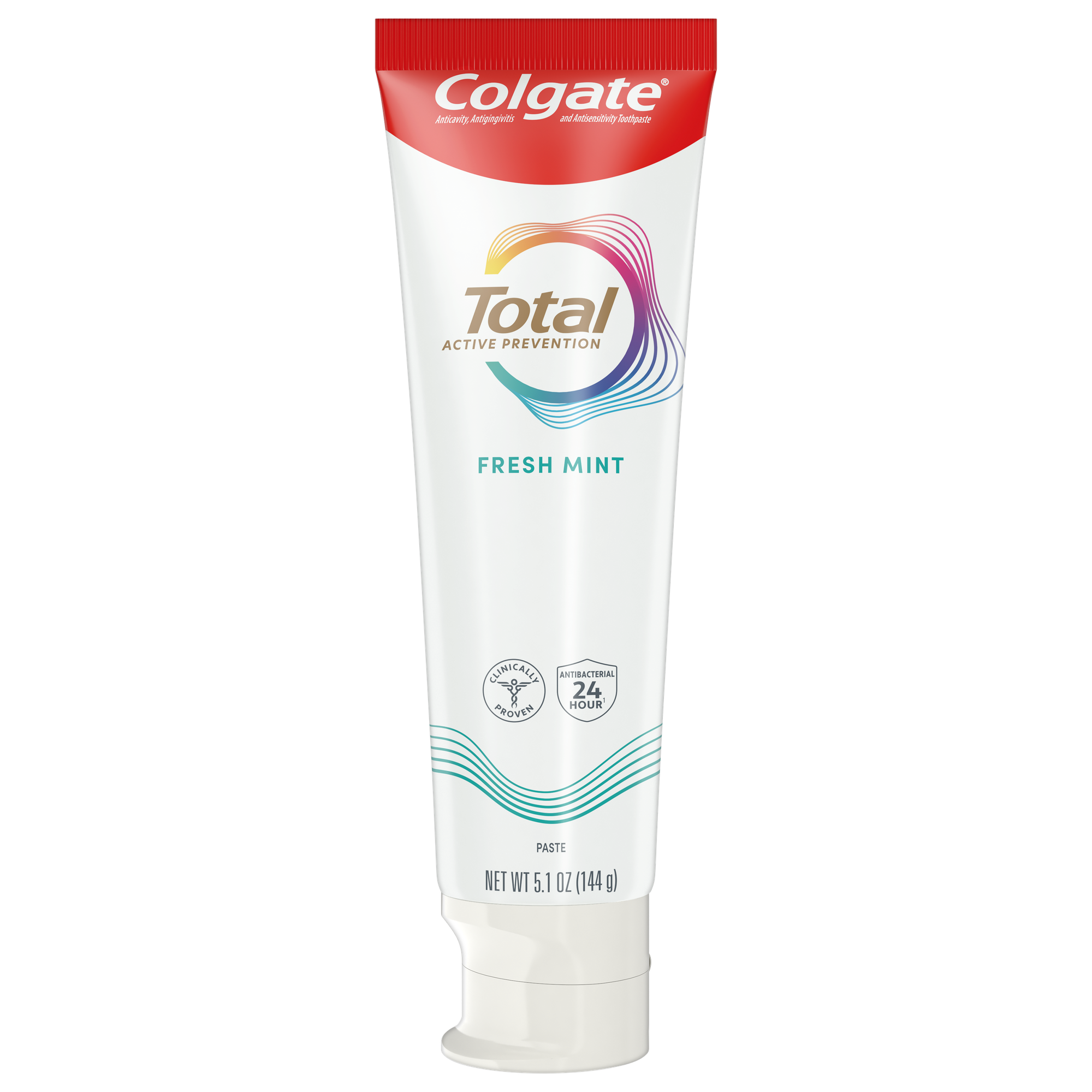
Colgate Total Fresh Mint Toothpaste fights bacteria, the root cause of many oral health issues such as gingivitis, tartar, sensitivity, weak enamel, bad breath, and cavities.


About Cookies on This Site

