What's Included in Dental Records and How Can You Access Yours?
January 9, 2023.
3
min read


Dental records, also known as patient charts, are made up of the recorded information regarding your medical history, diagnostic information, clinical notes, patient-doctor communication, consent to treatment documents and treatment notes, as the American Dental Association (ADA) explains. They also include personal contact information, such as your name, address, phone number and employment information. A typical health history form you fill out at the dental office gathers information about specific health concerns, such as heart disease, drug use and pregnancy. This way, your dental team is informed if you have any health issues that could potentially impact your dental care. This document and others will need to be updated regularly to account for any health changes you experience.
The ADA notes that dental charts are legal documents owned by the dental office. However, there are instances where you may want direct access to your dental records. If you are changing dental providers, your old provider will need to transfer your record to your new dentist. Or, if you are having a medical procedure done, the medical doctor may require your dental information. According to the ADA, you can request your dental records in the case of allegations of malpractice or to help authorities identify a deceased person. You may also simply want a copy to make sure that you fully understand and have record of your dental care.
Because the dental office owns the record, you do not have the right to obtain your original file, as the ADA explains. However, you can request a copy. Depending on your state of residence, there are slight differences in how to request the record, what fees you might need to pay and how long the dental office has to release the copy to you.
For example, according to the Washington State Legislature, in the state of Washington, dentists must release the copied records within 15 business days of receiving a written request. In most cases, you must make a written request in order to obtain a copy of your patient chart. Some dental offices may have a request form or require you to sign for the file when you get it. To find out, call your dentist and ask what the request procedure entails. Even if you are no longer an active patient, your old dental office is required to retain your record for several years. Depending on the state, the retention time can vary. In Washington, dentists are required to hold records for six years after the last appointment.
Dental records are an important part of your medical history. You may find yourself needing a copy of your chart for personal or legal reasons. If and when you need a copy, make sure to contact your dental office and ask how the process works. The directions should be easy to follow, and your dental office team will be happy to help.
Oral Care Center articles are reviewed by an oral health medical professional. This information is for educational purposes only. This content is not intended to be a substitute for professional medical advice, diagnosis or treatment. Always seek the advice of your dentist, physician or other qualified healthcare provider.
ORAL HEALTH QUIZ
Take our Oral Health assessment to get the most from your oral care routine

At each appointment, asking dental questions is an important part of your long-term healthcare. Here are 10 you should get the answers to.

With some types of dental work, your dentist might recommend a type of anesthetic like deep sedation. Learn all about deep sedation and what it's used for.

How often should you go to the dentist after a first appointment? Six months? A year? Ideally, you should take your child to the dentist every six months.

Learn more about oral care for adults, including how to properly brush and floss, adult toothbrushes, and much more, from the Colgate Oral Care Center.
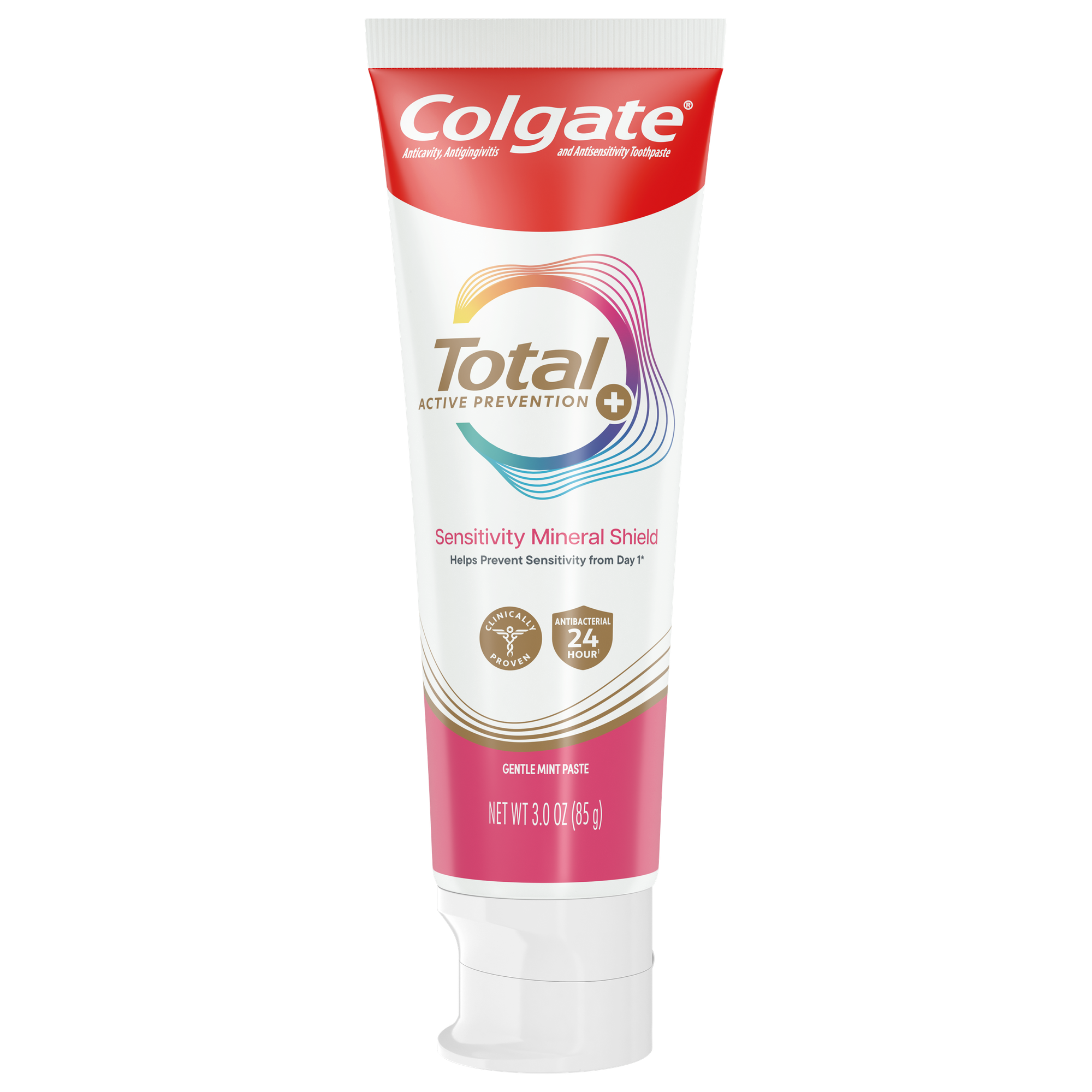
Help prevent sensitivity from day 1* with Colgate Total Active Prevention Sensitivity Mineral Shield Mint Toothpaste.
*with twice daily use
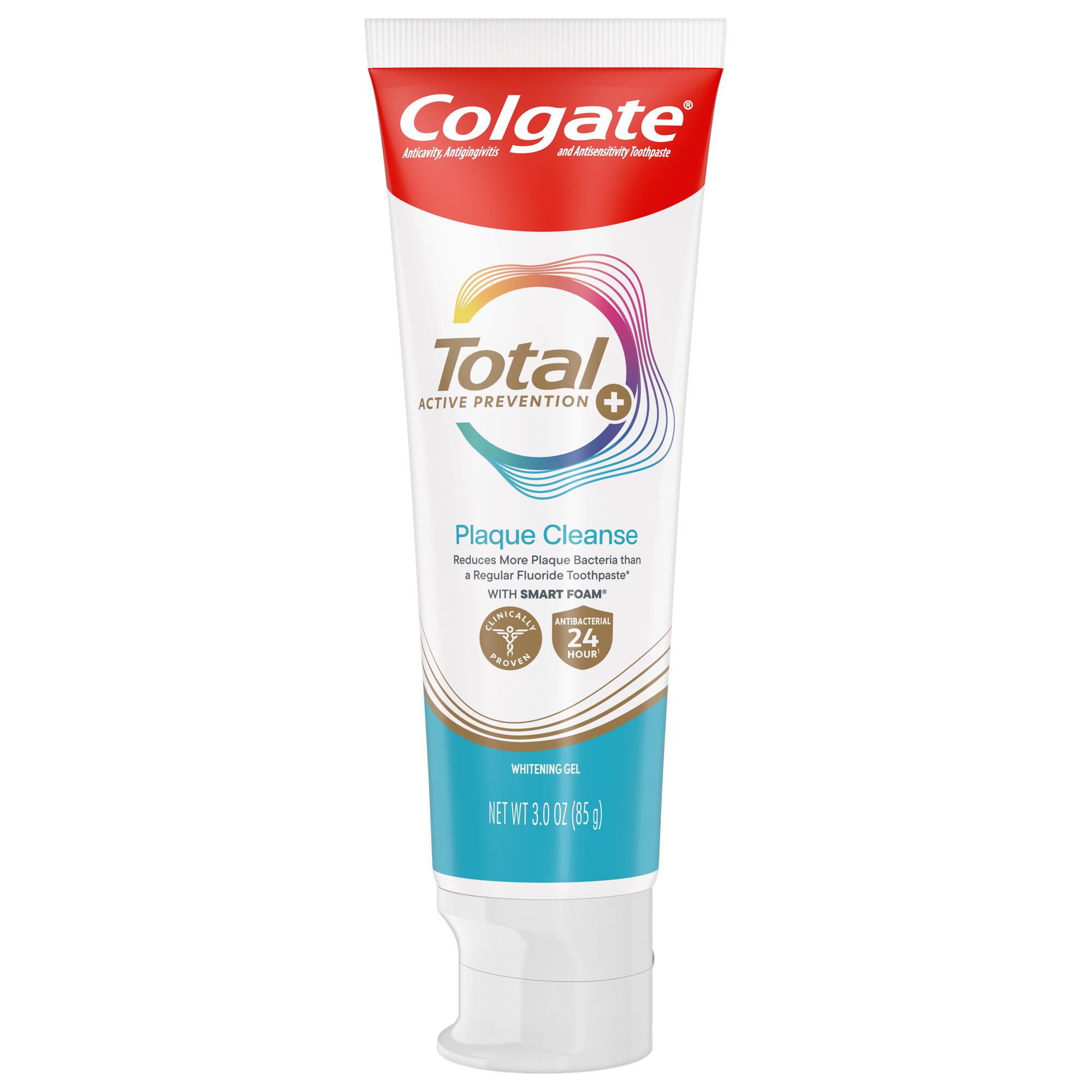
Help promote healthy gums using Colgate Total Active Prevention Plaque Cleanse Whitening Toothpaste Gel. This patented tartar prevention toothpaste fights the root cause* of gingivitis, plaque, tartar, cavities, sensitivity, bad breath, weak enamel, and stains and is 2x more effective*** at fighting bacteria, the root cause of oral health problems like cavities and gingivitis.
*via protection against bacteria and dietary exposures, with daily brushing
***via reduction of bacteria vs. non-antibacterial fluoride toothpaste with 2x daily brushing and 4 weeks use
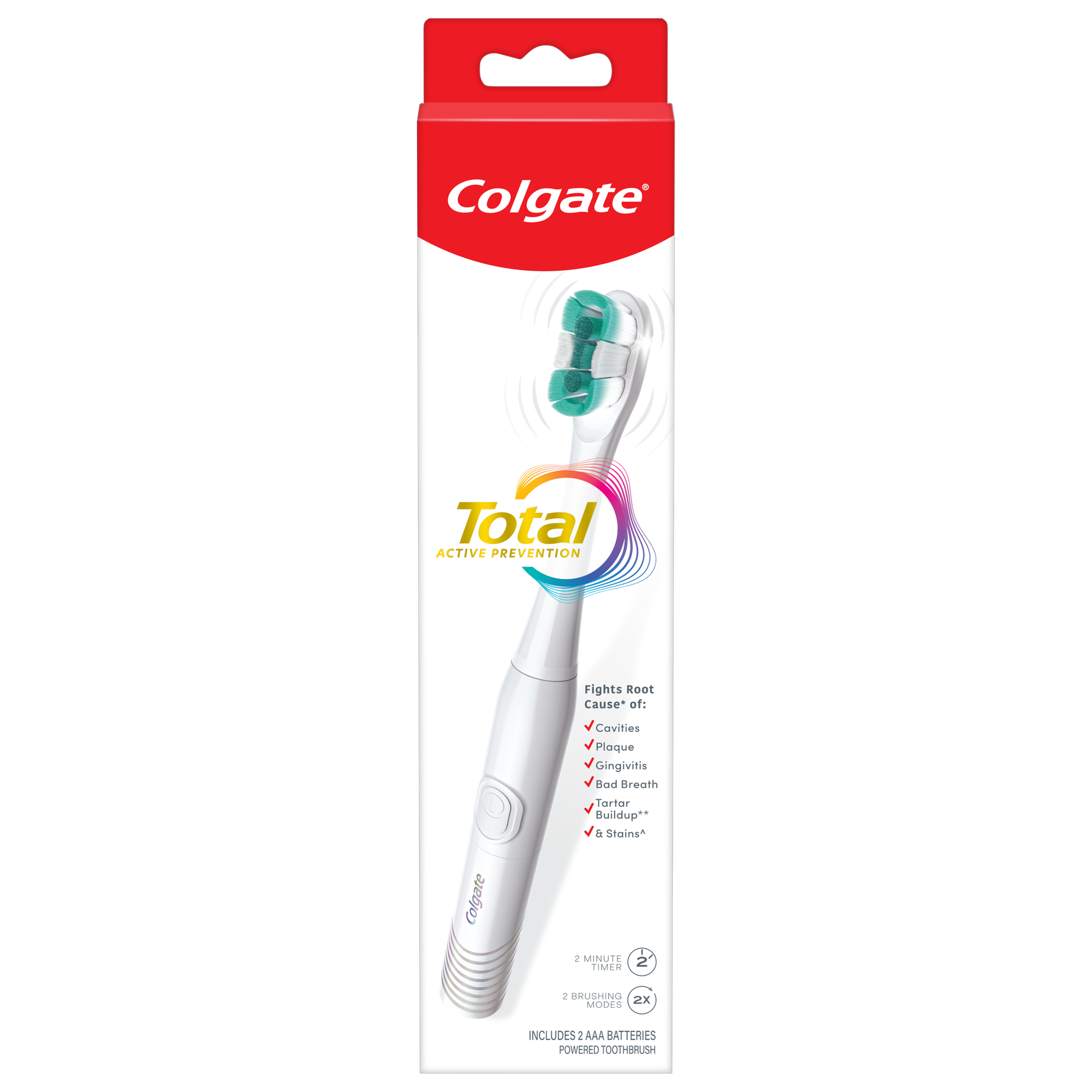
Colgate Total Active Prevention Battery Powered Electric Toothbrush, WhitePower away plaque with Colgate Total Battery Powered Toothbrush.
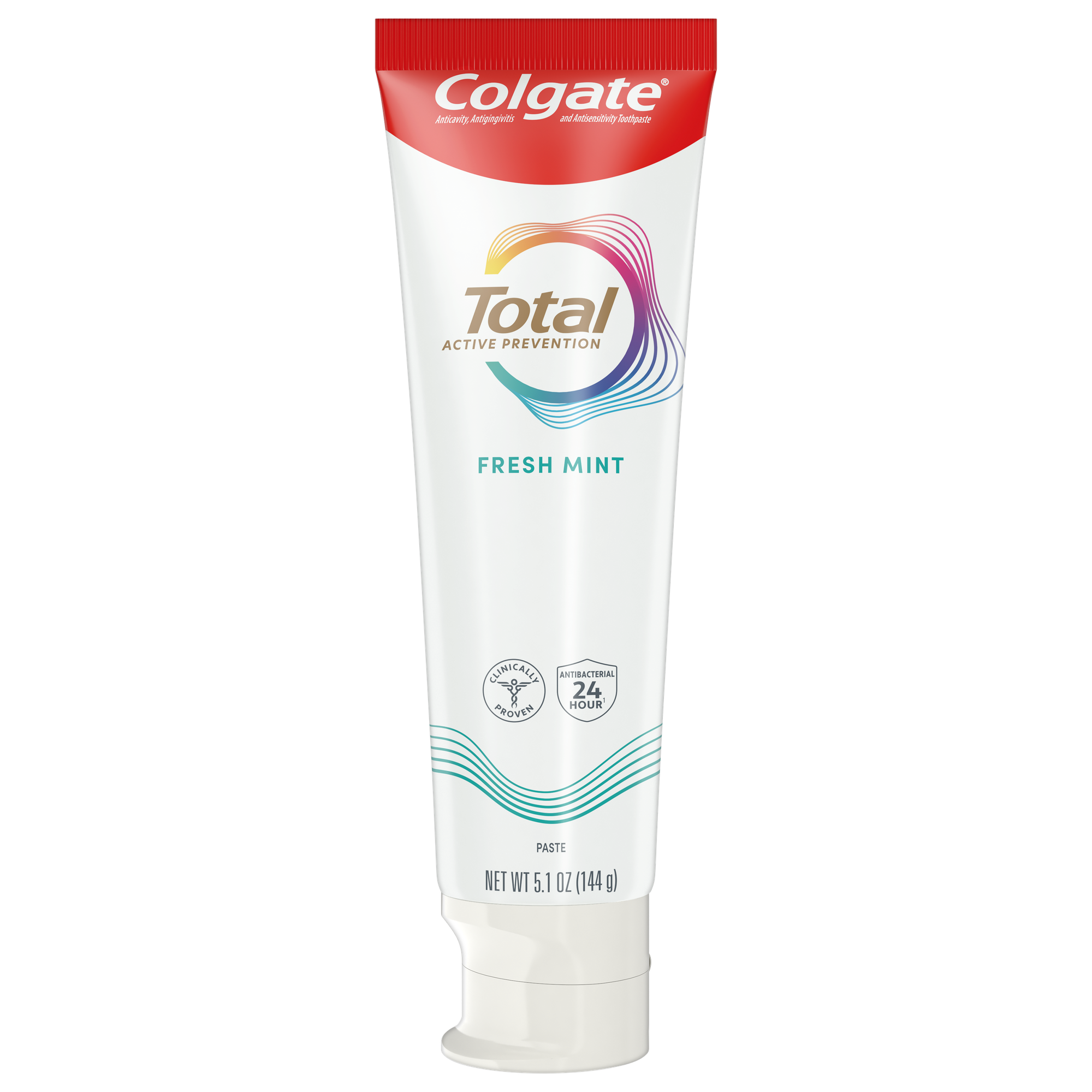
Colgate Total Fresh Mint Toothpaste fights bacteria, the root cause of many oral health issues such as gingivitis, tartar, sensitivity, weak enamel, bad breath, and cavities.


About Cookies on This Site

