Why Does My Child Need A Palate Expander?
January 9, 2023.
3
min read

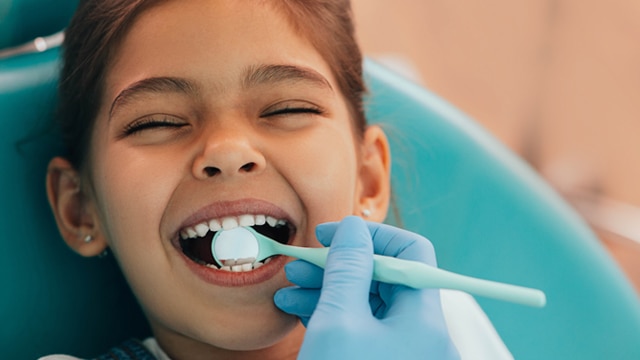
The expander is most commonly recommended when there is a crossbite between the two arches or if there’s not enough space for permanent teeth to come in correctly. It works best for children and preteens because their bones are still in a growing phase. In more technical terms, children’s bone sutures in the middle of their growing palates are not fully fused. This allows the flexibility needed to make changes and inevitably more room. An expander is a plate that is cemented into the roof of the mouth. There is a key that is used to help make the change.
The expander may be the first phase before conventional braces or the only treatment your child needs.
The expander is custom-made for your child. It is cemented or bonded to several upper molar teeth and will be left until the desired goal is met. It has two sides connected in the middle by a screw, which is turned using a special key. You (the parent) will turn the key once or twice a day as instructed by your child’s orthodontist. This sounds scary but keep in mind that this process applies gentle pressure. Over time, it will cause the bones in the mouth's roof to shift, creating more room.
After this part of the treatment is complete, the orthodontist will leave the expander in place for several months. This allows time for the expansion to stabilize. According to the British Orthodontic Society, this process takes three to nine months. Your child’s orthodontist will remove the expander when this process is complete.
After the expander is put into place, it may take some getting used to. Talking and eating may feel a little awkward initially, but your child will adjust. Short term drooling and lisping is not uncommon. Shortly after installation, you may notice a gap between your child’s front teeth. This is completely normal and is evidence that the process is working. The space will be fixed with braces. Since the palate expander is moving the bone, your child may feel some pressure below the eyes or at the top of the nose, especially after turning the key. Any pain or discomfort can usually be treated with an over-the-counter pain reliever.
Taking care of the expander is fairly easy. Encourage your child to brush it at least three times a day (after each time they eat if possible). A syringe with water can clear any additional food particles when brushing and rinsing doesn’t do the trick. You may be wondering if there are certain foods that your child should avoid. The answer is yes. Discourage your child from chewing nuts, sticky foods, candy, and ice. Also, discourage your child from chewing on pencils or putting other foreign objects in their mouth that could get caught in or damage the expander.
Using an expander to widen the roof of your child’s mouth will help get great results later on. It’s an important part of the orthodontics process. Encourage your child to take care of the expander. At the end of this journey, he or she will have a healthy and wonderful smile.
Oral Care Center articles are reviewed by an oral health medical professional. This information is for educational purposes only. This content is not intended to be a substitute for professional medical advice, diagnosis or treatment. Always seek the advice of your dentist, physician or other qualified healthcare provider.
ORAL HEALTH QUIZ
Take our Oral Health assessment to get the most from your oral care routine

The arrival of permanent teeth is an exciting time for kids and parents. But what if they appear discolored when they come in? Here's what to know.
Is a palate expander necessary? Is it painful? What does it do? Find out more about how this treatment can help guide the growth of your child's mouth.

Upper jaw expansion is a form of orthodontic treatment that is used in specific cases. There are numerous benefits depending on a patient's age and need.

By: Mandy Dennis
Registered Dental Hygienist
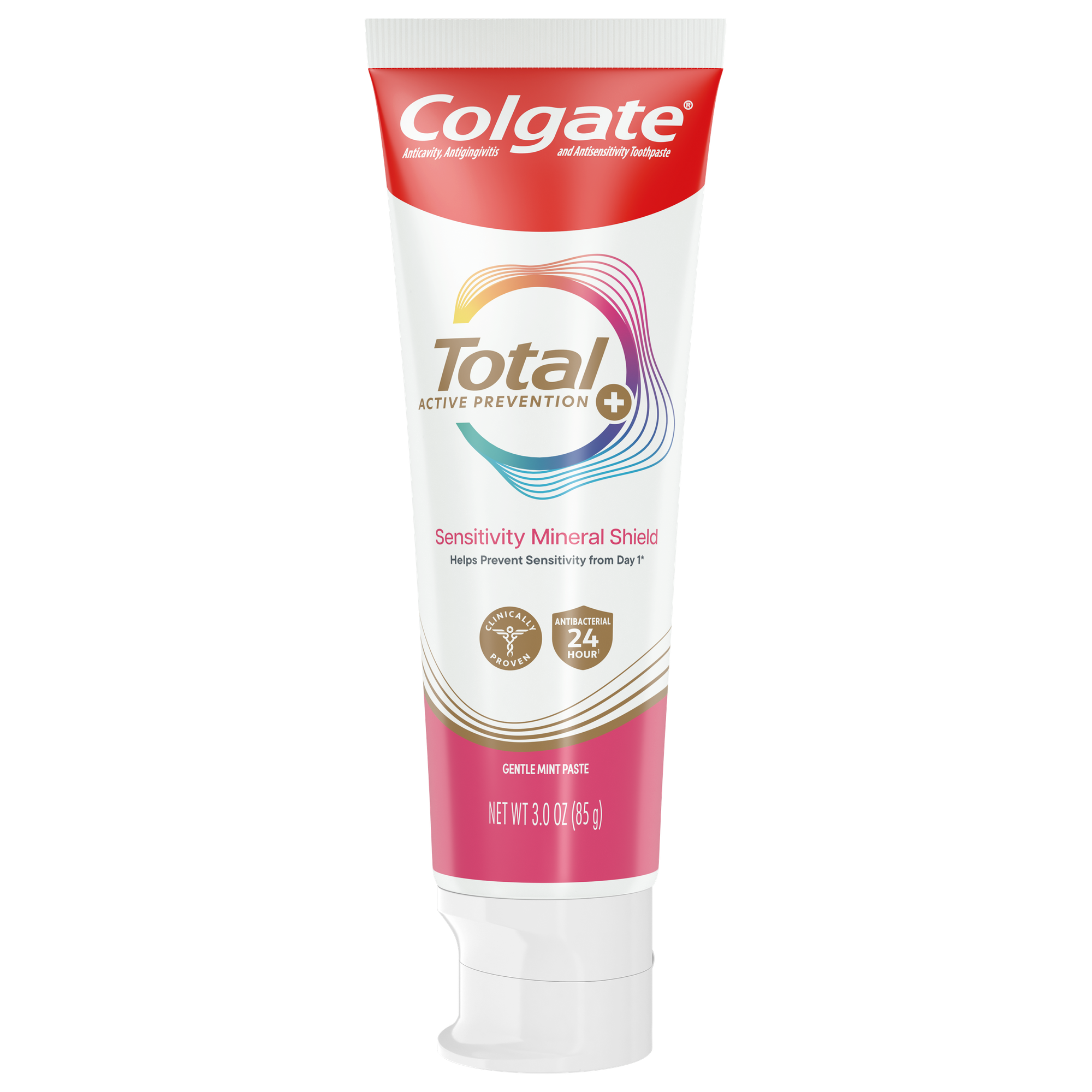
Help prevent sensitivity from day 1* with Colgate Total Active Prevention Sensitivity Mineral Shield Mint Toothpaste.
*with twice daily use
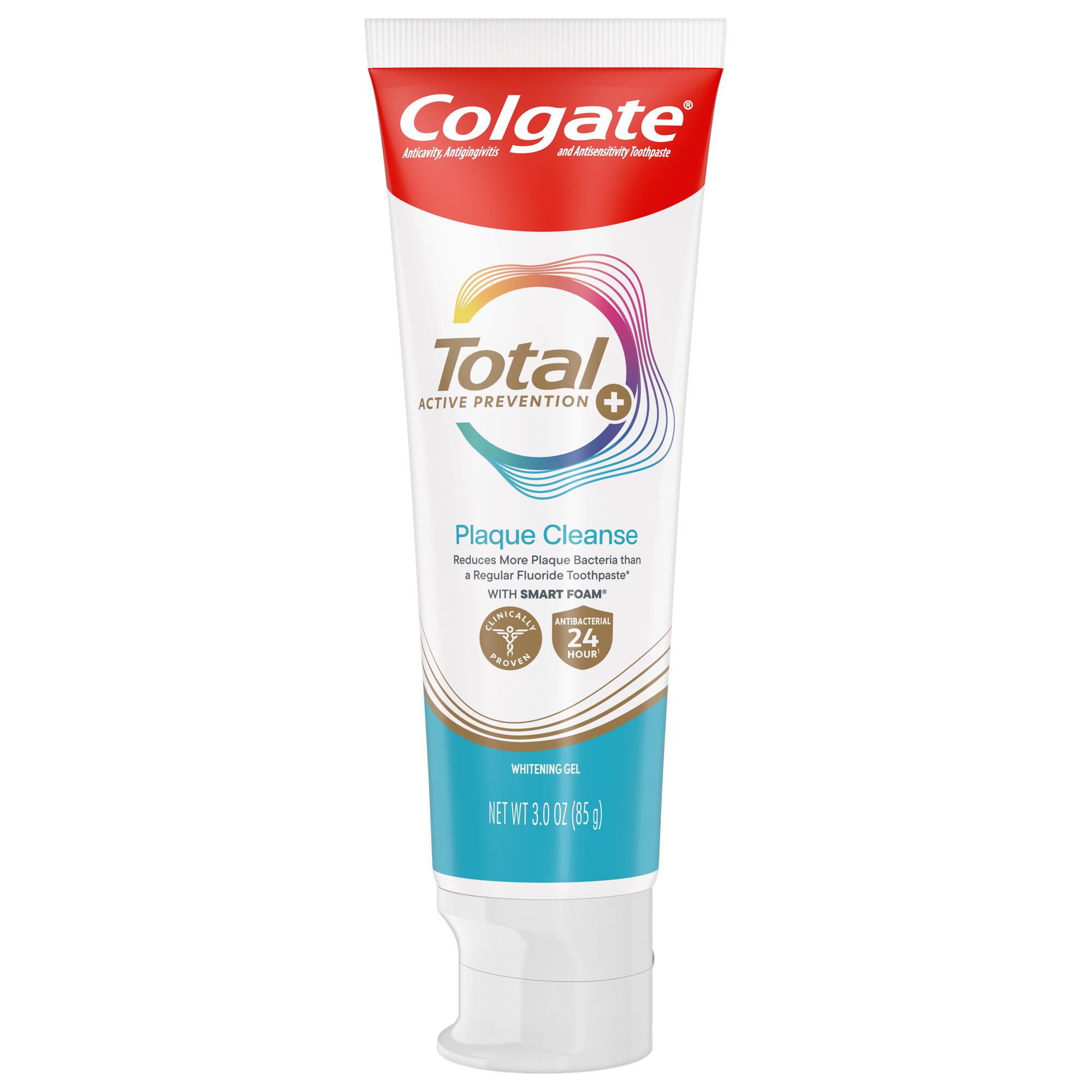
Help promote healthy gums using Colgate Total Active Prevention Plaque Cleanse Whitening Toothpaste Gel. This patented tartar prevention toothpaste fights the root cause* of gingivitis, plaque, tartar, cavities, sensitivity, bad breath, weak enamel, and stains and is 2x more effective*** at fighting bacteria, the root cause of oral health problems like cavities and gingivitis.
*via protection against bacteria and dietary exposures, with daily brushing
***via reduction of bacteria vs. non-antibacterial fluoride toothpaste with 2x daily brushing and 4 weeks use
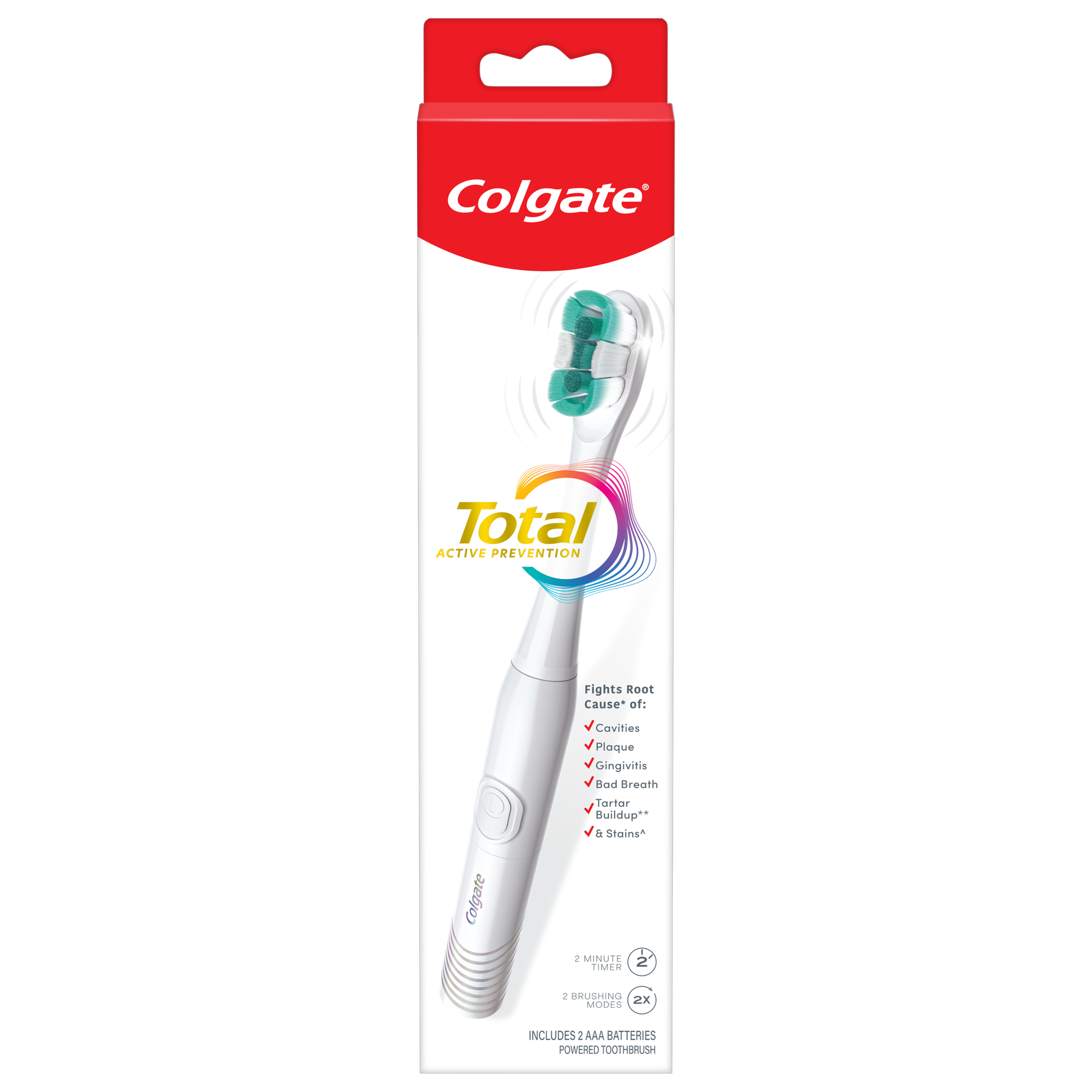
Colgate Total Active Prevention Battery Powered Electric Toothbrush, WhitePower away plaque with Colgate Total Battery Powered Toothbrush.
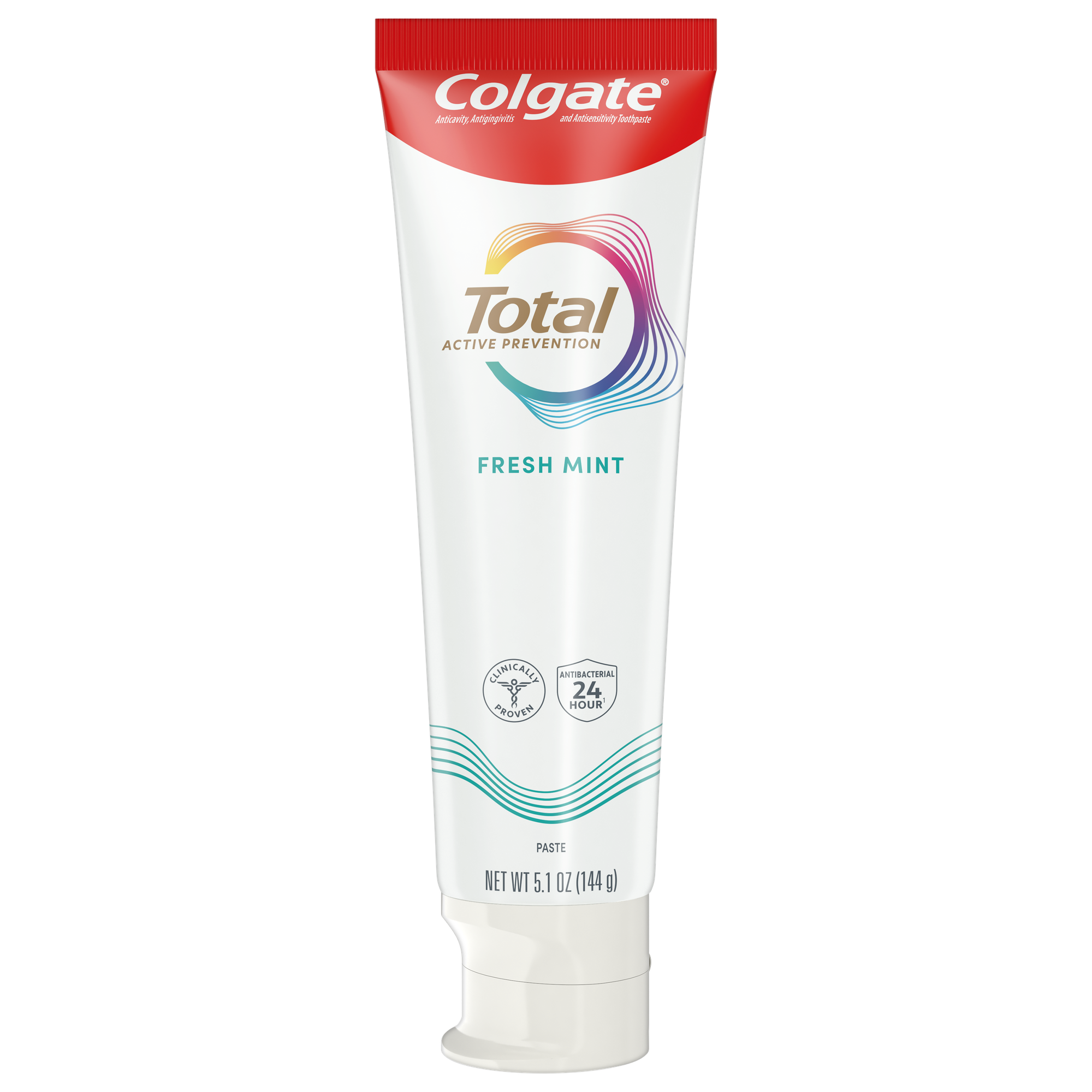
Colgate Total Fresh Mint Toothpaste fights bacteria, the root cause of many oral health issues such as gingivitis, tartar, sensitivity, weak enamel, bad breath, and cavities.


About Cookies on This Site

