4 Dental Myths That Could Be Harming Your Smile
3
min read
By: Mandy Dennis, RDH

By: Mandy Dennis, RDH


The Truth: Brushing is not about strong pressure or hard toothbrushes, but consistency and care.
Why It Matters: Hard bristles do not glide across the tooth surface effectively. Over time, aggressive brushing may lead to gums damage, tooth sensitivity and a higher risk of cavities.
Expert Tip: Use a soft or extra-soft toothbrush. If your bristles are flared, you’re pressing too hard. Many electric toothbrushes now include pressure sensors to alert you if you’re being too aggressive
It can take time to get used to the feeling and routine of brushing gently, but your teeth and gums will appreciate you debunking this myth!
The Truth: Gum Bleeding is typically a sign of inflammation, not a reason to quit.
Why It Matters: Healthy gums should not bleed during brushing, flossing or eating (unless you are doing it very hard, which is not helpful). Gum bleeding is usually a sign of gingivitis, and it means you most likely need better oral care measures, such as brushing and flossing more.
Just Ask: Just like every time you notice a sign that may not look healthy, either for oral health or general health, don’t hesitate to ask your dental hygienist (or healthcare professional): a good and early diagnostic is always the best approach .
The Truth: Not all oral care problems begin with pain, and dental care is most effective when it is preventative rather than reactive.
The Truth: Mouthwash is a supplement to—not a replacement for—mechanical cleaning.
Why It Matters: Brushing physically removes debris, and flossing cleans spaces between teeth where bristles cannot. Mouthwash adds a layer of protection by providing fluoride, neutralizing pH, and offering antibacterial properties to reduce plaque.
Takeaway: These tools are designed to work together as a team to protect your oral health.
Oral Care Center articles are reviewed by an oral health medical professional. This information is for educational purposes only. This content is not intended to be a substitute for professional medical advice, diagnosis or treatment. Always seek the advice of your dentist, physician or other qualified healthcare provider.
Take our Oral Health assessment to get the most from your oral care routine
Take our Oral Health assessment to get the most from your oral care routine
By: Mandy Dennis, RDH
Discover what is Stannous Fluoride Toothpaste and its importance to prevent cavities and other oral health problems.
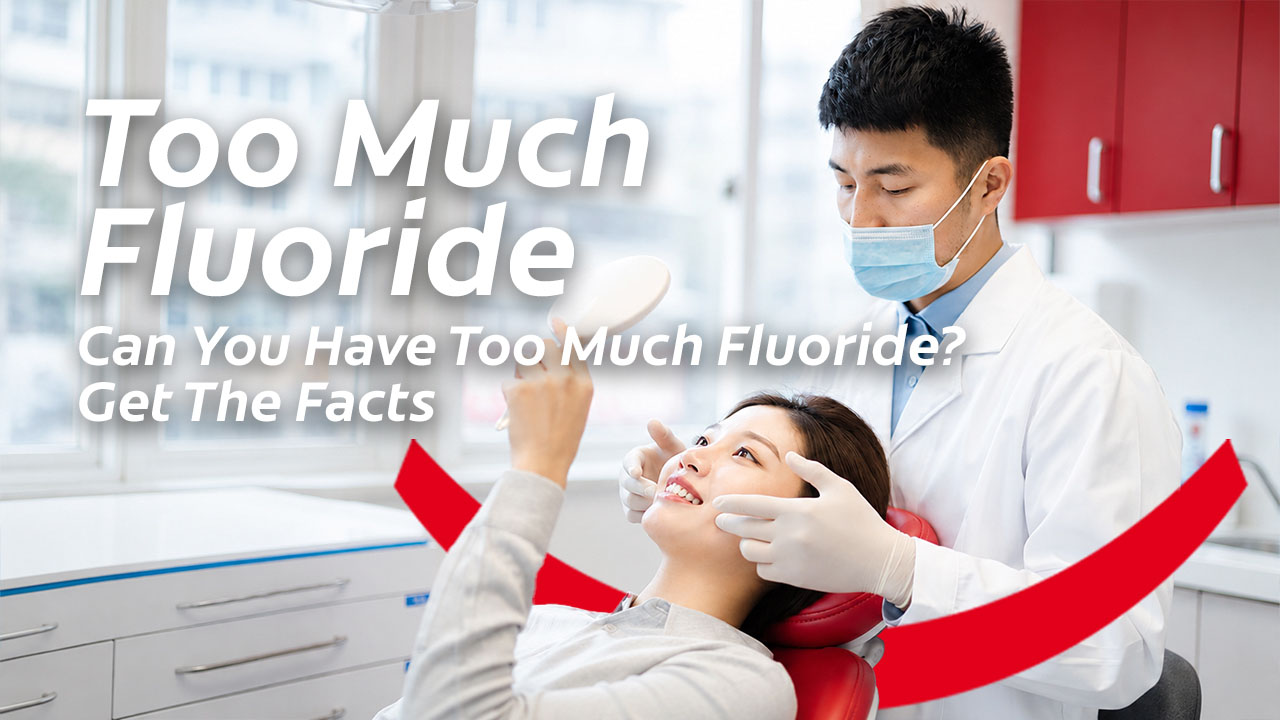
Fluoride drops can be a safe and effective way to measure and provide infants with a systemic dose of fluoride appropriate to their age and weight.
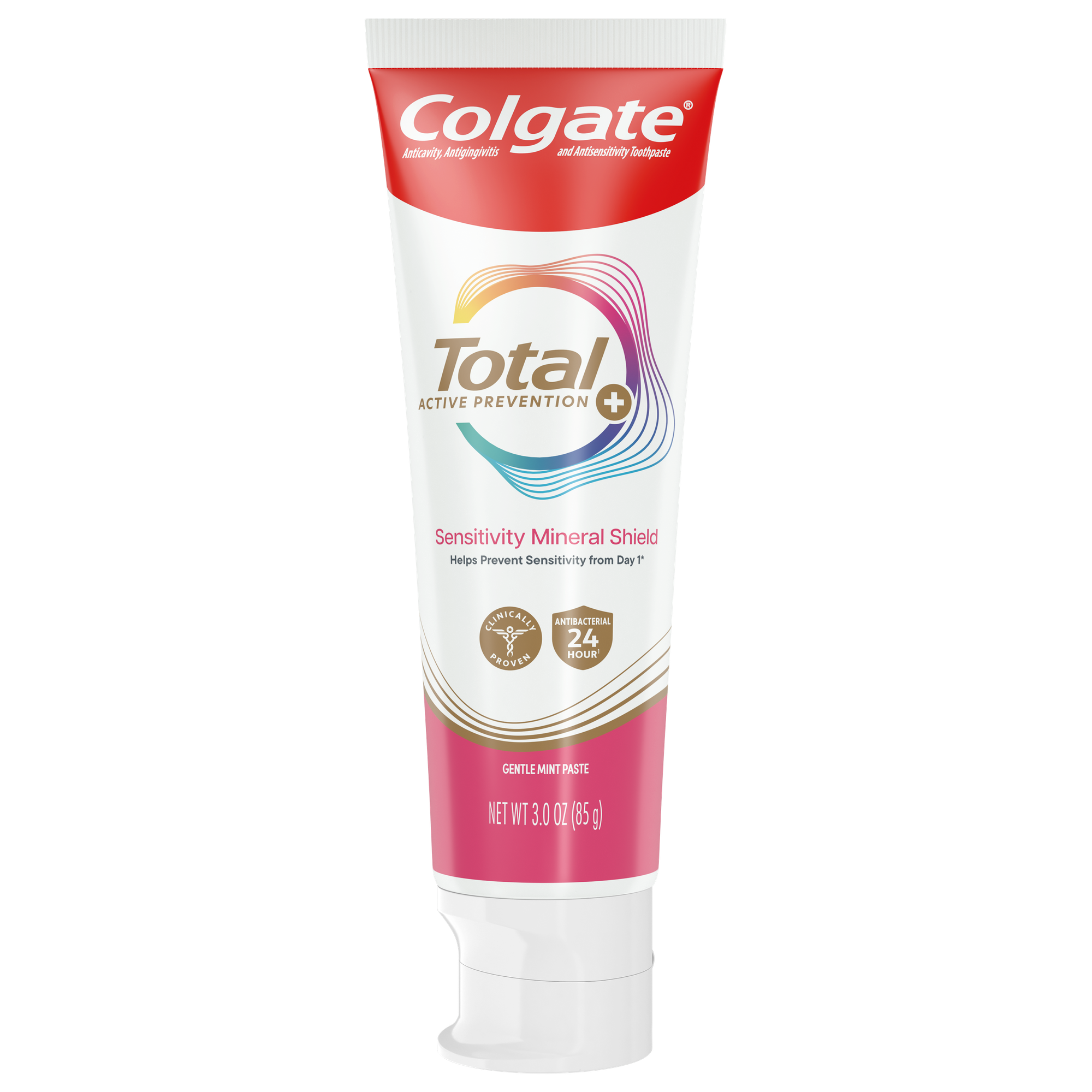
Help prevent sensitivity from day 1* with Colgate Total Active Prevention Sensitivity Mineral Shield Mint Toothpaste.
*with twice daily use
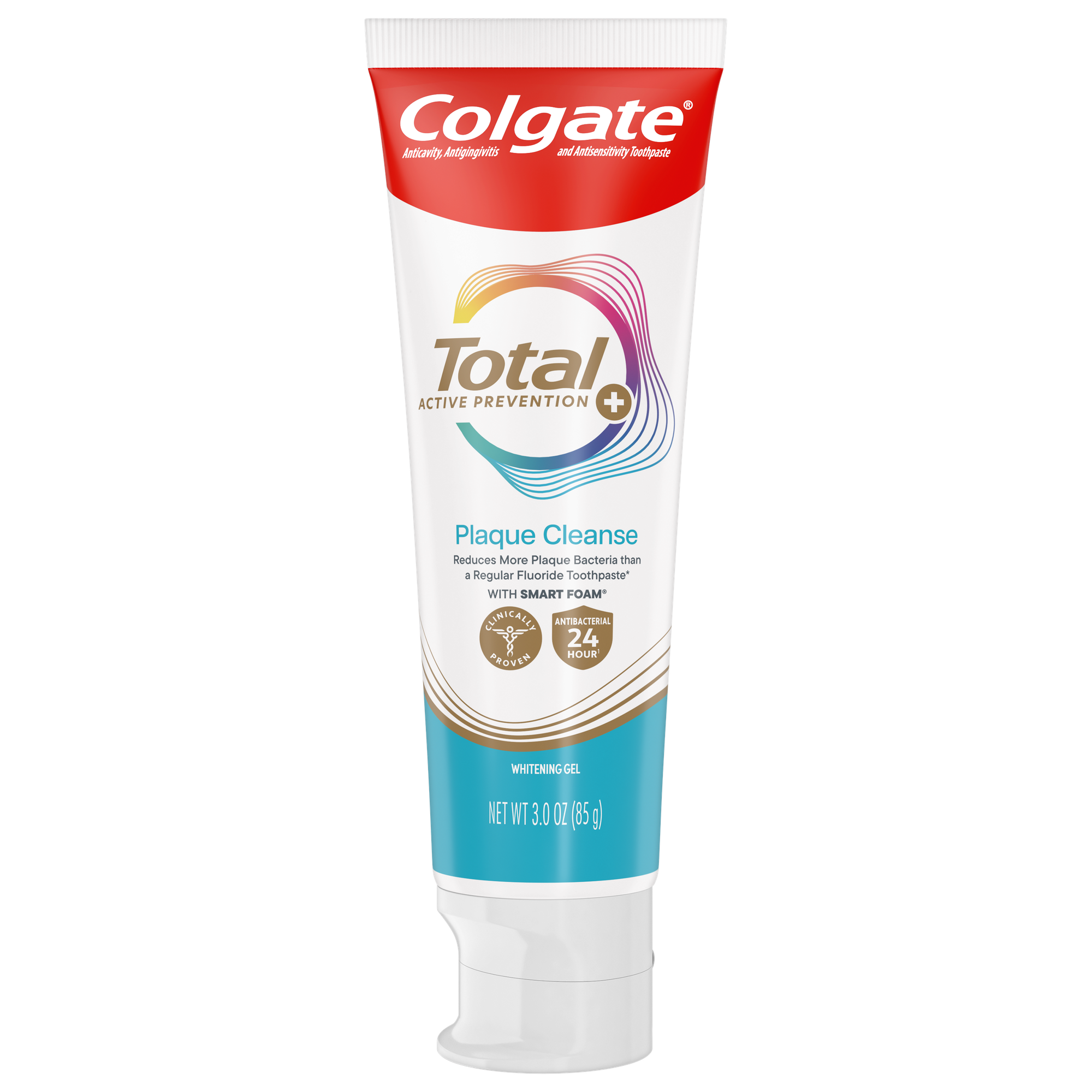
Help promote healthy gums using Colgate Total Active Prevention Plaque Cleanse Whitening Toothpaste Gel. This patented tartar prevention toothpaste fights the root cause* of gingivitis, plaque, tartar, cavities, sensitivity, bad breath, weak enamel, and stains and is 2x more effective*** at fighting bacteria, the root cause of oral health problems like cavities and gingivitis.
*via protection against bacteria and dietary exposures, with daily brushing
***via reduction of bacteria vs. non-antibacterial fluoride toothpaste with 2x daily brushing and 4 weeks use
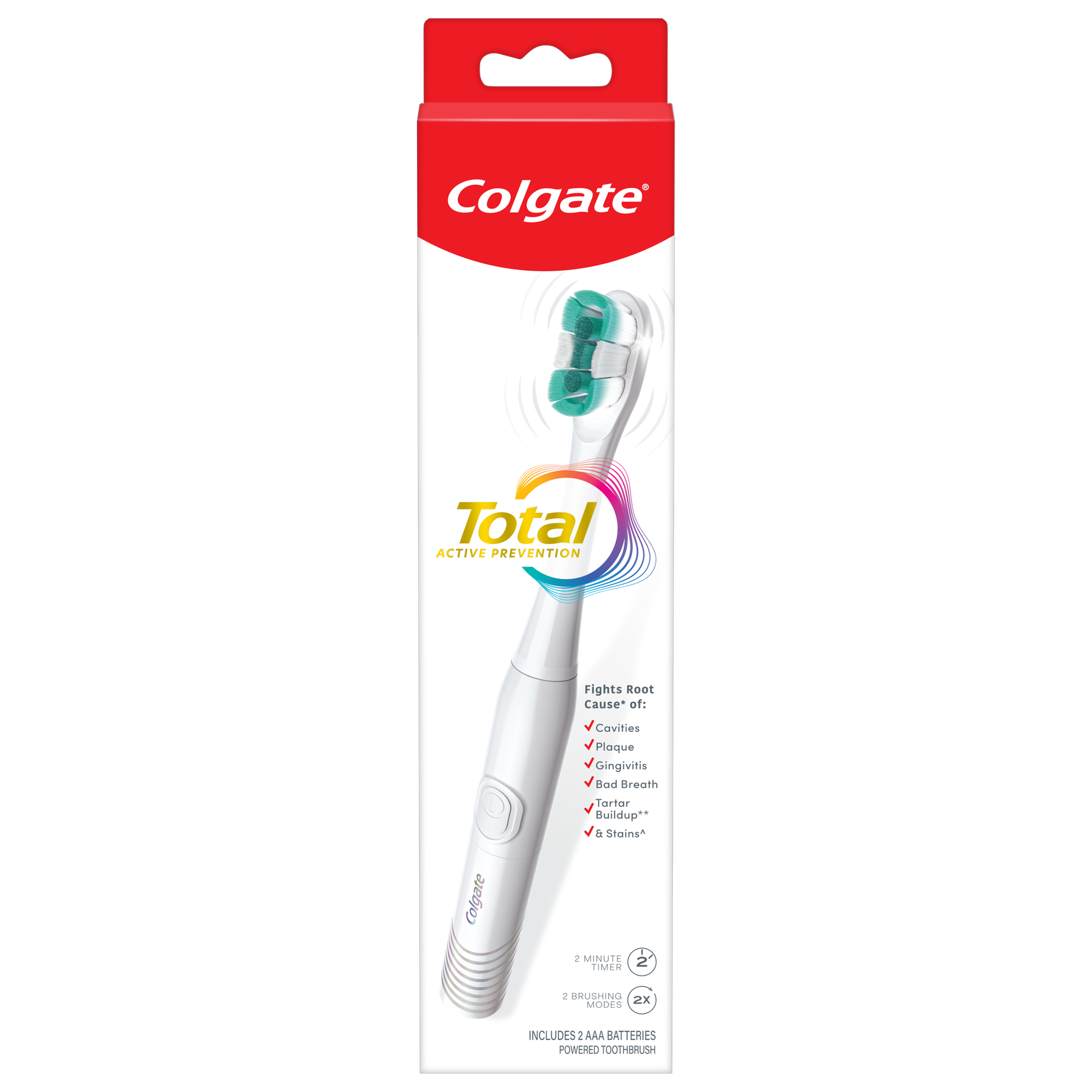
Colgate Total Active Prevention Battery Powered Electric Toothbrush, WhitePower away plaque with Colgate Total Battery Powered Toothbrush.
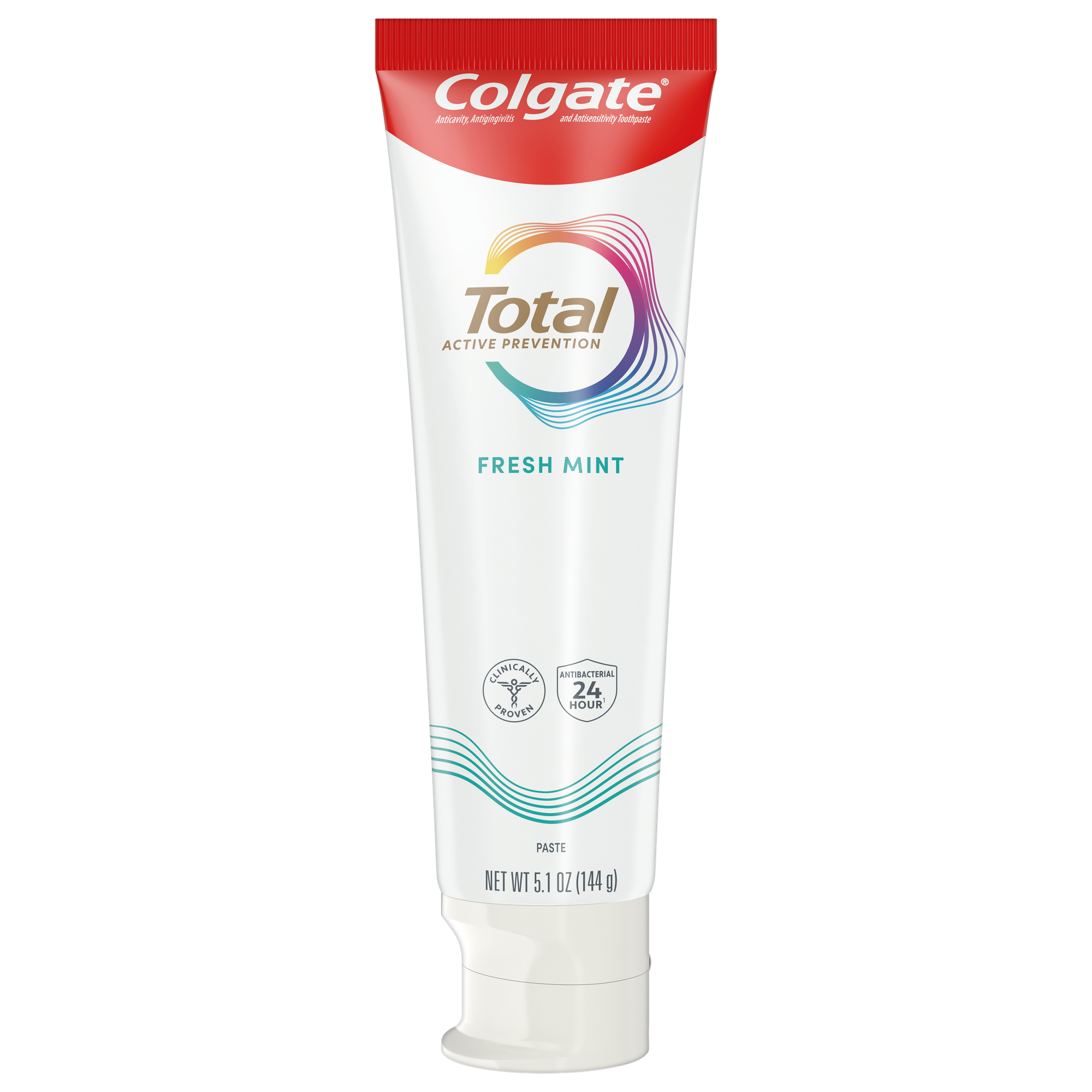
Colgate Total Fresh Mint Toothpaste fights bacteria, the root cause of many oral health issues such as gingivitis, tartar, sensitivity, weak enamel, bad breath, and cavities.


About Cookies on This Site

