The Benefits and Safety of Fluoride
March 25, 2026.
3
min read


Fluoride’s top benefit is its power to help prevent cavities. When you use fluoride, it makes your teeth stronger and more able to resist acids produced by bacteria in your mouth. Beyond simply preventing new cavities, fluoride can help repair early-stage damage to teeth—known as “white spots” or “incipient caries lesions”—before those spots turn into deeper problems.
Fluoride helps protect against mineral loss (demineralization) and helps put lost minerals back into tooth enamel (remineralization), leaving teeth harder and healthier overall. This is why the American Dental Association (ADA) calls fluoride “nature’s cavity fighter.” Fluoride’s track record in research and in communities has proven its value in protecting smiles.
Fluoride has been extensively researched, including in human populations, confirming it is safe for use in oral care. The safety of fluoride compounds have been assessed by the European Food Safety Agency (EFSA), Joint FAO/WHO Expert Committee on Food Additives (JECFA), Concise International Chemical Assessment Document (CICAD) 65 by WHO, and the Agency for Toxic Substances and Disease Registry (ASTDR). The use of fluoride in oral care products for children under the age of 6 years has been evaluated by the Scientific Committee on Cosmetic Products and Non-Food Products intended for Consumers (SCCNFP).
Multiple respected organizations—including the ADA, World Health Organization, Centers for Disease Control and Prevention (CDC), and the American Medical Association—support the safety and effectiveness of fluoride in oral health care. Scientific studies show that when used correctly and in the recommended amounts, fluoride is safe.
According to the ADA, dental fluorosis, also known as mottled teeth, occurs when children consume too much fluoride over too long a period of time while their teeth are developing. Streaks, spots, or pits may develop on the surfaces of the teeth once they come up above the gums. In severe cases, the enamel can develop brown, black or gray spots and the teeth can become pitted. These streaks and spots are treatable. Often, the condition is so mild that only a dental professional can detect it.
The chance of developing fluorosis exists until about age seven or eight because some teeth are still forming under the gums
Parents can help prevent dental fluorosis by supervising young children’s brushing habits.
Brush, rinse, and spit it out! Always encourage children to spit out toothpaste after brushing and avoid swallowing it.
Instruct children to swish mouthwash, spit it out, and do not swallow the rinse (mouthwash should not be used by kids under the age of 6 unless instructed by a doctor or dentist).
All in all, fluoride in oral care products is safe when used as directed and has major benefits for your child's dental health. Speak to your dentist if you have any concerns.
To learn how to use fluoride toothpastes and mouthwashes products, follow the usage instructions and any advice provided by your dentist.
Using fluoride as instructed and as recommended by dental professionals is one of the most effective and safe ways to support the health of your family’s smiles.
Oral Care Center articles are reviewed by an oral health medical professional. This information is for educational purposes only. This content is not intended to be a substitute for professional medical advice, diagnosis or treatment. Always seek the advice of your dentist, physician or other qualified healthcare provider.
Take our Oral Health assessment to get the most from your oral care routine
Take our Oral Health assessment to get the most from your oral care routine

By: Mandy Dennis, RDH

Discover what is Stannous Fluoride Toothpaste and its importance to prevent cavities and other oral health problems.
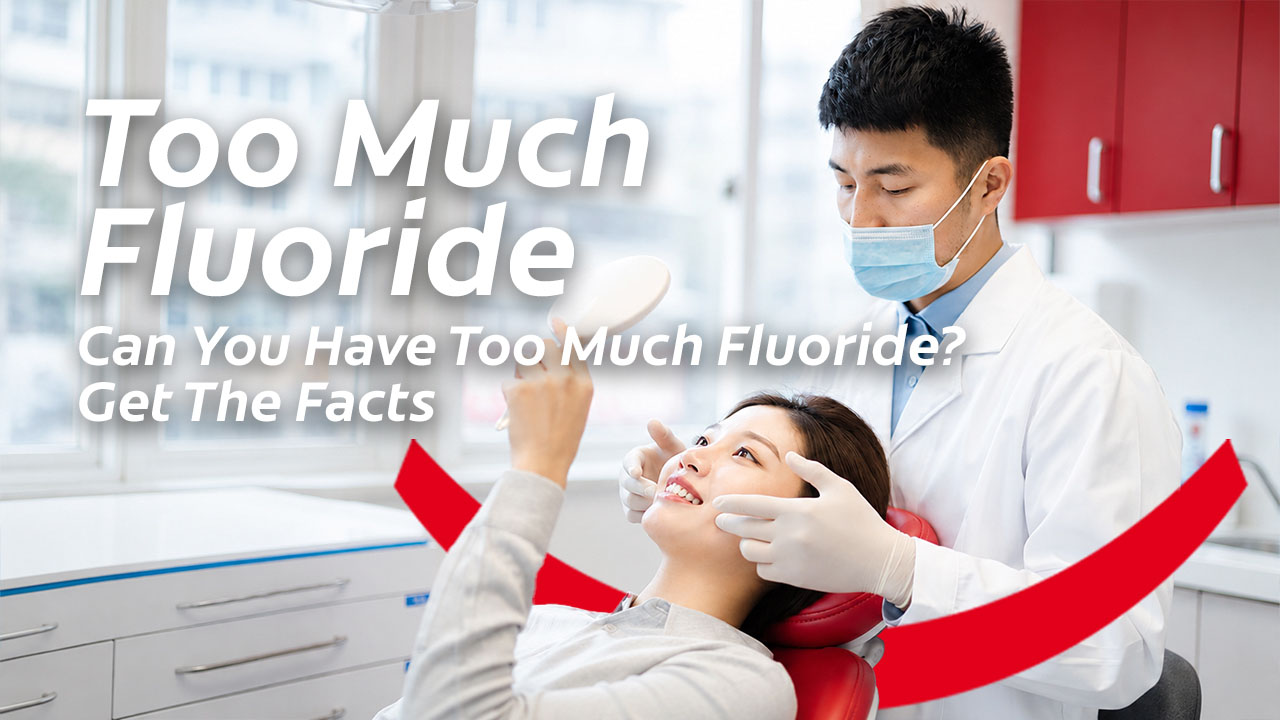
Fluoride drops can be a safe and effective way to measure and provide infants with a systemic dose of fluoride appropriate to their age and weight.
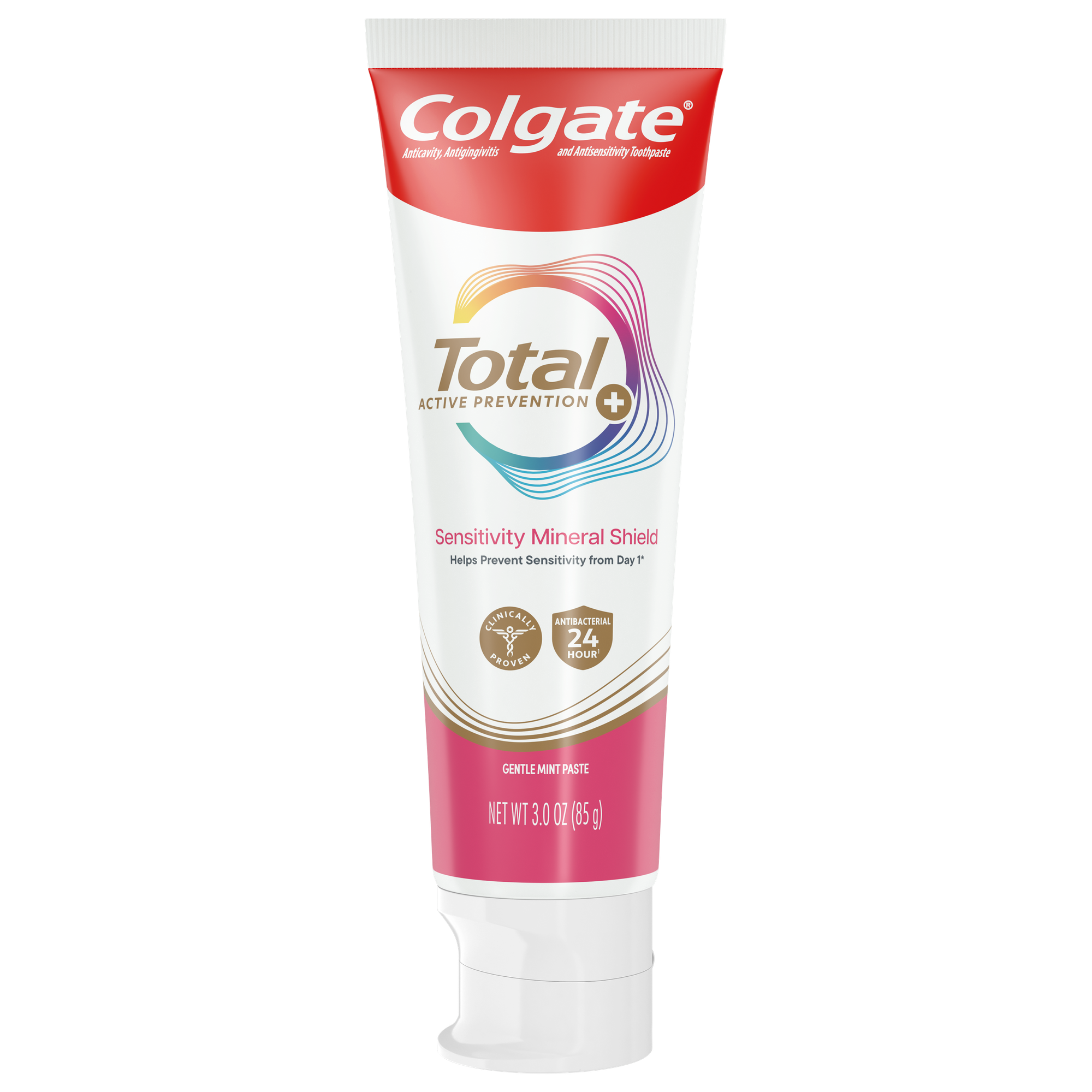
Help prevent sensitivity from day 1* with Colgate Total Active Prevention Sensitivity Mineral Shield Mint Toothpaste.
*with twice daily use
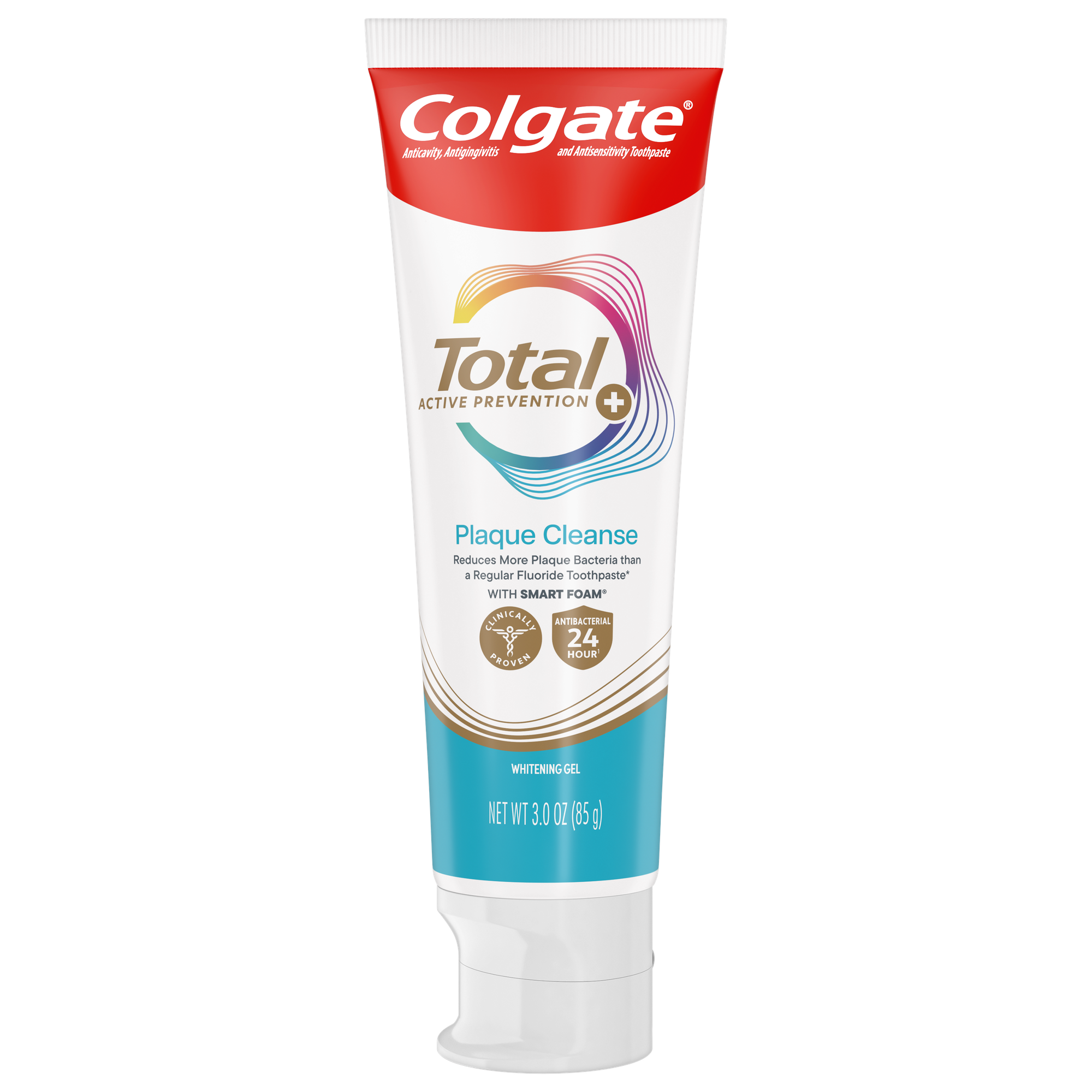
Help promote healthy gums using Colgate Total Active Prevention Plaque Cleanse Whitening Toothpaste Gel. This patented tartar prevention toothpaste fights the root cause* of gingivitis, plaque, tartar, cavities, sensitivity, bad breath, weak enamel, and stains and is 2x more effective*** at fighting bacteria, the root cause of oral health problems like cavities and gingivitis.
*via protection against bacteria and dietary exposures, with daily brushing
***via reduction of bacteria vs. non-antibacterial fluoride toothpaste with 2x daily brushing and 4 weeks use
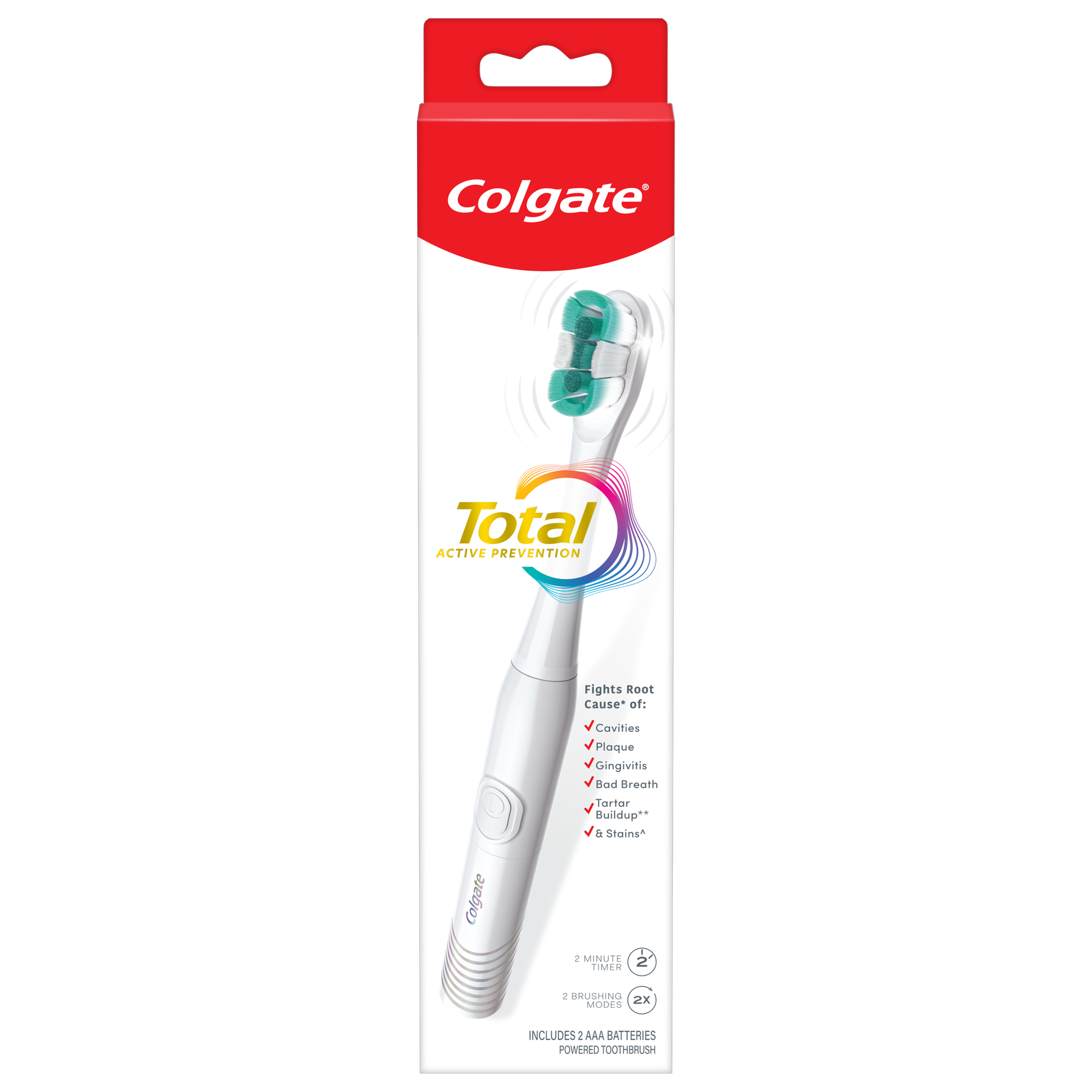
Colgate Total Active Prevention Battery Powered Electric Toothbrush, WhitePower away plaque with Colgate Total Battery Powered Toothbrush.
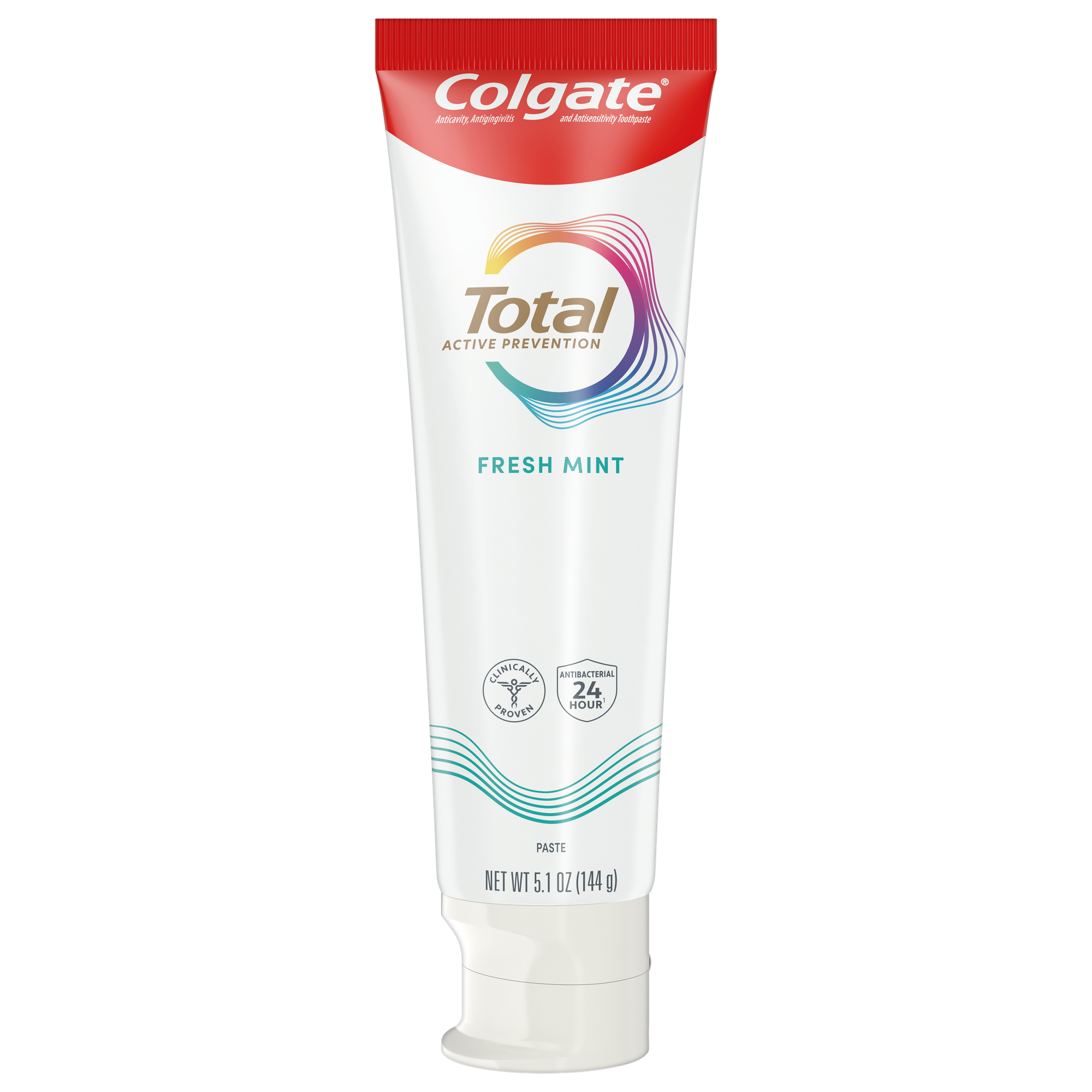
Colgate Total Fresh Mint Toothpaste fights bacteria, the root cause of many oral health issues such as gingivitis, tartar, sensitivity, weak enamel, bad breath, and cavities.


About Cookies on This Site

