Gingivitis: signs, symptoms, and the path to total body health
min read


Key takeaways:
The bacterial trigger: gingivitis starts when a plaque biofilm accumulates at the gumline, releasing toxins that breach the oral mucosa and trigger an inflammatory cascade.
Systemic health link: oral inflammation is a gateway to the rest of the body; periodontal pathogens can enter the bloodstream, contributing to heart disease and complicating blood sugar management in diabetics.
The "reversible" window: gingivitis is the only stage of gum disease that is fully reversible, but it cannot go away on its own if plaque has calcified into tartar, which requires professional removal.
Recovery timeline: after a professional cleaning and a disciplined oral care routine, inflamed gums typically return to a healthy pink state within 10 to 14 days.
Gingivitis is an inflammatory condition caused by a build-up of plaque biofilm (a sticky film of bacteria) along the gum line. When plaque is not removed through daily brushing, the bacteria within the plaque biofilm release metabolic toxins that breach the oral mucosa. This triggers an inflammatory cascade, where the body increases blood flow to the area to deliver immune cells, resulting in localized swelling and sensitivity. Left untreated, gingivitis can develop into periodontitis, where chronic inflammation spreads to the periodontal ligament and alveolar bone that support the teeth. This can eventually lead to loosening or even loss of the teeth.
Clinical data indicates that nearly half of all adults over 30 experience some form of this condition. Because it is often painless in the beginning, it can thrive silently unless you remain vigilant about your oral hygiene and regular checkups.
Recognizing the early warning signs, like gums bleeding, is key because it allows you to take action before the damage becomes permanent.
Gingivitis symptoms may include:
Gums that appear dusky red or vivid purple, signaling vasodilation and chronic infection (gingival erythema).
Bleeding when you brush or floss.
Persistent bad breath or a metallic taste in the mouth.
Gum tissue that feels tender or sore to the touch.
If you ignore these signs, the infection can progress to periodontitis, where inflammation begins to affect the ligaments and alveolar bone that hold the teeth in place. Once the infection reaches this stage, it can no longer be "reversed," only managed.
In other words: taking preventative steps and decisive action is essential.
An infection in your mouth does not stay in your mouth.Always remember to consider your mouth as a gatekeeper for your body and a window to your overall health.
Research suggests that the periodontal pathogens and pro-inflammatory mediators associated with gum disease can enter the bloodstream, contributing to the inflammation of the vascular endothelium (the lining of the blood vessels) and increasing the risk of cardiovascular events.This is why managing your oral health is also a vital part of protecting your cardiovascular system.
High blood sugar levels provide a food source for bacteria and impair your body’s ability to fight infection. Conversely, active gum disease can make it harder to stabilize your blood glucose, creating a challenging two-way cycle that requires professional dental intervention to break.
If tartar (hardened dental plaque) has already formed, gingivitis will not go away on its own. While you can reduce inflammation at home, only a dental professional can remove calculus (the technical term for tartar).
If the tartar is not removed, bacteria will continue to trigger inflammation in the gums and will migrate deeper into the gum pockets affecting the ligaments and bone and eventually leading to tooth loss.

The most effective way to treat gingivitis starts in the dental chair with a professional cleaning to remove all traces of dental plaque and tartar.
And the best way to prevent it is to follow a disciplined oral care routine:
Brush for two minutes at least twice daily using a soft brush.
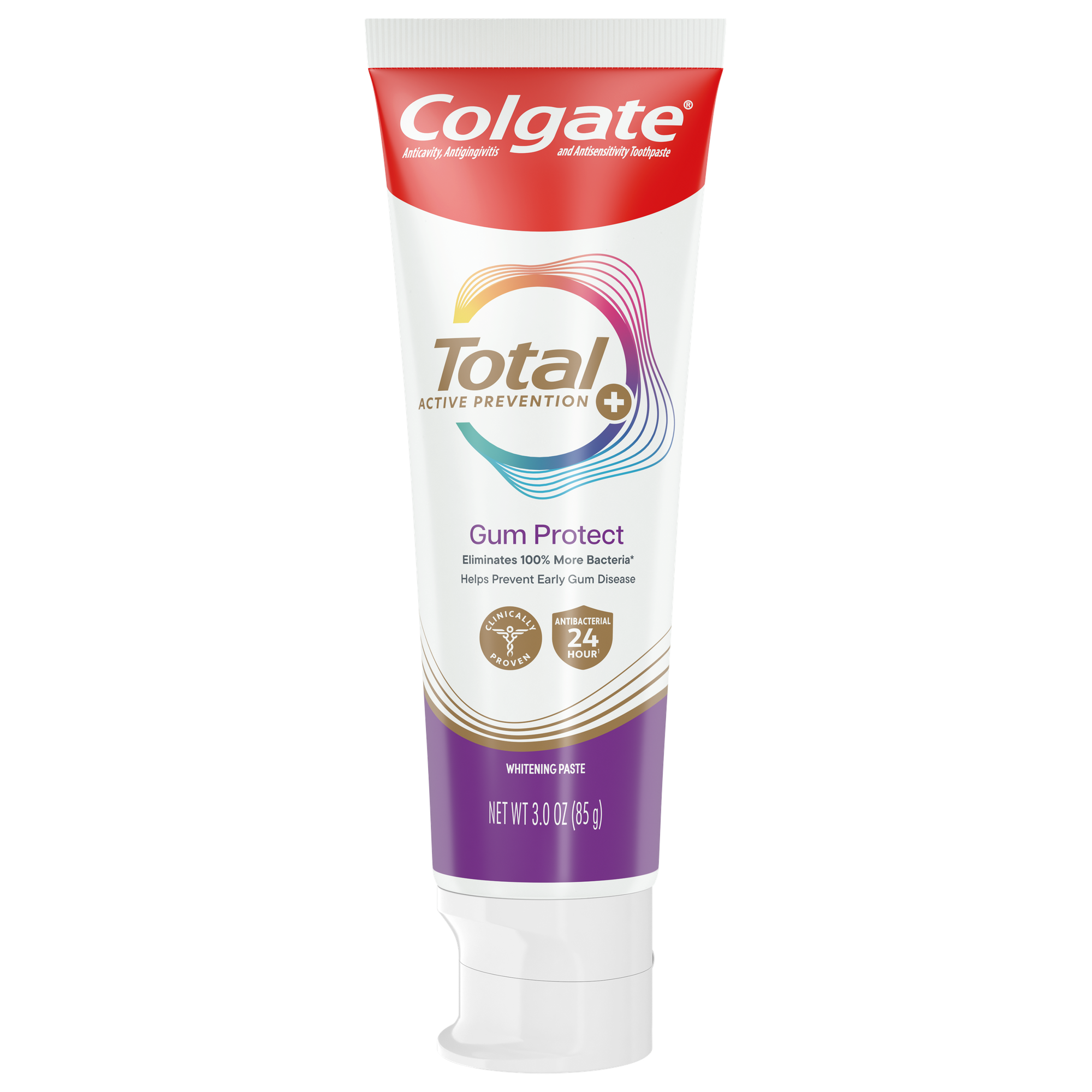
Use a gingivitis toothpaste to neutralize bacteria.
Floss daily to clean between the teeth.
Rinse with an antimicrobial mouthwash to soothe the gum.
Gingivitis is not contagious, but the bacteria responsible can be exchanged through saliva, e.g. via kissing or sharing utensils. Thankfully, good brushing, flossing, and a healthy immune system are usually enough to keep those bacteria from causing an infection.
Yes. Hormonal shifts during pregnancy make the gum tissue more sensitive to plaque, leading to pregnancy gingivitis. Regular checkups during pregnancy are essential for the health of both mother and baby.
Once you receive professional treatment and improve your daily habits, the gums typically return to a healthy, pink state within 10 to 14 days.
This article is intended to promote understanding of and knowledge about general oral health topics. It is not intended to be a substitute for professional advice, diagnosis or treatment. Always seek the advice of your dentist or other qualified healthcare provider with any questions you may have regarding a medical condition or treatment.
ORAL HEALTH QUIZ
Take our Oral Health assessment to get the most from your oral care routine
ORAL HEALTH QUIZ
Take our Oral Health assessment to get the most from your oral care routine