Orange Juice and Toothpaste: Why They Don't Mix
January 9, 2023.
3
min read

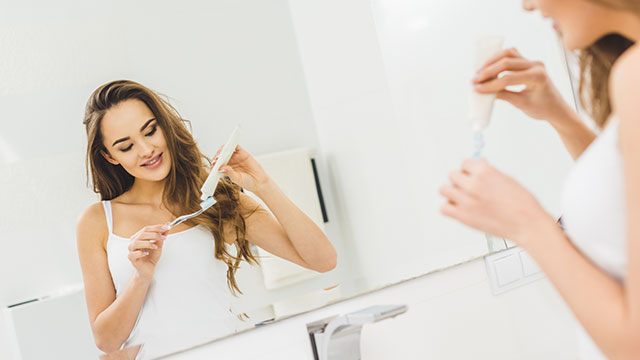
The taste buds on your tongue play a big role in determining how foods, drinks, and toothpaste will taste. And how they'll taste in combination with each other. Besides your tongue, other parts of your head and throat are instrumental in your ability to taste. These include your:
With your taste receptors, you're able to detect five different flavor types:
When orange juice and toothpaste get together, they affect your body's ability to taste sweet and bitter flavors. And that plays a big part in making your morning OJ taste so gross.
If you read the ingredients on numerous tubes of toothpaste, you'll find most contain sodium laurel sulfate. Sodium lauryl sulfate (SLS) is a surfactant – or a type of soap. It's found in many beauty and household products, not just toothpaste. SLS creates suds or foam while you brush and helps clean your teeth.
SLS does two things that can transform OJ from a sweet, refreshing drink into a glass of bitterness:
OJ and other citrus juices usually have a mixture of bitter and sweet flavors. Under normal circumstances, you're able to taste the sweetness. But when your sweetness receptors are out of commission – and there's nothing to block your bitterness receptors – you're going to get a mouthful of blech.
To avoid the unpleasant taste of orange juice and toothpaste:
Eat and drink first, then brush your teeth. Just keep in mind that you should wait about 60 minutes after eating/drinking any citrus foods before brushing to avoid damaging your teeth's enamel.
Eating, waiting for 60 minutes, then brushing might shake up your morning routine, but the upsides are:
You also might drink a glass of water during those 60 minutes to further ensure you won't damage your enamel when brushing after consuming citrus.
Switch to a toothpaste that doesn't contain SLS. If you aren't sure which toothpaste to use, you can always talk to your dental professionals to see what they recommend.
One tip: Many kinds of toothpaste for sensitive teeth are SLS-free.
Many taste combinations that seem yucky to some might appeal to others – chocolate and potato chips, anyone? But unless you adore a truly harsh taste in your mouth, toothpaste with SLS and orange juice won't do. We've given you solutions for solving your morning problem. Now it's up to you to banish the bitter and savor the sweet!
This article is intended to promote understanding of and knowledge about general oral health topics. It is not intended to be a substitute for professional advice, diagnosis or treatment. Always seek the advice of your dentist or other qualified healthcare provider with any questions you may have regarding a medical condition or treatment.
ORAL HEALTH QUIZ
Take our Oral Health assessment to get the most from your oral care routine

Waxed and unwaxed dental floss are two of the most common types, and they both have their merits. Here's how they differ and how to know which to use.

By: Mandy Dennis
Registered Dental Hygienist

Learn more about microbeads in toothpaste and how the recent ban is good news for your health and the environment. Also learn about alternatives.
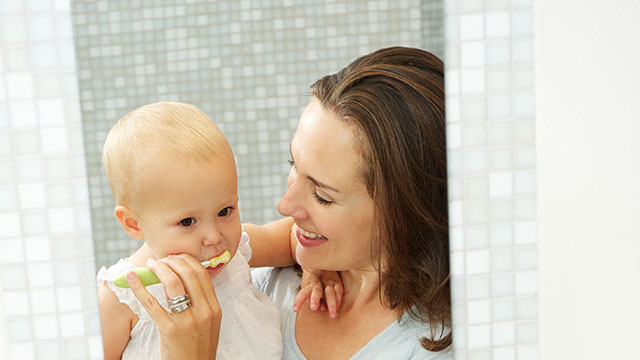
When should you start brushing my baby's teeth with toothpaste? Find out here about the easy steps for keeping your little one's teeth in perfect condition.
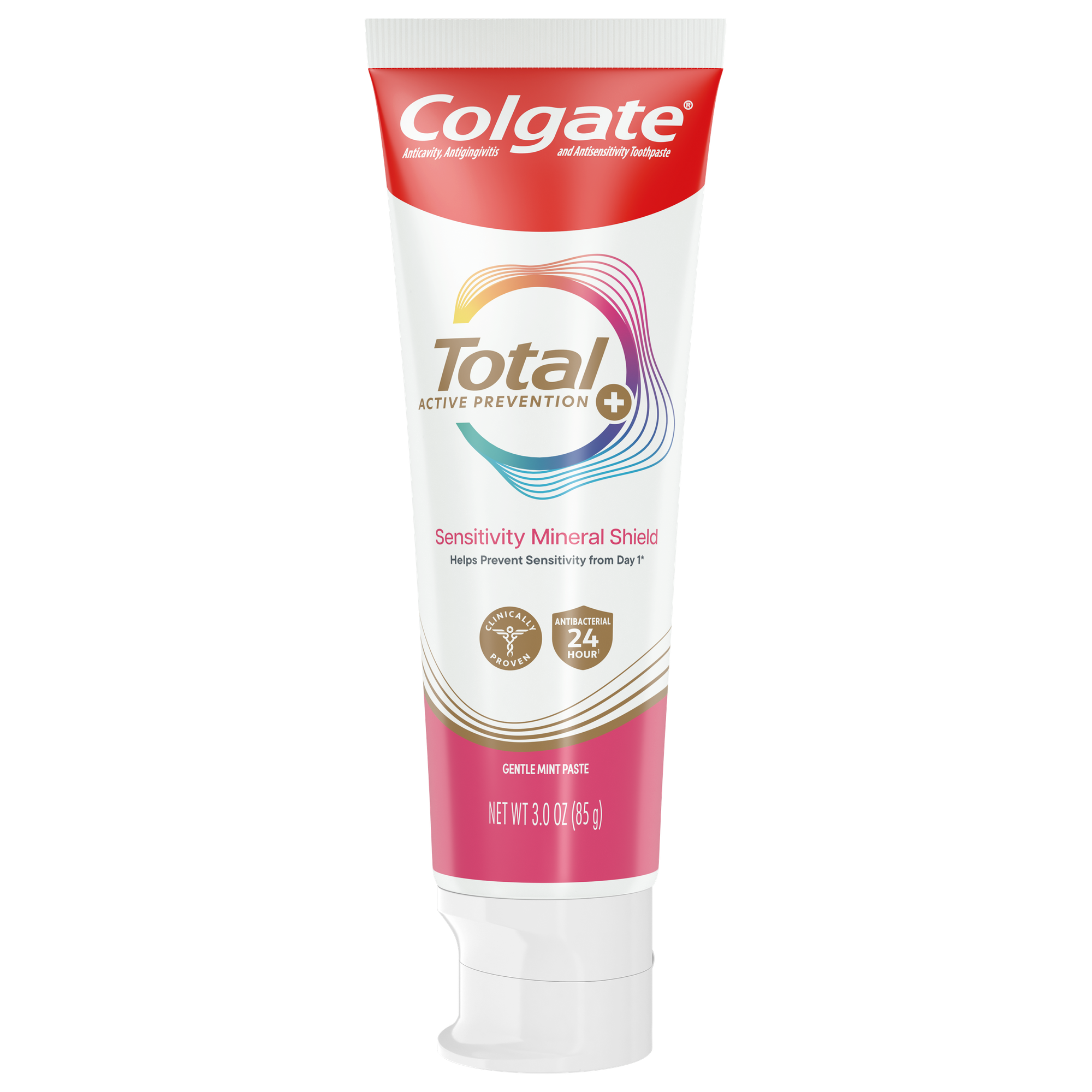
Help prevent sensitivity from day 1* with Colgate Total Active Prevention Sensitivity Mineral Shield Mint Toothpaste.
*with twice daily use
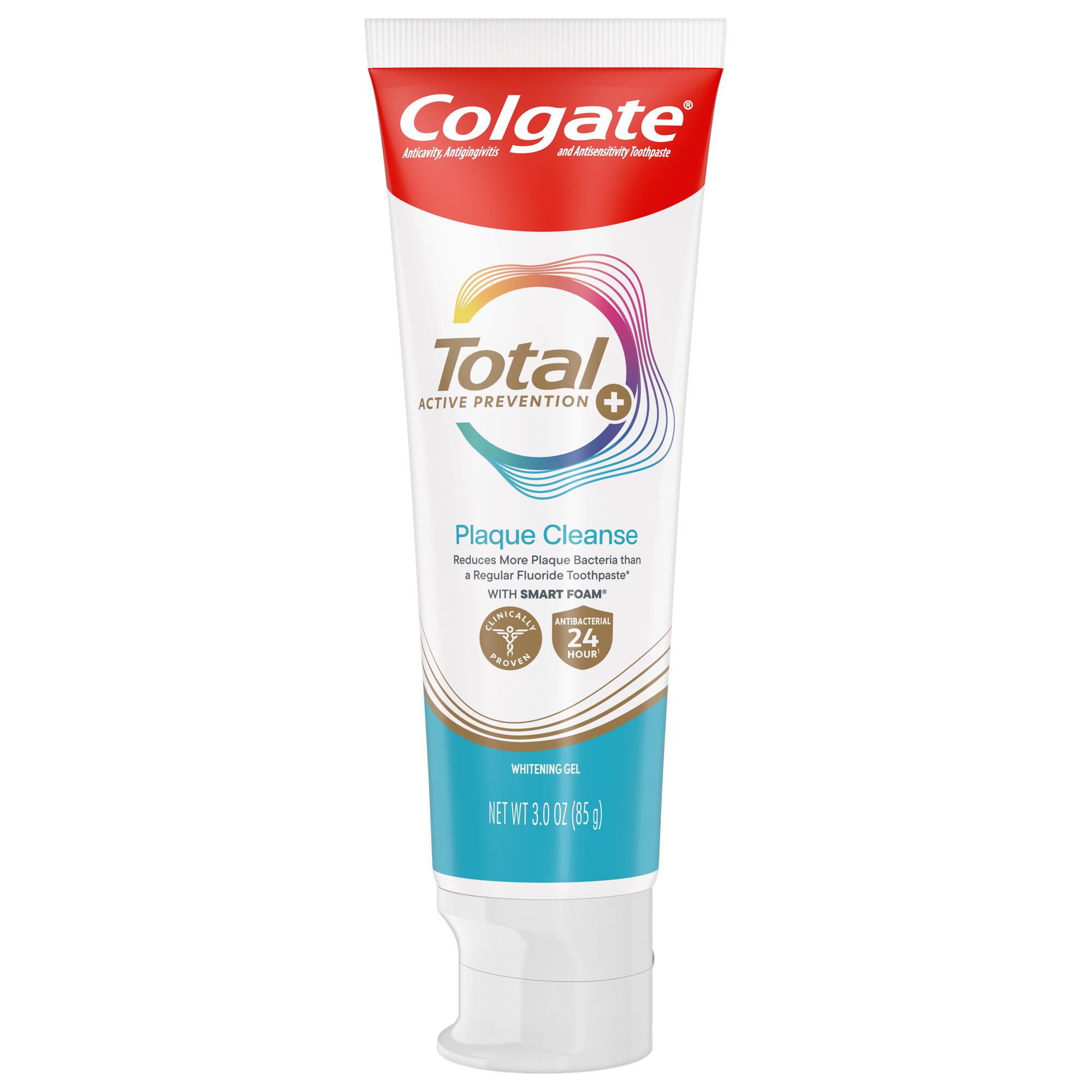
Help promote healthy gums using Colgate Total Active Prevention Plaque Cleanse Whitening Toothpaste Gel. This patented tartar prevention toothpaste fights the root cause* of gingivitis, plaque, tartar, cavities, sensitivity, bad breath, weak enamel, and stains and is 2x more effective*** at fighting bacteria, the root cause of oral health problems like cavities and gingivitis.
*via protection against bacteria and dietary exposures, with daily brushing
***via reduction of bacteria vs. non-antibacterial fluoride toothpaste with 2x daily brushing and 4 weeks use
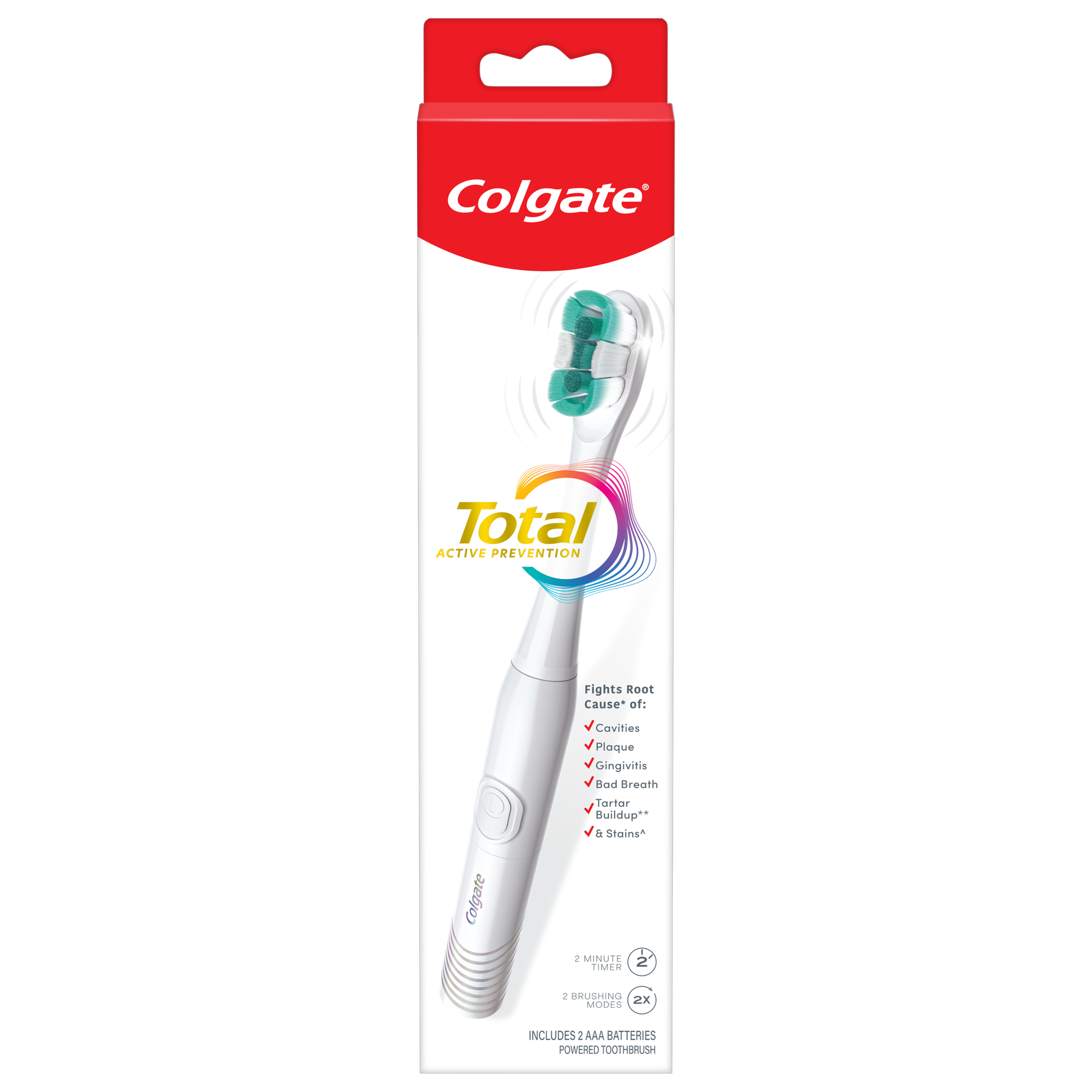
Colgate Total Active Prevention Battery Powered Electric Toothbrush, WhitePower away plaque with Colgate Total Battery Powered Toothbrush.
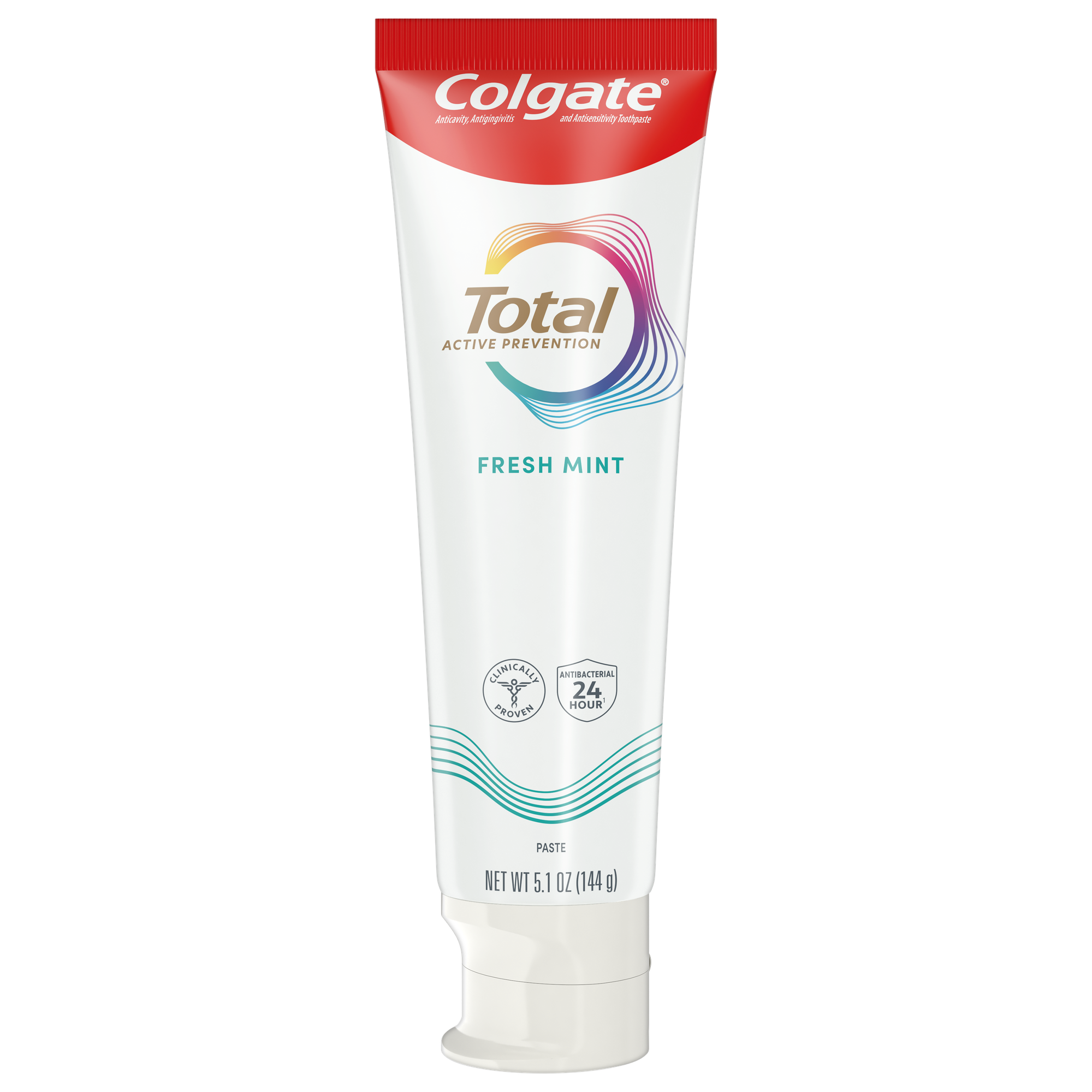
Colgate Total Fresh Mint Toothpaste fights bacteria, the root cause of many oral health issues such as gingivitis, tartar, sensitivity, weak enamel, bad breath, and cavities.


About Cookies on This Site

