What Are Microbeads In Toothpaste?
3
min read



The Australian Department of Environment and Energy defines microbeads as "small, solid, manufactured plastic particles that are less than 5 millimeters and don't degrade or dissolve in water." They are an ingredient in a variety of personal care products and have a few different purposes. Microbeads are used as an exfoliant or abrasive agent, they allow for a timed release of active ingredients, they add bulk to personal care product formulas and they may prolong a product's shelf life. These capabilities, plus the inexpensive manufacturing costs, may account for this ingredient's popularity.
Because microbeads aren't biodegradable, they pose a significant environmental concern. Research from the New York State Office of the Attorney General shows that microbeads can escape undetected into rivers and oceans after being washed down the drain, since their small size means they often aren't captured by regular sewage treatment systems. The report found that approximately 19 tons of microbeads are washed down New York drains each year!
The beads can be mistaken as food by fish, birds and other wildlife. When animals fill their stomachs with microbeads, they may spread the plastic up the food chain. This can lead to contamination of the fish we eat, since microplastics soak up pollutants in waterways, according to the Australian Department of Environment and Energy. Once in the environment, microbeads are almost impossible to remove.
The good news is that the U.S. Food and Drug Administration has addressed the issue. Thanks to the Microbead-Free Waters Act of 2015, the manufacturing, delivery and sale of any rinse-off products containing microbeads smaller than 5 millimeters have been outlawed. This ban extends to cosmetics, toothpastes and over-the-counter drugs. Many manufacturers have replaced microbeads with sustainable, biodegradable options, such as crushed nut shells and apricot kernels, according to the New Zealand Ministry for the Environment.
If you previously turned to a toothpaste with microbeads because of their potential abrasive properties, there are plenty of other toothpastes available. Abrasive toothpastes are often used for their ability to scrub surface stains from teeth. But choosing a toothpaste that's too abrasive, or using a hard-bristled toothbrush, can wear down the outermost layer of your teeth called the enamel.
That's why it's important to search for an American Dental Association Seal of Approval when shopping for toothpastes. The ADA Seal of Approval is only awarded to toothpastes with a relative dentin abrasivity (RDA) score of 250 or less, ensuring that the toothpaste won't harm your enamel.
With microbeads banned from toothpastes for good, you can browse the personal care aisle with confidence that you'll find a product that cleans your teeth effectively without negatively affecting the environment.
This article is intended to promote understanding of and knowledge about general oral health topics. It is not intended to be a substitute for professional advice, diagnosis or treatment. Always seek the advice of your dentist or other qualified healthcare provider with any questions you may have regarding a medical condition or treatment.
ORAL HEALTH QUIZ
Take our Oral Health assessment to get the most from your oral care routine
By: Dr. Natalie Carr-Bustillo, DDS, MS
Board Certified Pediatric Dentist

Waxed and unwaxed dental floss are two of the most common types, and they both have their merits. Here's how they differ and how to know which to use.

By: Mandy Dennis
Registered Dental Hygienist
Learn more about microbeads in toothpaste and how the recent ban is good news for your health and the environment. Also learn about alternatives.
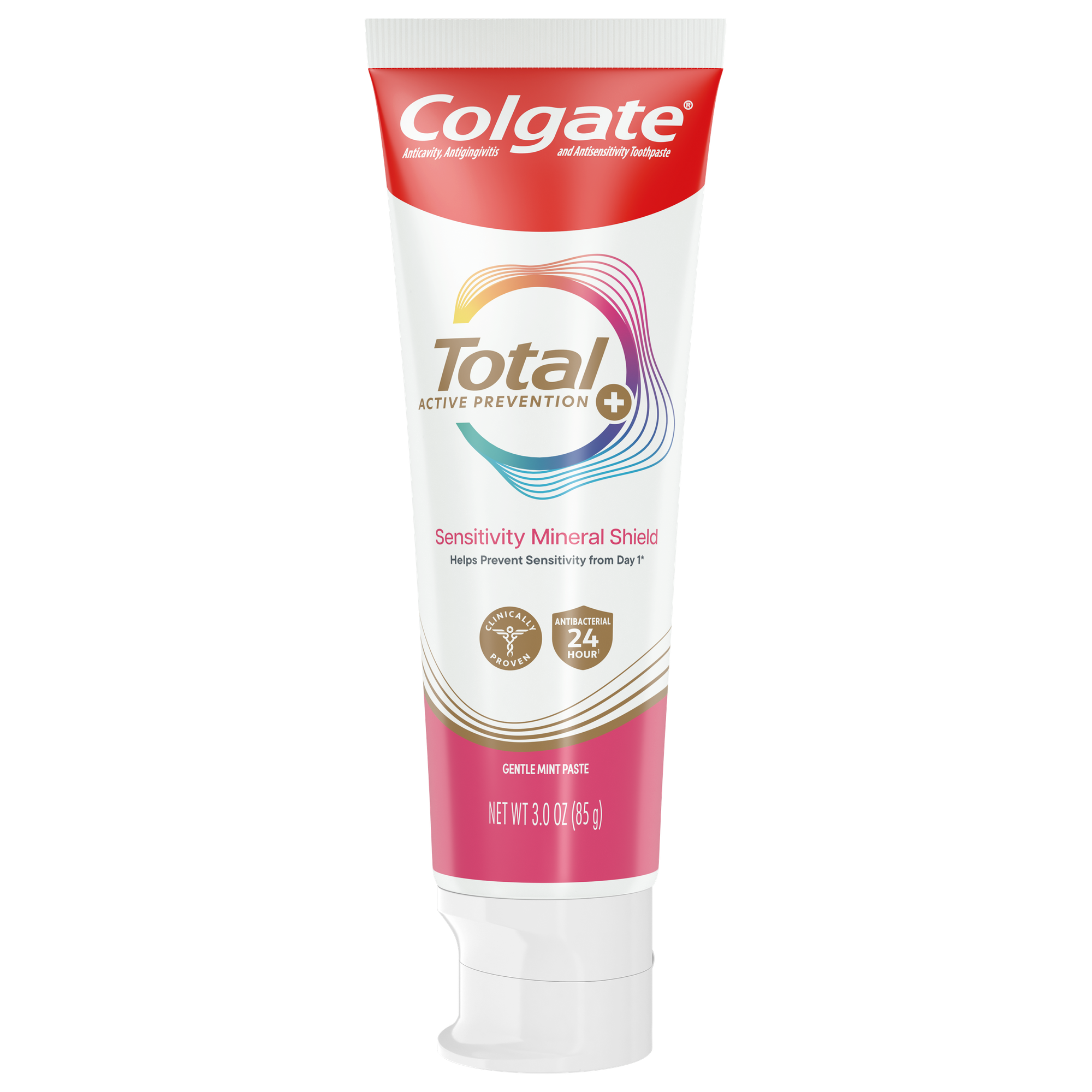
Help prevent sensitivity from day 1* with Colgate Total Active Prevention Sensitivity Mineral Shield Mint Toothpaste.
*with twice daily use
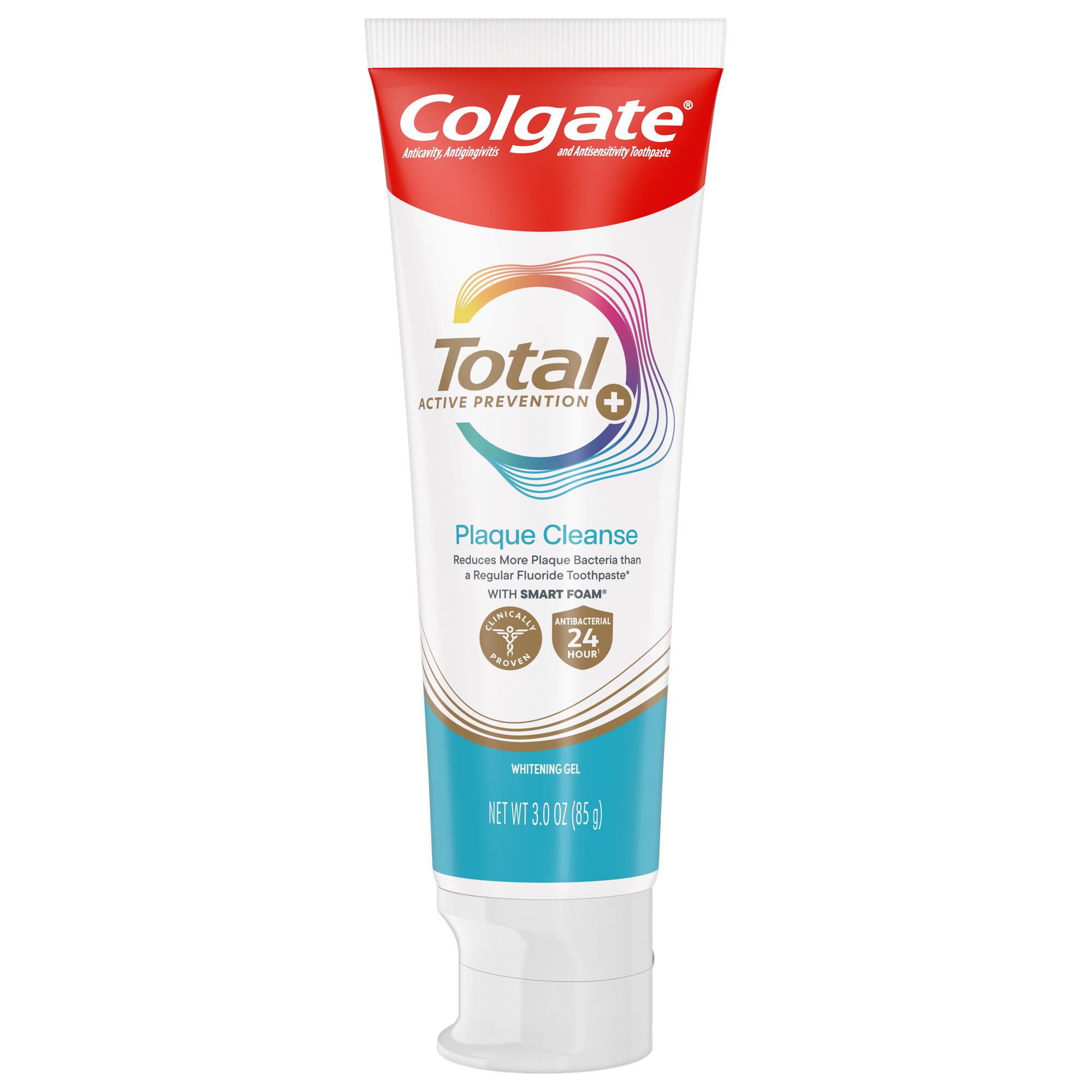
Help promote healthy gums using Colgate Total Active Prevention Plaque Cleanse Whitening Toothpaste Gel. This patented tartar prevention toothpaste fights the root cause* of gingivitis, plaque, tartar, cavities, sensitivity, bad breath, weak enamel, and stains and is 2x more effective*** at fighting bacteria, the root cause of oral health problems like cavities and gingivitis.
*via protection against bacteria and dietary exposures, with daily brushing
***via reduction of bacteria vs. non-antibacterial fluoride toothpaste with 2x daily brushing and 4 weeks use
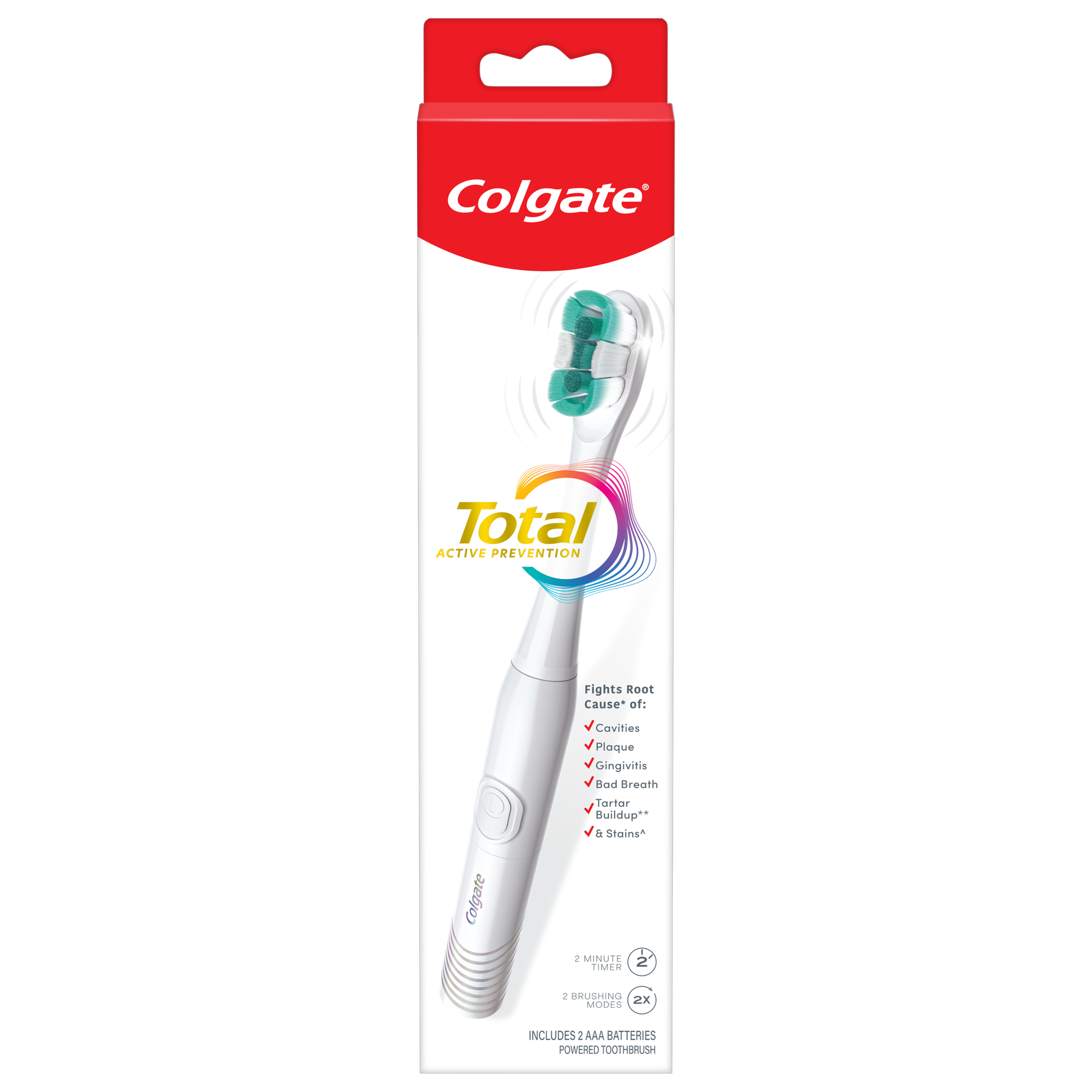
Colgate Total Active Prevention Battery Powered Electric Toothbrush, WhitePower away plaque with Colgate Total Battery Powered Toothbrush.
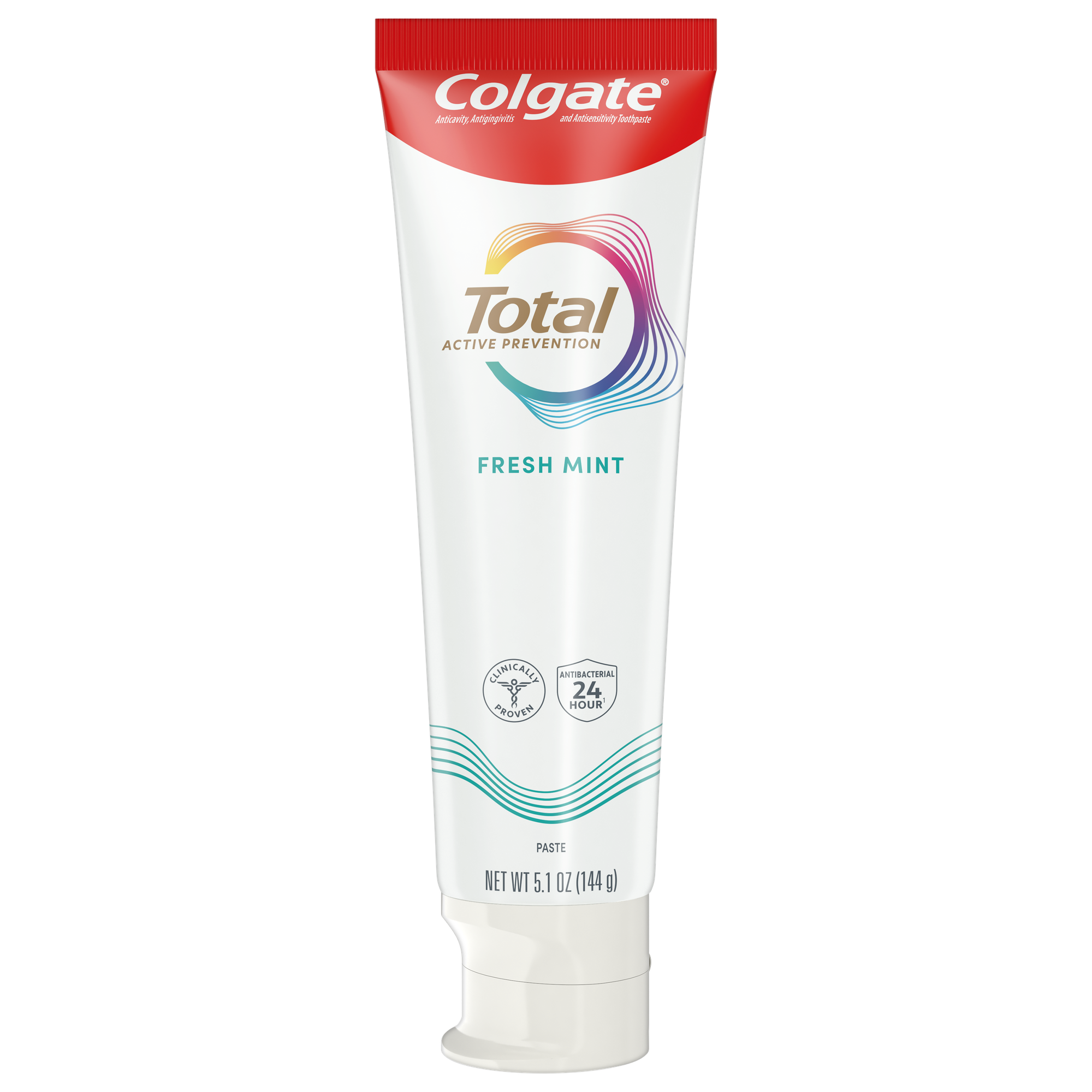
Colgate Total Fresh Mint Toothpaste fights bacteria, the root cause of many oral health issues such as gingivitis, tartar, sensitivity, weak enamel, bad breath, and cavities.


About Cookies on This Site

