Relieving Root Canal Infection Symptoms
3
min read


If you're experiencing tooth pain and think you may have root canal infection symptoms, see your dentist as soon as possible to get relief. The longer you wait, the less likely the procedure will be effective.
Dentists who specialize in root canals are called endodontists, and the American Association of Endodontists debunks some common myths surrounding the treatment. Are you afraid the root canal procedure will be painful? Pain management techniques, including anesthesia, are part of the treatment and help make removing the infected portion of the tooth as painless as possible. In fact, you may experience more pain if you leave the tooth untreated.
You might wonder if extracting your tooth altogether is a better option than a root canal. Most likely, your dentist and endodontist will tell you that keeping your natural tooth is always the best option to preserve your smile and avoid complicated dental work. Root canal treatment can keep your tooth functioning for the rest of your life.
Root canal infection symptoms range from mild to severe and may become more intense the longer you live with the discomfort. You may feel pain after eating hot or cold foods, which could linger for 30 seconds or more. The pain may feel like constant throbbing or pressure on your tooth, in which case eating and chewing might aggravate the tooth even more.
A dental visit is necessary to treat this kind of tooth pain. Without treatment, the infection could progress, causing swelling of the gums and sensitivity. In some cases, you may have an abscessed tooth and require root canal treatment immediately.
Rarely, a tooth may show no symptoms at all and still need a root canal. Your dentist may notice discoloration of the tooth and suggest an X-ray to examine the root tip area. In this instance, it's possible that a mouth injury has traumatized the tooth. Most often, root canals become necessary after an untreated cavity has caused deep decay in the soft layer in the center of the tooth, a condition called pulpitis.
Root canals can have up to a 90 percent success rate if done following standard protocols, according to the British Endodontic Society. It is normal to experience mild pain after completion, and the endodontist will advise you on when to call if your pain is beyond normal. In some circumstances, like if the tooth has a crack that was previously undetected, the treatment can fail and require further attention.
If you have a tooth infection, your endodontist will become your tooth saving specialist. These dentists are trained in treating your pain and keeping your natural teeth intact. If you have any severe tooth infection symptoms, consult a dental professional immediately.
Oral Care Center articles are reviewed by an oral health medical professional. This information is for educational purposes only. This content is not intended to be a substitute for professional medical advice, diagnosis or treatment. Always seek the advice of your dentist, physician or other qualified healthcare provider.
ORAL HEALTH QUIZ
Take our Oral Health assessment to get the most from your oral care routine

What is pulp capping and why may your dentist recommend a cap for you or your child? Learn more, here.

Teeth or crowns may flex or move. This movement can lead to fracture. The ferrule effect helps reduce the risk of the tooth fracturing, though it doesn't guarantee it.

A pulpotomy is a procedure a dentist may use to preserve your tooth when portions of a tooth's pulp is injured. Learn more, here.

Before you undergo dental treatment, your dentist or medical provider may recommend antibiotic prophylaxis. Learn what it is and how it works.
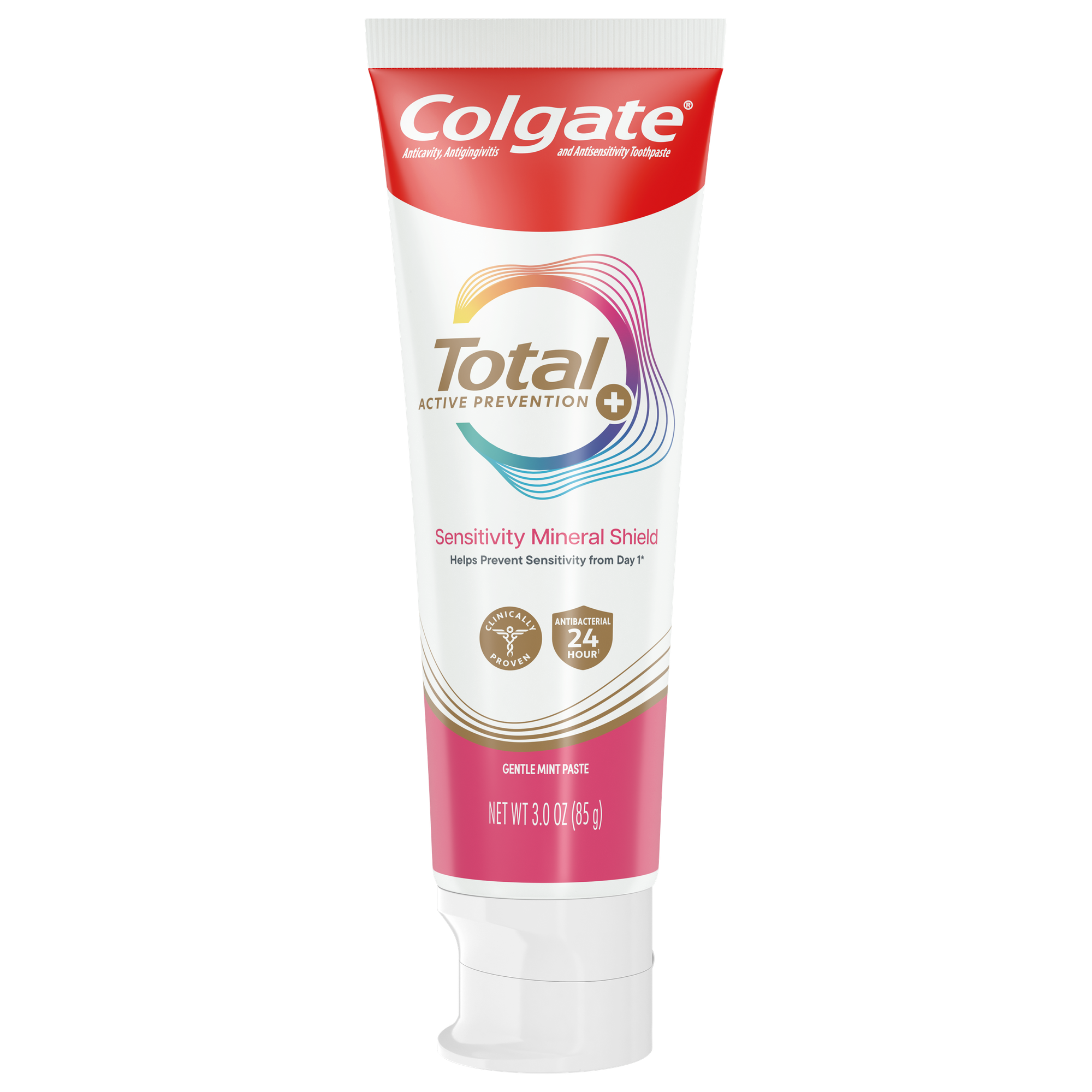
Help prevent sensitivity from day 1* with Colgate Total Active Prevention Sensitivity Mineral Shield Mint Toothpaste.
*with twice daily use
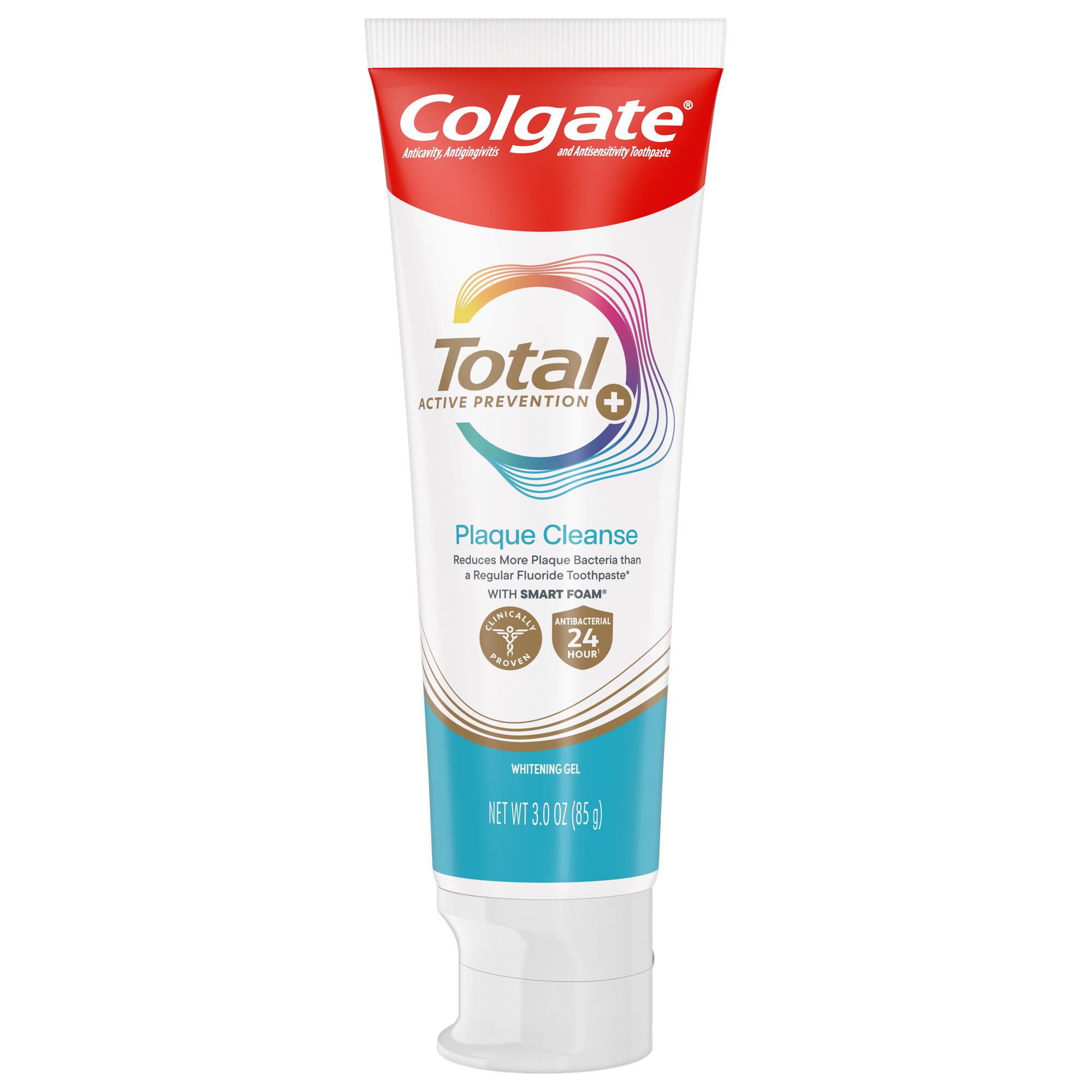
Help promote healthy gums using Colgate Total Active Prevention Plaque Cleanse Whitening Toothpaste Gel. This patented tartar prevention toothpaste fights the root cause* of gingivitis, plaque, tartar, cavities, sensitivity, bad breath, weak enamel, and stains and is 2x more effective*** at fighting bacteria, the root cause of oral health problems like cavities and gingivitis.
*via protection against bacteria and dietary exposures, with daily brushing
***via reduction of bacteria vs. non-antibacterial fluoride toothpaste with 2x daily brushing and 4 weeks use
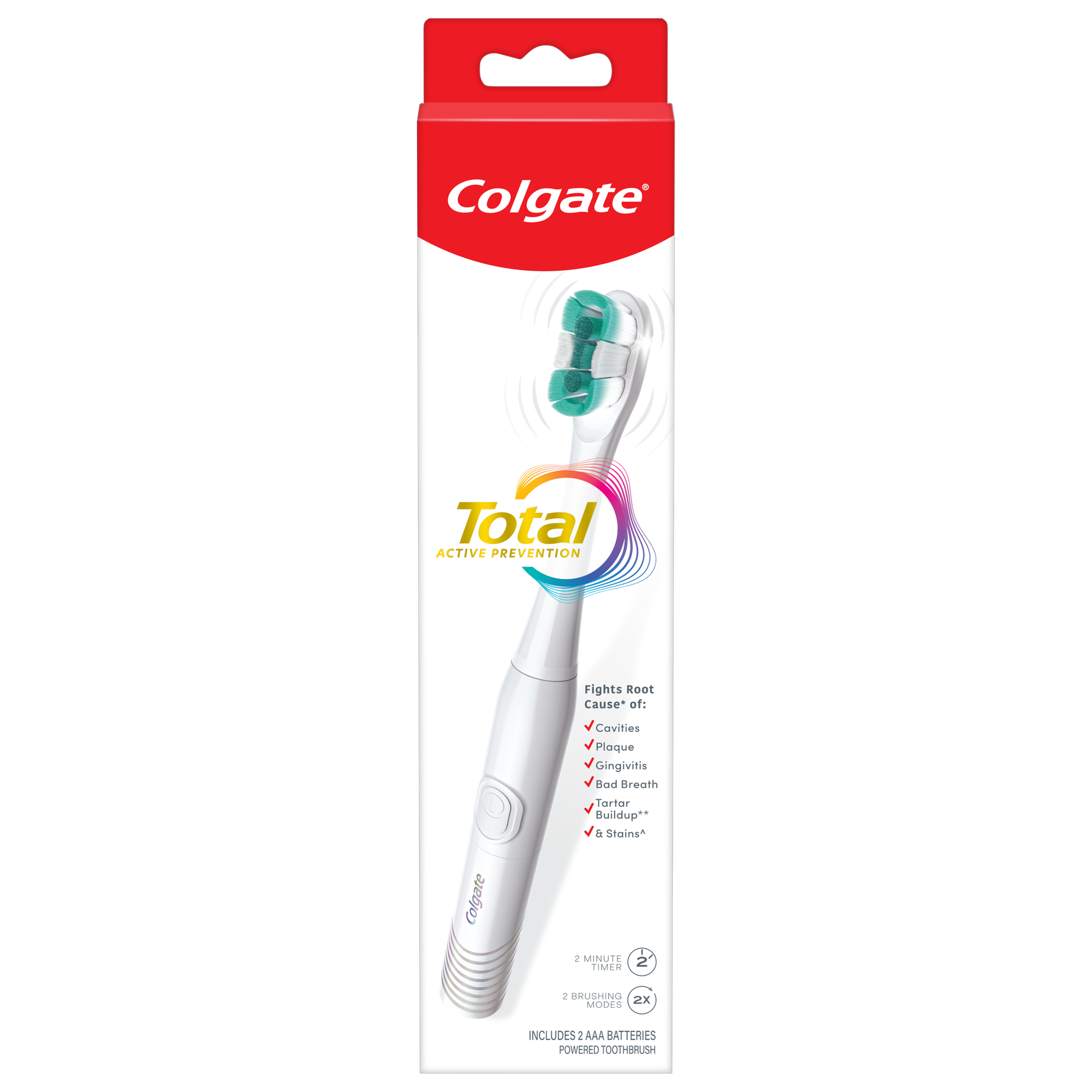
Colgate Total Active Prevention Battery Powered Electric Toothbrush, WhitePower away plaque with Colgate Total Battery Powered Toothbrush.
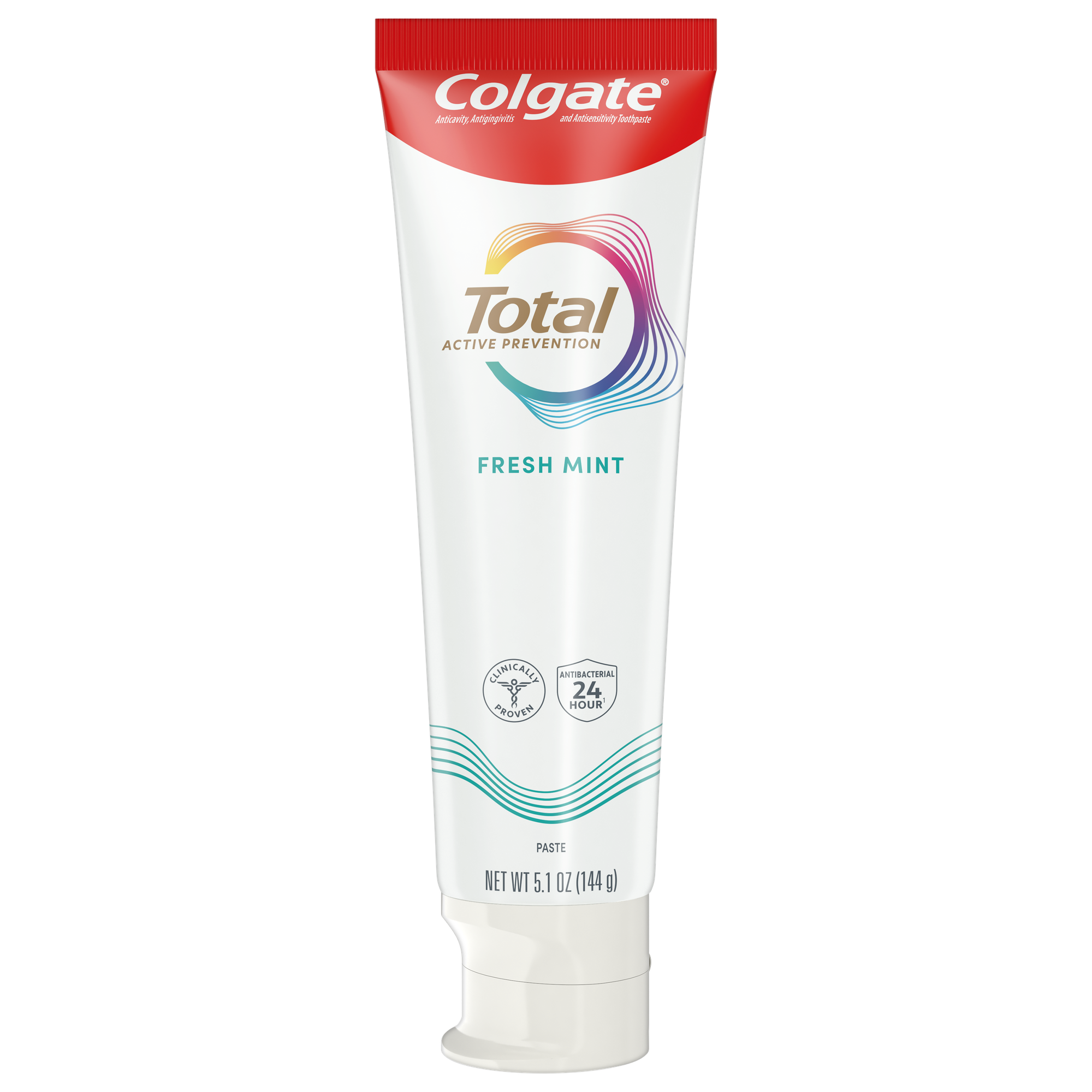
Colgate Total Fresh Mint Toothpaste fights bacteria, the root cause of many oral health issues such as gingivitis, tartar, sensitivity, weak enamel, bad breath, and cavities.


About Cookies on This Site

