Pulpotomy In Adults
3
min read


By removing the pulp tissue from the crown of the tooth and filling it with medicated material, the pulp in the roots of the tooth remains healthy. This is considered vital pulp therapy and is only done when there is no swelling or abscess.
Pulpotomies are typically performed on baby teeth. However, Case Reports in Dentistry published a study that concludes pulpotomies can be successful on fully formed, permanent teeth, as well.
These dental procedures sound similar, but they are done for different reasons. Whereas a pulpotomy involves the partial removal of a tooth's pulp, a pulpectomy involves the complete removal of pulp tissue in a tooth as the first step in root canal treatment.
Dentists recommend root canal treatment after determining a tooth's pulp has died or become infected. Root canal therapy involves removing all of the diseased pulp, both in the crown portion of the tooth and the roots. Damage to the pulp may be due to trauma, deep decay or a cracked tooth that leaves the pulp vulnerable. When bacteria reach the pulp, infection can form an abscess and spread into the surrounding bone. When this happens, the only alternative treatment to a pulpectomy and root canal is tooth removal.
Pulpotomies are less invasive and less expensive than root canal treatment, though the effectiveness varies. The authors of the Case Reports in Dentistry study establish that successful outcomes depend on a number of factors, such as how well the dentist controls bleeding and keeps the pulp free of bacteria during the procedure. Age is also a factor, since the pulp in older adults is more fibrous and has less blood supply, making the tooth less vital and making a successful outcome less likely. Two other critical considerations for positive results are the material's sealing ability for pulpal healing and the type of final restoration. A study published in the Journal of Dentistry found composite resins were less successful. So in cases when cost is not a factor, a full-coverage crown is ideal.
You may have some discomfort for a few days after a pulpotomy because of tissue inflammation, but it can be managed with an over-the-counter analgesic.
Accidents that cause trauma to a tooth may be out of your control, but preventing cavities is something you and your family can do. Limit the decay-causing bacteria in your mouth by brushing twice a day with fluoride toothpaste, flossing daily and swishing with a mouthwash. Keep regular dental visits so your dentist can find problems early, when a small filling may be all that is needed.
Oral Care Center articles are reviewed by an oral health medical professional. This information is for educational purposes only. This content is not intended to be a substitute for professional medical advice, diagnosis or treatment. Always seek the advice of your dentist, physician or other qualified healthcare provider.
ORAL HEALTH QUIZ
Take our Oral Health assessment to get the most from your oral care routine

What is pulp capping and why may your dentist recommend a cap for you or your child? Learn more, here.

Teeth or crowns may flex or move. This movement can lead to fracture. The ferrule effect helps reduce the risk of the tooth fracturing, though it doesn't guarantee it.
A pulpotomy is a procedure a dentist may use to preserve your tooth when portions of a tooth's pulp is injured. Learn more, here.

Before you undergo dental treatment, your dentist or medical provider may recommend antibiotic prophylaxis. Learn what it is and how it works.
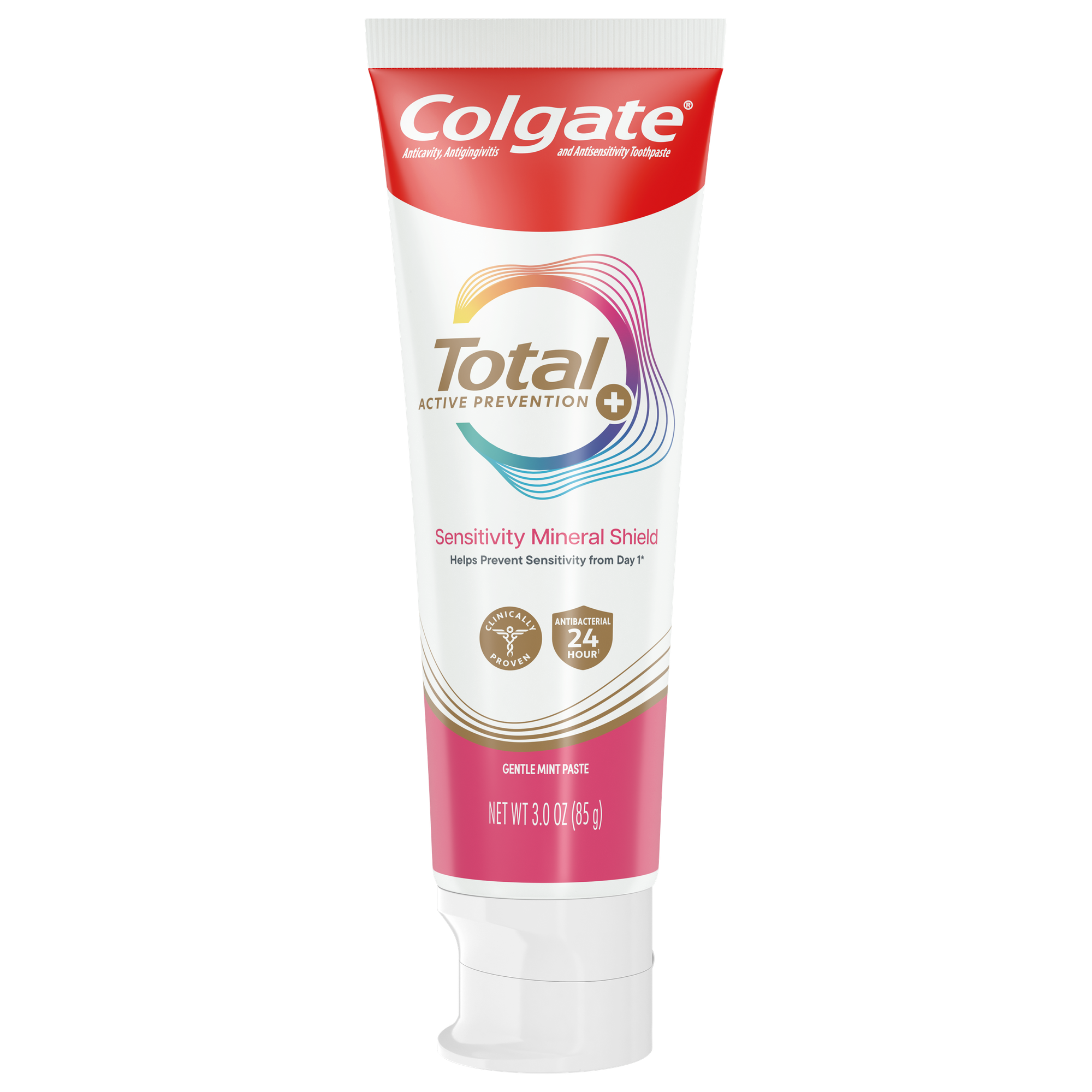
Help prevent sensitivity from day 1* with Colgate Total Active Prevention Sensitivity Mineral Shield Mint Toothpaste.
*with twice daily use
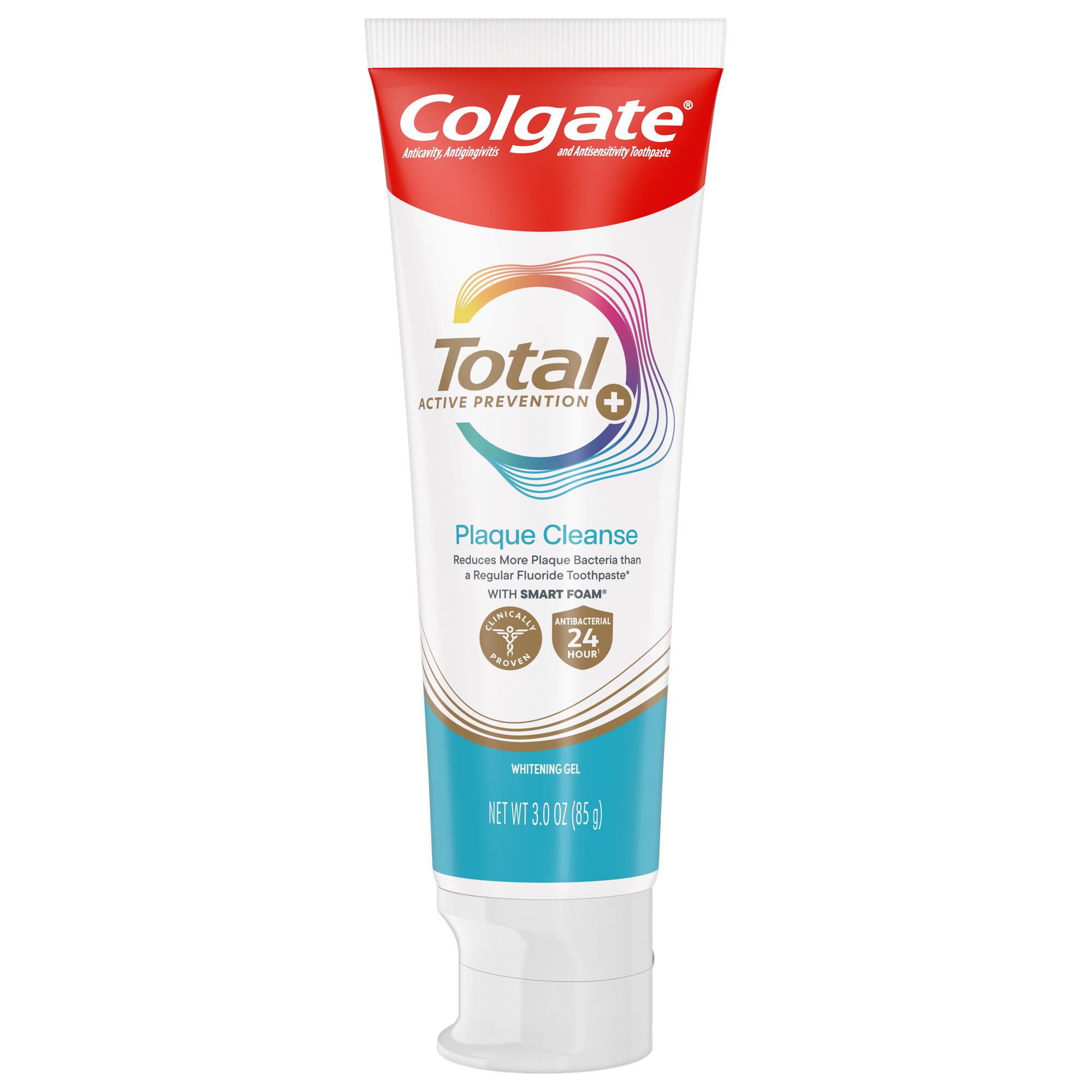
Help promote healthy gums using Colgate Total Active Prevention Plaque Cleanse Whitening Toothpaste Gel. This patented tartar prevention toothpaste fights the root cause* of gingivitis, plaque, tartar, cavities, sensitivity, bad breath, weak enamel, and stains and is 2x more effective*** at fighting bacteria, the root cause of oral health problems like cavities and gingivitis.
*via protection against bacteria and dietary exposures, with daily brushing
***via reduction of bacteria vs. non-antibacterial fluoride toothpaste with 2x daily brushing and 4 weeks use
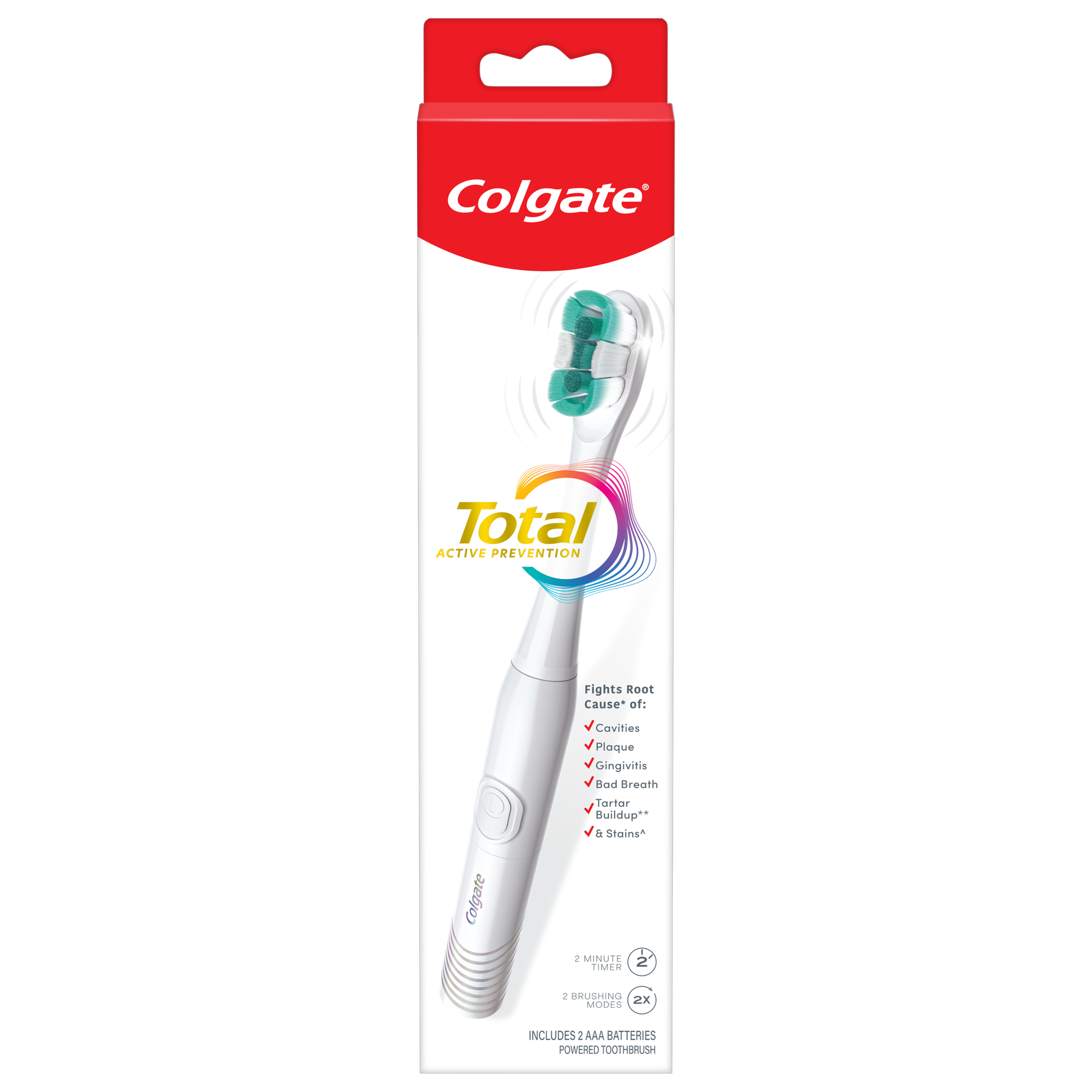
Colgate Total Active Prevention Battery Powered Electric Toothbrush, WhitePower away plaque with Colgate Total Battery Powered Toothbrush.
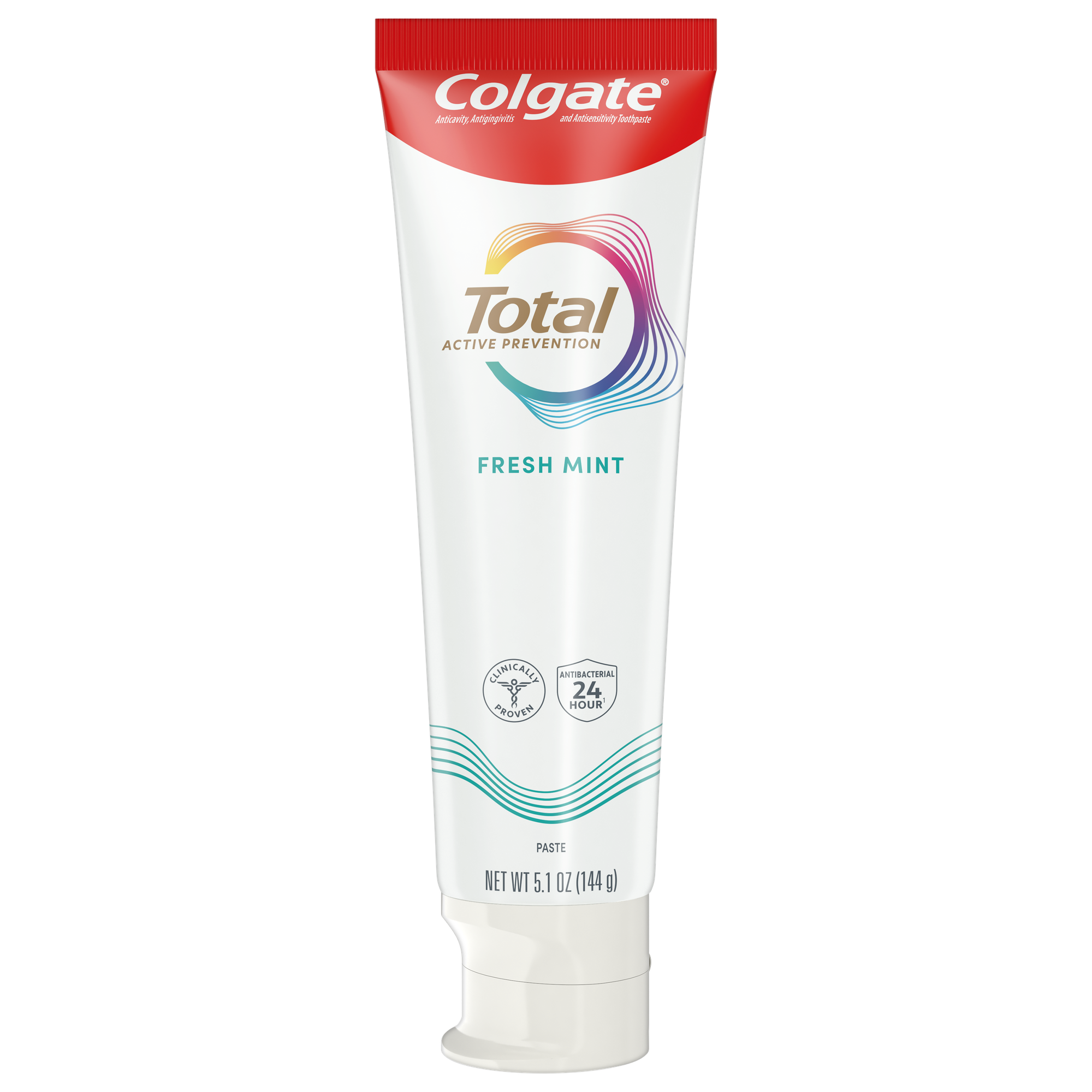
Colgate Total Fresh Mint Toothpaste fights bacteria, the root cause of many oral health issues such as gingivitis, tartar, sensitivity, weak enamel, bad breath, and cavities.


About Cookies on This Site

