Dental Sealants 101
January 9, 2023.
4
min read


Sealants are thin, protective coatings made of plastic materials. Dental professionals typically paint them on teeth with a high risk of decay, such as children’s molars, to keep cavities from forming. Because of the material, they smoothly flow over the grooves of the teeth and harden immediately so that children can start chewing soon after they’re applied.
Beyond the easy application, sealants are incredibly effective. According to the CDC, sealants can reduce the risk of decay by nearly 80% in back teeth, potentially eliminating or reducing the need for expensive fillings and crowns. Yet while sealants are a safe and easy way to prevent cavities, only about 43% of children have them. Luckily, the federal government is enacting measures that make teeth sealing more accessible.
So, how do dentists seal teeth? Let’s look at the step-by-step process.
According to The Cleveland Clinic, there are six steps to this process, and it only takes a few minutes.
While composite resins are commonly used for this treatment, your oral care provider might recommend a glass ionomer treatment instead. According to the FDA, glass ionomer cement contains a combination of organic materials and a glass filler that releases fluoride over time.
When it comes to the benefits or advantages of this type of sealant, The Journal of Functional Biometrics says that while both types of materials are effective, glass-ionomer can be more effective in preventing cavities. That’s because this material can easily absorb fluid while still attaching to the tooth’s enamel, which ultimately adds stability to the material. This also means that the procedure for receiving a glass ionomer treatment is different from plastic-based sealants. Because this type of material absorbs fluid, the tooth does not need to be dried. This material is also self-curing, so your oral care provider will not need to use a light to dry it.
As far as which treatment is right for you or your child, it all depends on the specific needs. It’s worth noting that while sealants are a practical preventative choice, they do not take the place of brushing and flossing: be sure to brush twice a day with a soft-bristle toothbrush, floss daily, and visit your dentist office for regular checkups.
Overall, it’s a great idea to chat with your dentist or hygienist as your child’s molars start growing to see if a dental sealant is a good idea in preventing future cavities. That way, they can grow up with healthier teeth and more confident smiles.
Oral Care Center articles are reviewed by an oral health medical professional. This information is for educational purposes only. This content is not intended to be a substitute for professional medical advice, diagnosis or treatment. Always seek the advice of your dentist, physician or other qualified healthcare provider.
ORAL HEALTH QUIZ
Take our Oral Health assessment to get the most from your oral care routine
Dentists and dental hygienists can usually seal teeth in a single visit. Learn more about the steps involved with traditional, resin-based materials.

A glass ionomer sealant is one of the latest alternatives to older, resin-based restorations. Its materials and application are a bit different.

Few kids can maintain healthy teeth without help. Here are five benefits of sealing molars as one of the most cost-effective ways to protect their teeth.

What are dental sealants? Are they effective? Find out all of the answers to your burning questions on tooth sealants with Colgate. Click here.
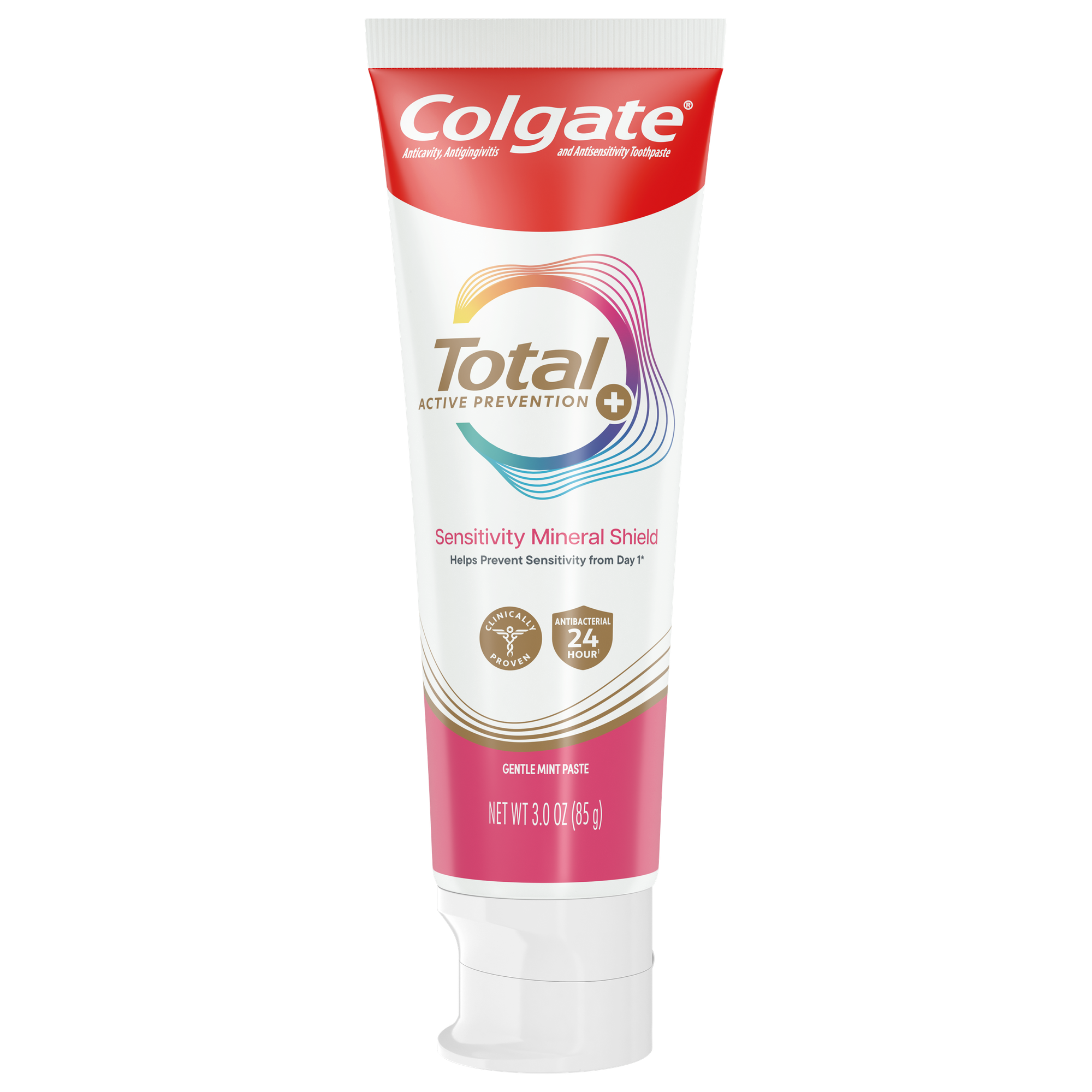
Help prevent sensitivity from day 1* with Colgate Total Active Prevention Sensitivity Mineral Shield Mint Toothpaste.
*with twice daily use
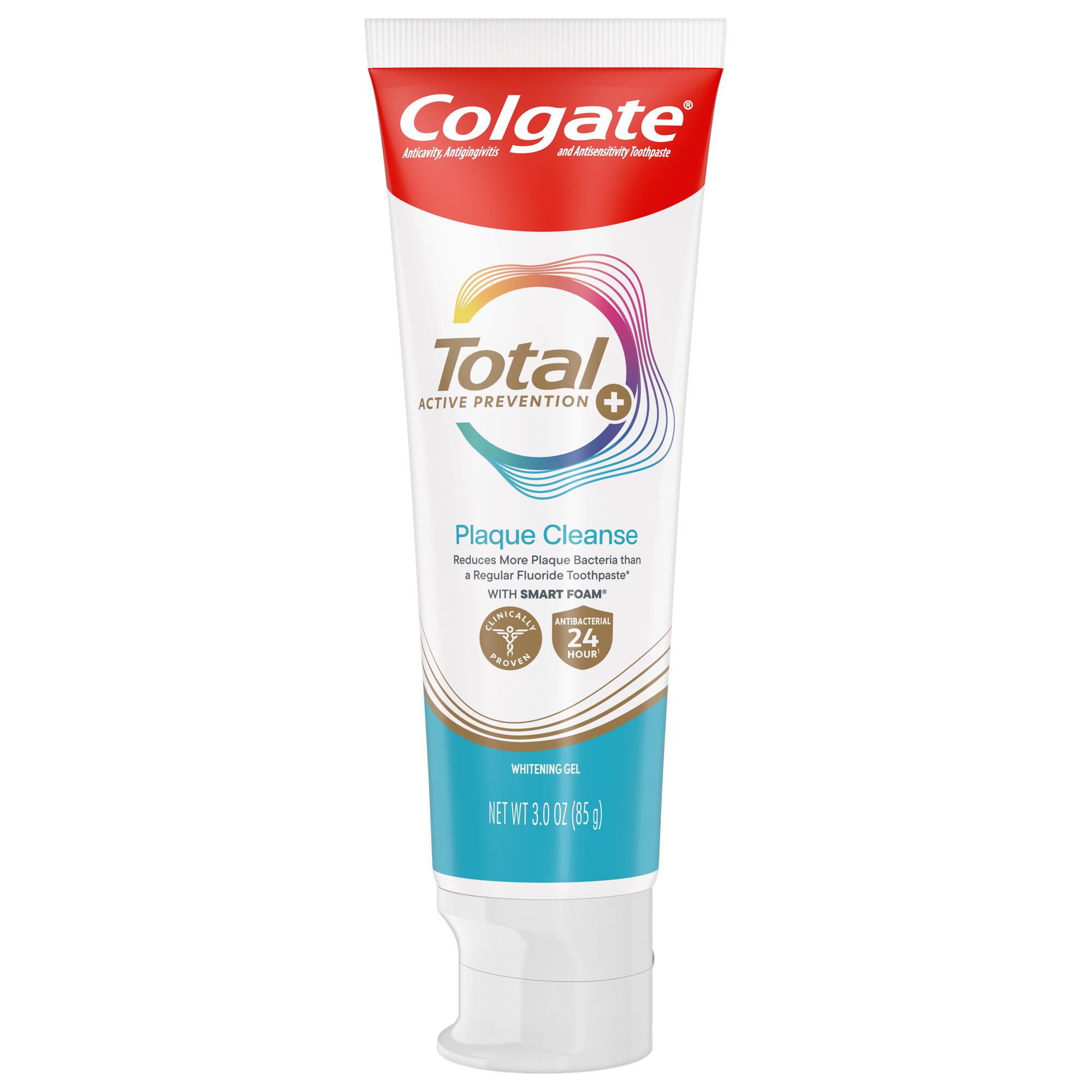
Help promote healthy gums using Colgate Total Active Prevention Plaque Cleanse Whitening Toothpaste Gel. This patented tartar prevention toothpaste fights the root cause* of gingivitis, plaque, tartar, cavities, sensitivity, bad breath, weak enamel, and stains and is 2x more effective*** at fighting bacteria, the root cause of oral health problems like cavities and gingivitis.
*via protection against bacteria and dietary exposures, with daily brushing
***via reduction of bacteria vs. non-antibacterial fluoride toothpaste with 2x daily brushing and 4 weeks use
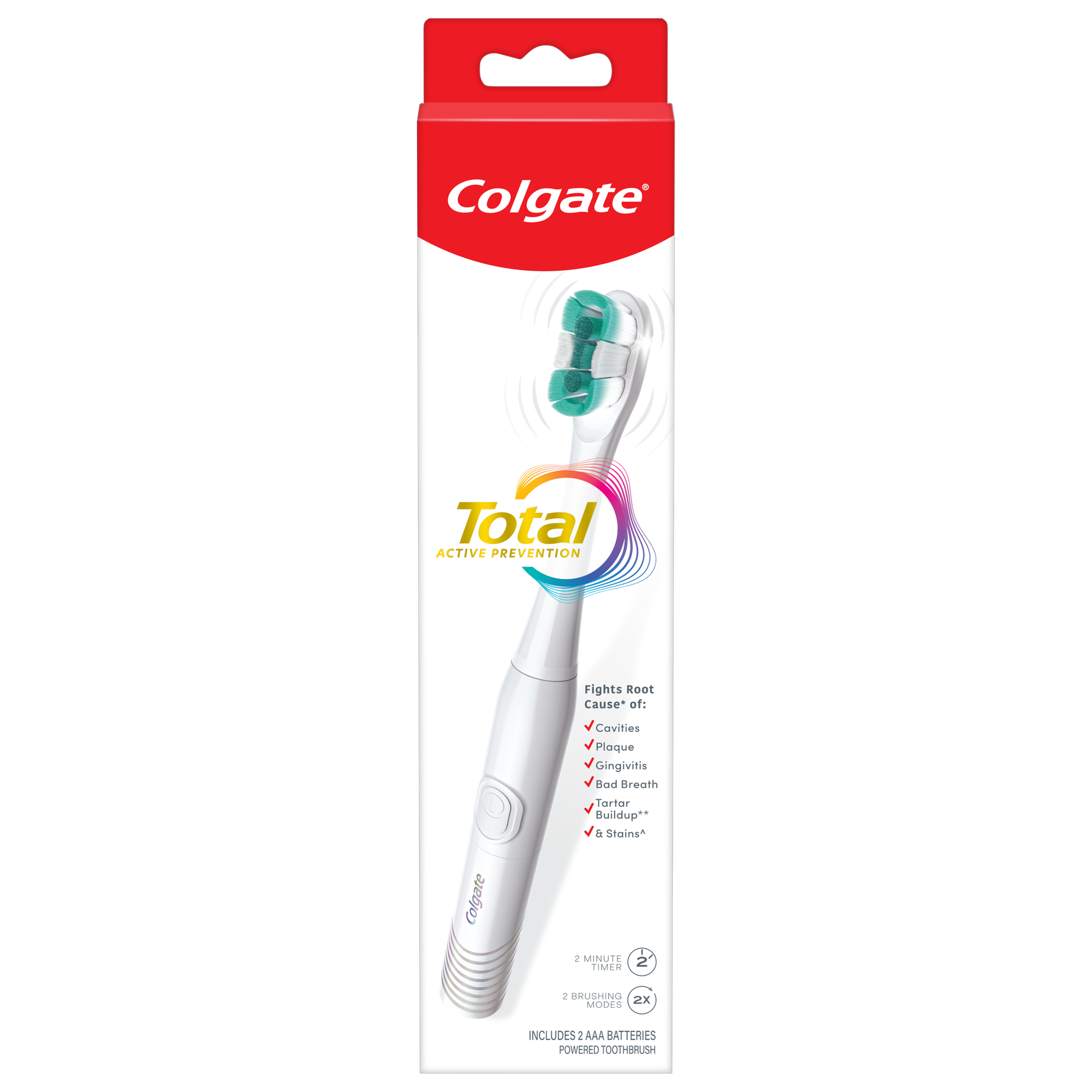
Colgate Total Active Prevention Battery Powered Electric Toothbrush, WhitePower away plaque with Colgate Total Battery Powered Toothbrush.
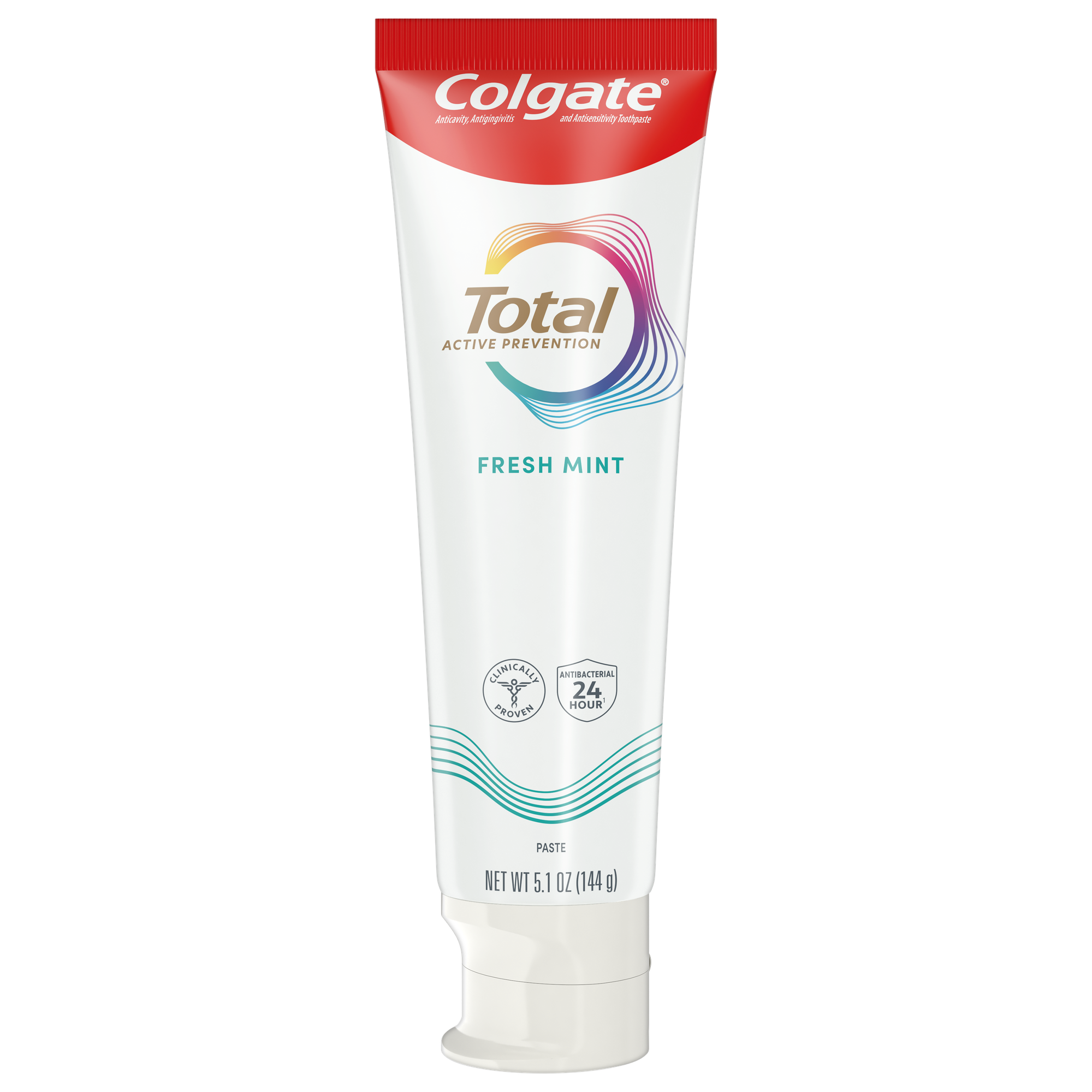
Colgate Total Fresh Mint Toothpaste fights bacteria, the root cause of many oral health issues such as gingivitis, tartar, sensitivity, weak enamel, bad breath, and cavities.


About Cookies on This Site

