Am I Too Old for Braces? The Surprising Health Benefits of Orthodontic Treatment for Older Adults
By: Ann Eshenaur Spolarich, RDH, PhD, FSCDH
min read

Am I Too Old for Braces? The Surprising Health Benefits of Orthodontic Treatment for Older Adults
By: Ann Eshenaur Spolarich, RDH, PhD, FSCDH

Do you think braces are just for kids and teenagers? Not anymore. Today, a growing number of older adults are seeking orthodontic treatment - not just for a cosmetic upgrade, but as a vital investment in their overall health.
Having a comfortable bite, proper function, and a beautiful smile can significantly boost your confidence and self-esteem. But beyond aesthetics, there are major medical and dental benefits to straightening your teeth later in life.
Here is what you need to know about adult orthodontics and why it might be the right choice for you.
Even if you had braces as a child, you might notice your teeth shifting or your front teeth becoming crowded as you get older. This is entirely natural and happens for a few key reasons:
When teeth shift, it can lead to a poor bite, difficulty chewing, chronic headaches, and TMJ (jaw) pain. Furthermore, crowded or overlapping teeth are much harder to clean, which increases the risk of trapped food, bad breath, tooth decay, and abnormal enamel wear or chipping 1.
While getting a great-looking smile is a top reason adults seek treatment, correcting your bite provides profound, long-lasting health benefits:
A Quick Tip on Brushing with Braces: During your treatment, your dentist or dental hygienist can recommend special tools like interdental cleaners and oral irrigators to make home care easier. It is also essential to use fluoride during your treatment. Fluoride reduces the risk of decay and prevents "white spot lesions" (enamel demineralization) from forming on your teeth after your treatment is finished.
Orthodontists frequently collaborate with prosthodontists and periodontists when planning treatment for older adults. Together, this dental team helps to ensure that your ability to function well is restored so that you can eat to maintain proper nutrition.2 They will also plan to correct for any changes that have impacted facial structure and symmetry.2
This collaborative care helps ensure that the teeth can be moved safely into the correct position and the overall supporting structures for new restorative and prosthetic dental work are healthy to optimize treatment outcomes.
You do not have to settle for traditional metal brackets if you don't want to. Today, adults have several discreet and convenient options:
Your orthodontist will explain the pros and cons of each and help you choose the best fit for your lifestyle.
What to Expect Regarding Timelines: Keep in mind that adult bone has finished growing and is less responsive to the forces needed to move teeth compared to children or younger adults.3 Because of this, tooth movement is slower in adults, and your treatment plan may take a bit longer.
Older adults should never hesitate to seek a consultation for orthodontic care. Straightening your teeth is more convenient and less noticeable than ever before, and the benefits go far beyond a cosmetic fix. By improving your comfort, function, and ability to keep your mouth clean, orthodontic treatment is an incredible investment in both your oral and overall health, helping you keep your teeth for a lifetime.
Oral Care Center articles are reviewed by an oral health medical professional. This information is for educational purposes only. This content is not intended to be a substitute for professional medical advice, diagnosis or treatment. Always seek the advice of your dentist, physician or other qualified healthcare provider.
ORAL HEALTH QUIZ
Take our Oral Health assessment to get the most from your oral care routine
ORAL HEALTH QUIZ
Take our Oral Health assessment to get the most from your oral care routine

Teeth shifting out of alignment can occur for several reasons other than when braces are removed. Learn more about preventative tips for teeth shifting.

The use of at-home braces is a newer concept in dentistry that has many in the profession concerned. Learn more about at home braces and the risks, here.
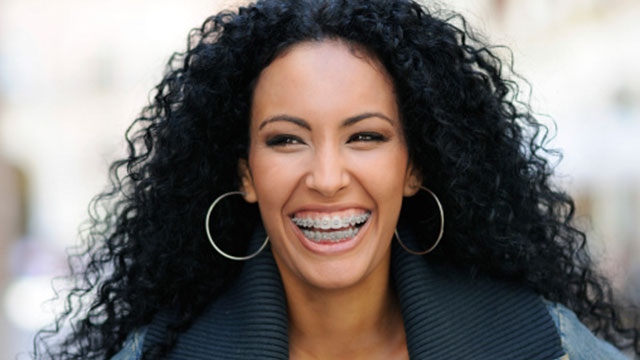
Tooth wax, also called dental wax, is a soft material that can be used to temporarily cover sharp surfaces inside your mouth.

You can use retainers, teeth whitening procedures, contouring and teeth reshaping after braces come off to perfect your smile.
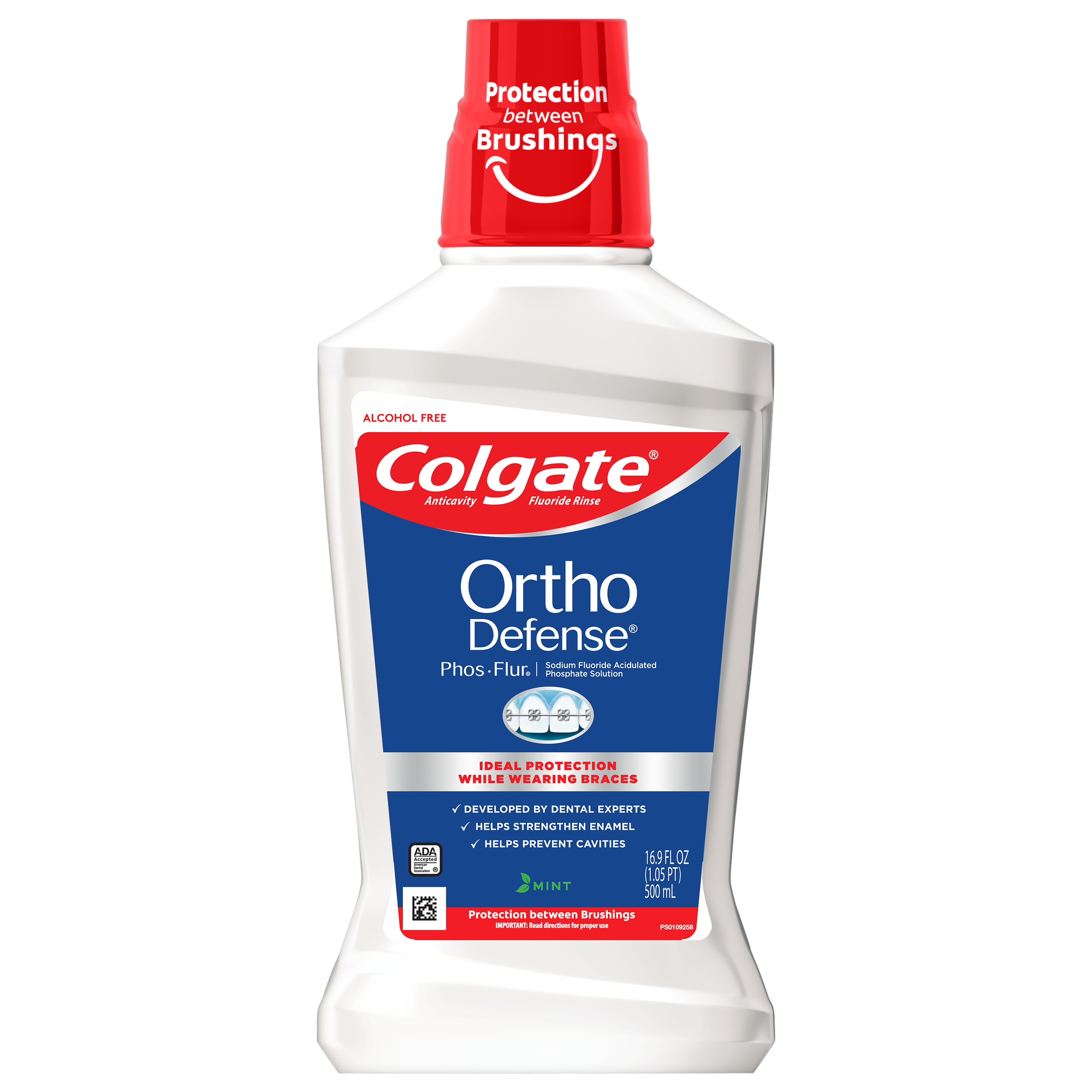
Safe, great-tasting and easy to use, Phos-Flur® Rinse is specially formulated for orthodontic patients and provides clinically proven fluoride protection.
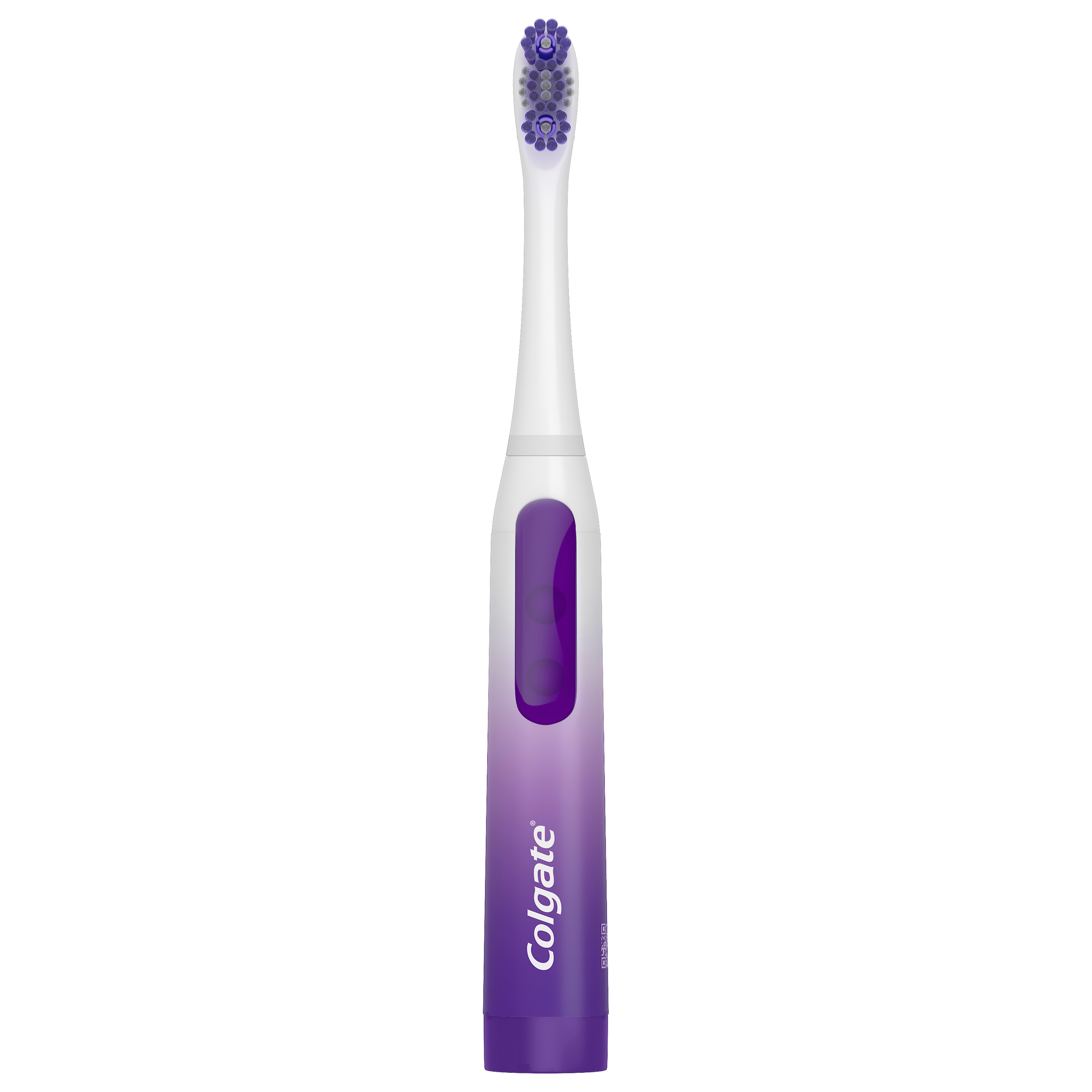
The Colgate® 360 Gum Health sonic powered toothbrush with extra soft bristles gently cleans teeth and massages gums. Try it today!
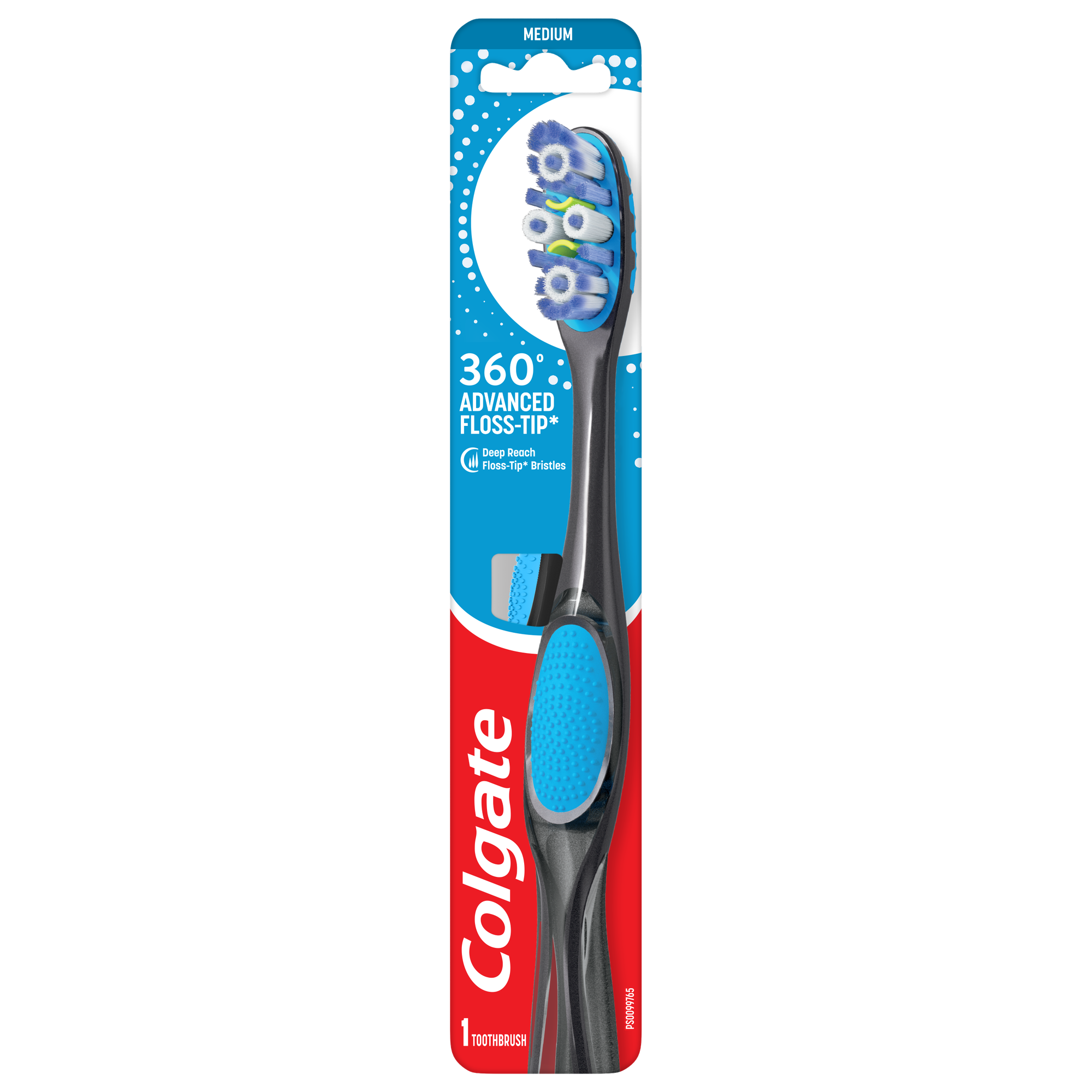
The Colgate® 360° Floss-Tip Toothbrush* features medium Floss-Tip* bristles that gently reach deep between teeth and along the gumline to provide a deep clean.
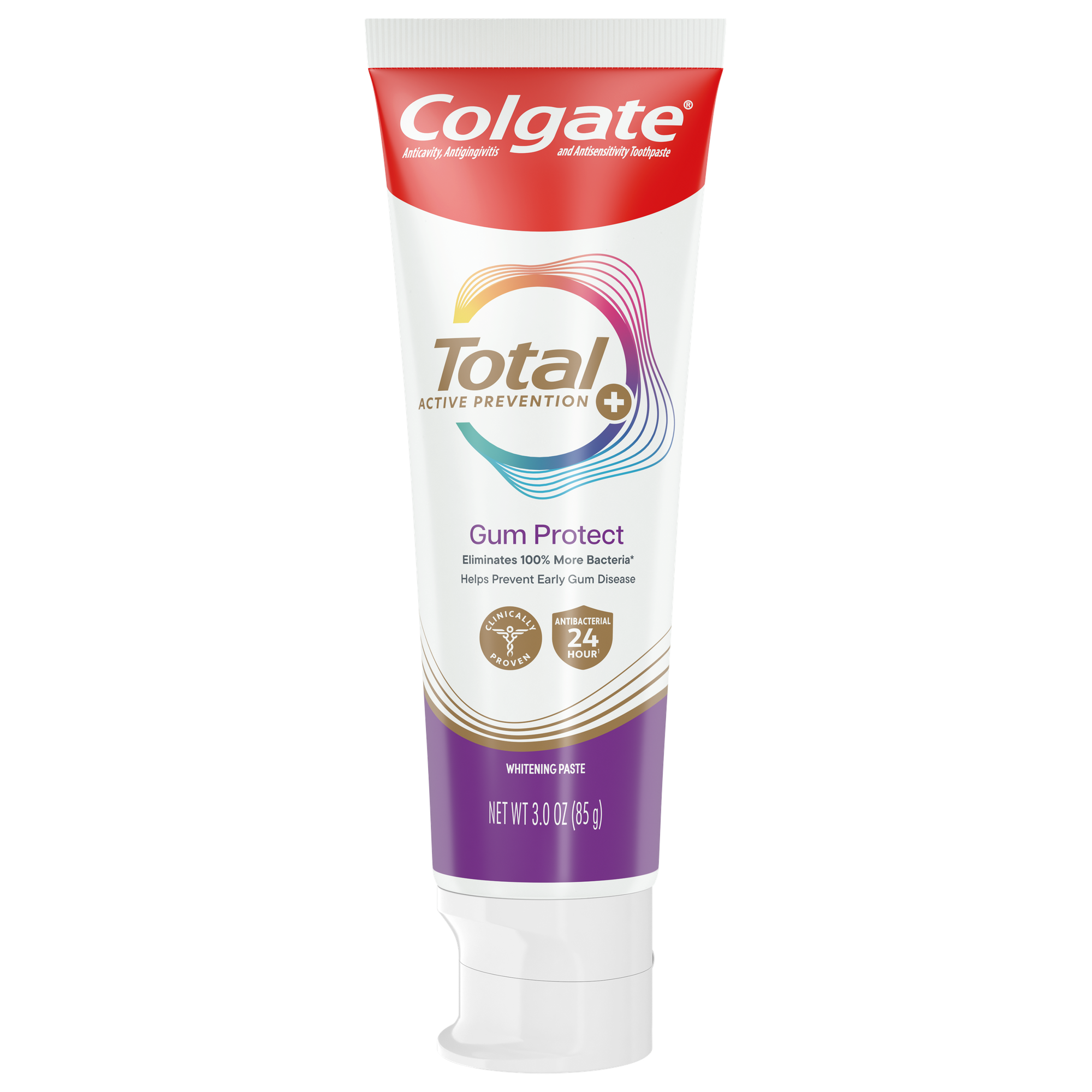
Help protect your gum health with Colgate Total Active Prevention Plus Gum Protect Whitening Toothpaste.

