GLP-1 and Your Mouth: The Oral Side Effects to Know
~7.5
min read

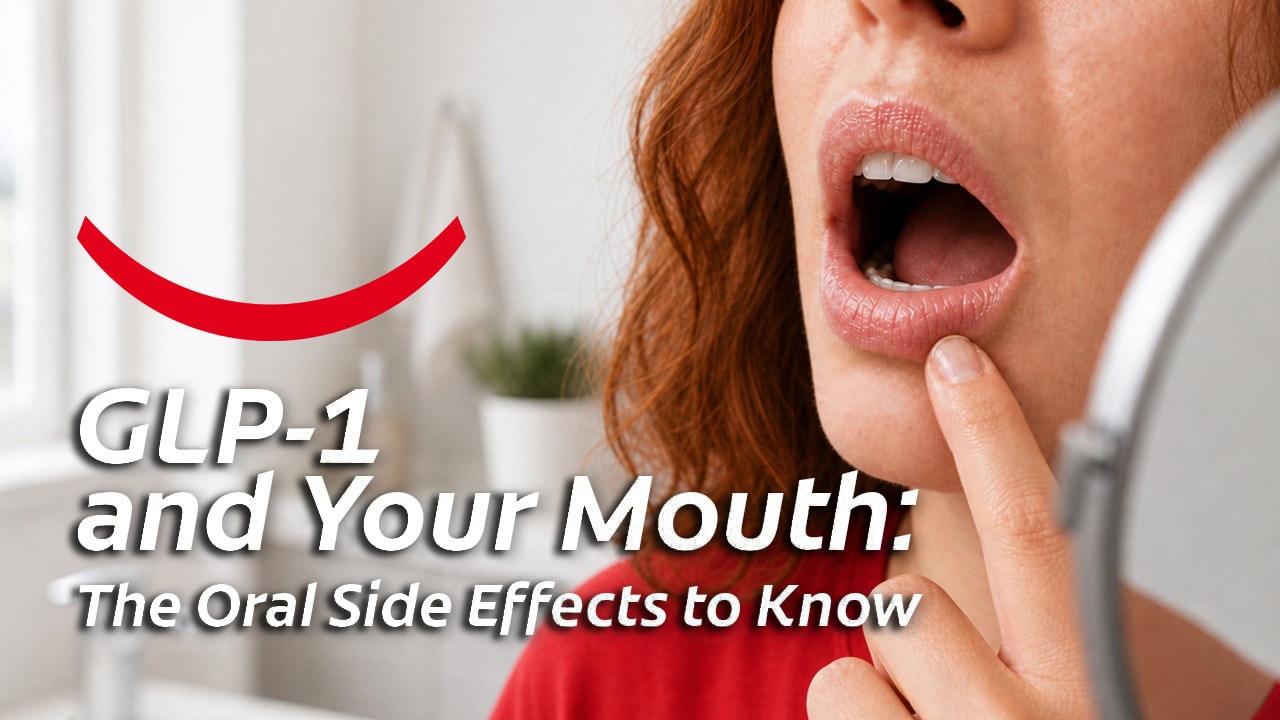
"GLP-1 mouth" describes a cluster of oral health changes - dry mouth, increased cavities, enamel erosion, gum sensitivity, and bad breath - reported by patients on GLP-1 medications such as semaglutide and tirzepatide.
These effects are indirect: GLP-1 drugs do not chemically attack enamel. Damage occurs through reduced saliva production, nausea-induced vomiting, acid reflux, and nutrient deficiencies from reduced food intake.
As of mid-2026, no published clinical trial directly links semaglutide to enamel or gum damage. The evidence chain is mechanistic and observational, but widely recognized by the ADA.
Proactive measures like fluoride toothpaste, consistent hydration, xylitol gum, alcohol-free mouthwash, and more frequent dental visits can substantially reduce the risk of some GLP-1 mouth changes.
"GLP-1 mouth" (dental effects) is distinct from "GLP-1 face" (cosmetic fat-loss changes around the jaw and cheeks).
GLP-1 mouth is a non-medical term describing oral health changes — dry mouth, accelerated tooth decay, enamel erosion, gum sensitivity, and bad breath — reported by patients taking GLP-1 medications such as semaglutide and tirzepatide. These effects are indirect consequences of reduced saliva production, nausea, acid reflux, and dietary changes caused by the medication.
“GLP-1 mouth” is an informal term that describes oral health changes reported by some patients taking GLP-1 medications such as semaglutide and tirzepatide. These medications, which mimic the glucagon-like peptide-1 hormone to help regulate blood sugar and appetite, may indirectly affect oral health through reduced saliva production , nausea, acid reflux, vomiting, and dietary changes.
The American Dental Association (ADA) has formally acknowledged the pattern, and dental professionals across the United States are increasingly encountering patients presenting with these concerns.
The term actually covers two related but distinct phenomena. The first is dental and periodontal: dry mouth (xerostomia) - the persistent reduction of saliva production - accelerates dental caries, enamel erosion, and gum sensitivity caused by the biological effects of GLP-1 drugs on saliva production and digestion. The second is cosmetic: perioral volume loss - wrinkles around the mouth and sagging along the jawline - caused by rapid fat loss associated with significant weight reduction. Understanding which phenomenon is occurring matters clinically, because dental effects require active oral care intervention, while cosmetic changes fall outside the scope of dentistry entirely.
Patients on GLP-1 medications report a consistent set of oral symptoms, sometimes appearing within weeks to months of starting treatment. Each symptom traces to one or more of the three biological pathways explained in the next section. Recognizing these changes early - before enamel damage becomes irreversible - is the most clinically actionable step you can take.
Watch for these warning signs and seek prompt dental care if you notice any of the following:
GLP-1 medications do not directly dissolve enamel or attack gum tissue. Instead, they can potentially trigger three distinct biological cascades, each one creating conditions in the mouth that make dental damage far more likely.
Semaglutide acts on GLP-1 receptors located throughout the body, including within the salivary glands. A review published in Biology (2025) found that semaglutide's strong albumin binding leads to prolonged receptor activation, potentially disrupting the calcium and cAMP cross-talk essential for normal saliva secretion. Persistent receptor stimulation may cause desensitization and β-arrestin-mediated internalization, progressively reducing salivary gland responsiveness. Compounding this, GLP-1 medications also suppress thirst cues, meaning patients may drink less fluid without being aware of it, further reducing overall saliva volume.
Saliva performs four protective functions that are compromised when its volume drops: (1) neutralization of oral acids, (2) mechanical removal of bacteria and food debris, (3) enamel remineralization (the natural process by which saliva deposits calcium and phosphate ions back into enamel to repair microscopic damage) and (4) direct antimicrobial activity. Without adequate saliva, Streptococcus mutans and other cavity-causing bacteria can thrive, oral pH can drop, and enamel dissolution can accelerate.
The FDA reports that 16–20% of patients on semaglutide experience nausea, and up to 24% report vomiting, particularly during the dose-escalation phase. A 2026 analysis of ICD diagnostic codes from more than 200,000 semaglutide users found that these patients are approximately 32.9% more likely to develop gastroesophageal reflux disease (GERD) than matched controls.
Gastric acid carries a pH of 1.5–3.5 - well below the pH 5.5 threshold at which enamel begins to dissolve. Each vomiting episode or reflux event deposits this acid directly onto tooth surfaces. A critical mistake patients often make is brushing immediately after vomiting. Acid temporarily softens enamel mineral structure, and brushing at that moment physically removes the softened layer. Even a few episodes per month, sustained over three to twelve months, can produce measurable enamel loss, particularly on the palatal (inner) surfaces of upper front teeth, the first contact point for rising gastric acid.
GLP-1 medications suppress appetite substantially; some patients reduce their caloric intake by 30–50% during active treatment. Reduced consumption of calcium, vitamin D, and vitamin C - nutrients critical for enamel mineralization, periodontal bone density, and gum tissue integrity - does not manifest in the mouth immediately. Deficiency effects typically emerge between months three and twelve as more fragile gum tissue, faster enamel erosion, and decreased alveolar bone density. Patients focused on weight loss progress may not connect their nutritional changes to oral deterioration, significantly delaying clinical intervention.
| Pathway | Biological trigger | Primary oral consequence | Timeline of onset |
|---|---|---|---|
| Reduced saliva (xerostomia) | GLP-1 receptor activation in salivary glands; suppressed thirst cues | Cavities, halitosis, gum inflammation | Weeks to months |
| Nausea / vomiting / acid reflux (GERD) | Delayed gastric emptying - a slowing of food movement through the stomach and intestines caused by GLP-1 drugs; lower esophageal sphincter relaxation | Enamel erosion, tooth sensitivity, bad breath | Weeks (first dosing phase) |
| Nutritional deficiencies | Appetite suppression → reduced calcium, vitamin D, vitamin C intake | Gum fragility, slower enamel remineralization, alveolar bone density loss | Months 3–12 |
Source: Barać & Roganović (2025), Biology 14:1650, on the salivary mechanism of semaglutide. Reliable academic source supporting the biological explanation.
Both terms describe physical changes that occur in people using GLP-1 weight-loss medications, but their causes, consequences, and clinical management are entirely distinct. "GLP-1 face" - and "GLP-1 mouth" in its cosmetic sense - refer to perioral and facial volume loss resulting from rapid subcutaneous fat depletion, an indirect effect of significant weight loss rather than a direct pharmaceutical effect. Patients may notice sagging around the jawline, deeper lines around the lips, or a hollowed appearance to the cheeks. By contrast, "GLP-1 mouth" in its dental sense refers to intraoral biological changes caused by reduced saliva, acid exposure, and nutritional deficits. One is an aesthetic concern; the other is a genuine health risk requiring active dental intervention. Confusing the two leads patients to seek the wrong type of care, or to dismiss a real dental risk as merely cosmetic.
| Feature | GLP-1 Mouth (dental) | GLP-1 Face / GLP-1 Mouth (cosmetic) |
|---|---|---|
| Primary cause | Reduced saliva, acid exposure, nutrient deficiency | Rapid subcutaneous fat loss (perioral fat pads) |
| Location | Inside the mouth - teeth, gums, oral mucosa | Outside - cheeks, jawline, lips, wrinkles around the mouth |
| Health risk | High - enamel loss is irreversible | Low - cosmetic concern, not a health danger |
| Who manages it | Dentist, periodontist | Dermatologist, plastic surgeon |
| Reversibility | Partial - cavities are treatable; enamel loss is permanent | Partial - fillers, resistance training, and increased protein intake can help |

Not all GLP-1 medication users develop significant oral health changes. Risk is modulated by several pre-existing conditions and behavioral factors. Importantly, the combination of multiple risk factors compounds the effect of each individual pathway; a patient with pre-existing dry mouth who also experiences frequent nausea and reduces their calcium intake faces exponentially higher dental risk than a patient with none of these factors. If you fall into more than one of the categories below, proactively shifting from biannual to quarterly dental check-ups is strongly advisable before symptoms appear, not after.
The connection between diabetes and oral health is well established: blood sugar dysregulation impairs the immune response within gum tissue and slows healing. Patients using GLP-1 medications for type 2 diabetes management may therefore carry a compounded risk profile that warrants closer dental monitoring.
The potential dental consequences of GLP-1 medications are largely preventable or manageable with targeted oral care measures. Each protective action below targets one or more of the three biological pathways identified above - saliva augmentation, acid neutralization, or nutritional support. Implementing all five categories simultaneously offers the greatest protection and may lower the likelihood of clinically significant dental deterioration.
GLP-1 medications suppress thirst cues, meaning patients can become progressively dehydrated without the usual prompting sensation. Hydrate on a schedule rather than on sensation, keep water with you throughout the day, and aim for small, frequent sips rather than large volumes at once. Sipping water after every meal mechanically flushes acid and bacteria from tooth surfaces before saliva can fully do the work - a simple habit with an outsized protective effect in a low-saliva environment.
Use a fluoride toothpaste twice daily without exception. Fluoride ions integrate into enamel's crystalline structure, forming fluorapatite, a compound significantly more resistant to acid dissolution than natural hydroxyapatite. For patients with higher caries risk or confirmed dry mouth (which can increase caries risk), a dental professional may recommend a high-fluoride prescription toothpaste (5,000 ppm). Critically, choose an alcohol-free mouthwash, as alcohol-based rinses further desiccate already-dry oral mucosa, worsening rather than relieving the core problem.
Note that in cases of chronic or severe reflux or vomiting, an over-the-counter fluoride toothpaste or mouthwash may not be sufficient to protect the enamel. In these cases, you may benefit from a prescription-strength product as recommended by your dental professional.
Chewing stimulates mechanical saliva production and is one of the most effective ways to temporarily compensate for salivary reduction. Chew a piece of xylitol sugar-free gum for five to ten minutes after meals and after any episode of nausea or vomiting.
After vomiting or an acid reflux episode, do not brush immediately. Gastric acid temporarily softens enamel, and brushing at that moment removes the softened mineral layer, accelerating the very erosion you are trying to prevent. Instead, rinse with plain water to neutralize acid, then wait at least 30 to 60 minutes before brushing. Also minimize acidic beverages - sodas, sports drinks, and citrus juices - which are particularly destructive to enamel in a low-saliva environment.
Despite reduced appetite, prioritize calcium-rich foods like dairy products, leafy green vegetables, fortified plant milks, alongside vitamin D sources. These nutrients directly support enamel mineralization and alveolar bone density. Vitamin C maintains gum tissue collagen integrity and resistance to infection. If dietary intake is insufficient due to significantly reduced food consumption, discuss calcium and vitamin D supplementation with your prescribing physician or a registered dietitian.
Patients actively taking GLP-1 medications may need to shift to more frequent dental visits while on treatment as directed by their dental professional. Early detection of enamel changes, beginning cavities, or gum inflammation prevents the exponentially higher cost and irreversibility of advanced damage. Think of more frequent visits not as extra expense, but as the most cost-effective intervention in your GLP-1 oral care plan.
| Action | Pathway addressed | Priority |
|---|---|---|
| Consistent scheduled hydration (frequent sips) | Reduced saliva and acid exposure | High |
| Fluoride toothpaste twice daily | Reduced saliva and enamel erosion | High |
| Alcohol-free mouthwash | Reduced saliva | High |
| Xylitol sugar-free gum after meals | Reduced saliva and bacterial growth | High |
| Rinse (do not brush) after vomiting; wait 30–60 minutes | Acid exposure | High |
| Calcium and vitamin D dietary prioritization | Nutritional deficiency | Medium |
| More frequent dental check-ups | All three pathways - early detection | High |
Dental changes linked to GLP-1 medication use can escalate from minor (a mild dry sensation) to irreversible within three to twelve months if left unaddressed. Because tooth enamel contains no living cells, it cannot regenerate once lost. Early detection at the subclinical or early clinical stage is the only window for cost-effective, reversible intervention. Telling your dentist that you are taking a GLP-1 medication enables a tailored care plan with adjusted cleaning intervals, targeted fluoride treatments, and monitoring specific to the risk patterns associated with this class of drug.
As a routine recommendation, schedule a dental visit as soon as possible after starting a GLP-1 medication - even if you currently have no symptoms - and inform your dentist of both your medication and your dosage. Then transition to more frequent recall intervals as directed by your dental professional for the duration of active treatment.
Seek prompt dental care if you notice any of the following:
Yes. Both weight-management and diabetes formulations of semaglutide share the same active ingredient and the same biological mechanism. Because the active molecule is identical, the oral health side effects - reduced saliva, nausea risk, delayed gastric emptying - are the same regardless of the indication for prescribing. The same protective oral care measures apply in both cases.
Vomiting can start within days, and dry mouth and initial cavity risk can appear within weeks to a few months of starting treatment, particularly during dose-escalation phases when nausea and vomiting are more frequent. Enamel erosion and gum changes typically require three to twelve months of untreated low-saliva conditions to become clinically detectable and significant. Every individual is different, so you may experience side effects earlier than this, sooner, or not at all.
Reversibility depends on the specific issue. Dry mouth and halitosis often improve when the medication is stopped or the dose is reduced. However, enamel erosion and established cavities are permanent because enamel does not regenerate. Treating existing cavities and monitoring for further changes with a dental professional remains necessary regardless of whether you continue the medication.
Tirzepatide acts on both GLP-1 and GIP receptors, offering broader metabolic effects than semaglutide alone. Available evidence suggests similar oral health risks via the same indirect pathways - reduced saliva, nausea and vomiting, and dietary changes from appetite suppression. The same preventive GLP-1 oral care protocol recommended for semaglutide users applies equally to tirzepatide users.
Dental professionals may recommend toothpastes formulated for patients at high risk of caries (including those with dry mouth), typically containing fluoride to protect weakened enamel and formulated without sodium lauryl sulfate, which can irritate dry oral tissues. High-fluoride prescription toothpastes (5,000 ppm) are available for patients at elevated cavity risk. Your dentist can determine the most appropriate product based on your specific situation and risk profile.
Absolutely. Informing your dentist about your medication - including the name, dosage, and how long you have been taking it - allows them to create a targeted monitoring plan. They can screen specifically for early signs of enamel erosion, xerostomia-related cavities, and gum changes associated with GLP-1 dental side effects, and intervene before changes become irreversible.
This article is intended to promote understanding and knowledge about general oral health topics. It is not intended to be a substitute for professional advice, diagnosis or treatment. Always seek the advice of your dentist or other qualified healthcare provider with any questions you may have regarding a medical condition or treatment.
ORAL HEALTH QUIZ
Take our Oral Health assessment to get the most from your oral care routine
ORAL HEALTH QUIZ
Take our Oral Health assessment to get the most from your oral care routine

Dry mouth may be a result of menopause and can have an effect on your overall health. Find out more about you can deal with hormonal shifts and dry mouth.
.jpeg)
Most cases of dry mouth after surgery are temporary. If the problem lingers, you may need to see a dentist. Check out these symptoms and treatments.

Dry mouth toothpaste can stave off discomfort and potential health issues. Find out if dry mouth toothpaste can be the remedy for your dry mouth.

Your salivary glands, which produce saliva, play a critical role in not just your oral health, but your overall health. Learn how to keep them healthy.
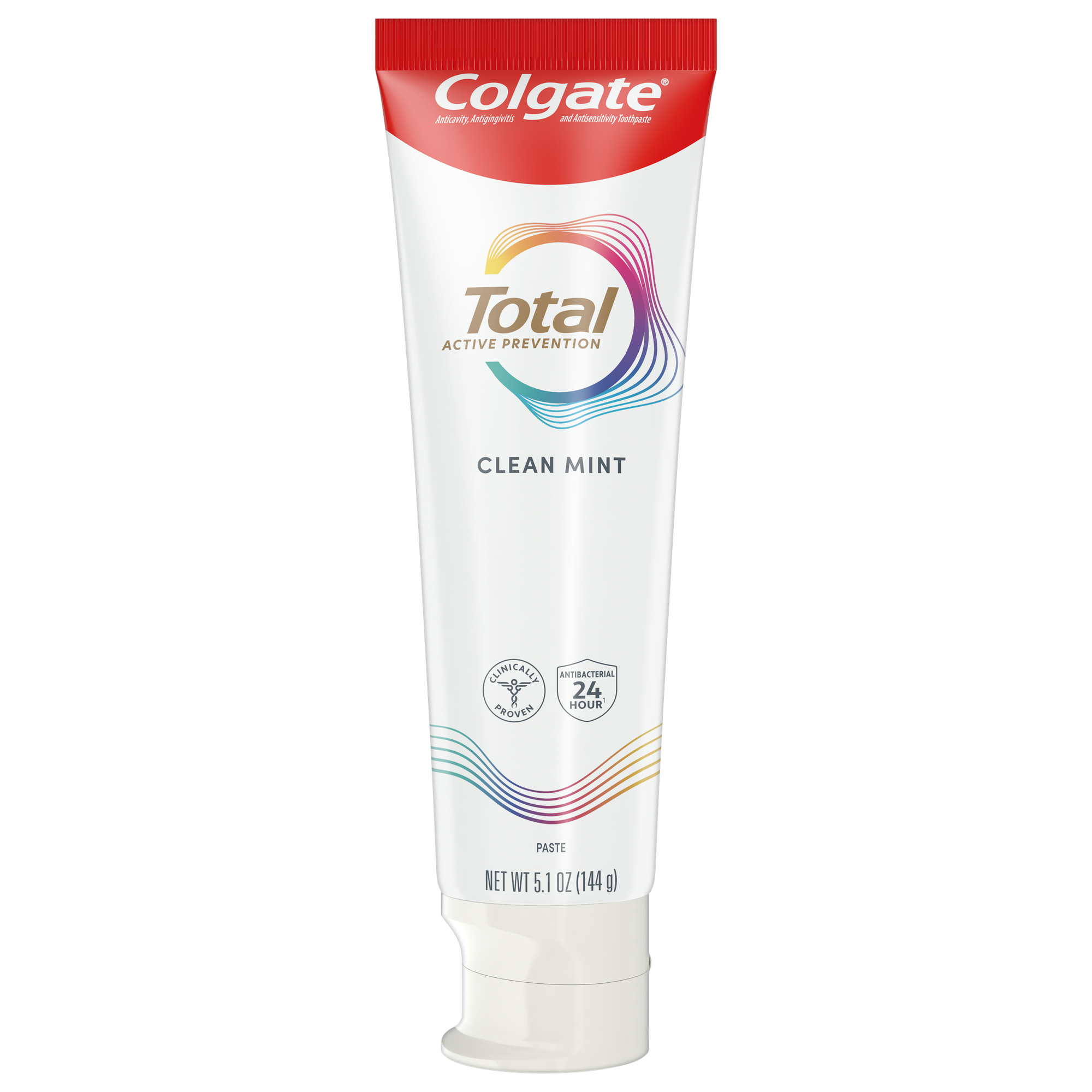
Colgate Total® Clean Mint Toothpaste fights bacteria, the root cause of many oral health issues such as gingivitis, tartar, sensitivity, weak enamel, bad breath, and cavities.
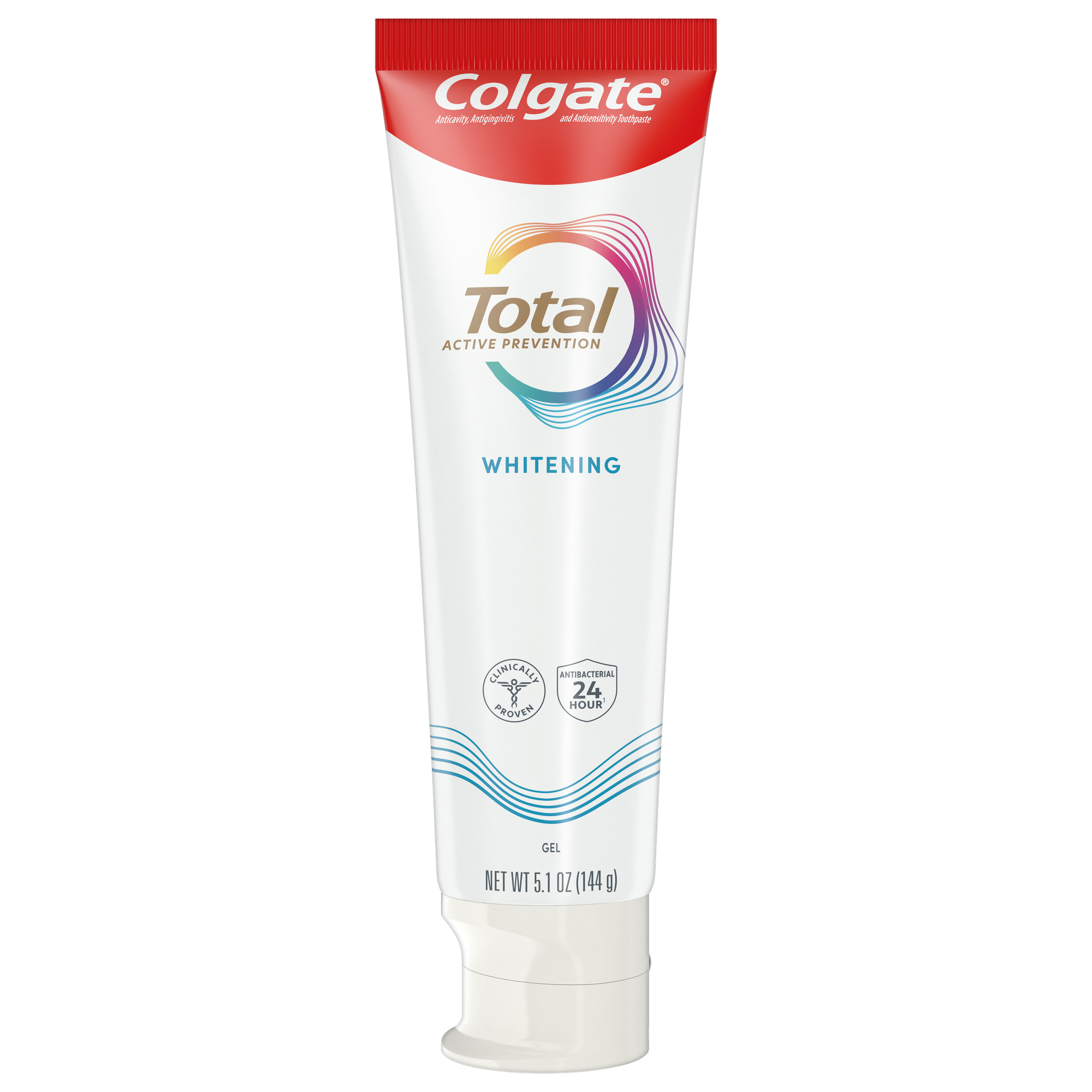
Colgate Total Whitening Gel Toothpaste fights bacteria, the root cause of many oral health issues such as gingivitis, tartar, sensitivity, weak enamel, bad breath, and cavities.
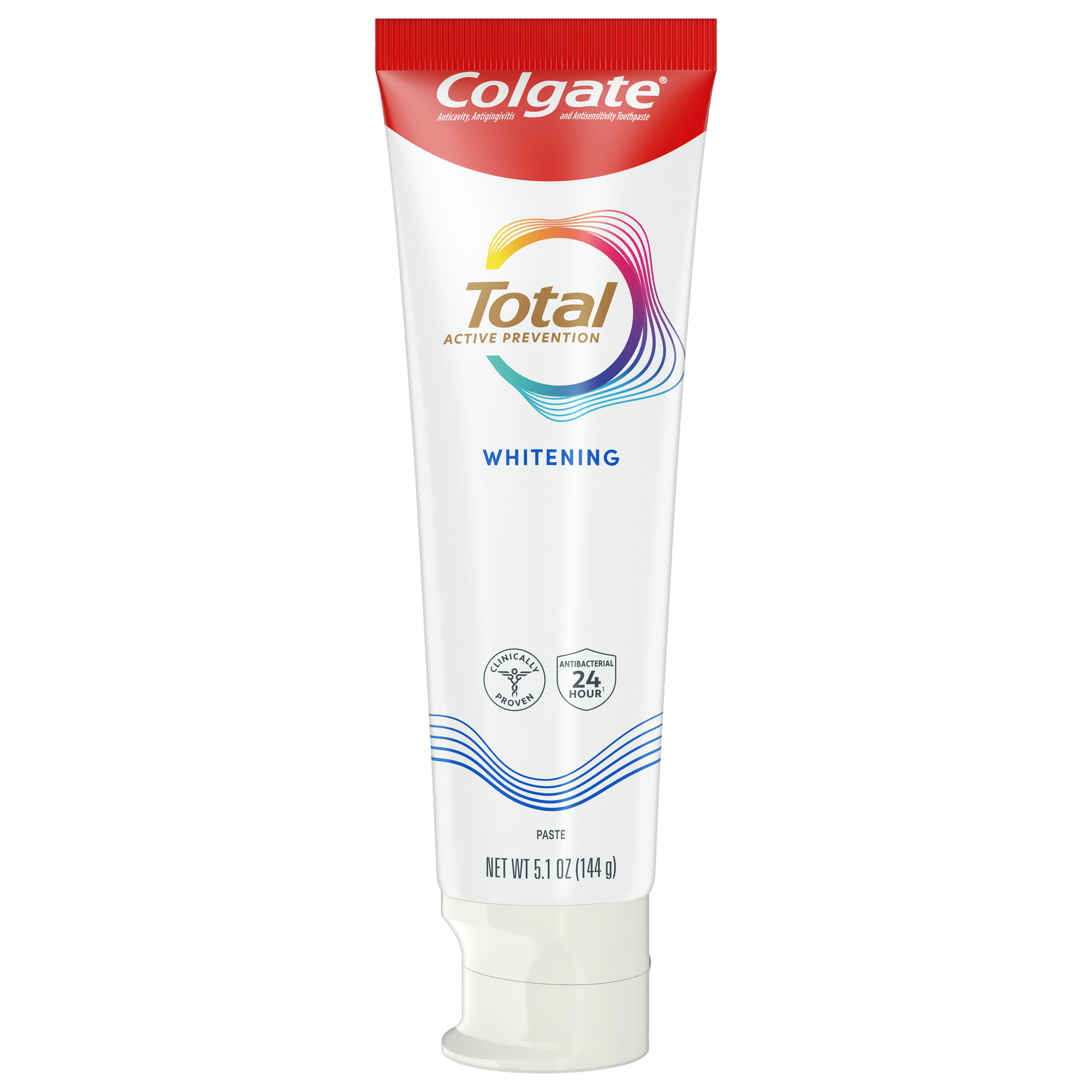
Colgate Total Whitening Toothpaste fights bacteria, the root cause of many oral health issues such as gingivitis, tartar, sensitivity, weak enamel, bad breath, and cavities.
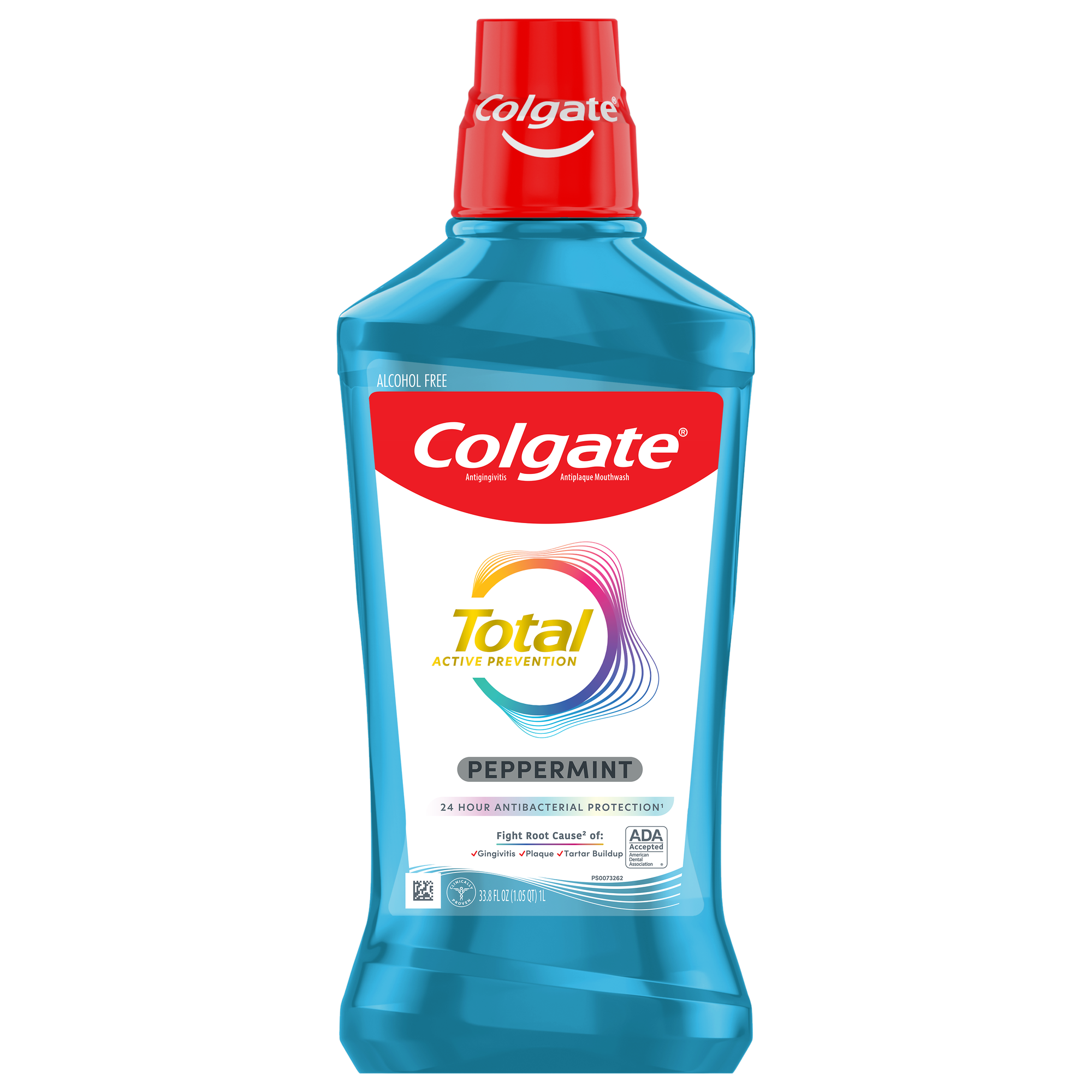
Colgate Total Alcohol Free* Peppermint Mouthwash delivers 24-hour protection** against bacteria.

