Do You Have A Cusp Of Carabelli?
min read


So, what exactly is the cusp of Carabelli? Who is it named after?
Put simply, the cusp of Carabelli is just an extra bump on one or two of your teeth. According to the Journal of Clinical and Diagnostic Research, these possibly form from overactivity of the dental lamina, one part of tooth development.
A cusp is an elevated feature of a tooth found on your posterior (back) teeth and canines. Cusps help with chewing certain types of food by providing more surface area. This structure aids grinding while eating to break down food better.
While maxillary (upper) molars typically have four cusps on the top to help with chewing, some people have a fifth cusp on the side of the first one. This additional cusp is known as the cusp of Carabelli. Georg Carabelli first described this anomaly in Austria, 1842, while serving as court dentist of Emperor Franz.
If you're interested in finding out if you have a cusp of Carabelli, pull out a mirror, have a friend look, or ask your dentist next visit. If you have them, you can find them in the top row of teeth. They would be on the third molars from the back of your mouth in adults (or second if you've had your wisdom teeth removed!).
For most, the cusp of Carabelli is just a fun topic to bring up at a gathering to see who has them and who doesn't. Others may be concerned about their dental health.
This feature varies by ethnic population, but it is unlikely to cause health concerns regardless of your background. While many are concerned about removing their Cusps of Carabelli, they're unlikely to lead to health problems or need removal. The main concern to be aware of is the potential for decay along the grooves of the cusp.
If you're concerned about your cusp of Carabelli, here are some easy tips:
If there's any unusual discomfort or decay around your cusp of Carabelli, it's a good idea to have your dentist take a look.
The cusp of Carabelli is an interesting feature that's fascinated both scientists and casual observers for over one-hundred years. You're now prepared to see if you or your friends have them and to practice proper care if you do.
Oral Care Center articles are reviewed by an oral health medical professional. This information is for educational purposes only. This content is not intended to be a substitute for professional medical advice, diagnosis or treatment. Always seek the advice of your dentist, physician or other qualified healthcare provider.
ORAL HEALTH QUIZ
Take our Oral Health assessment to get the most from your oral care routine
ORAL HEALTH QUIZ
Take our Oral Health assessment to get the most from your oral care routine
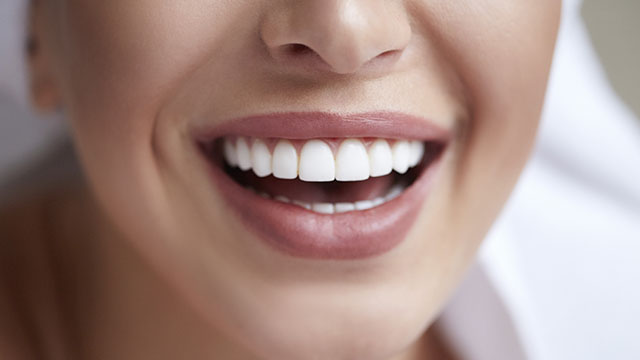
Have you heard of the term dentin tubules? Well, now you have. Dentin tubules are a vital part of your teeth. As you may know, the teeth are made up of tissue layers, and each one serves a unique function. The dentin tubules are located in the dentin, one of the layers below the enamel surface. The role of dentin tubules is to help you feel sensations in your teeth. That's also why they're often blamed for hypersensitivity in people's teeth.

Hypodontia refers to the absence of one or more teeth. Learn how this condition is diagnosed and treated.

Hundreds of tiny bumps called papillae cover your tongue, most of which contain taste buds with sensory cells. There are four types of papillae—filiform, fungiform, circumvallate, and foliate—and each has a role to play. This article looks into the foliate papillae, which are located on the sides of the tongue and contain taste buds.

Tucked inside your infant's gummy, toothless smile is a small piece of tissue under their upper lip called the labial frenulum.
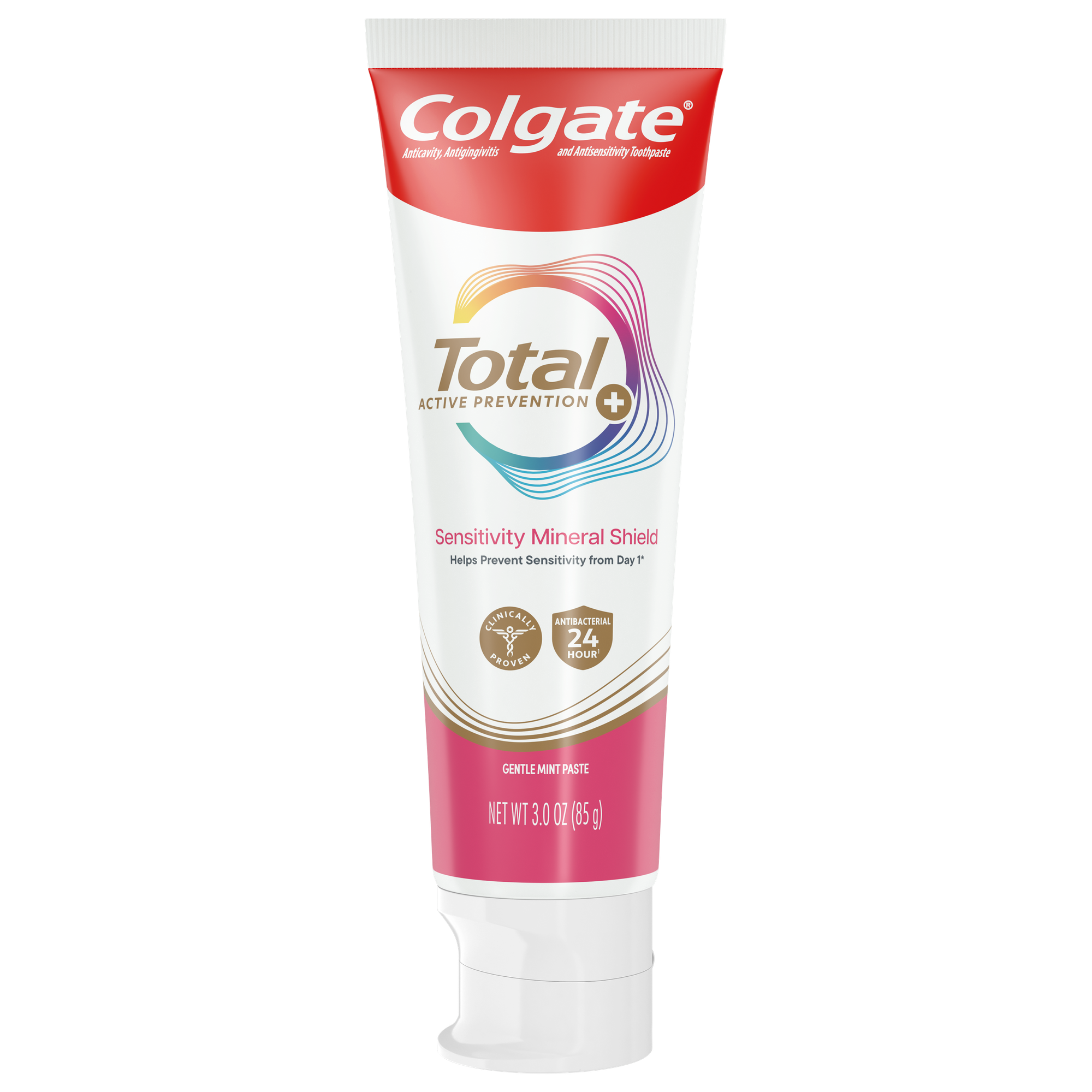
Help prevent sensitivity from day 1* with Colgate Total Active Prevention Sensitivity Mineral Shield Mint Toothpaste.
*with twice daily use
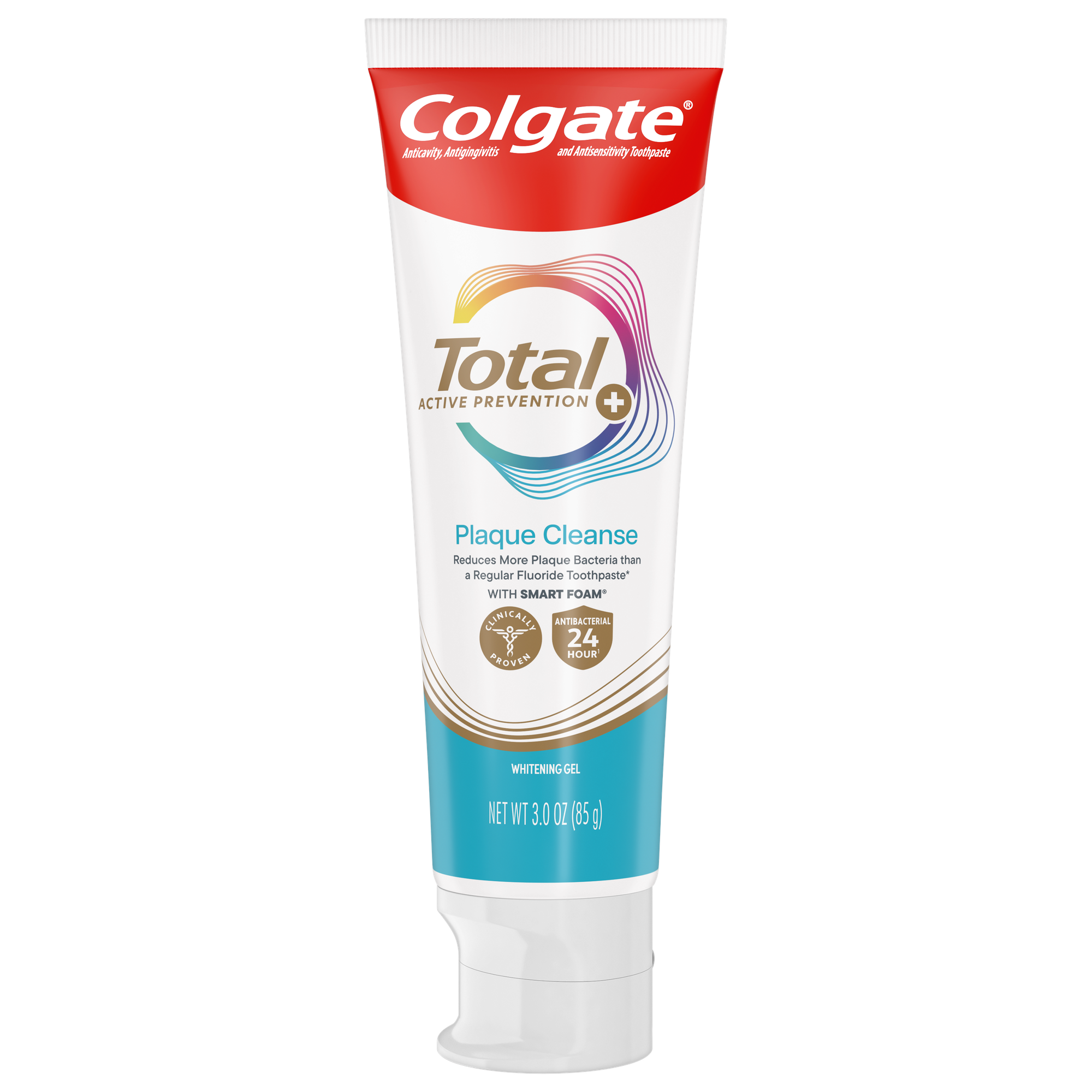
Help promote healthy gums using Colgate Total Active Prevention Plaque Cleanse Whitening Toothpaste Gel. This patented tartar prevention toothpaste fights the root cause* of gingivitis, plaque, tartar, cavities, sensitivity, bad breath, weak enamel, and stains and is 2x more effective*** at fighting bacteria, the root cause of oral health problems like cavities and gingivitis.
*via protection against bacteria and dietary exposures, with daily brushing
***via reduction of bacteria vs. non-antibacterial fluoride toothpaste with 2x daily brushing and 4 weeks use
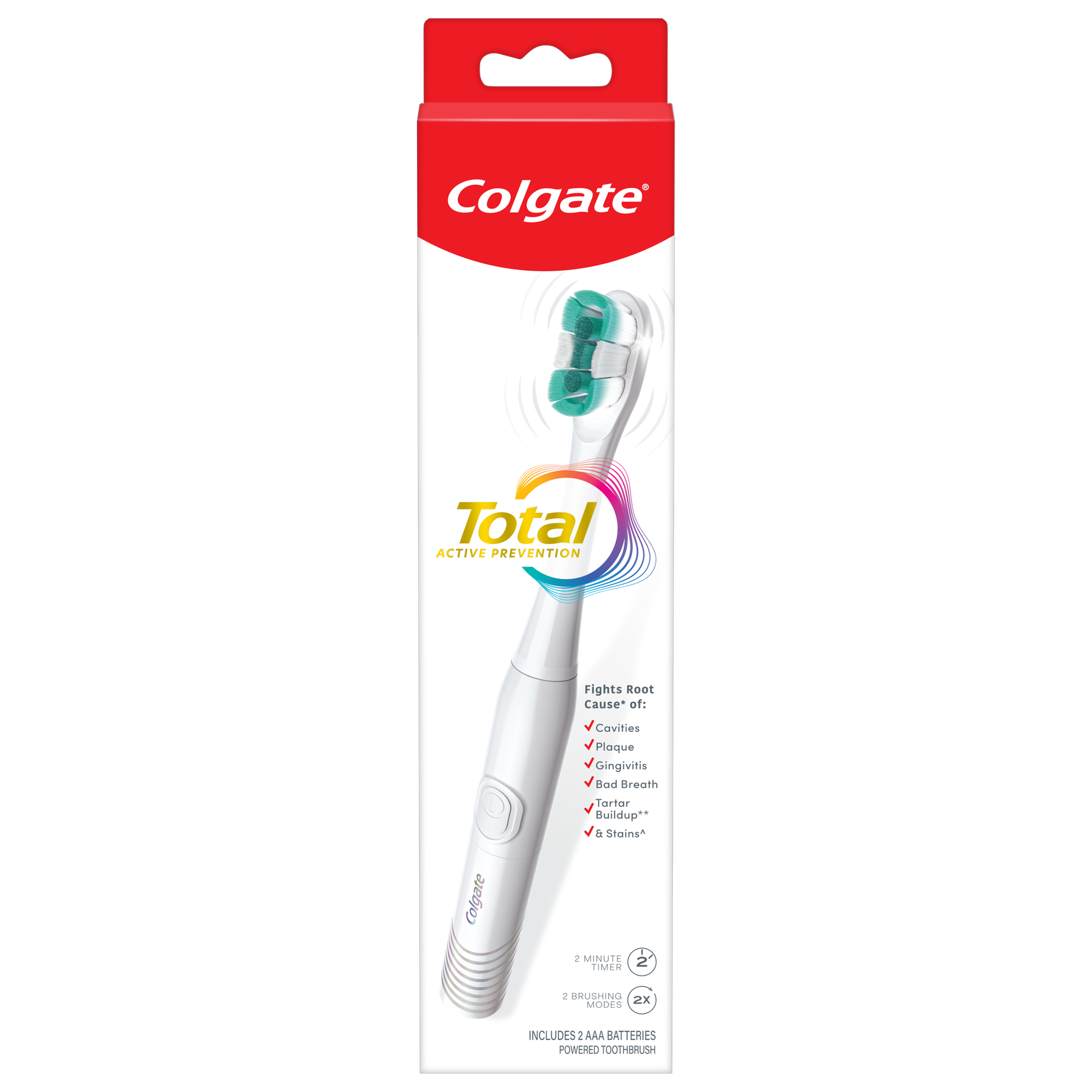
Colgate Total Active Prevention Battery Powered Electric Toothbrush, WhitePower away plaque with Colgate Total Battery Powered Toothbrush.
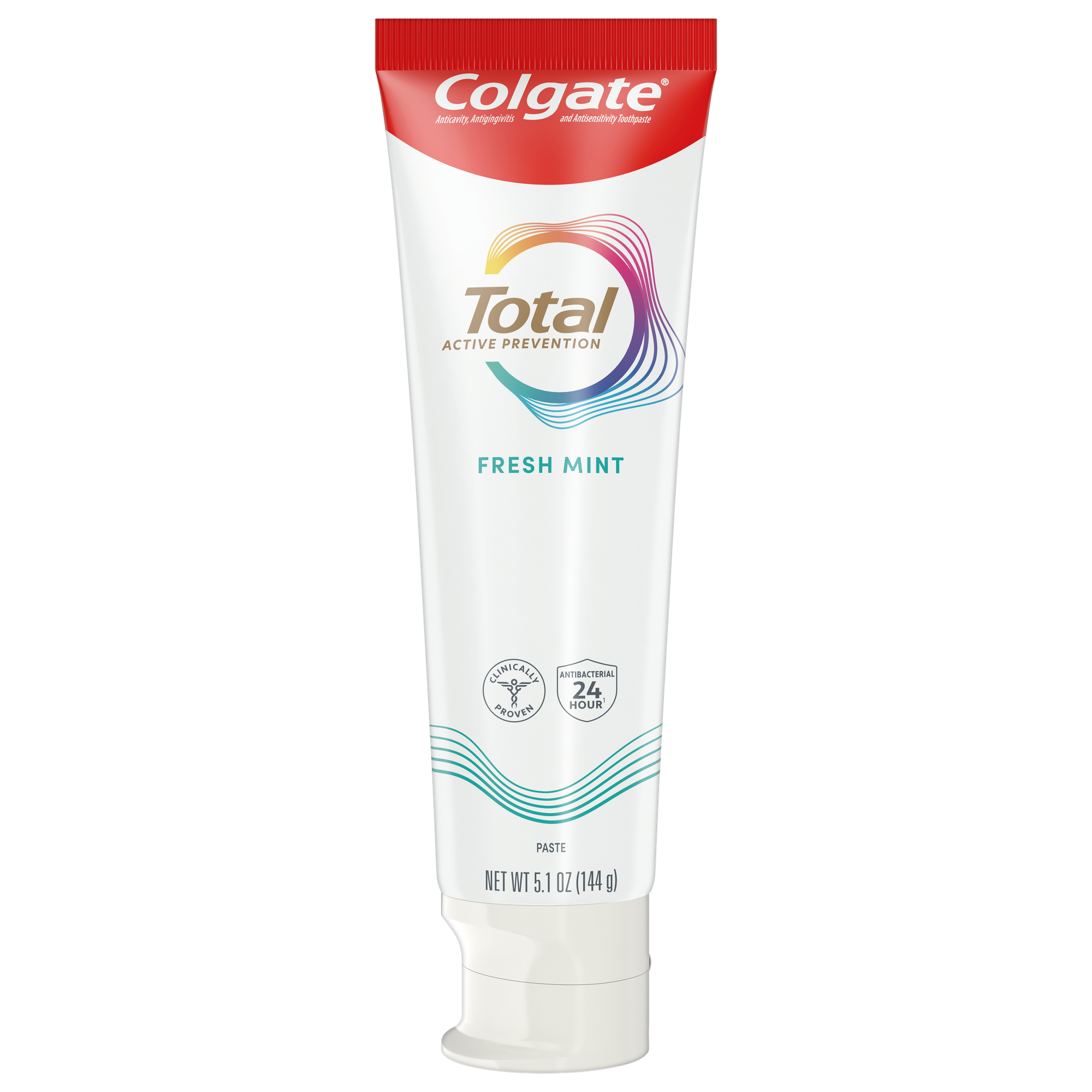
Colgate Total Fresh Mint Toothpaste fights bacteria, the root cause of many oral health issues such as gingivitis, tartar, sensitivity, weak enamel, bad breath, and cavities.

