Dental Implants Cost Explained
January 9, 2023.
3
min read


According to the American Academy of Implant Dentistry, roughly 3 million people will receive 5.5 million implants every year in the US. Typically, the costs for single-tooth implants can vary from a few hundred to several thousand dollars, according to the University of Illinois at Chicago College of Dentistry.
The cost you're likely to pay for an implant varies on several main factors:
Ultimately, it's vital to speak with your dental professional to best understand your out-of-pocket cost after your treatment is completed.
When you’re looking at the possibility of getting an implant, talk to your insurance provider to find out what they'll cover. Many insurance companies consider implants an elective procedure and will only cover the procedure's implant crown portion.
Fortunately, according to the American Academy of Implant Dentistry, insurance companies are starting to come around. They see the long-term patient benefits in comparison to other treatment options. Another route may be through your medical health insurance if your dental professional or surgeon believes the lack of implants impacts your overall health.
It's a great idea to look before you leap when it comes to insurance. Find out what they'll cover before you have anything done, so you don’t have any surprises!
Joining a dental discount plan can help you save money on implants, similar to how insurance works. Do your research on individual plans before signing up.
It's a great idea to ensure the plan you’re considering offers a discount on implants. Also, see if there’s any waiting period before you can use the discount. Most importantly, make sure your dental professional accepts the discount plan you're considering, or seek their advice on which ones they do accept.
If your employer offers a flexible spending account, you're in luck. It’s a special account that allows you to set money aside tax-free. Money set aside must be used for out-of-pocket health care costs – including dental.
You can use assets from your account to pay for your dental costs. If the overall cost of an implant and crown exceeds your yearly limit, you can sign up to have the implant part of your procedure at the end of the year and your crown seated during the first part of the year. That way, you can use money from two years of your pretax spending account!
Additionally, talk to your dental professional as many offer financing plans or are otherwise willing to work with you to ensure you're able to receive quality care within your budget.
Dental implants are an expensive but often necessary procedure to boost your appearance, speech, and chewing. Luckily, there are plentiful options available to help with the cost, from insurance to flexible spending accounts. If you're close to needing an implant, you've done a great job doing your due diligence to find out how to best finance yours.
Oral Care Center articles are reviewed by an oral health medical professional. This information is for educational purposes only. This content is not intended to be a substitute for professional medical advice, diagnosis or treatment. Always seek the advice of your dentist, physician or other qualified healthcare provider.
ORAL HEALTH QUIZ
Take our Oral Health assessment to get the most from your oral care routine

Learn more about dentures, including dental implant procedures, and much more, from the Colgate Oral Care Center.
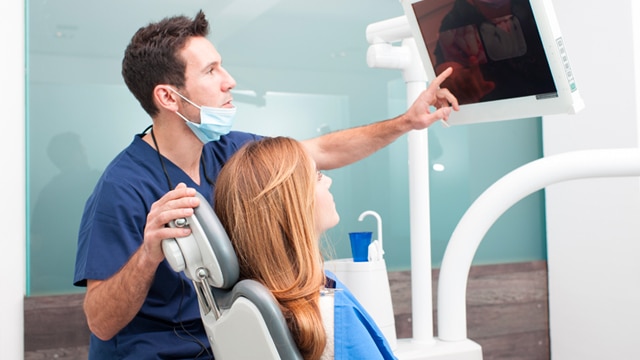
Dental implants are artificial teeth that are implanted into the mouth and jaw, often used when adults lose adult teeth. Learn more about cost, recovery and more.

A dental bridge or implant are two options your dentist can provide to replace a missing tooth, and each option has different advantages.
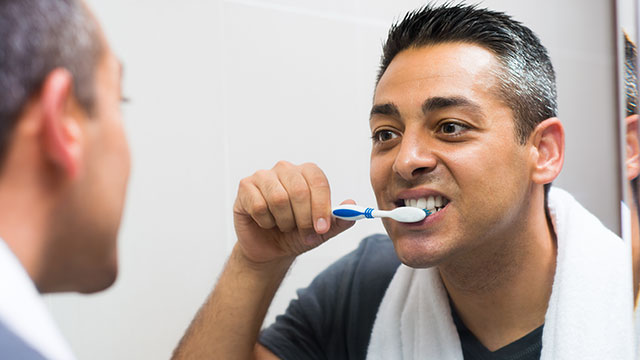
After getting a dental implant, it's important to care for your abutment tooth properly to ensure long-term success and optimal oral health. Here's how.
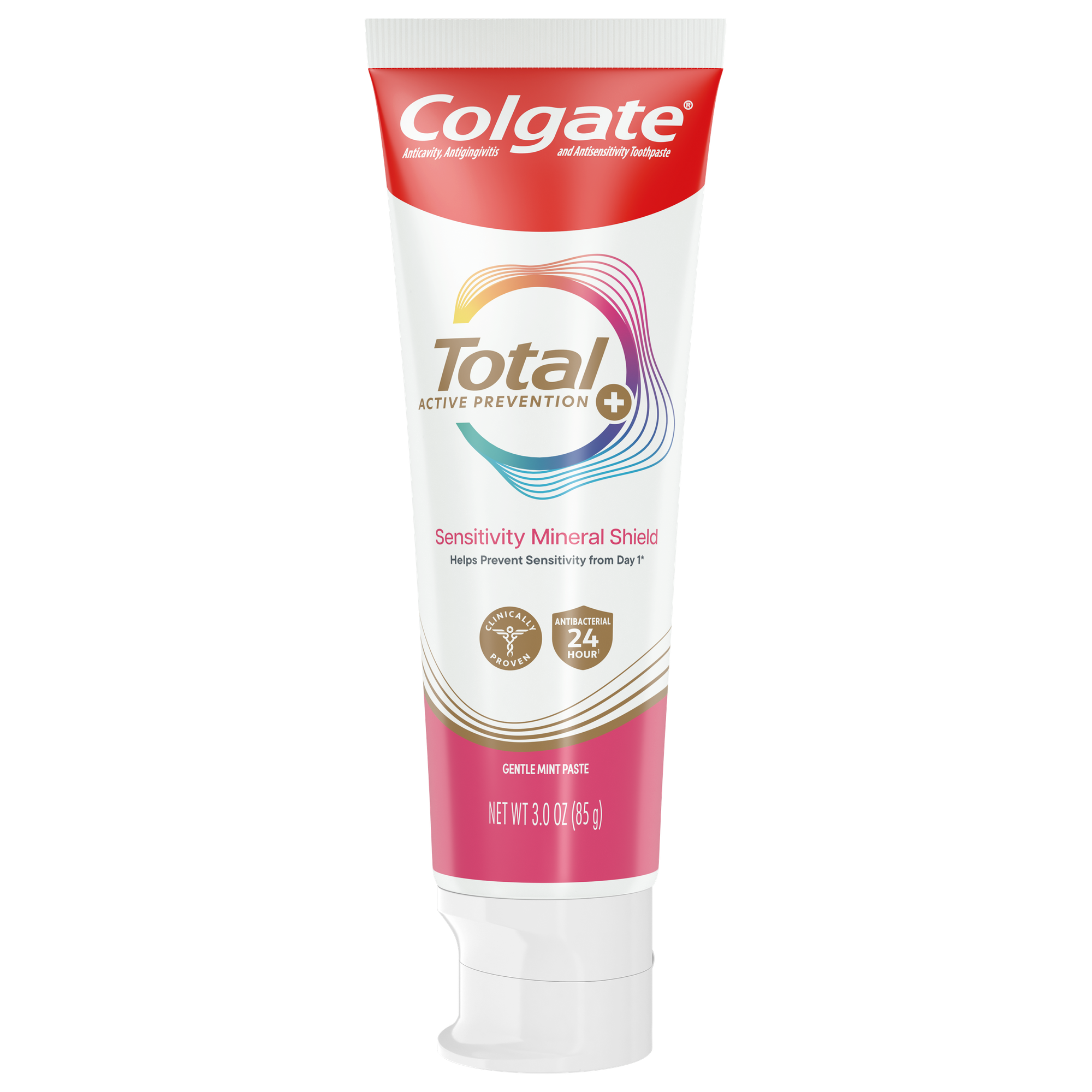
Help prevent sensitivity from day 1* with Colgate Total Active Prevention Sensitivity Mineral Shield Mint Toothpaste.
*with twice daily use
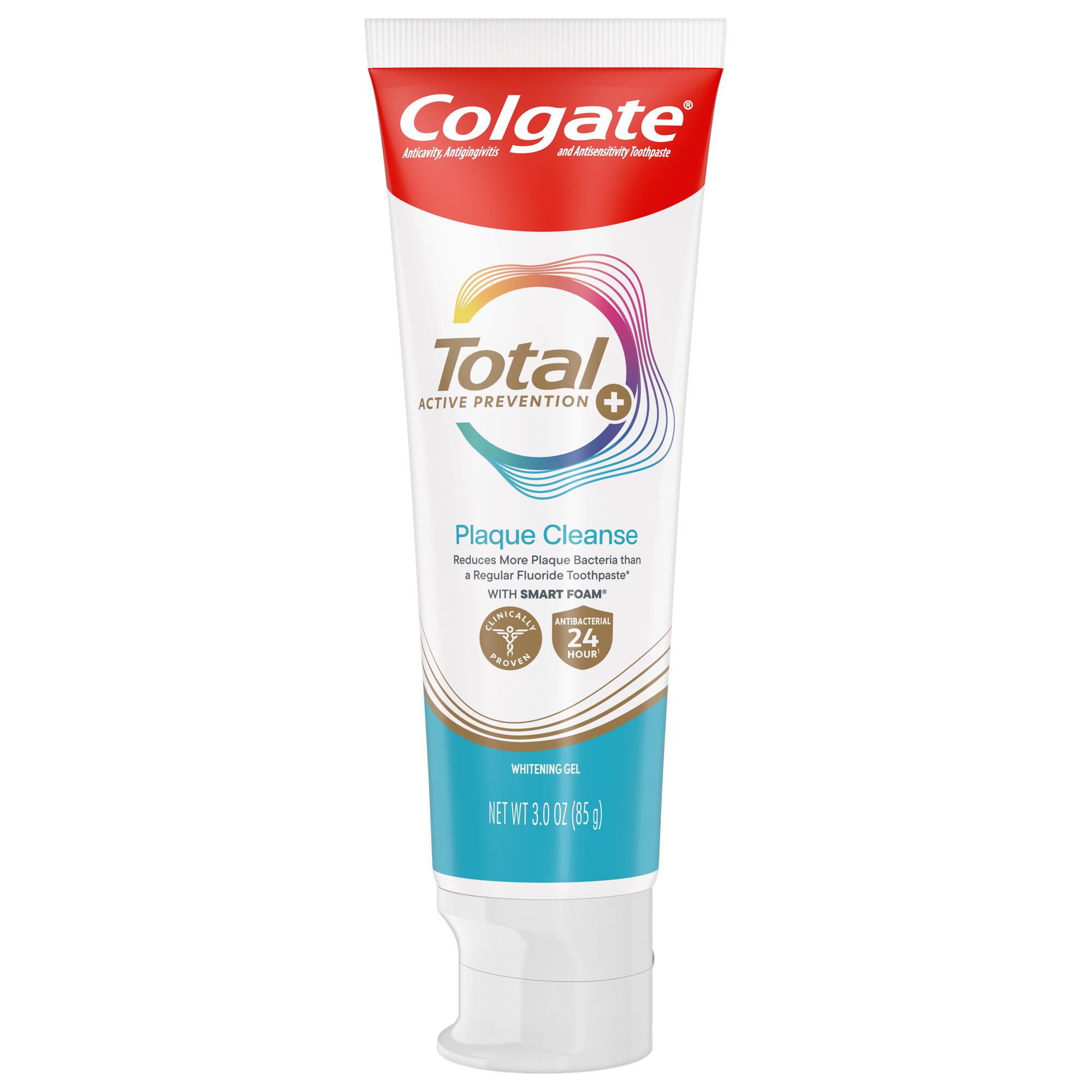
Help promote healthy gums using Colgate Total Active Prevention Plaque Cleanse Whitening Toothpaste Gel. This patented tartar prevention toothpaste fights the root cause* of gingivitis, plaque, tartar, cavities, sensitivity, bad breath, weak enamel, and stains and is 2x more effective*** at fighting bacteria, the root cause of oral health problems like cavities and gingivitis.
*via protection against bacteria and dietary exposures, with daily brushing
***via reduction of bacteria vs. non-antibacterial fluoride toothpaste with 2x daily brushing and 4 weeks use
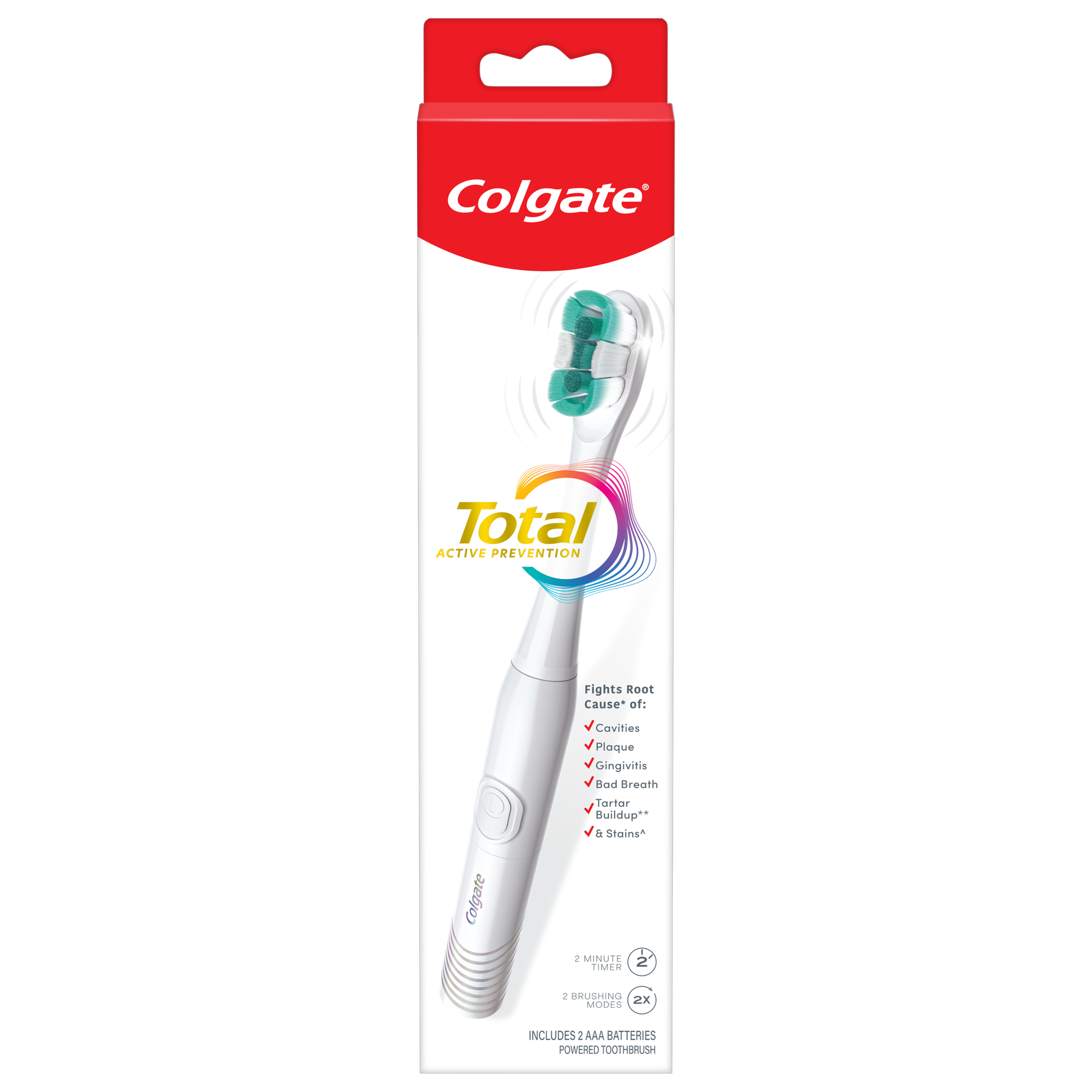
Colgate Total Active Prevention Battery Powered Electric Toothbrush, WhitePower away plaque with Colgate Total Battery Powered Toothbrush.
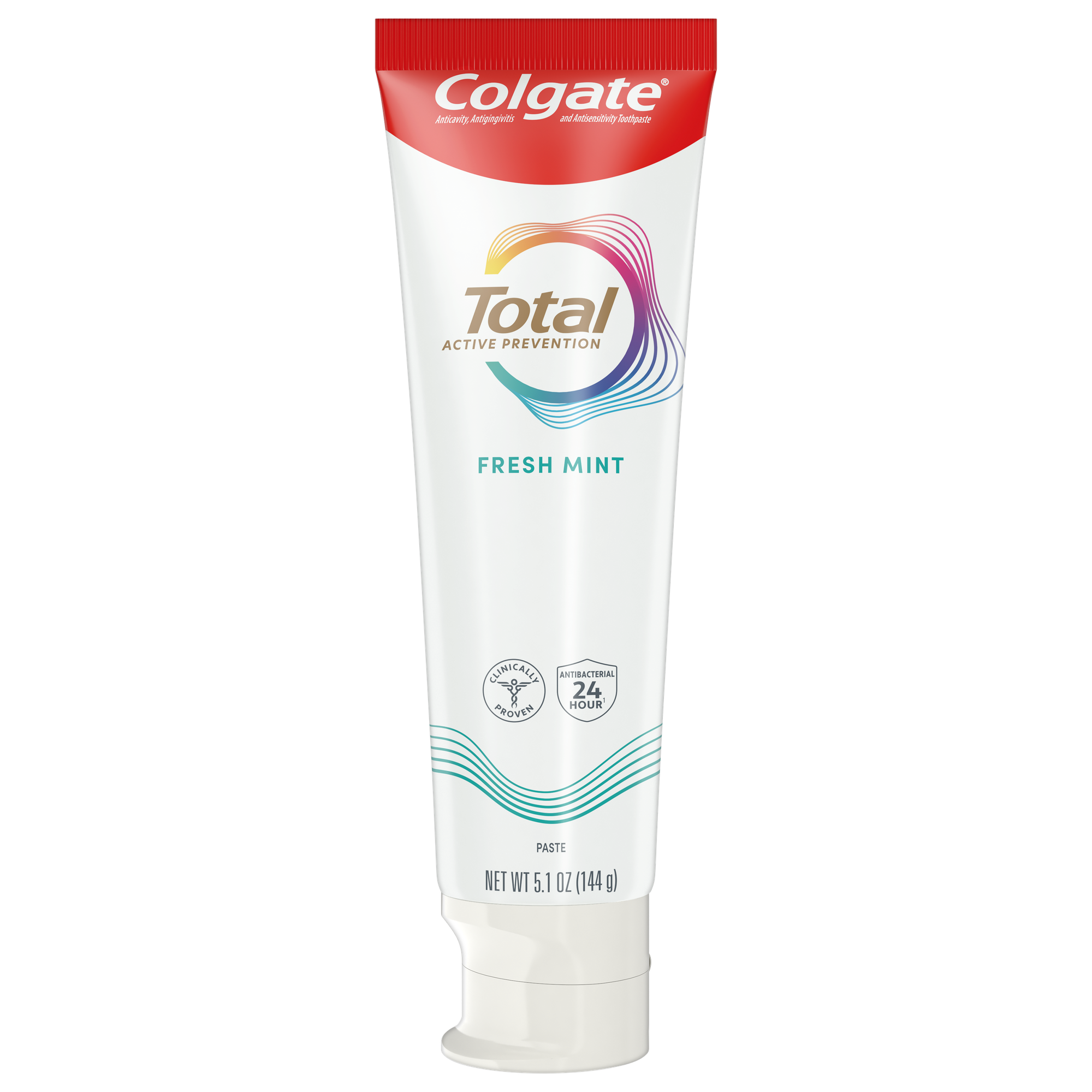
Colgate Total Fresh Mint Toothpaste fights bacteria, the root cause of many oral health issues such as gingivitis, tartar, sensitivity, weak enamel, bad breath, and cavities.


About Cookies on This Site

