When Should Kids Go to The Dentist
January 9, 2023.
3
min read


It is recommended that your child should visit the dentist after their first tooth appears or when they are a year old - or whichever comes first. Although their baby teeth will eventually fall out, taking care of these teeth is important for developing healthy permanent teeth. Depending on how old your child is during their first dental exam, the dentist or oral hygienist will:
After this initial appointment, you may need to schedule another one every six months. Regular dental exams for children are essential for preventive care and maintaining their oral health. Routine check-ins enable your child's dentist to detect early signs of tooth decay and provide treatment before it becomes a bigger problem. Taking your child to the dentist twice a year from an early age can reduce anxiety and fear too. It is a good way to build your child's comfort and confidence levels leading to stress-free visits in the future.
Tooth decay, also referred to as cavities, is one of the most common oral issues that affect children. According to the National Institute of Dental and Craniofacial Research, 42% of children from ages 2 to 11 have had dental cavities in their primary teeth (baby teeth). But what causes tooth decay? When bacteria interact with sugar and starches from foods and drinks, they form acids that attack tooth enamel. This can result in mineral loss and cause white spots on the tooth's surface, an early sign of decay. Good oral hygiene and regular dental check-ups can prevent cavities and help your child maintain a healthy smile. You can consult with your dentist if your child experiences:
Molars are the flat teeth at the back of the mouth. Your child's first molars (premolars) will erupt around the age of 6, and their second molars will appear around the age of 12. These teeth help with chewing and grinding of food. Because of their rough and uneven surface, food particles and cavity-causing bacteria can get trapped there. Although brushing and interdental cleaning is a good way to remove food particles, plaque, and bacteria, it isn't easy to clean this hard-to-reach area. Luckily, you can reduce the risk of your child getting cavities with dental sealants. Sealants are a protective cover that sticks to the chewing part of the teeth, stopping foods and bacteria from getting stuck there. You can consult with your dentist as soon as your toddler's first molars erupt. The sooner they get them, the better!
Regular dentist visits are an important part of your child's oral health. Although they may seem scary for children at first, you can always remind your child that the dentist is there to help them keep a healthy and beautiful smile. Make each check-in easier and comfortable for them by bringing their favorite toy. You could even reward their bravery with a fun tooth fairy certificate!
Oral Care Center articles are reviewed by an oral health medical professional. This information is for educational purposes only. This content is not intended to be a substitute for professional medical advice, diagnosis or treatment. Always seek the advice of your dentist, physician or other qualified healthcare provider.
ORAL HEALTH QUIZ
Take our Oral Health assessment to get the most from your oral care routine

At each appointment, asking dental questions is an important part of your long-term healthcare. Here are 10 you should get the answers to.

With some types of dental work, your dentist might recommend a type of anesthetic like deep sedation. Learn all about deep sedation and what it's used for.
How often should you go to the dentist after a first appointment? Six months? A year? Ideally, you should take your child to the dentist every six months.

Learn more about oral care for adults, including how to properly brush and floss, adult toothbrushes, and much more, from the Colgate Oral Care Center.
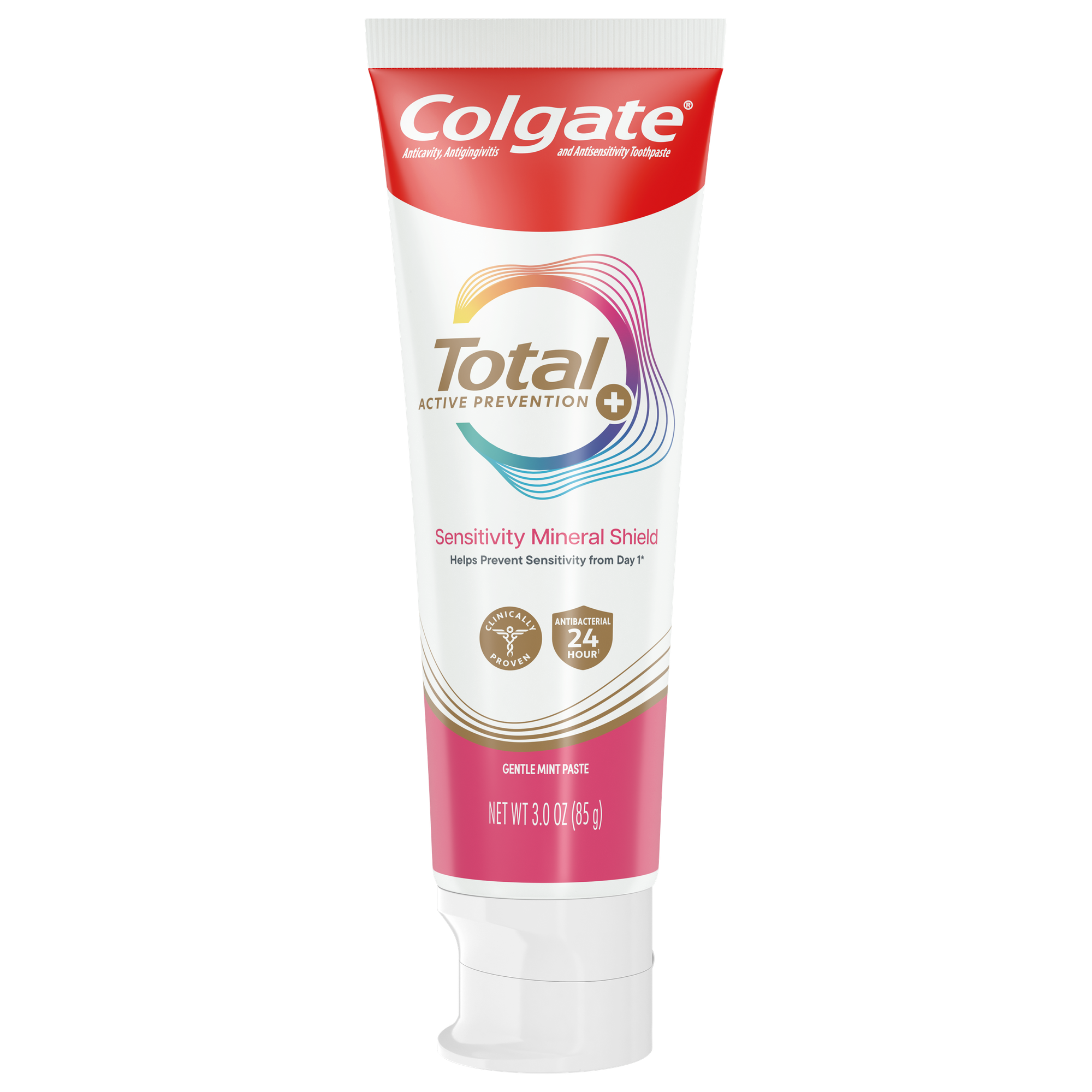
Help prevent sensitivity from day 1* with Colgate Total Active Prevention Sensitivity Mineral Shield Mint Toothpaste.
*with twice daily use
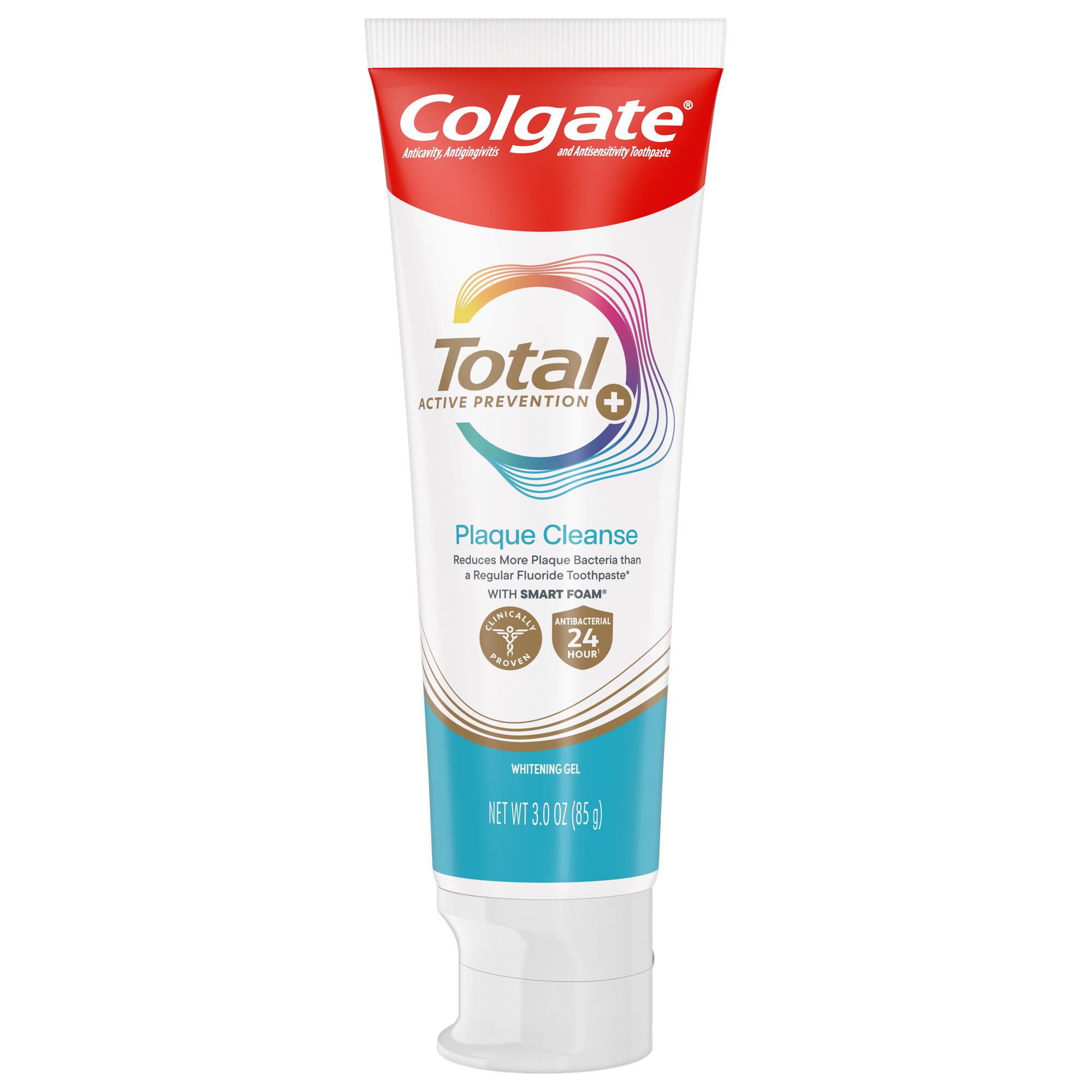
Help promote healthy gums using Colgate Total Active Prevention Plaque Cleanse Whitening Toothpaste Gel. This patented tartar prevention toothpaste fights the root cause* of gingivitis, plaque, tartar, cavities, sensitivity, bad breath, weak enamel, and stains and is 2x more effective*** at fighting bacteria, the root cause of oral health problems like cavities and gingivitis.
*via protection against bacteria and dietary exposures, with daily brushing
***via reduction of bacteria vs. non-antibacterial fluoride toothpaste with 2x daily brushing and 4 weeks use
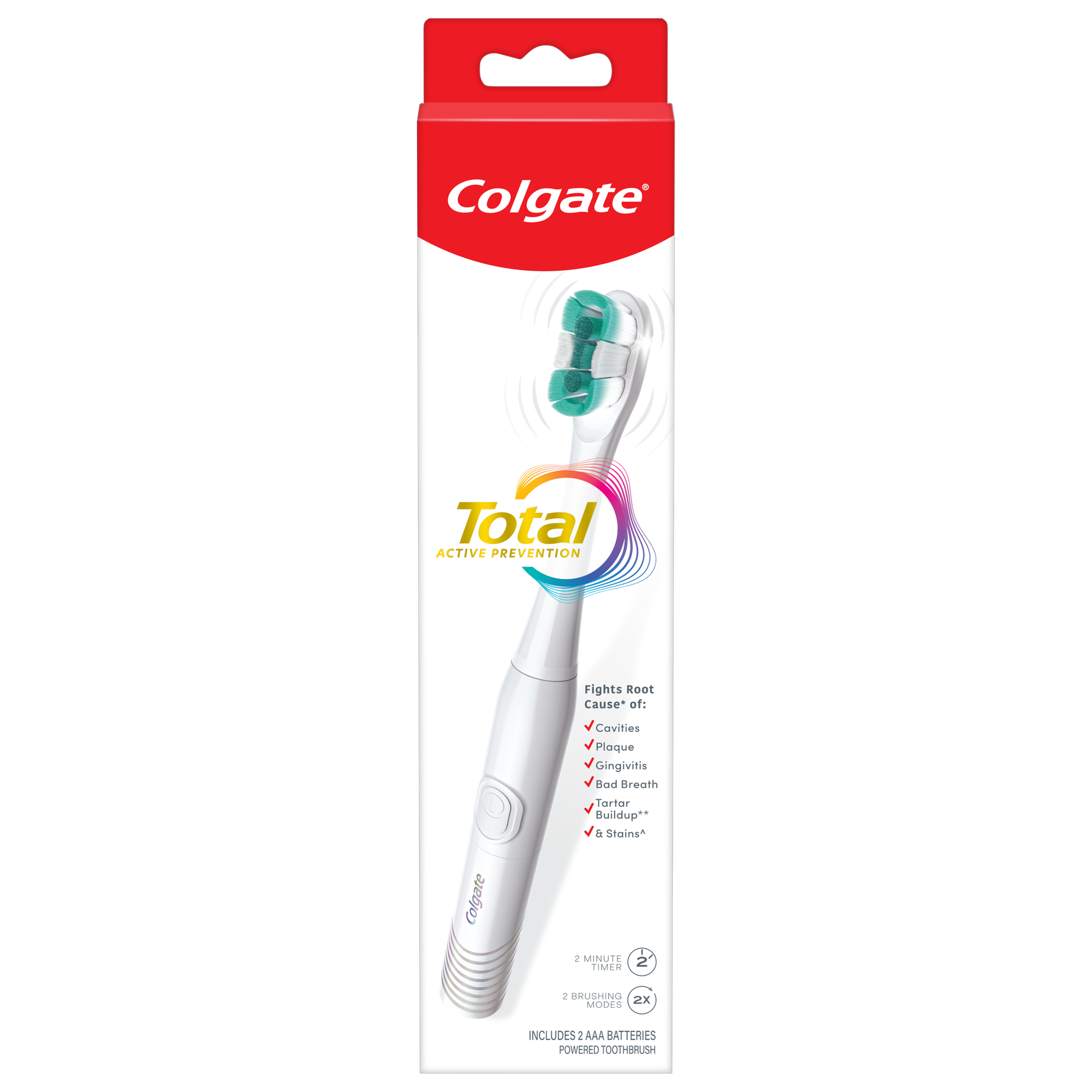
Colgate Total Active Prevention Battery Powered Electric Toothbrush, WhitePower away plaque with Colgate Total Battery Powered Toothbrush.
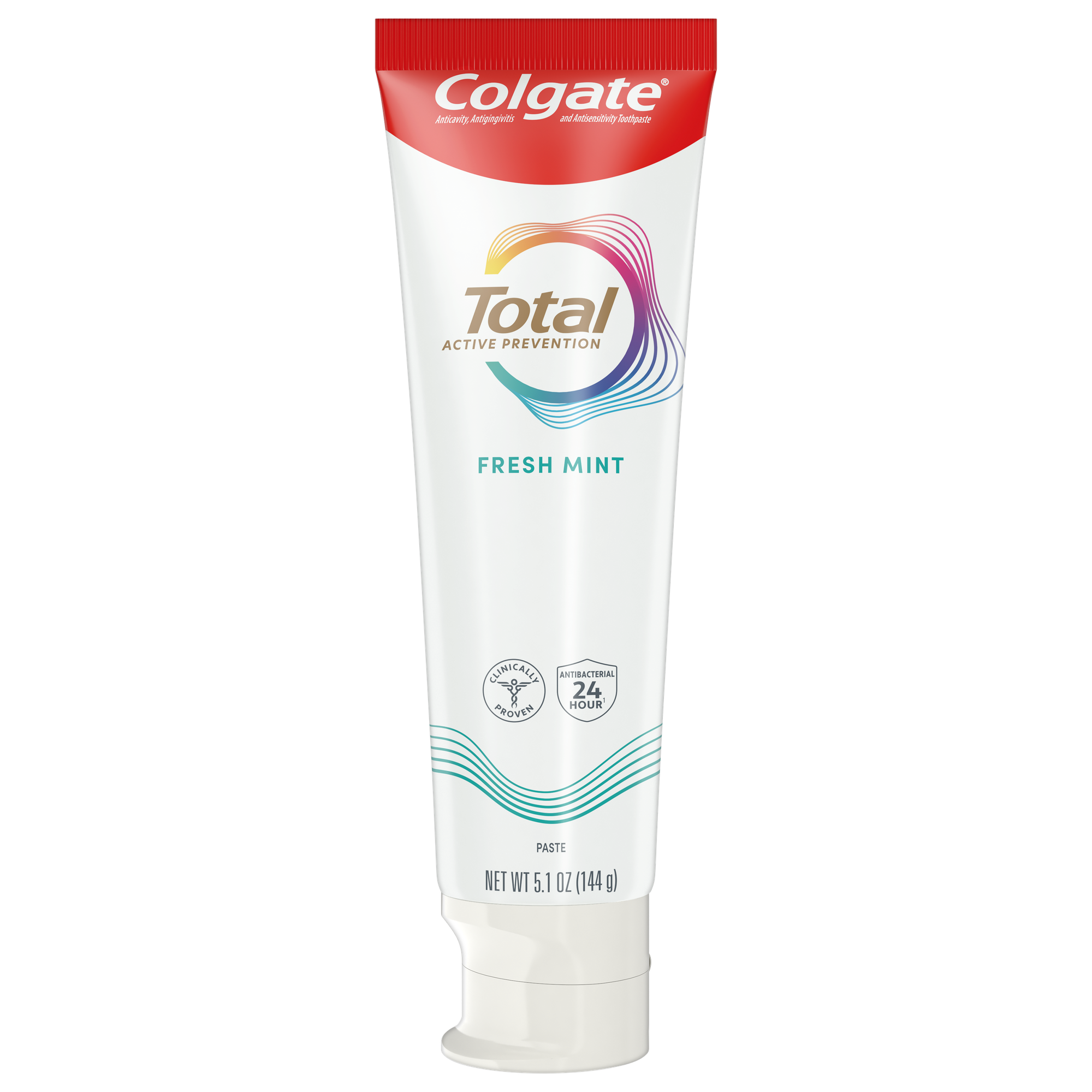
Colgate Total Fresh Mint Toothpaste fights bacteria, the root cause of many oral health issues such as gingivitis, tartar, sensitivity, weak enamel, bad breath, and cavities.


About Cookies on This Site

