Enamel Hypoplasia, Hypomineralization, And Teeth Effects
January 9, 2023.
3
min read


Enamel hypomineralization happens when the mineralization process is not fully achieved, resulting in discolored enamel. This condition also weakens the teeth, which means that teeth can break down. The Australian Academy of Pediatric Dentistry also explains that hypomineralization is prevalent in a fifth of all children. It can appear as discolored patches of soft or decaying, bumpy enamel that usually affect the molars and incisors as they grow in. The teeth with hypomineralization are sensitive and can cause children pain when eating, and these teeth typically start to deteriorate once they grow in.
On the other hand, enamel hypoplasia is a condition where teeth have pits, grooves, and missing enamel. It can also result in smaller teeth. Hypoplasia appears as brown or yellow stains and exposed dentin. While the enamel is still hard, it’s weak. It’s a type of amelogenesis imperfecta, where the enamel on teeth is missing or severely thin and prone to breaking.
There are several causes as to how and why these conditions form. According to the Indian Journal of Dentistry, these conditions occur when there is a disturbance in the matrix formation of the teeth. To break that down, let’s look at ameloblasts, which are your teeth’s enamel-producing cells. These cells form in six stages: morphogenetic, organizing, formative, maturative, protective, and desmolytic. Enamel hypoplasia happens in the formation stage, resulting in the pitting, grooving, or even total absence of enamel. Hypomineralization happens in the maturative stage and can appear as “chalky” areas on your tooth’s enamel.
Beyond the scientific processes of enamel formation, these conditions occur due to hereditary and environmental factors. That could mean nutrition, diseases, premature birth, trauma, or infections.
Treatment for these conditions depends on the symptoms. For instance, if you or your child has EH or hypomineralization but are not experiencing pain or sensitivity, your dental professional may monitor the tooth during routine visits and likely recommend a fluoride toothpaste. However, some children and adults with EH or hypomineralization might experience cosmetic issues, tooth sensitivity, and an increased risk of decay. That’s why an early dental evaluation by your dental professional is critical. If they find either condition, they will likely recommend fluoride applications and remineralizing paste to decrease tooth decay. Teeth may also require repair with bonding, filling materials or crowns, and in some extreme cases, extraction. If your child grinds their teeth, your dental professional might recommend a nighttime mouthguard to prevent excessive tooth wear.
All in all, home care is a must. Children need excellent oral hygiene now to keep EH and hypomineralization under control later. But the best thing to do is to talk with your dental professional to get the right treatment as early as possible—so you or your child can work on having the healthiest, brightest smile possible.
Oral Care Center articles are reviewed by an oral health medical professional. This information is for educational purposes only. This content is not intended to be a substitute for professional medical advice, diagnosis or treatment. Always seek the advice of your dentist, physician or other qualified healthcare provider.
ORAL HEALTH QUIZ
Take our Oral Health assessment to get the most from your oral care routine
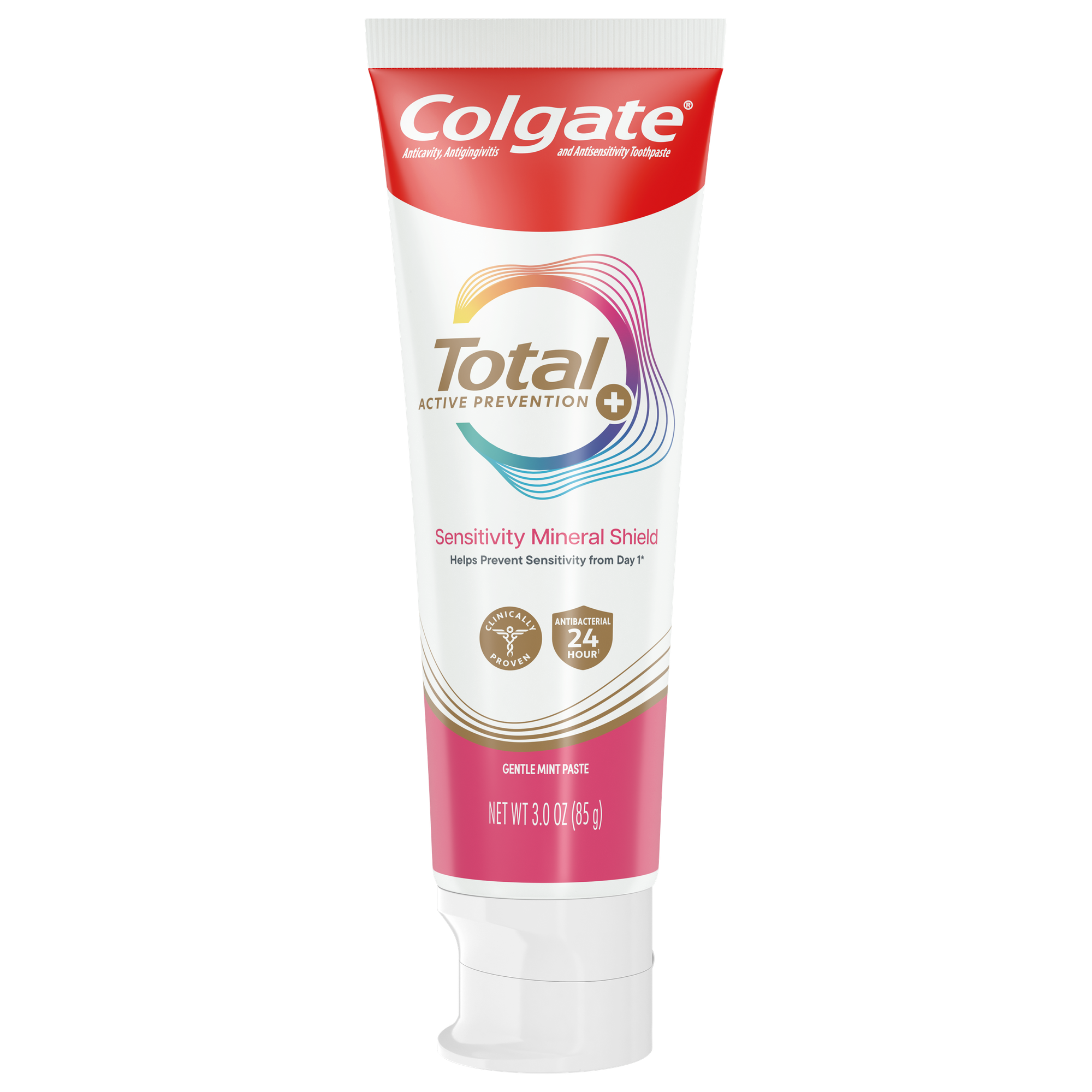
Help prevent sensitivity from day 1* with Colgate Total Active Prevention Sensitivity Mineral Shield Mint Toothpaste.
*with twice daily use
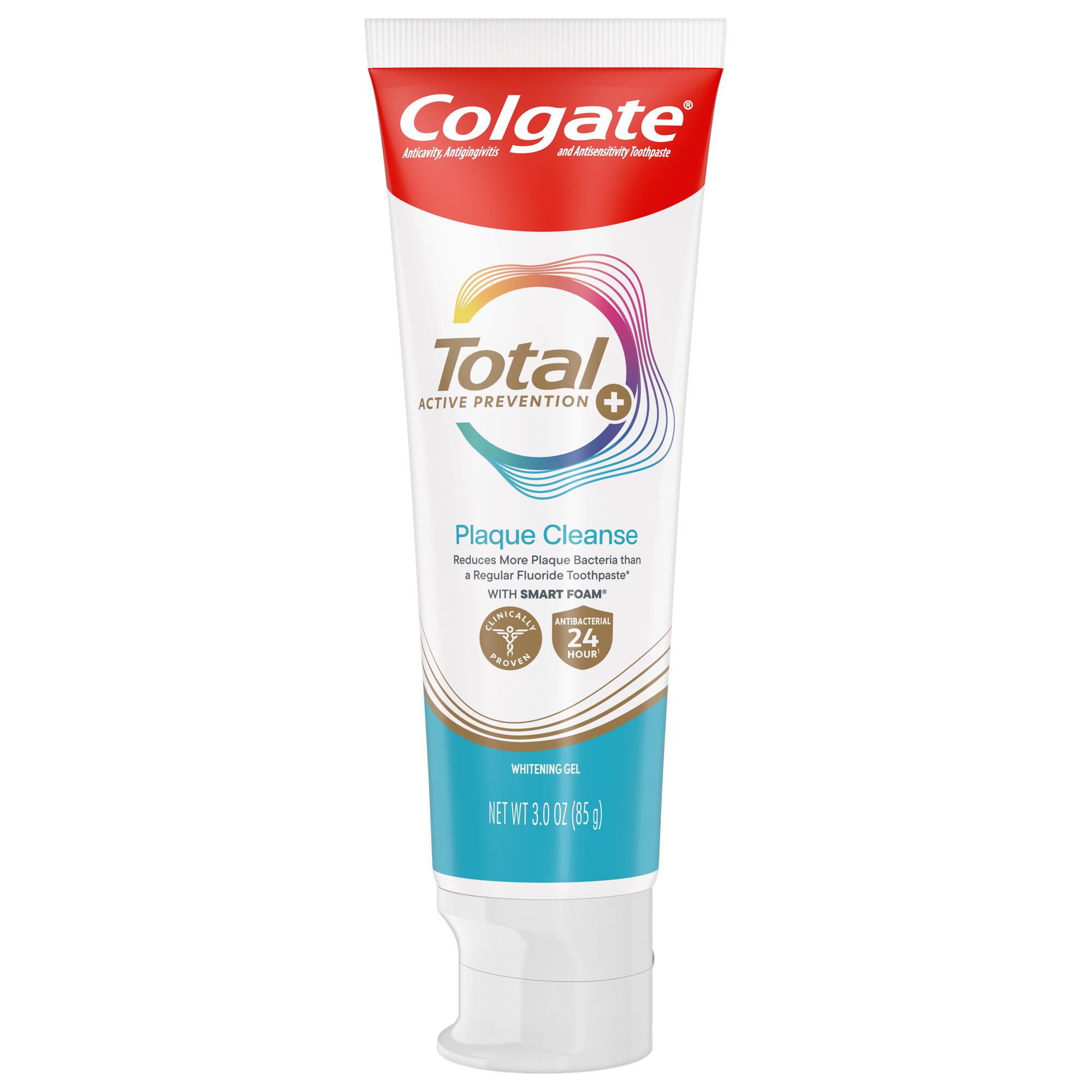
Help promote healthy gums using Colgate Total Active Prevention Plaque Cleanse Whitening Toothpaste Gel. This patented tartar prevention toothpaste fights the root cause* of gingivitis, plaque, tartar, cavities, sensitivity, bad breath, weak enamel, and stains and is 2x more effective*** at fighting bacteria, the root cause of oral health problems like cavities and gingivitis.
*via protection against bacteria and dietary exposures, with daily brushing
***via reduction of bacteria vs. non-antibacterial fluoride toothpaste with 2x daily brushing and 4 weeks use
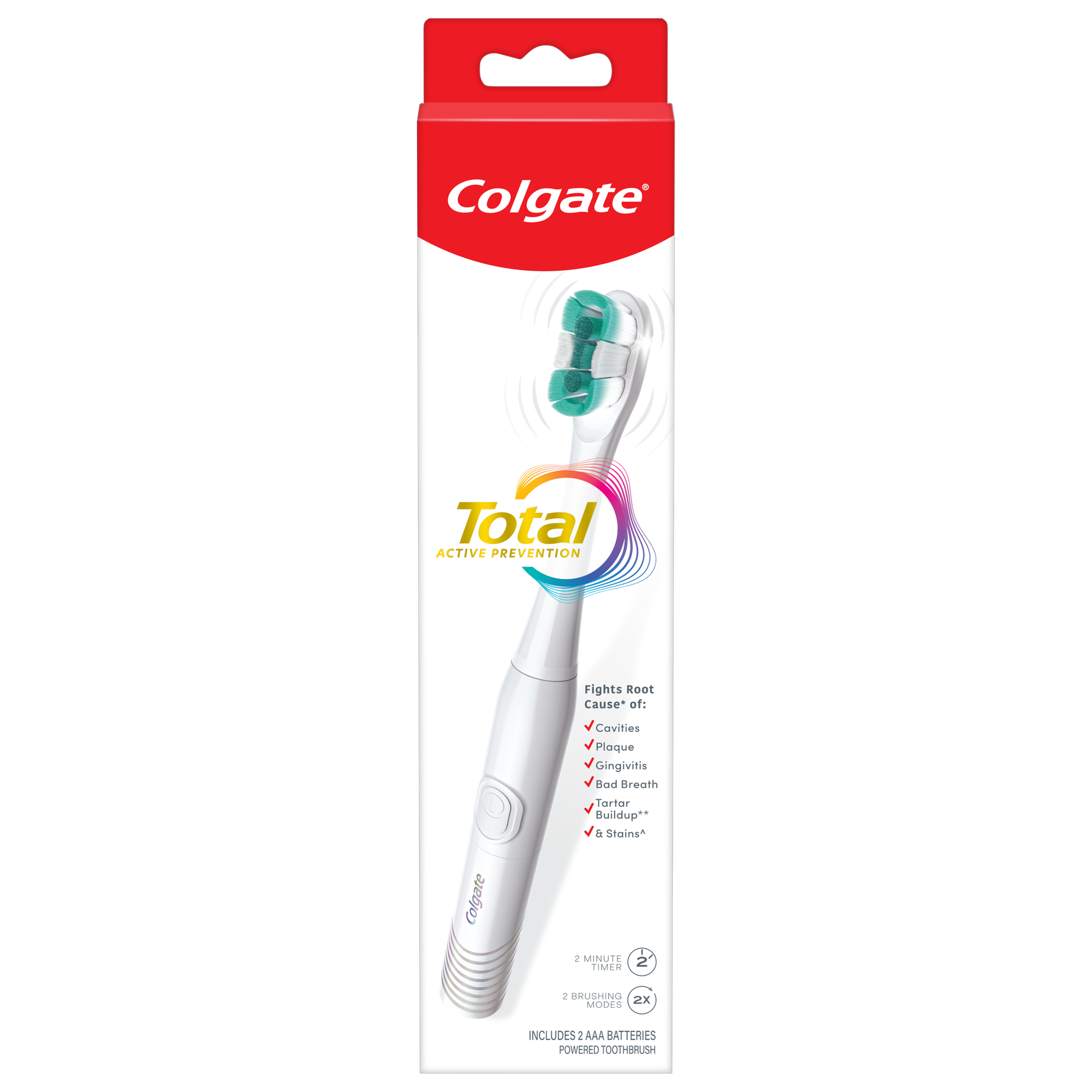
Colgate Total Active Prevention Battery Powered Electric Toothbrush, WhitePower away plaque with Colgate Total Battery Powered Toothbrush.
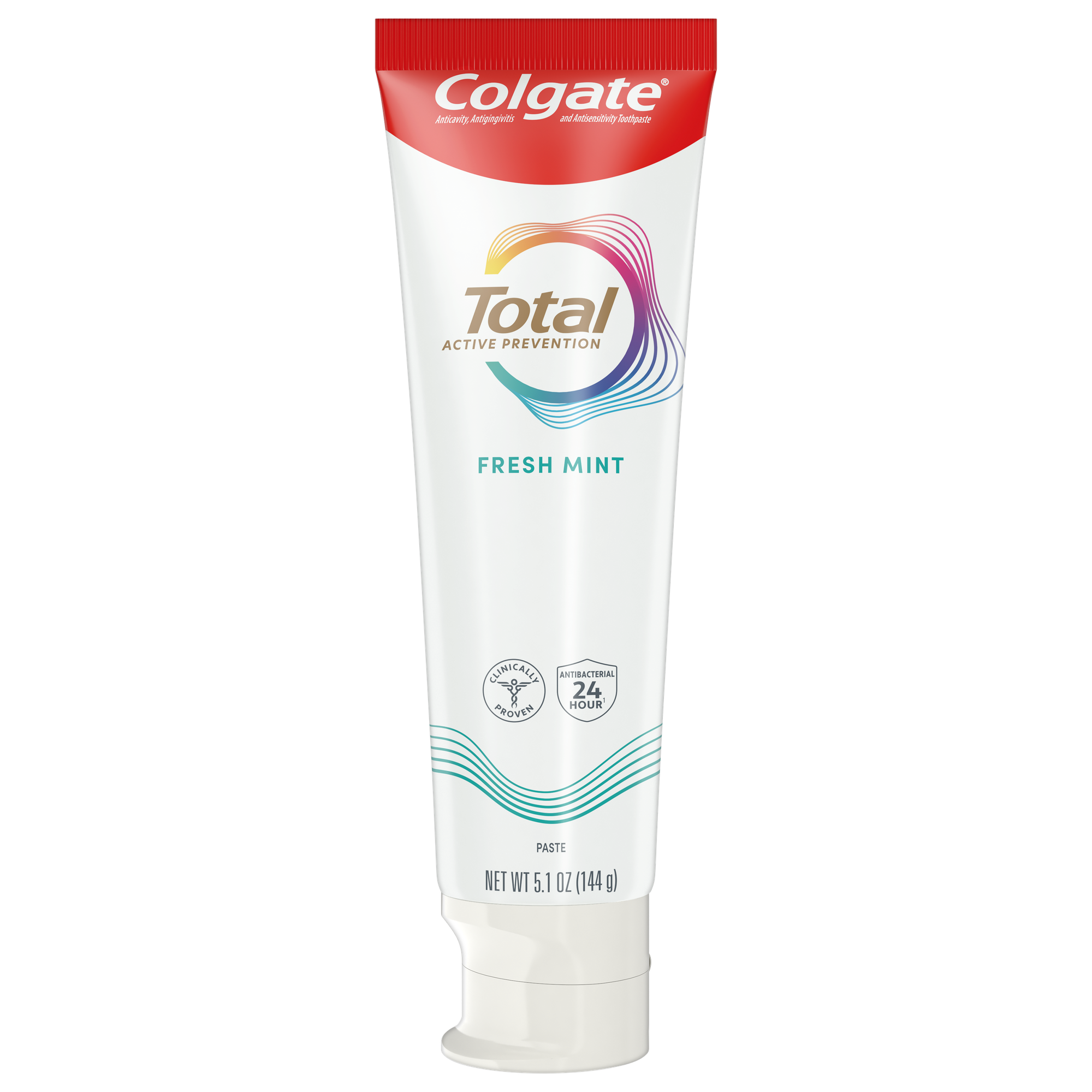
Colgate Total Fresh Mint Toothpaste fights bacteria, the root cause of many oral health issues such as gingivitis, tartar, sensitivity, weak enamel, bad breath, and cavities.


About Cookies on This Site

