Why Are My Teeth Sensitive?
min read


According to the Journal of the American Dental Association, sensitivity often stems from common dental issues that expose the sensitive parts of your teeth. These include:
Enamel Wear: Aggressive brushing or acidic foods can wear down your protective outer layer.
Exposed Roots: Gum recession or periodontal (gum) disease can leave tooth roots unprotected.
Physical Damage: A cracked tooth or worn-out fillings.
Tooth Decay: Cavities that have reached the inner layers of the tooth.¹
Think of your teeth as having microscopic "pores" called dentinal tubules. When your enamel is damaged by any of the reasons we mentioned before, these tubules become exposed, allowing external stimuli to reach the nerves inside your tooth.
The good news? This is often avoidable with the right habits and products that protect your enamel.
Absolutely not. Relief depends on the cause and severity of your sensitivity. Here are the expert-recommended levels of care:
For light or occasional sensitivity, switching your daily toothpaste can make a significant difference. Using a product like Colgate Sensitive Complete Protection twice a day helps block the pain and protect your smile.
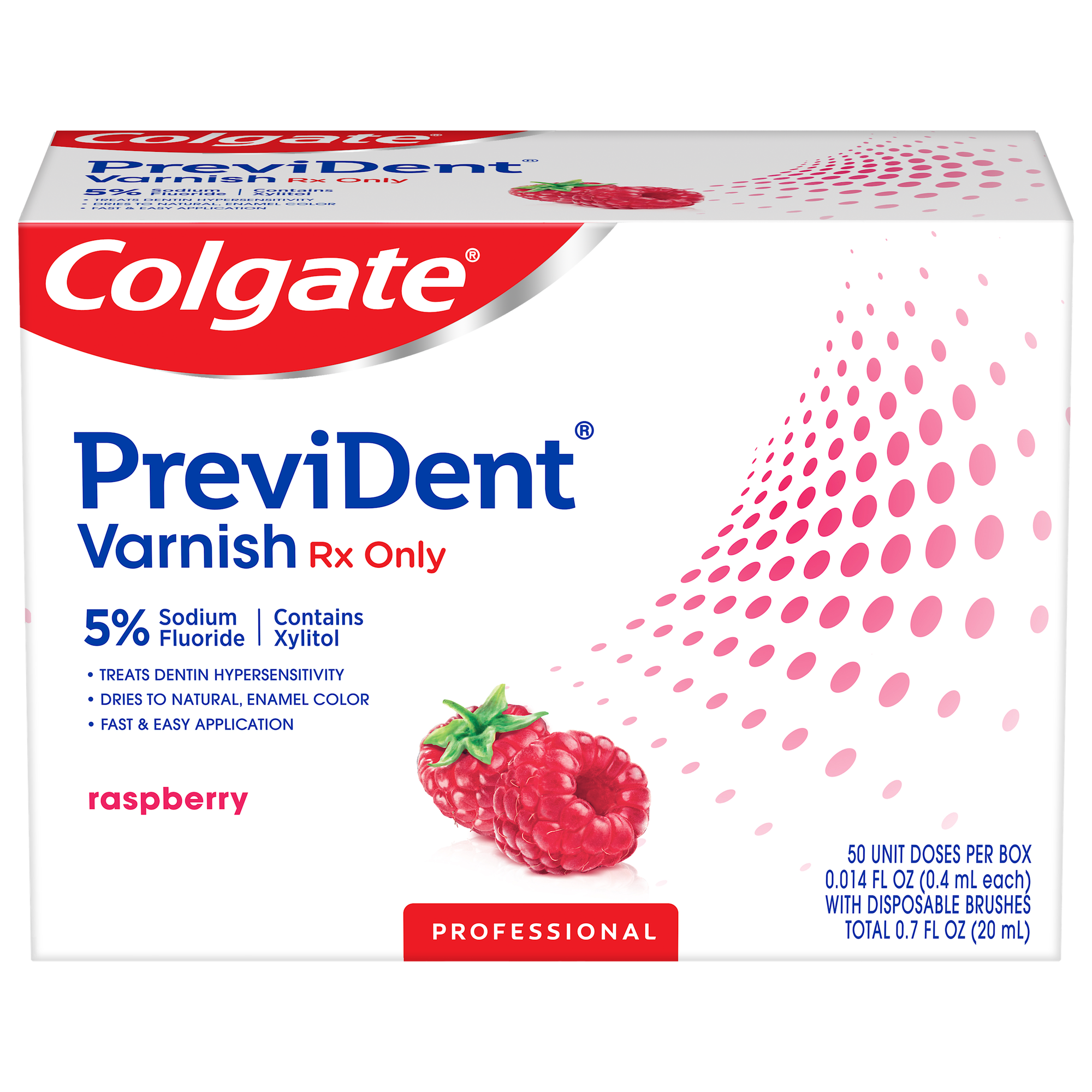
Sometimes, home treatment options aren't enough. During your routine dental visit, your hygienist can apply a treatment like Prevident Fluoride Varnish. This varnish remineralizes your enamel, making it much more resistant to the "sensitivity attacks" from food and drink.
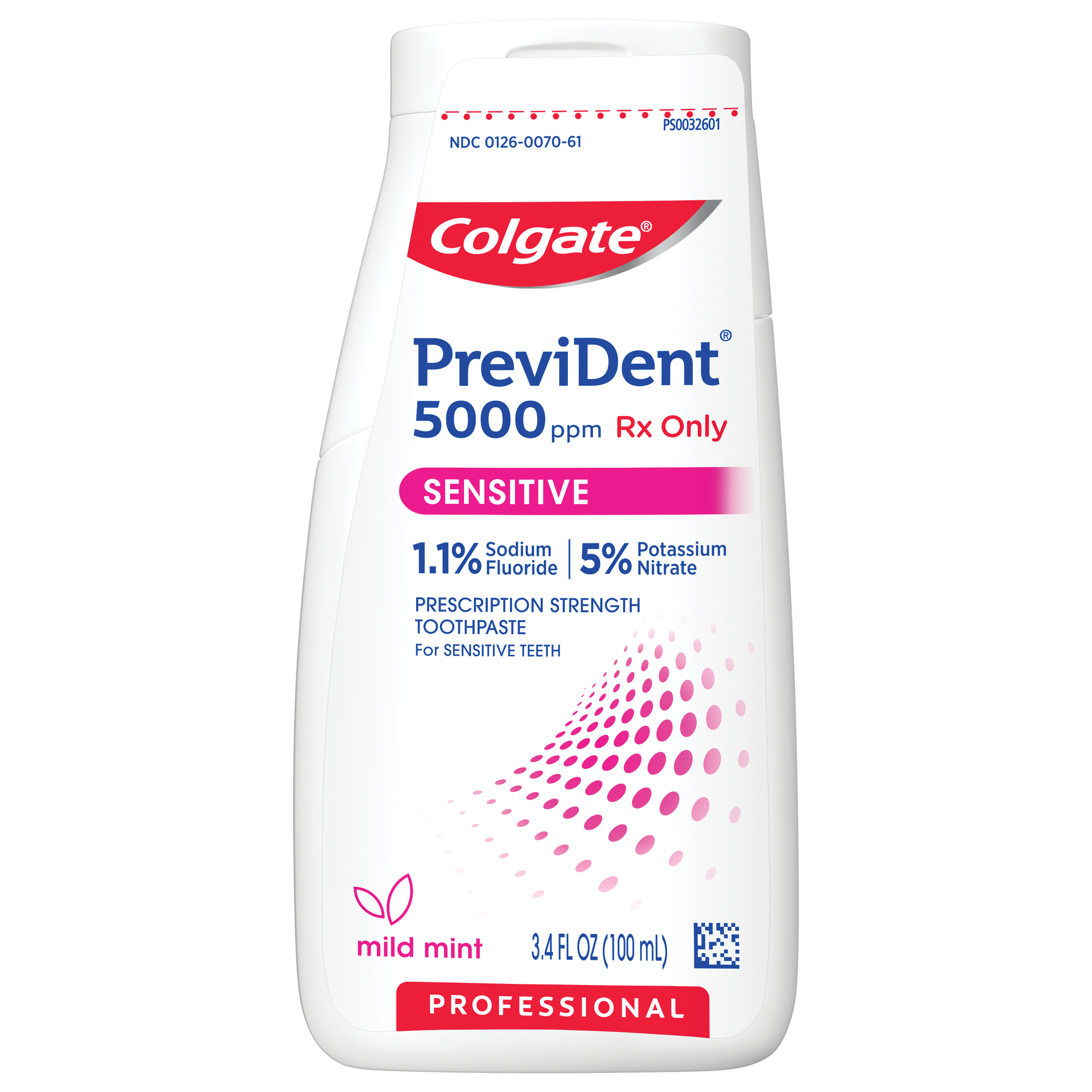
For ongoing or more intense needs, your dentist may prescribe a high-strength formula like Prevident 5000ppm Sensitive. This ensures you are getting professional-grade protection every single day.
You don't have to live with the "shock" of sensitive teeth. By identifying the cause and using the right resources, you can get back to the foods you love.
Talk to your dentist or dental hygienist at your next visit about which solution is right for you.
ORAL HEALTH QUIZ
Take our Oral Health assessment to get the most from your oral care routine
ORAL HEALTH QUIZ
Take our Oral Health assessment to get the most from your oral care routine

Approximately 40 million adults in the United States experience tooth sensitivity. So what causes sensitive teeth? Any number of dental problems. Find your answers here.
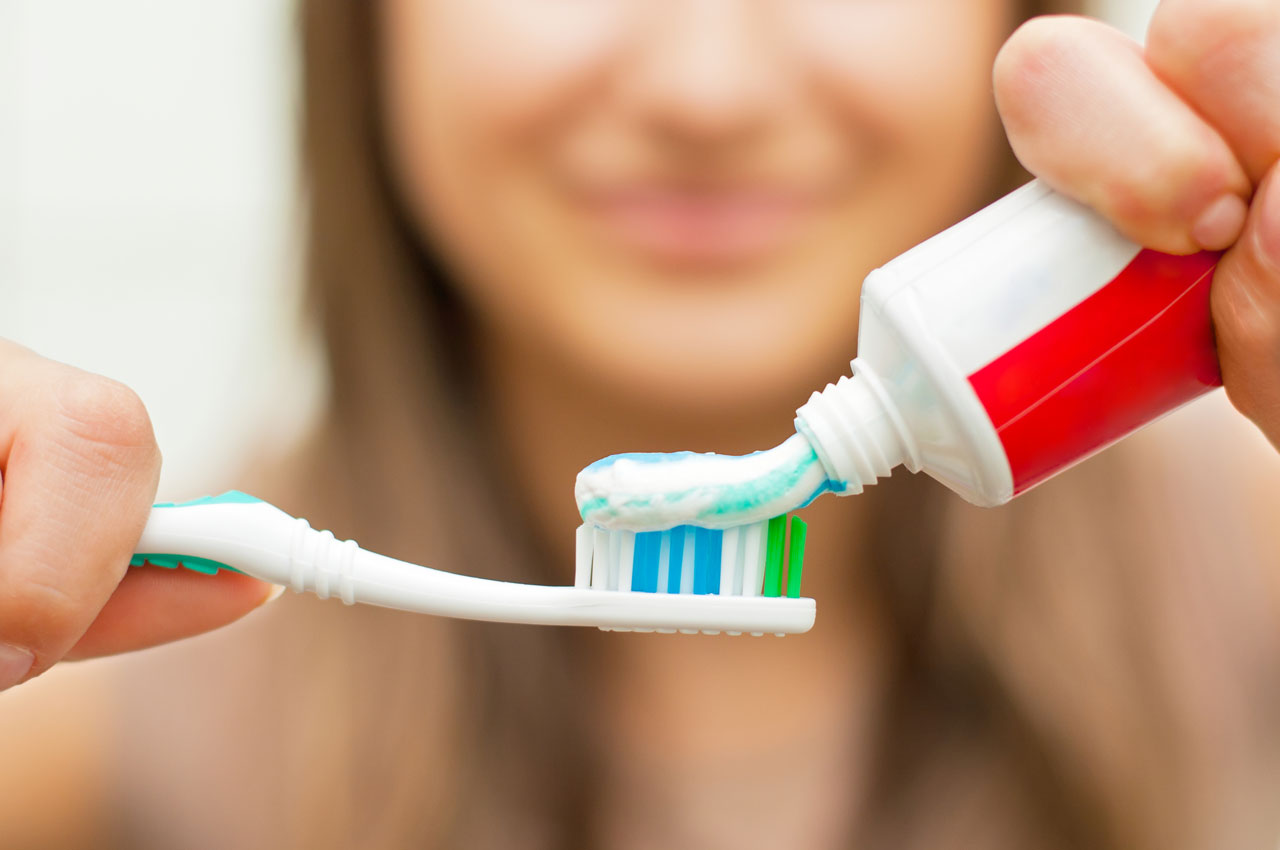
Suffering from sensitive teeth & looking for a toothpaste alternative? Learn about whether mint-free toothpaste is right for you.

Explore effective treatments for tooth sensitivity on Colgate. From fluoride applications to desensitizing toothpaste, find relief for sensitive teeth.

Although desensitizing toothpastes can help ease the pain, you might wonder how to help sensitive teeth naturally and skip the pain next time.