Oral Side Effects of Medications: Dry Mouth, Bad Breath, and Gum Problems Explained
By Ann Eshenaur Spolarich, RDH, PhD, FSCDH
min read

Oral Side Effects of Medications: Dry Mouth, Bad Breath, and Gum Problems Explained
By Ann Eshenaur Spolarich, RDH, PhD, FSCDH

Medication use naturally increases as we get older, with 62% of adults reporting the use of at least one prescription or over-the-counter medication within the past seven days.1
While thousands of medications can cause oral side effects, most are actually quite mild or unnoticed.. However, there is one major exception: drug-induced dry mouth. This is the most commonly reported oral side effect and is linked to multiple classes of medications used to manage chronic conditions.2-5
Medications can significantly alter how much saliva you produce, how fast it flows, and even its chemical makeup. Here is a comprehensive guide to understanding how your prescriptions might be affecting your mouth - and what you can do to protect your smile.
Over 1,000 different medications are known to cause dry mouth.5 The most common offenders include antihistamines, antidepressants, anti-anxiety medications, blood pressure medications, sedatives, allergy pills, and drugs used to treat dementia.
When you lose the natural lubricating properties of saliva, eating, speaking, and swallowing become difficult. Wearing dentures or other oral appliances can also become challenging and uncomfortable.6 But the impact goes beyond comfort:
Saliva naturally neutralizes the acids in foods and beverages.2 When medication alters your saliva, it becomes more acidic. This strips minerals from your tooth enamel2 (often appearing as white spots), allowing cavity-causing bacteria to thrive and cause decay.
Saliva has antimicrobial and protective properties. Without enough of it, bacteria multiply rapidly, forming a sticky plaque biofilm on your teeth, tongue, and cheeks. This can lead to gum disease or even a fungal infection known as thrush.7
What You Can Do: If you suffer from dry mouth, avoid acidic and carbohydrate-heavy foods. Use fluoride toothpastes and rinses to improve the acid resistance of your enamel, and ensure you are brushing and flossing rigorously every single day.
While dry mouth is the most common, here are other medication-related side effects you should be aware of:
Fungal infections are incredibly common side effects of inhaled steroids (for asthma and COPD), oral steroids, immunosuppressants, antibiotics, and certain GERD medications.8 The infection usually appears as a white, plaque-like coating on the tongue and cheeks, redness under a denture, or cracking at the corners of the mouth. A prescription antifungal medication from your doctor or dentist is necessary to treat the infection, often requiring use for a minimum of two weeks.
Sometimes, fungal infections present as a burning sensation. However, burning mouth syndrome can also occur without any visible sores. It is frequently associated with dry mouth, changes in taste, and specific medications like ACE inhibitors, angiotensin receptor blockers used to treat hypertension, some antiretrovirals used to treat HIV, clonazepam, and topiramate, an anticonvulsant used to treat trigeminal neuralgia3,7,8 A consultation with a dentist and a neurologist may be most helpful to determine the cause of this condition and to provide recommendations for treatment.
Sores on the lining of your cheeks can make sleeping, eating, and speaking miserable. Medications known to cause oral ulcers include NSAIDs (pain relievers), beta-blockers, ACE inhibitors, and some antidepressants. A more widespread form of ulceration, called mucositis, is often associated with chemotherapy and immunotherapy drugs.3,9-12 Treatment: Many run their course, but severe cases require steroids. Always notify your doctor if you have a mouth sore of unknown origin, or does not heal within two weeks.
Many popular antidepressants and stimulant medications (like those for ADHD) are linked to teeth grinding and jaw clenching.13,14 .13 Clenching and grinding damages tooth structure, causing wear and potential tooth fracture. The tongue and cheeks may accidentally be bitten. In severe cases, people may have difficulty with everyday functions. A mouthguard can help to protect the teeth, and medications may be prescribed to address symptoms of tardive dyskinesia.
Over 350 drugs alter taste and smell, including more than half of the top 100 most commonly prescribed medications in the US.15 Patients often experience a metallic aftertaste or have reduced taste sensation with sweet, salty, sour or bitter tastes. Antibiotics, antihypertensives, some medications for GERD, and metformin, a drug used for diabetes, are among those drugs known to alter taste. Saliva is necessary to carry tastants from foods over the taste buds, so taste alteration also occurs in those with medication-related dry mouth.16
Many drug families are also known to produce bad breath (halitosis), usually because they also cause dry mouth. Medications that frequently cause bad breath include antihistamines, antidepressants, antihypertensives, drugs for GERD, steroids, muscle relaxants, and drugs used during chemotherapy.19 Good daily oral hygiene along with daily use of an antiseptic mouthwash will reduce the bacterial dental plaque biofilm and help to improve breath odor.
Calcium channel blockers (used for cardiovascular conditions), anticonvulsants, and some immunosuppressants can cause your gum tissue to grow, appearing swollen but feeling firm. This is a benign condition, often linked to genetics. While good hygiene will not entirely prevent the overgrowth, it limits the severity. You should see a periodontist (gum specialist) regularly to monitor the tissue.17,18
Medication-related osteonecrosis of the jaws is a rare, but serious condition where sores develop in the mouth that expose the underlying jawbones. The sores often fail to heal and require professional intervention. Patients may experience pain and swelling. This oral side effect is associated with medications used to treat osteoporosis that are taken orally or by infusion, and some medications used for cancer chemotherapy. Some patients may be at greater risk for developing this oral side effect, including those who smoke or use steroids. An oral surgeon should be consulted for evaluation and treatment.20.
Oral side effects from medications can be temporary or long-lasting, but they should never be ignored. Always notify your dentist or physician if you experience a new oral condition, a change in how your mouth feels, or any sore that does not heal within two weeks. Your healthcare team can recommend targeted products, adjust your dosages, or provide treatments to relieve your symptoms and protect your smile.
Oral Care Center articles are reviewed by an oral health medical professional. This information is for educational purposes only. This content is not intended to be a substitute for professional medical advice, diagnosis or treatment. Always seek the advice of your dentist, physician or other qualified healthcare provider.
ORAL HEALTH QUIZ
Take our Oral Health assessment to get the most from your oral care routine
ORAL HEALTH QUIZ
Take our Oral Health assessment to get the most from your oral care routine
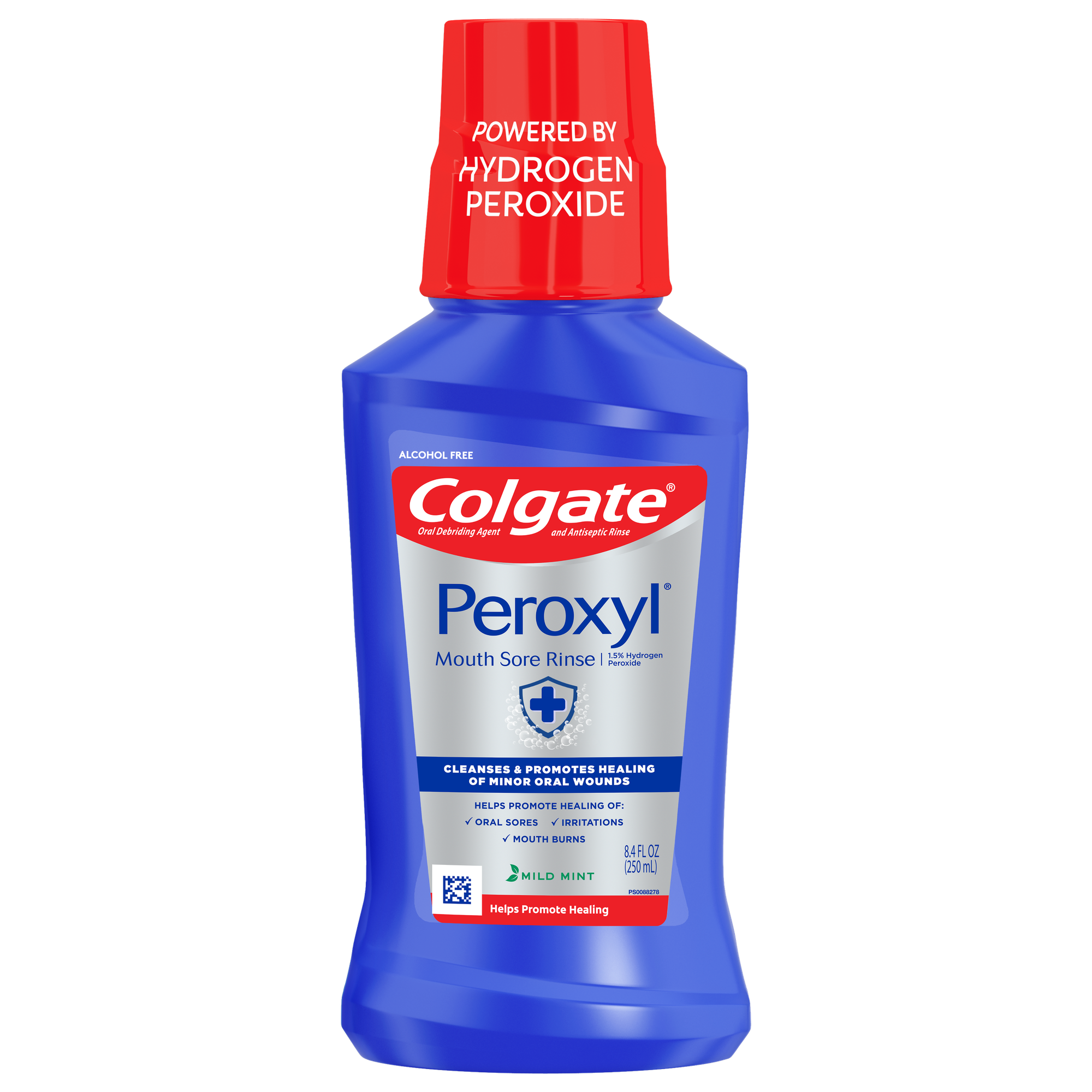
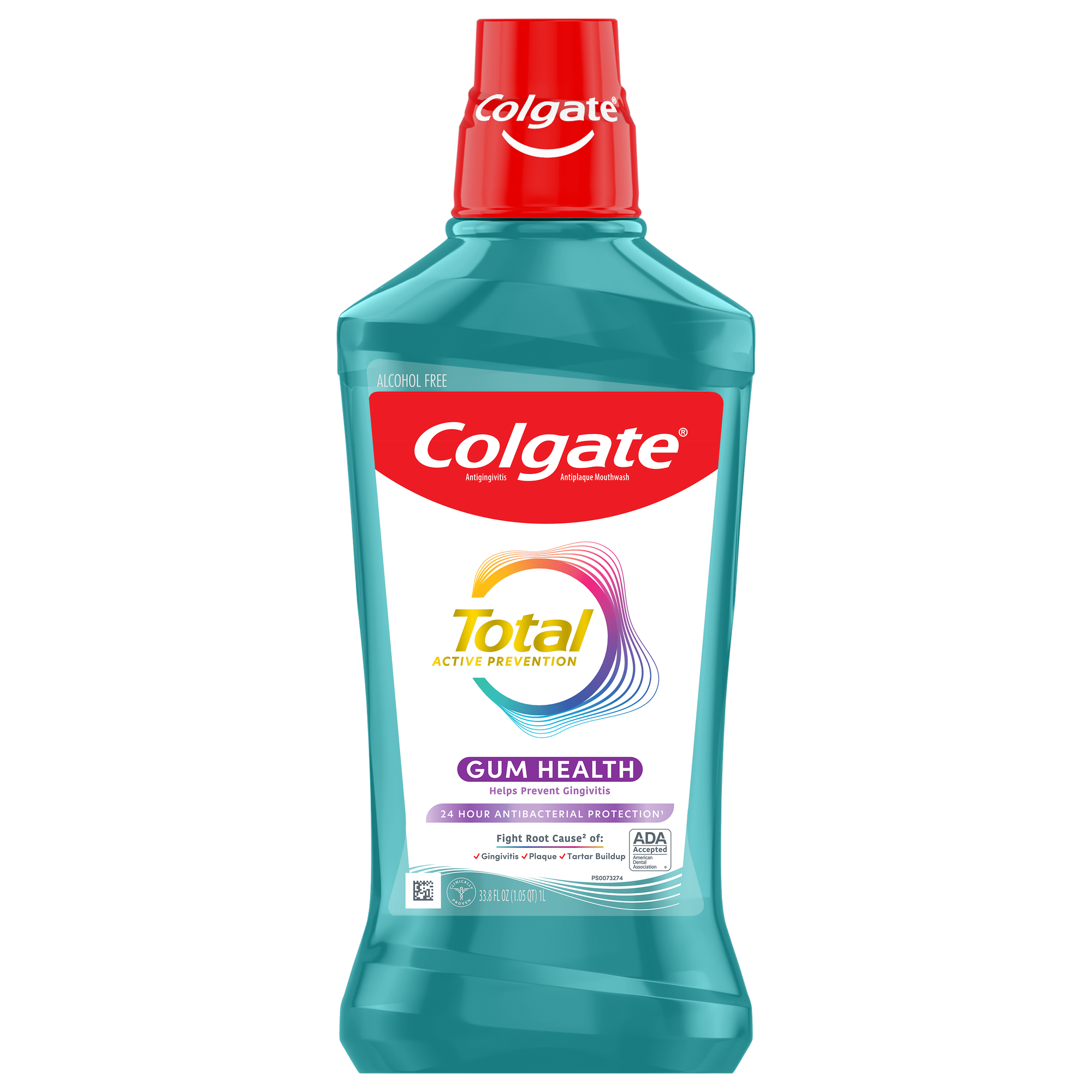
Colgate® Total® Alcohol Free* Gum Health Mouthwash delivers 24-hour protection** against bacteria and also helps prevent gum problems.
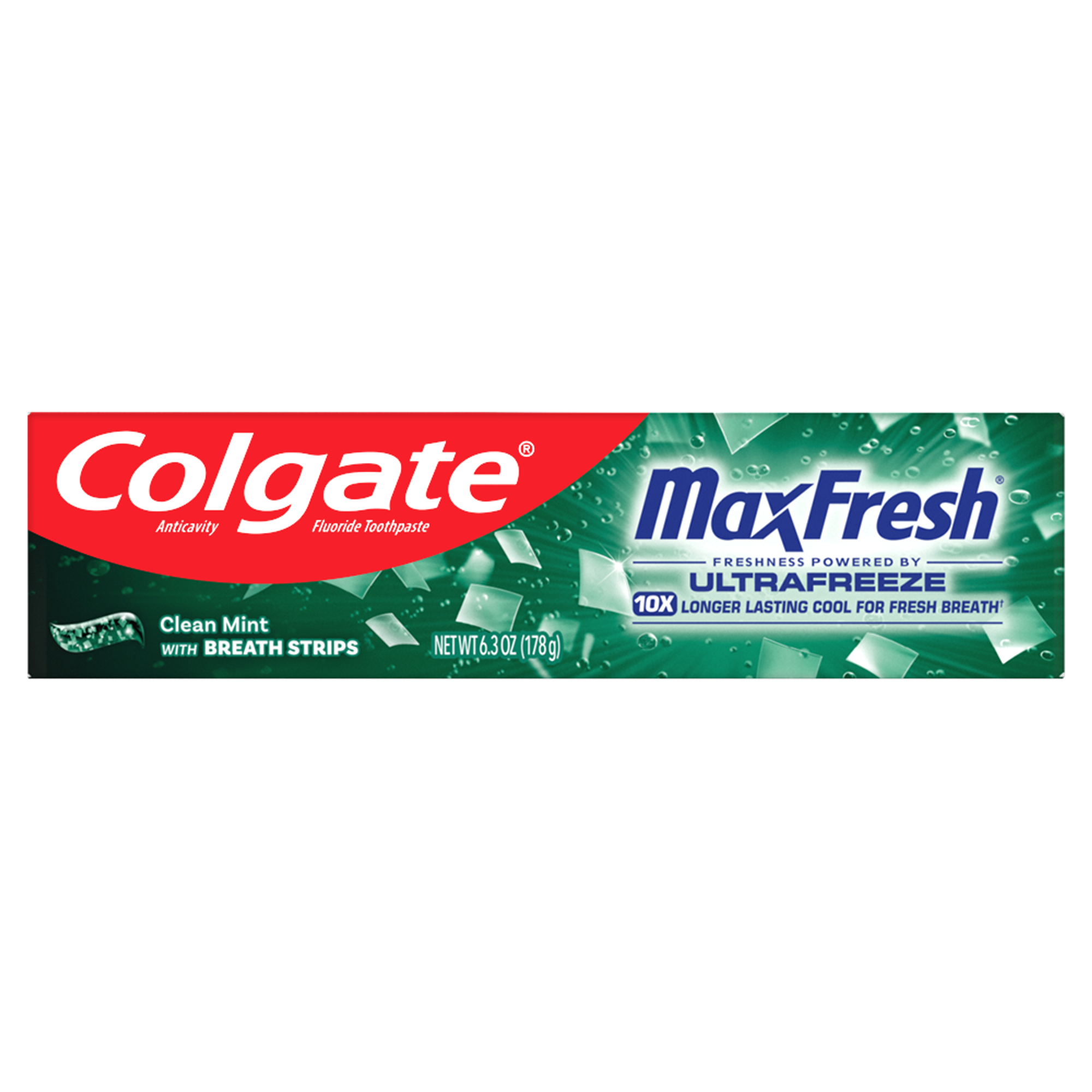
Colgate® Max Fresh Clean Mint Toothpaste, Fresh Breath Toothpaste with Fluoride and Hundreds of Breath Strips, Leaves Mouth Feeling Refreshed for Hours
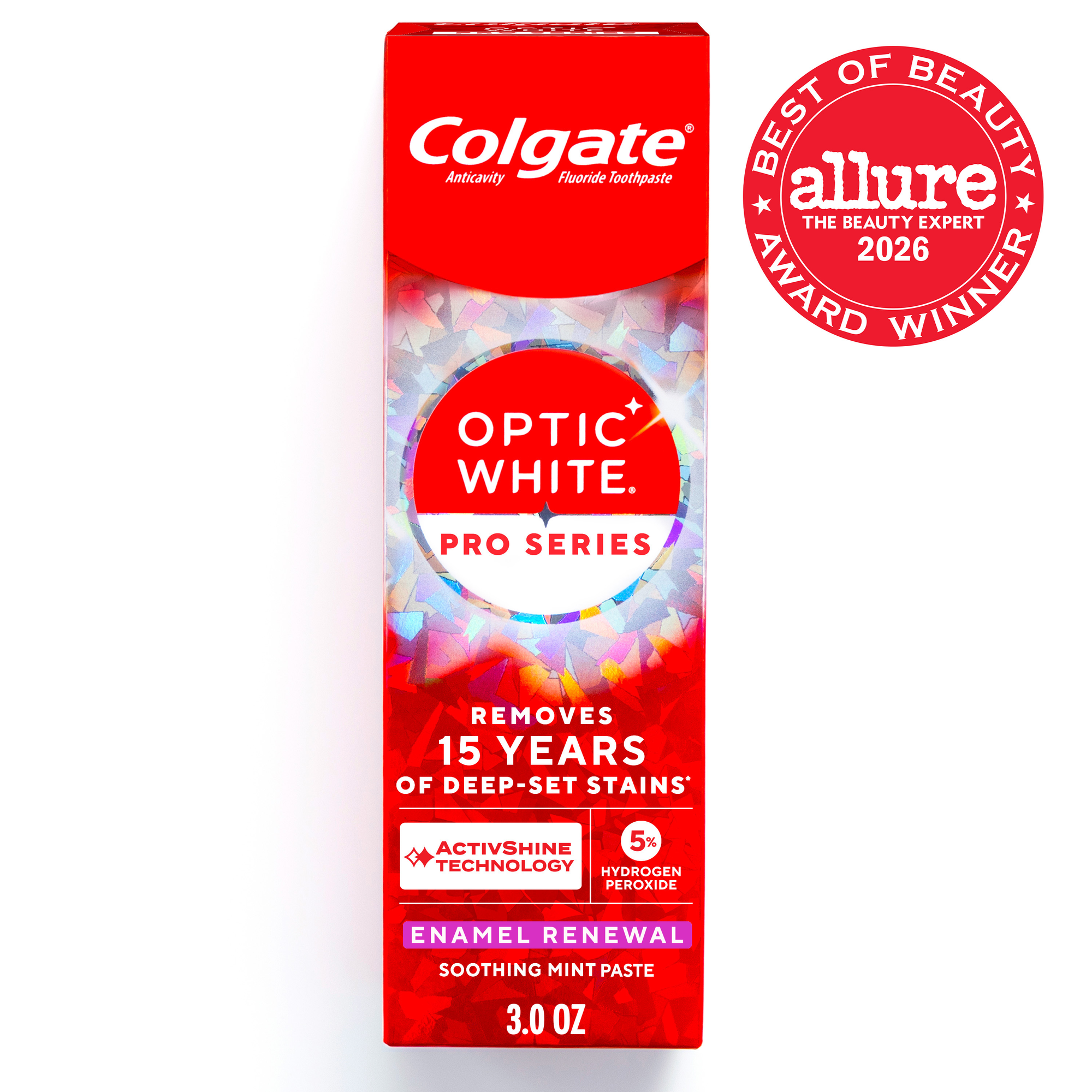
Colgate Optic White Pro Series Toothpaste is a 2026 Allure Best of Beauty Award winner

