How to Prepare for Your Child's First Dental Visit
3
min read

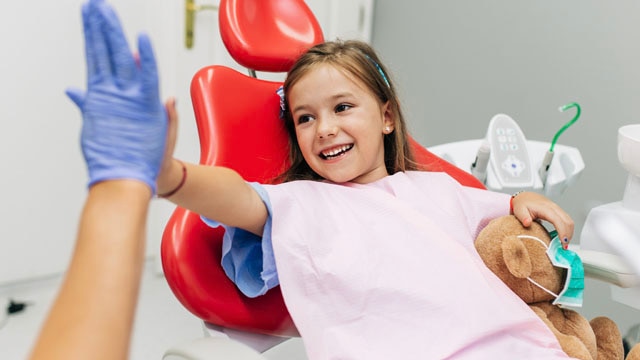
Try to schedule your child's first dentist appointment when they will be the least fussy, and make sure they are well-rested and fed before you arrive. While making the appointment, you can also ask about completing health history forms in advance and if the office will need any additional information to help limit the time waiting in the office. A quick call to your dental insurance provider can also confirm your coverage and determine if there will be any additional copays.
A child's first dental visit should not be a surprise. Take some time to talk to your child about what will happen at the appointment. You can also read books or watch a television show about a friendly dental visit to help them visualize what it will be like. If your child is older, you can make a pretend trip to the dentist and practice opening their mouth wide to count their teeth. For more ambitious parents, the internet provides a variety of crafts to teach your children the importance of taking care of your teeth. Parents can also prepare for a child's first visit by completing any paperwork, writing down the child's medications, and making a list of any questions.
Keeping a positive attitude and talking excitedly about the dental visit will go a long way in making your child feel comfortable instead of scared. However, if you sense your child is nervous, bring along a stuffed animal friend. The "friend" — or an older sibling — can go first, and the dental professional can demonstrate what will happen next or answer any of the child's questions. If your child still has dental anxiety, there are many things you can do to make them feel safe. Many dentists will provide a reward at the end of the appointment, but you may also want to pack a treat. Stickers, a new toothbrush, or a small toy all make great rewards.
Depending on how comfortable — or wiggly — your child is, they may sit directly in the chair or in your lap. The dentist will check their jaw, teeth, and gums for proper development, cavities, or other issues. Either the dentist or dental hygienist will clean the child's teeth and provide education on how to properly take care of your child's teeth and gums. At the end of the appointment, the dentist can answer any questions you may have — from pacifier use to the best nutrition for healthy teeth.
Setting a positive precedent for dental appointments at an early age can help children create lifelong oral hygiene habits. By following these steps and taking the time to prepare for your child's first dental visit, you can help your child enjoy the dentist and look forward to future appointments.
Oral Care Center articles are reviewed by an oral health medical professional. This information is for educational purposes only. This content is not intended to be a substitute for professional medical advice, diagnosis or treatment. Always seek the advice of your dentist, physician or other qualified healthcare provider.
ORAL HEALTH QUIZ
Take our Oral Health assessment to get the most from your oral care routine

At each appointment, asking dental questions is an important part of your long-term healthcare. Here are 10 you should get the answers to.
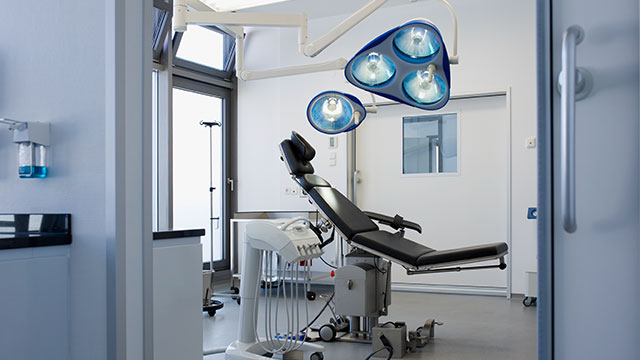
With some types of dental work, your dentist might recommend a type of anesthetic like deep sedation. Learn all about deep sedation and what it's used for.

How often should you go to the dentist after a first appointment? Six months? A year? Ideally, you should take your child to the dentist every six months.

Learn more about oral care for adults, including how to properly brush and floss, adult toothbrushes, and much more, from the Colgate Oral Care Center.
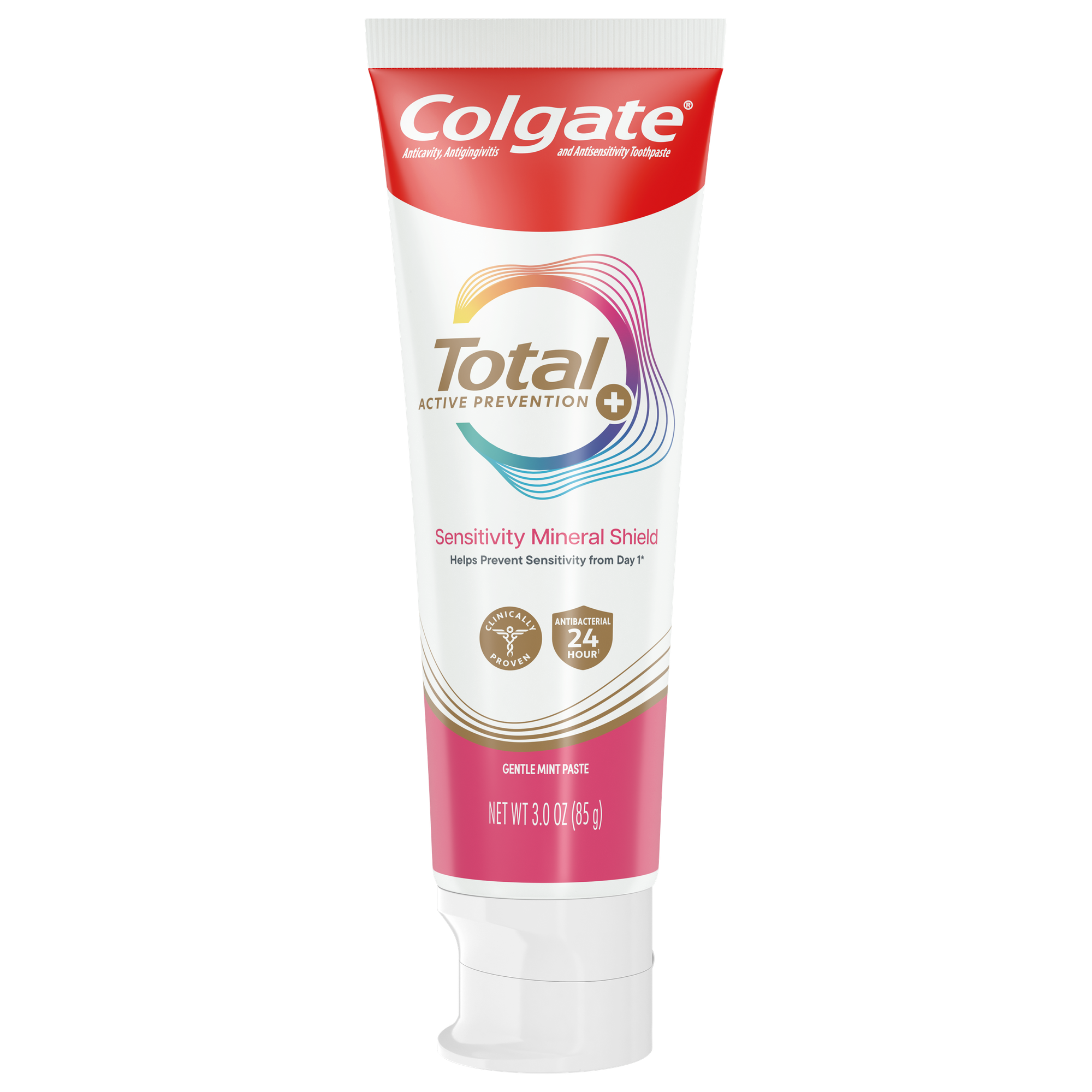
Help prevent sensitivity from day 1* with Colgate Total Active Prevention Sensitivity Mineral Shield Mint Toothpaste.
*with twice daily use
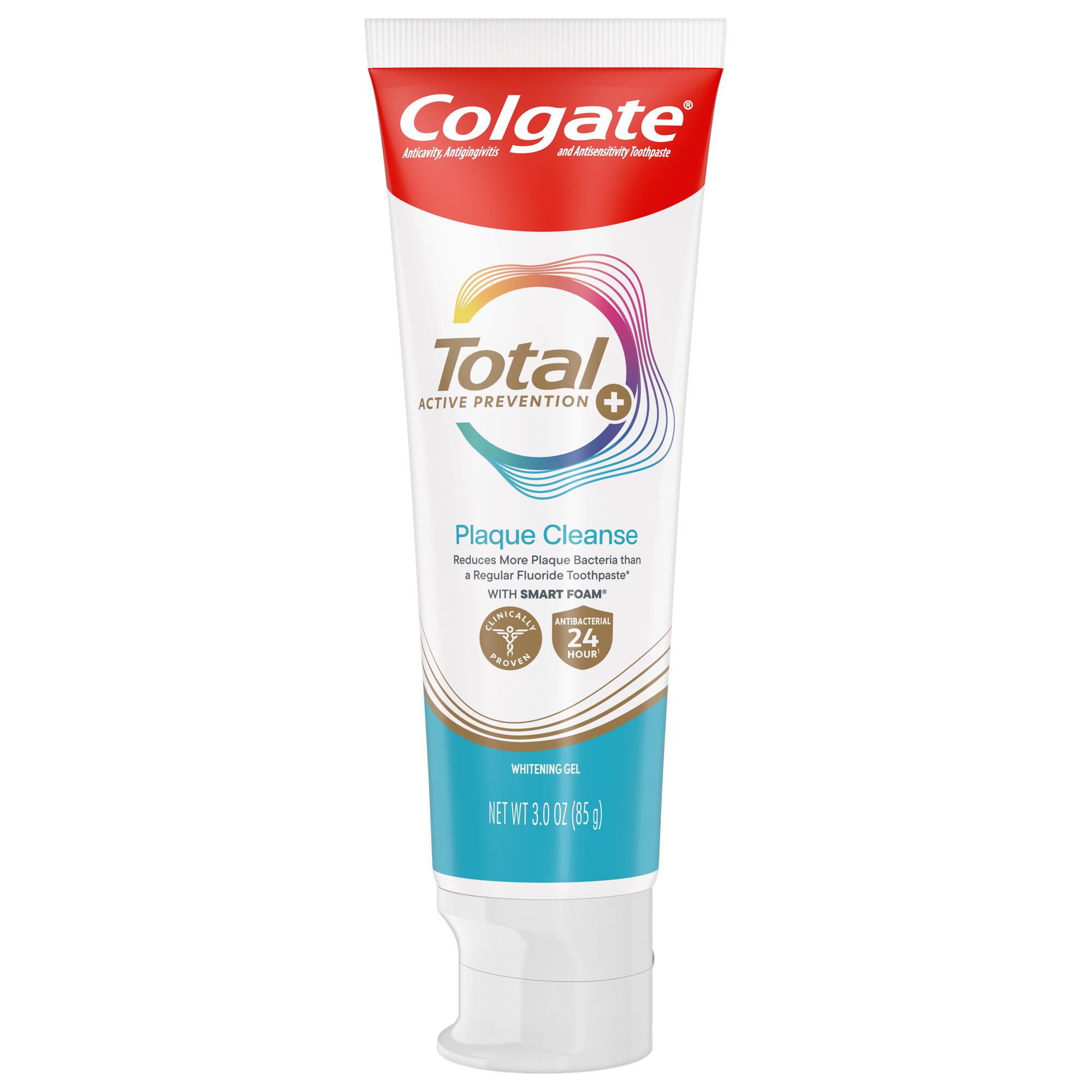
Help promote healthy gums using Colgate Total Active Prevention Plaque Cleanse Whitening Toothpaste Gel. This patented tartar prevention toothpaste fights the root cause* of gingivitis, plaque, tartar, cavities, sensitivity, bad breath, weak enamel, and stains and is 2x more effective*** at fighting bacteria, the root cause of oral health problems like cavities and gingivitis.
*via protection against bacteria and dietary exposures, with daily brushing
***via reduction of bacteria vs. non-antibacterial fluoride toothpaste with 2x daily brushing and 4 weeks use
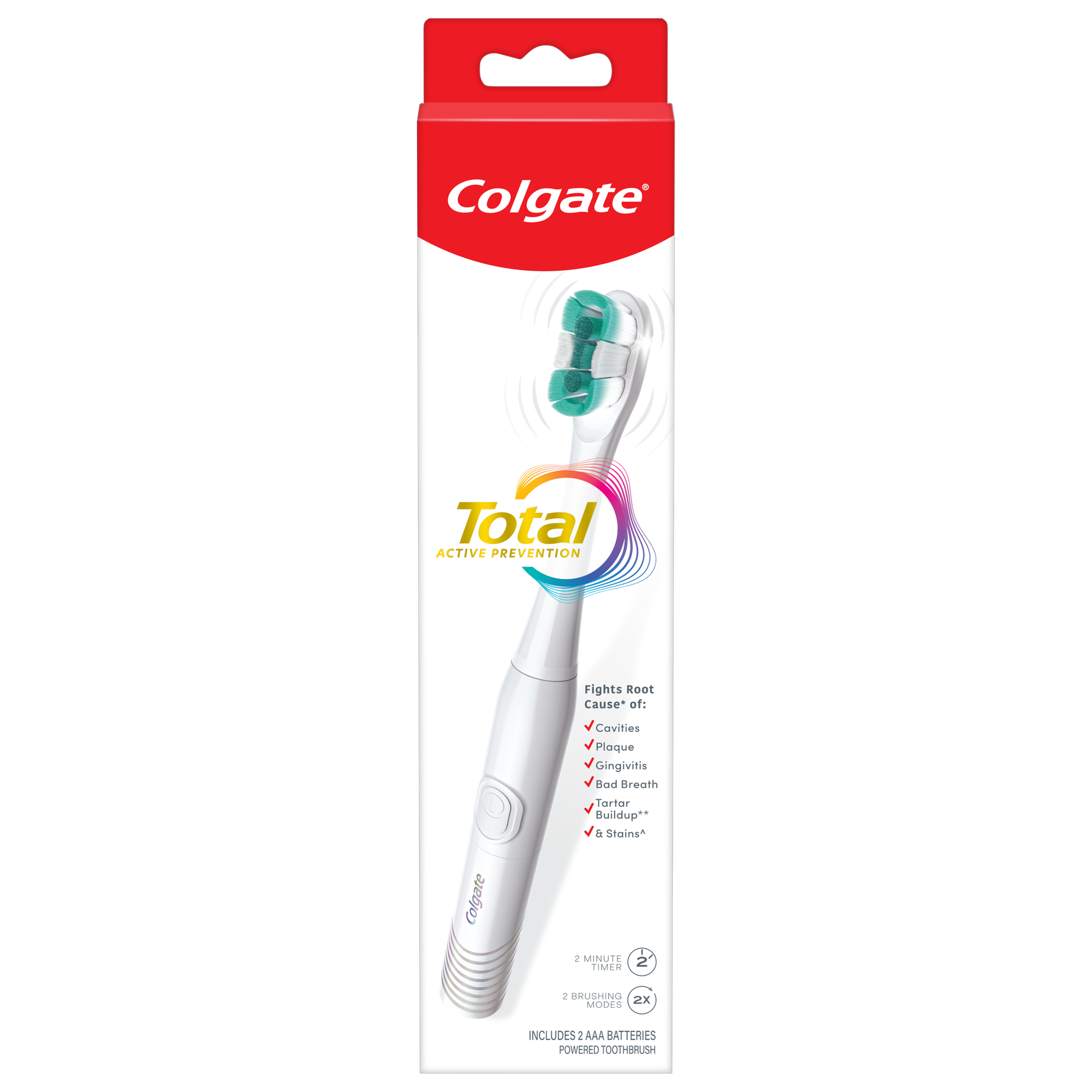
Colgate Total Active Prevention Battery Powered Electric Toothbrush, WhitePower away plaque with Colgate Total Battery Powered Toothbrush.
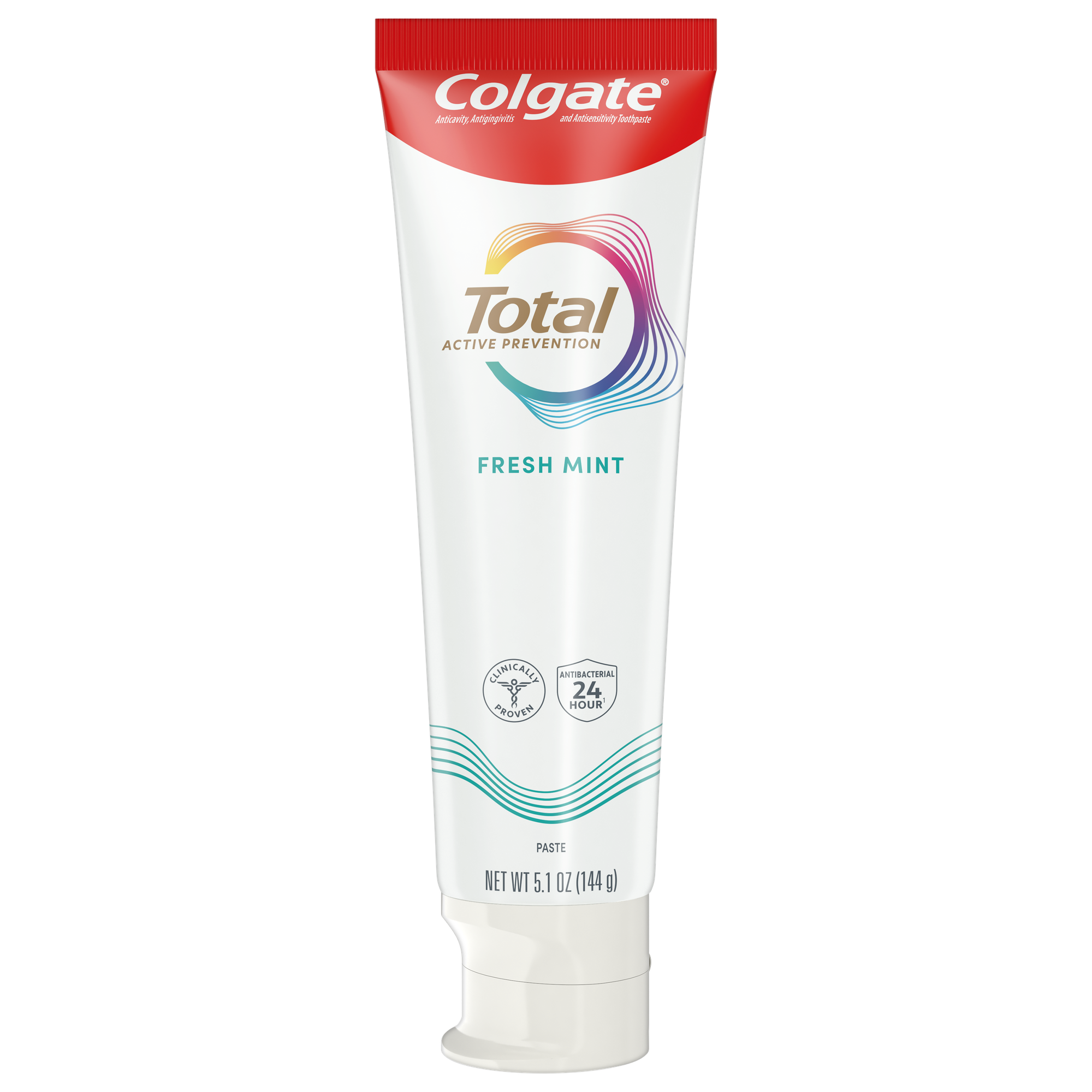
Colgate Total Fresh Mint Toothpaste fights bacteria, the root cause of many oral health issues such as gingivitis, tartar, sensitivity, weak enamel, bad breath, and cavities.


About Cookies on This Site

