Receding gums: causes, identification, and how to protect your smile
min read

Key takeaways:
Identification: important to distinguish between pathological recession and mechanical abrasion.
The "no-regrowth" reality: lost gum tissue does not grow back naturally; while you can stabilize the condition, restoring the original gum height requires clinical intervention.
Root vulnerability: recession exposes the tooth root (cementum), which lacks protective enamel and is more vulnerable to erosion and decay.
Proactive prevention: includes transition to a soft-bristled brush, daily plaque biofilm management, and use of a custom mouthguard if bruxism (grinding) is contributing to tissue loss.
It can be difficult to distinguish between recession caused by gum disease (periodontal disease) and recession caused by mechanical trauma, for instance. Therefore, focusing on the symptoms is crucial.
If the tissue is vivid red (gingival erythema), swollen, and bleeds when touched, the recession is likely driven by an underlying infection like gum disease.
If the tissue appears healthy and pink but is retreating (particularly on the canines or premolars), the gums are likely receding due to trauma or excessive force when brushing, for example.
Transitioning to a soft-bristled toothbrush is the primary step in preventing further trauma because aggressive brushing wears down enamel and pushes the delicate gum tissue away from its natural position.
While aggressive brushing is a major factor, several other biological and lifestyle elements contribute to a shrinking gum line:
Plaque biofilm: the leading cause of gum recession. Bacteria in the plaque biofilm release toxins that trigger an immune response, leading to the destruction of the gums and the ligaments and alveolar bone that sit beneath them.
Genetics: some individuals are born with a "thin biotype," meaning their gum tissue is naturally more delicate and prone to retreat.
Bruxism (grinding): clenching puts lateral force on the teeth, which can cause the thin bone near the gum line to resorb, leading to recession.
Tobacco use: smoking restricts vascular flow to the oral mucosa, masking the signs of infection while accelerating the destruction of supporting tissues.
You may see claims online where people say "I healed my receding gums" or "how to reverse receding gums at home without surgery".
It is important to be realistic: you cannot regrow lost tissue at home. Once gum tissue is lost, it does not grow back naturally, but you can take action to stop the process from worsening.
Here’s how you can "fix" the environment in your mouth to prevent further loss:
By maintaining a rigorous biofilm management routine, you can eliminate the chronic inflammation that causes tissue retreat. This includes brushing twice daily with a soft-bristled toothbrush and flossing at least once a day.
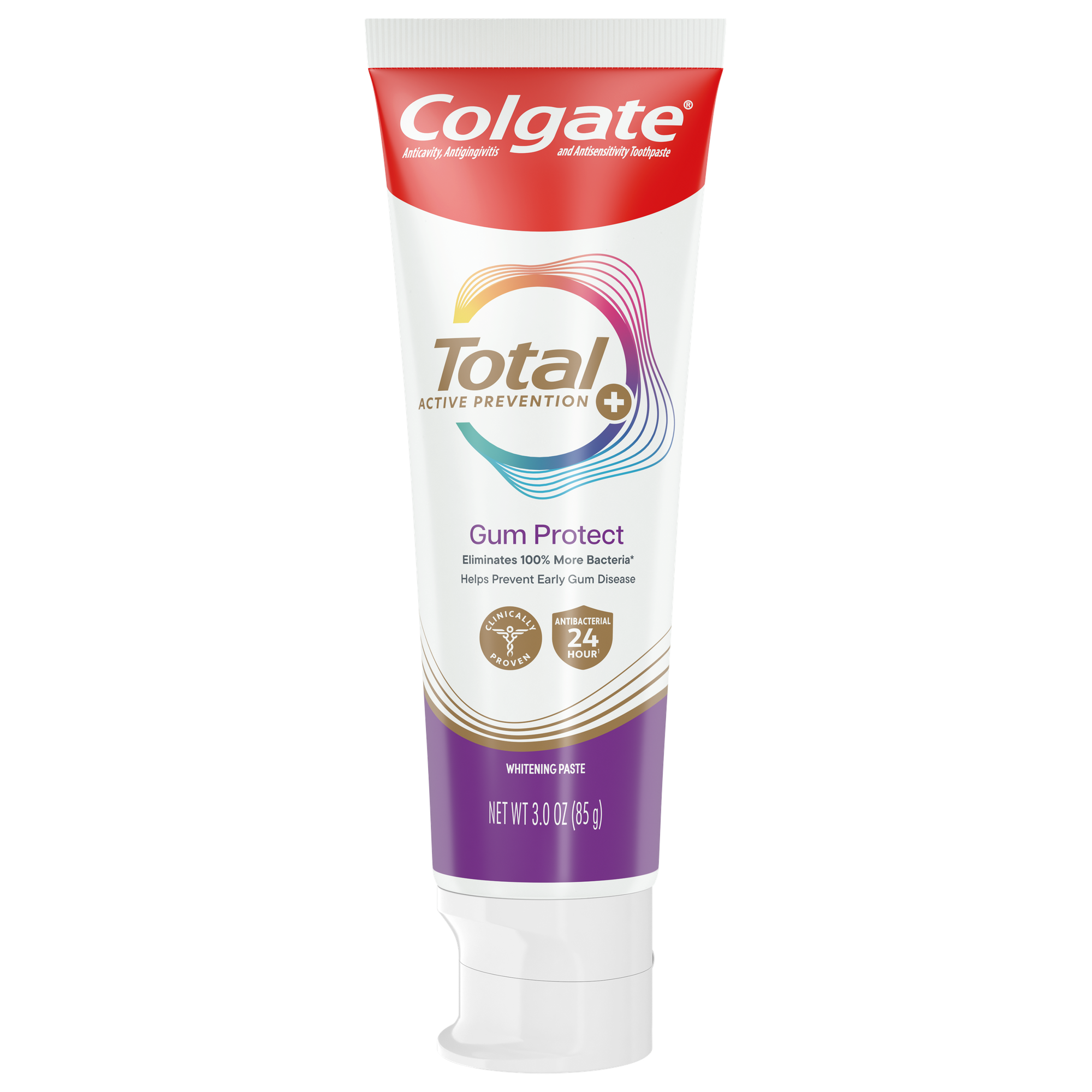
By choosing the best toothpaste for gingivitis, you will allow the remaining tissue to stabilize.
The most common receding gums treatment for early stages is a deep cleaning (scaling and root planing) to remove the bacteria causing gum disease. For more severe cases where the root is exposed, a periodontist may recommend gum surgery or a gum graft.
These procedures involve taking tissue from another area to cover the exposed site, which reduces sensitivity and prevents future decay.

Although you can’t fix receding gums, preventative care can stop any further recession:
Use a soft-bristled toothbrush and apply gentle pressure, rather than scrubbing the teeth and gumline.
Choose a battery toothbrush with a pressure sensor to ensure you aren't scrubbing too hard.
Pair this with daily flossing to clean the spaces between the teeth and around the gumline, where bacteria hide and your toothbrush cannot reach.
If your recession is caused by grinding, your dentist can provide a custom mouthguard to alleviate the pressure on your gums and bone.
Yes. As the gum recedes, the tooth loses its structural support and the bone begins to deteriorate. Without intervention, the tooth can become loose and eventually fall out.
Salt water may provide some temporary relief for tender gums, but it cannot move the gum tissue back to its original position or remove hardened tartar.
Sensitivity is a common symptom of recession. When the gums pull back, they expose the tooth root, which is covered with cementum. This material is not as strong as enamel, so it is more vulnerable to erosion and decay. This allows cold temperatures to reach the nerves inside the tooth.
This article is intended to promote understanding of and knowledge about general oral health topics. It is not intended to be a substitute for professional advice, diagnosis or treatment. Always seek the advice of your dentist or other qualified healthcare provider with any questions you may have regarding a medical condition or treatment.
ORAL HEALTH QUIZ
Take our Oral Health assessment to get the most from your oral care routine
ORAL HEALTH QUIZ
Take our Oral Health assessment to get the most from your oral care routine