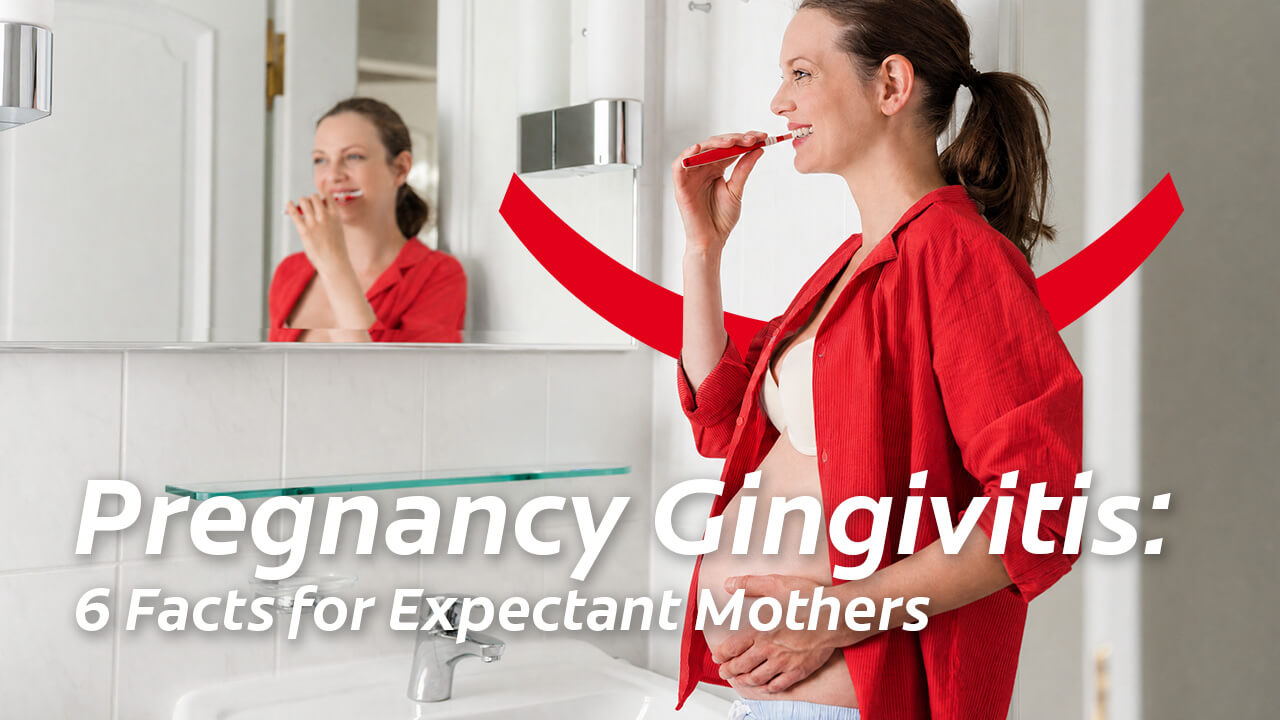
Pregnancy gingivitis: managing your oral health while expecting
min read

In this article:
Key takeaways:
The hormonal link: increased progesterone during pregnancy makes oral tissues hyper-reactive to plaque biofilm, causing significant swelling and redness even with a good hygiene routine.
Vascular changes: as blood volume increases, capillaries in the gingival sulcus dilate and become more permeable, leading to "pregnancy-enhanced" inflammation where gums bleed upon the slightest contact.
Timeline and resolution: symptoms typically appear in the second trimester and peak in the third.
Systemic importance: managing the bacterial load is a critical part of prenatal care, as periodontal pathogens can enter the bloodstream and have been linked to preterm birth or low birth weight.
During pregnancy, your body undergoes significant hormonal changes, particularly an increase in progesterone. High levels of progesterone and estrogen stimulate the production of pro-inflammatory mediators. This alters the host response, causing the gums to react to the toxins in the plaque biofilm with significantly more swelling and gingival erythema (redness) than usual.
Clinical studies indicate that these hormones can make the gum more susceptible to inflammation. Even a small amount of plaque that might not have caused a reaction before can now trigger a response.
This is why maintaining a strict cleaning schedule is vital during this period. Without proper care, this inflammation can progress toward gum disease which has been linked to broader pregnancy complications.
Many expectant mothers notice a change in their oral health and often ask their dental professionals why the gums tend to bleed during pregnancy even when they are brushing regularly.
The answer lies in "pregnancy-enhanced" inflammation. As blood volume increases to support fetal development, the capillaries within the gingival sulcus (the space between the tooth and gum) become dilated. This "pregnancy-enhanced" inflammation means the tissue may bleed upon the slightest contact with a toothbrush or floss.
Even with diligent brushing, the gums may appear swollen or leave traces of blood in the sink due to bleeding gums when brushing. It is important to realize that this is not a sign to stop cleaning; rather, it is a signal to be more thorough and gentle to prevent symptoms of gum disease.
Expectant mothers usually begin to notice changes in their gum health during the second trimester, but they can persist after birth.
Second trimester: this is typically when gingivitis during pregnancy becomes most apparent, as hormone levels rise significantly.
Third trimester: symptoms may peak during this time as the body prepares for childbirth.
Post-partum: for most people, the condition begins to resolve naturally after the baby is born and hormone levels stabilize.
If discomfort or bleeding gums during pregnancy persist after delivery, it may indicate that the condition has shifted into a more permanent form of gum disease.
Pregnancy gingivitis treatment is safe and highly recommended for both the mother and the baby.
A professional cleaning by a dental hygienist is the most effective pregnancy gingivitis treatment, as it removes the irritating plaque and tartar that trigger the hormonal reaction. Dentists generally recommend scheduling a checkup during the second trimester.
During this visit, they can perform a deep clean and check for "pregnancy tumors" - painless, non-cancerous growths on the gum that sometimes appear due to extreme irritation.

To manage your gum health during pregnancy, you should adapt your home care routine to meet your body's changing needs:
Use a soft-bristled toothbrush to minimize trauma to the sensitive gum tissue.
Brush with a multi-benefit toothpaste containing stannous fluoride (SnF₂) at least twice daily to strengthen enamel.
Floss once a day to remove plaque from areas your brush cannot reach.
Rinse with an alcohol-free antimicrobial mouthwash to soothe inflammation.
Maintain a balanced diet low in sugary snacks to starve harmful bacteria.
Taking action against gingivitis by managing the bacterial load in the mouth is a critical component of prenatal care.
Clinical research indicates an oral-systemic link between gingivitis and pregnancy complications. Periodontal pathogens and their inflammatory by-products can enter the bloodstream, potentially contributing to preterm birth or low birth weight. By treating the gums as a priority, you are supporting a healthier environment for your developing baby.
If you experience morning sickness, remember to rinse your mouth with water or a mixture of water and baking soda to neutralize stomach acid before brushing, as this protects your enamel from erosion.
Yes, modern dental X-rays use very low radiation and are considered safe during pregnancy. It is often safer to have a necessary X-ray and treat an infection than to let the infection spread.
Most dental professionals agree that local anesthesia, such as lidocaine, is safe during pregnancy. It is important to stay comfortable and pain-free during your treatment to avoid unnecessary stress.
The hormonal sensitivity usually subsides after birth. However, any structural damage or tartar buildup that occurred during pregnancy will remain and requires professional removal to prevent long-term receding gums.
This article is intended to promote understanding of and knowledge about general oral health topics. It is not intended to be a substitute for professional advice, diagnosis or treatment. Always seek the advice of your dentist or other qualified healthcare provider with any questions you may have regarding a medical condition or treatment.
ORAL HEALTH QUIZ
Take our Oral Health assessment to get the most from your oral care routine
ORAL HEALTH QUIZ
Take our Oral Health assessment to get the most from your oral care routine