Reverse gum disease: how to restore your oral health
min read

Key takeaways:
Reversibility Window: gum disease is only fully reversible in the early stage, known as gingivitis; once it progresses to periodontitis, bone loss is permanent and the condition can only be stabilized.
Professional Support: you cannot reverse advanced gum disease at home because bacteria become trapped in deep gum pockets and are unreachable by brushing; professional scaling and root planing are required to stop the infection.
Home Care "Heroics": to reverse early inflammation, you must combine professional cleanings with a strict routine of twice-daily brushing, antimicrobial toothpaste, and daily flossing to eliminate plaque.
Recovery Timeline: with diligent hygiene and professional help, gingivitis symptoms like bleeding and swelling typically resolve within 10 to 14 days.
In some cases yes, but this depends entirely on the current stage of the infection.Only the first stage (gingivitis) is fully reversible. During this phase, the gums are inflamed and may bleed, but the bone and connective tissues remain intact.
But if the condition progresses to periodontitis, which is the advanced stage of gum disease (periodontal disease), the resulting bone loss is permanent. However, even advanced stages can be "stabilized" with professional care to prevent further destruction.
To reverse early gum disease, you must focus on the total elimination of bacterial plaque.
If you are wondering how to reverse gum disease at home, the process starts with a professional dental checkup. A dentist must remove tartar (hardened plaque) that you cannot get rid of with toothbrushing alone. Following that, you must maintain a consistent daily hygiene routine:
Brush for two minutes, twice a day, using a soft-bristled brush.
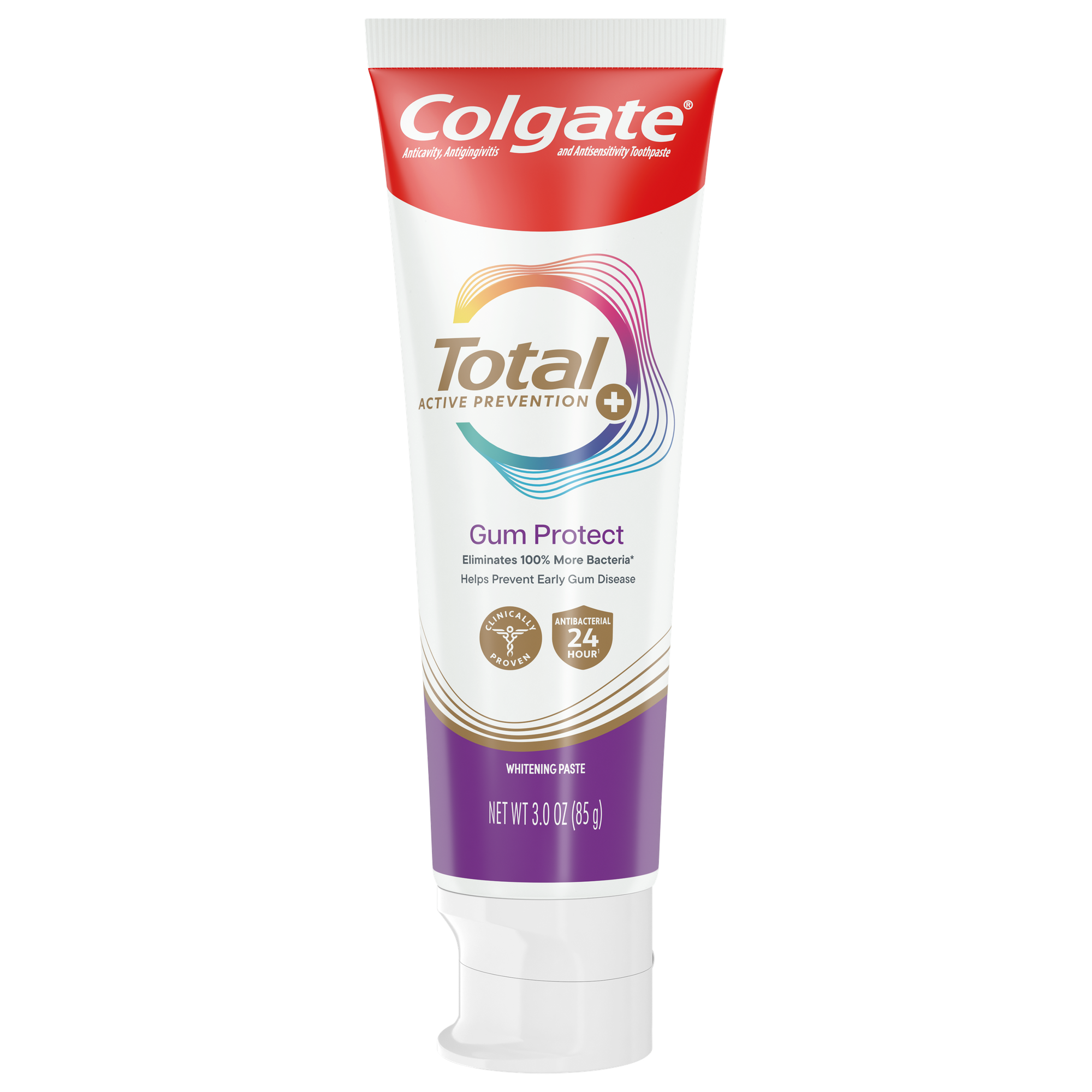
Use the best anti-gingivitis toothpaste to reverse bleeding gums and kill bacteria.
Floss daily to remove plaque and debris from the gumline and the tight spaces between the teeth where brushing cannot reach.
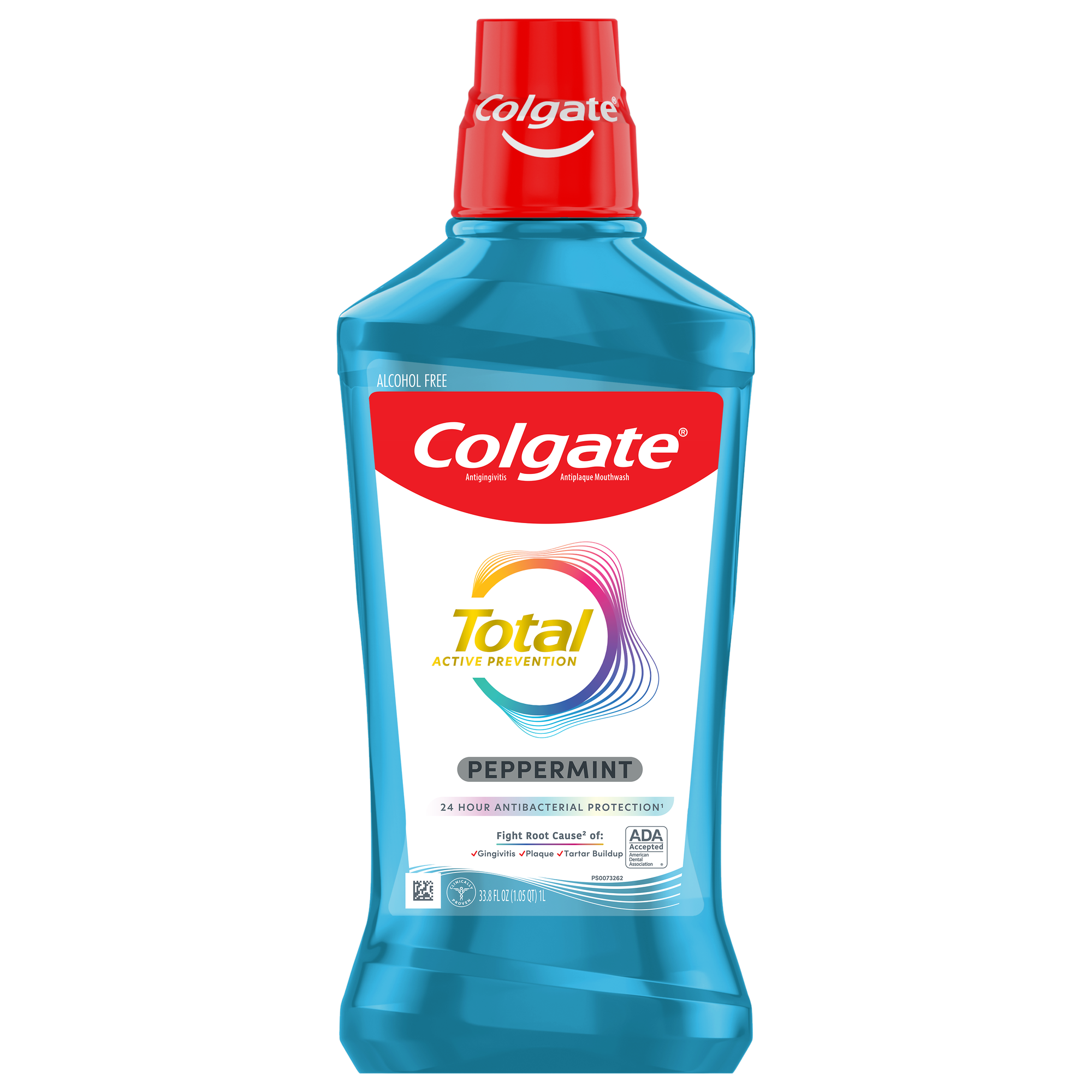
Use an antimicrobial mouthwash to reduce the overall bacterial load
Knowing when it is too late to reverse gum disease helps you set realistic expectations for your treatment. When gingivitis has progressed to periodontitis, gum disease can no longer be reversed. This means the gum has pulled away from the tooth to create gum pockets, and there is bone and ligament loss, which will be visible on an X-ray.
While you cannot "reverse" bone loss naturally, you may be able to stop the infection from progressing any further and causing tooth loss. At this stage, you may need gum regeneration or other surgical options to restore or replace the lost tissues.
No, you cannot reverse periodontitis at home because the lost gum tissue, ligament and bone cannot be regenerated. You can stop periodontitis and prevent it from causing further destruction, but you cannot do this at home. That’s because the bacteria are trapped deep within the gum pockets where your brush and floss cannot reach.
The reality is that deep-seated infections require professional scaling and root planing. Attempting to treat advanced gum disease without professional help allows the bacteria to continue damaging the bone silently. Your role at home is to support the professional treatment by preventing new plaque from forming.

Using the right tools is essential for a successful recovery. The best anti-gingivitis toothpaste to reverse bleeding gums often contains stannous fluoride or other antimicrobial agents that provide 24-hour protection against plaque.
These formulas are designed to not only halt bleeding gums during brushing but also fortify tooth enamel. This dual action helps prevent the development of further sensitivity and decay as the gums recover.
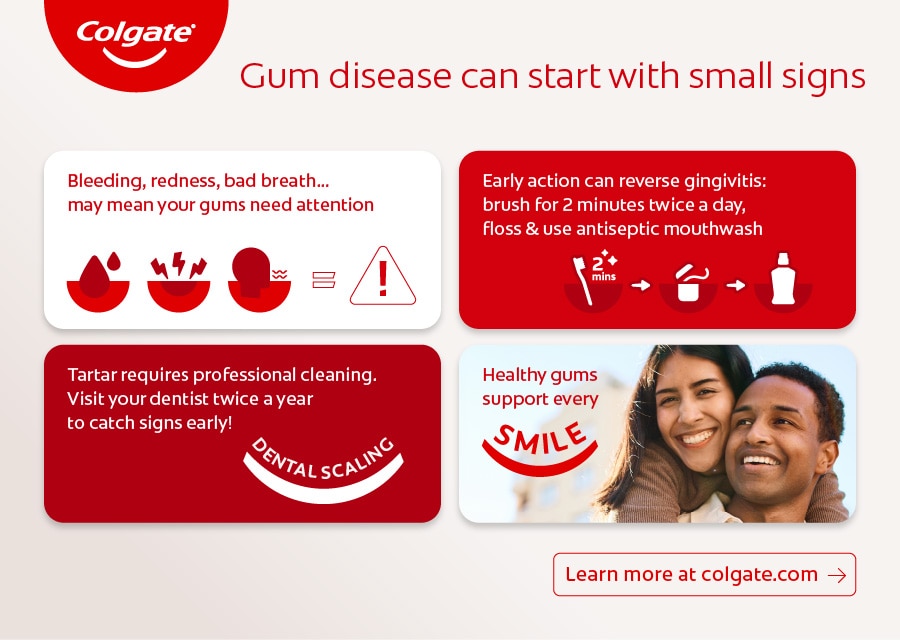
With a diligent oral hygiene routine and professional cleaning, you can usually reverse the symptoms of gingivitis in 10 to 14 days.
If you only had gingivitis, the swelling will go down and the gums will regain their healthy shape. However, if you have developed periodontitis and the gum tissue has already receded, it will not grow back naturally.
Salt water rinses may provide some temporary relief for mildly irritated gums. However, they are not a substitute for brushing, flossing, and professional cleanings in the long-term fight against gum disease.
This article is intended to promote understanding of and knowledge about general oral health topics. It is not intended to be a substitute for professional advice, diagnosis or treatment. Always seek the advice of your dentist or other qualified healthcare provider with any questions you may have regarding a medical condition or treatment.
ORAL HEALTH QUIZ
Take our Oral Health assessment to get the most from your oral care routine
ORAL HEALTH QUIZ
Take our Oral Health assessment to get the most from your oral care routine