Teeth Whitening for Seniors: The Best Safe and Sensitive Options
min read


If you have noticed your smile losing its luster, you are not alone. There are several age-related factors that contribute to a yellowing or darkened smile:
Enamel Thinning: As we age, our tooth enamel naturally thins out, which exposes the yellowish layer of the tooth underneath, known as dentin.
Decades of Stains: Over time, staining accumulates from smoking, as well as consuming berries and beverages like coffee, tea, and red wine.
Medications: Certain medications, such as iron supplements and chlorhexidine mouth rinses, can contribute to tooth discoloration.
Dry Mouth: A common side effect of many medications is dry mouth, which accelerates staining by promoting the growth of plaque and tartar, making teeth appear more yellow.
Before you purchase any whitening products, your first step should always be to consult with your dentist. They will examine your teeth and gums to determine if whitening is a safe and viable option for you.
Important Note on Restorations: It is crucial to know that veneers, crowns, and tooth-colored restorations will not change color during a whitening treatment. If you have restored front teeth and want a brighter overall smile, you should ask your dentist about replacing those older restorations to match your new, lighter shade after you have whitened your natural teeth first.
Seniors have excellent choices when it comes to both professional and at-home whitening treatments.
Professional Whitening (Highly Recommended) Professional whitening is often recommended for older adults because a dentist can assess the thickness of your enamel, protect sensitive areas, and adjust the concentration of the whitening agent to minimize your discomfort.
In-Office Treatments: These typically take 45 to 90 minutes and provide immediate, noticeable results.
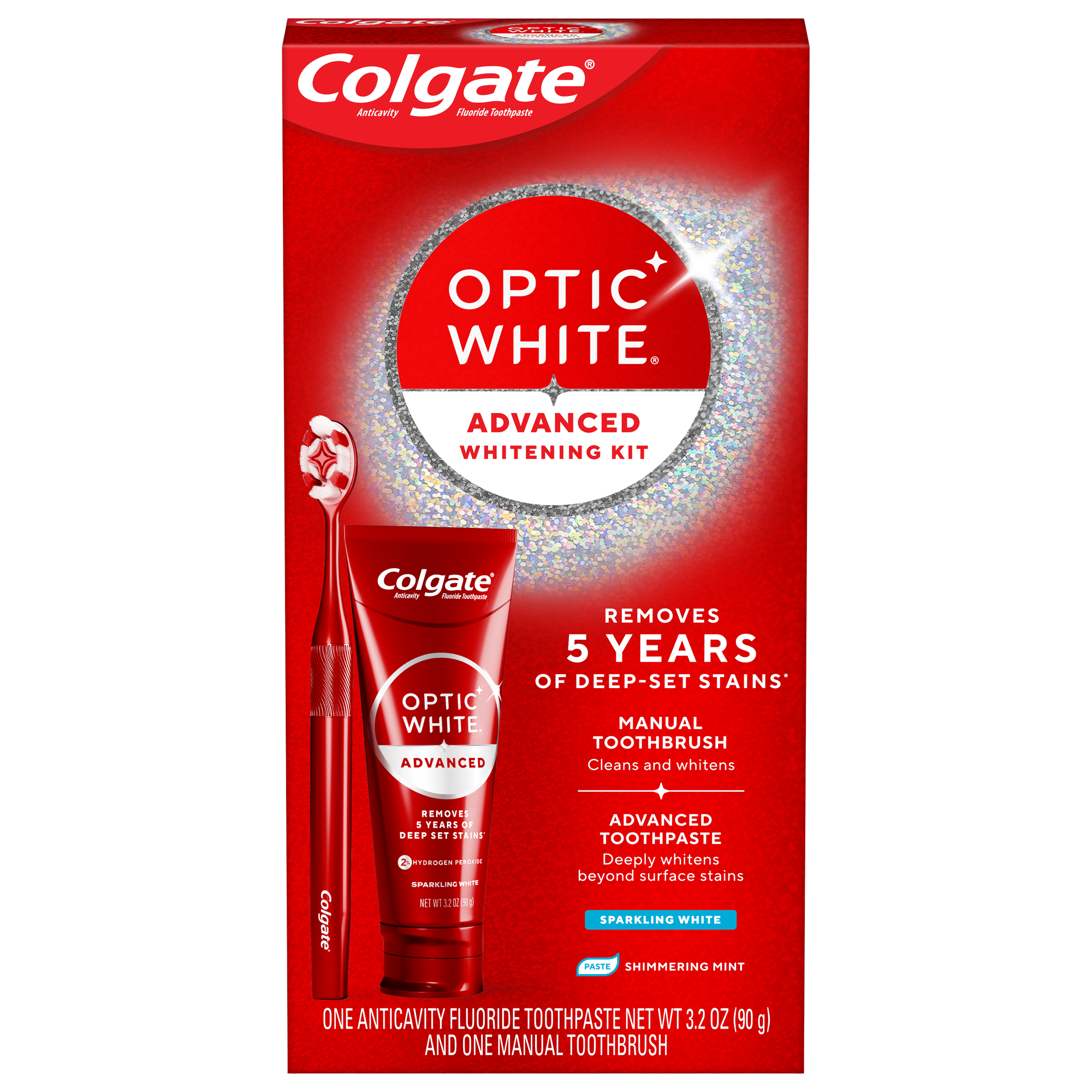
Professional Take-Home Kits: Dentists can take impressions of your teeth to create custom-fitted trays, or they may dispense an all-in-one system (such as the Colgate Optic White Professional take-home kit). These are worn daily with a professional level whitening solution, allowing for gradual whitening until you reach your desired shade, and the devices or trays can be kept for future at-home maintenance.
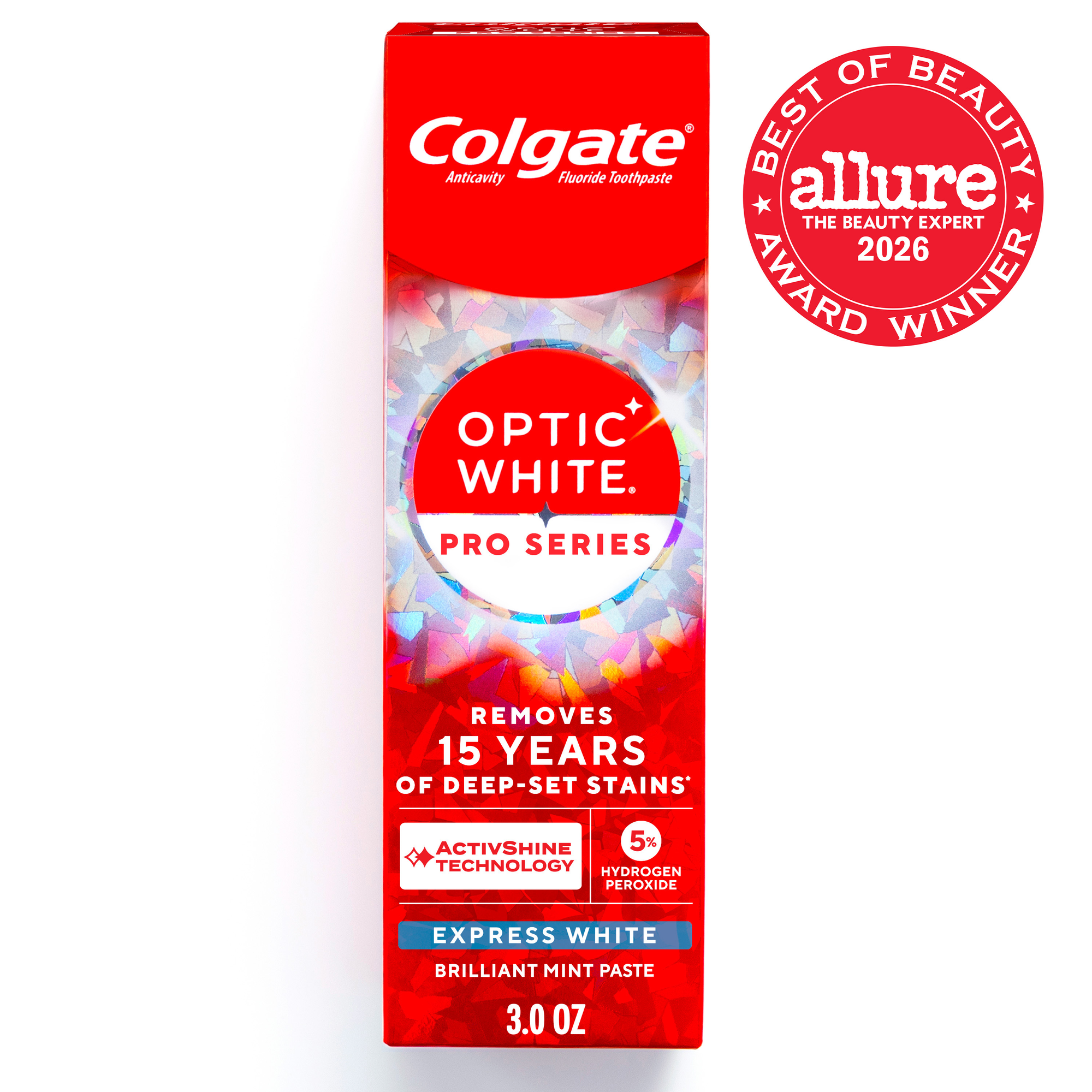
Whitening Toothpastes: This is an easy and affordable way to remove stains. While some use gentle abrasives, others, like Colgate Optic White Pro Series Toothpaste, use lower concentrations of the same peroxides found in professional treatments to bleach the teeth. Look for formulas that also contain fluoride and/or potassium nitrate to help reduce sensitivity and prevent cavities.
Whitening Strips: Placed directly on the front surfaces of the teeth, these come in varying strengths. However, you must use caution to avoid letting the strips touch your gum tissue to prevent irritation.
All teeth whitening products must be used exactly according to their directions. Still, patients should be particularly aware of these potential side effects:
Tooth Sensitivity: This is a common risk, and thinning enamel makes your teeth more susceptible to discomfort. Use extreme caution and never place whitening agents on exposed root surfaces where your gums have receded, as there is no enamel there to protect the root. Sensitivity may be managed at the dentist's office with desensitizing agents, or at home with fluoride and sensitivity-protection toothpastes.
Gum Irritation: Whitening gels and strips can burn the gum tissue. If you feel a burning sensation, remove the product immediately and carefully rinse the area. The affected gums may turn white for a day or two but should heal quickly.
Enamel Damage: Do not overuse whitening agents, especially high-concentration products, as this can erode your enamel over time.
Excessive Whitening: Monitor your progress carefully. Over-whitening can give your teeth an artificial, bluish-white appearance rather than a natural glow, and more importantly, you may damage your teeth. As the saying goes, you don’t want your teeth to arrive in the room before you do!
Results from whitening treatments are not permanent, but you can easily extend them. To maintain your new shade, use whitening toothpastes for your daily routine, avoid foods and beverages known to cause stains, and schedule periodic touch-ups with your strips or custom trays every few months.
By partnering with your dental professional and selecting the right treatment for your unique needs, you can safely achieve optimal results, minimize sensitivity, and enjoy a healthy, vibrant smile for years to come.
ORAL HEALTH QUIZ
Take our Oral Health assessment to get the most from your oral care routine
ORAL HEALTH QUIZ
Take our Oral Health assessment to get the most from your oral care routine
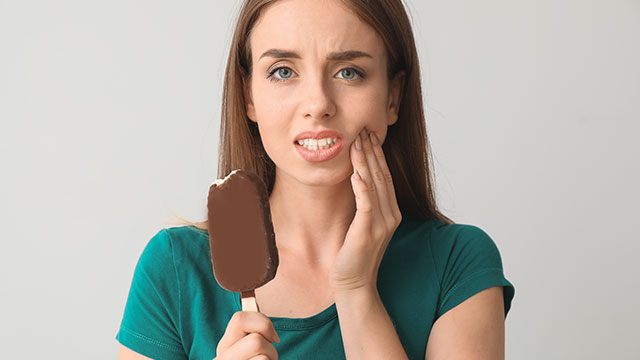
Approximately 40 million adults in the United States experience tooth sensitivity. So what causes sensitive teeth? Any number of dental problems. Find your answers here.
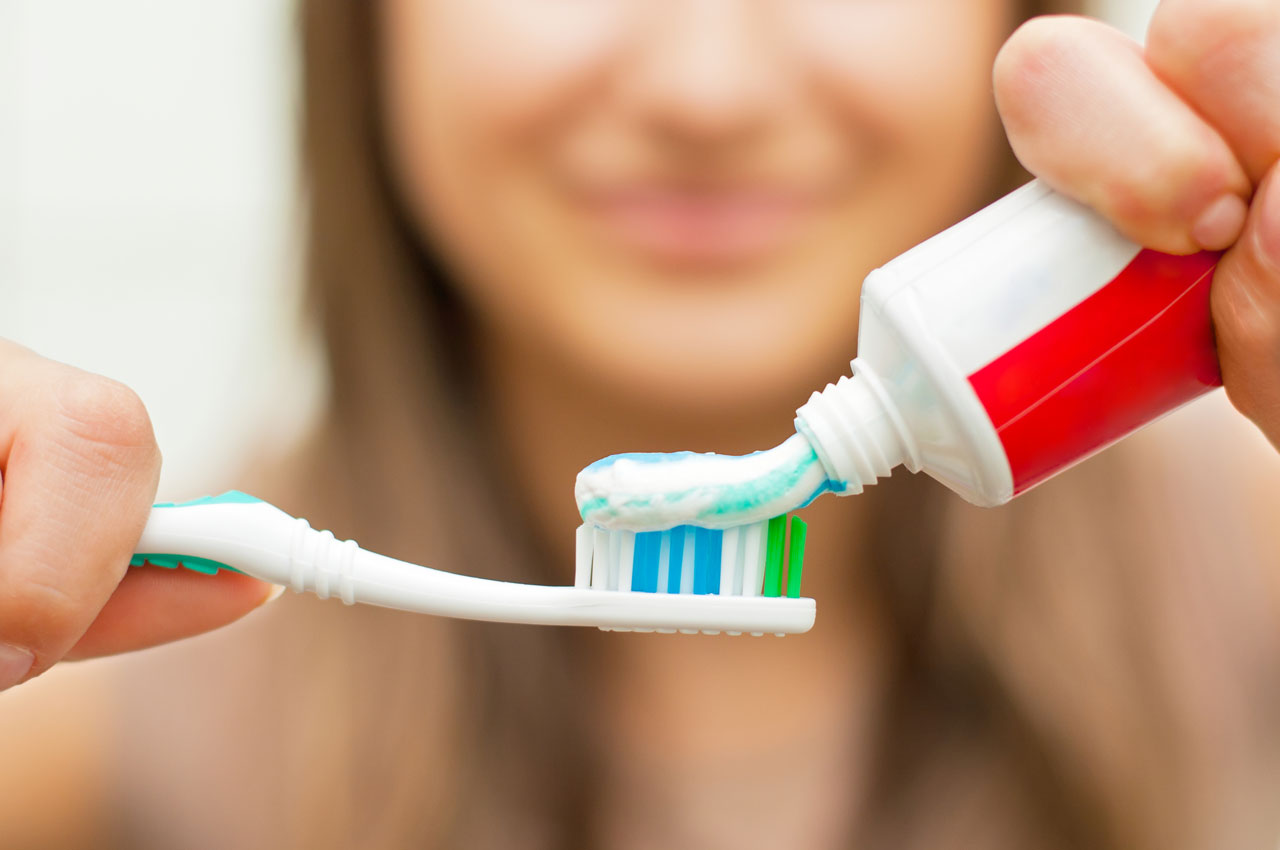
Suffering from sensitive teeth & looking for a toothpaste alternative? Learn about whether mint-free toothpaste is right for you.

Explore effective treatments for tooth sensitivity on Colgate. From fluoride applications to desensitizing toothpaste, find relief for sensitive teeth.

Although desensitizing toothpastes can help ease the pain, you might wonder how to help sensitive teeth naturally and skip the pain next time.