Preventing Decay on Tooth Roots
By Ann Eshenaur Spolarich, RDH, PhD, FSCDH
min read

Preventing Decay on Tooth Roots
By Ann Eshenaur Spolarich, RDH, PhD, FSCDH
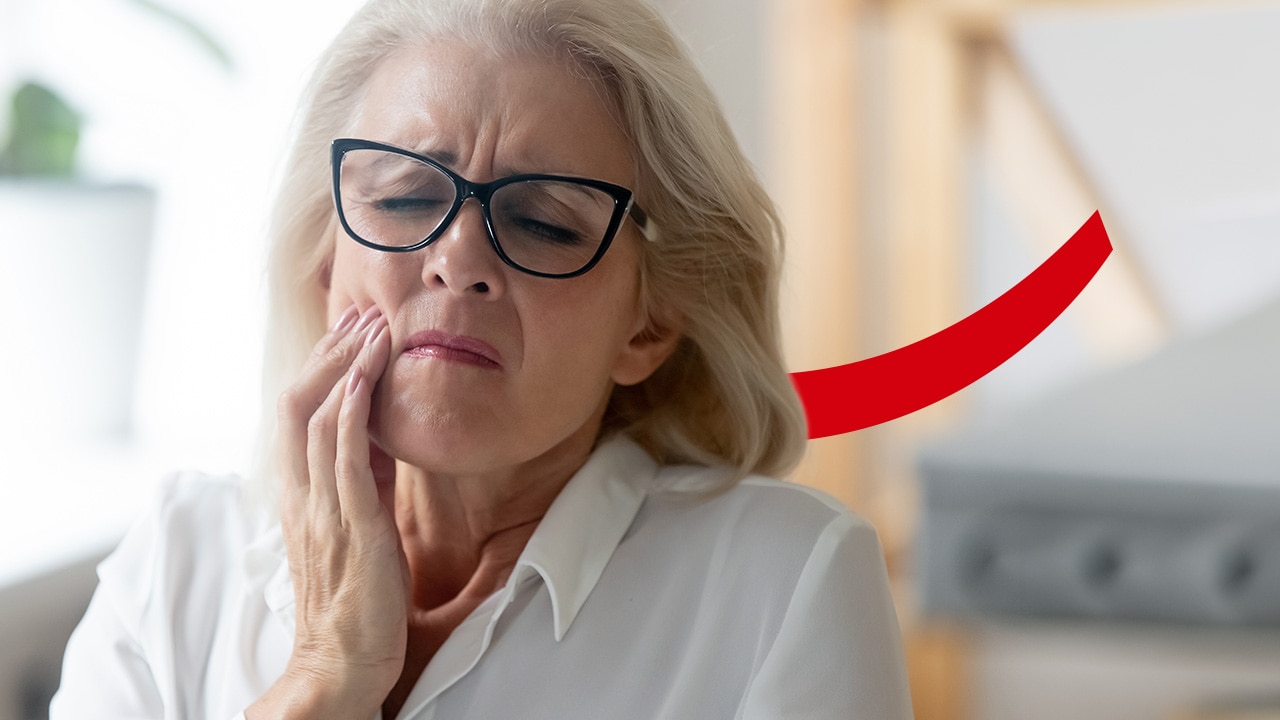
More adults today are keeping their natural teeth longer, often for life.¹ That is a meaningful shift. It also introduces new challenges that deserve attention and the right kind of support.
Nearly half of adults in the United States have some form of gum disease, and one of the most common signs is a receding gumline that exposes the roots of the teeth.² Everyday habits, including brushing too hard, can contribute to this over time.
For many older adults, exposed roots increase the risk of root caries, or decay on the root surface. In fact, more than half of adults over age 65 have experienced this condition.³
Root caries develop when bacteria in plaque feed on sugars from foods and drinks, producing acid that weakens the tooth. Unlike the enamel on the crown of the tooth, root surfaces are covered by a softer material called cementum. This makes them more vulnerable and allows decay to progress more quickly.
Root decay is not just a dental issue. It can affect how you eat, your comfort, and your overall quality of life.⁴ When left untreated, it can lead to infection, pain, and tooth loss.
Certain life factors can increase risk, including:
Many adults navigating aging and active prevention are managing more than just oral health. These realities matter.
Medications commonly used for chronic conditions can reduce saliva flow. Some chronic diseases, hormonal changes and medical treatments can also cause dry mouth. Saliva plays a key role in protecting teeth. When it is reduced, the mouth becomes more acidic and more prone to decay.
Conditions such as arthritis, Parkinson’s disease, stroke, or cognitive decline can make daily oral care more difficult. Even simple routines like brushing and flossing may require adaptation.
These are not minor inconveniences. They are real barriers. Addressing them with the right tools and support can make a meaningful difference.
The goal is not perfection. It is consistency, support, and using the right tools for your needs.
If traditional brushing is difficult, ask your dental professional about:
These are not upgrades. For many people, they are essential tools for maintaining independence and health.
Fluoride remains one of the most effective ways to protect against root decay.
Another option is silver diamine fluoride (SDF), which can stop active decay.⁸ ⁹ It may darken the treated area, so it is important to discuss whether it aligns with your preferences and goals.
Consistent use is key. These interventions work best when they become part of your daily routine.
Aging well is not about reacting to problems. It is about staying informed, supported, and proactive.
If you are experiencing dry mouth, sensitivity, or changes in your ability to care for your teeth, you are not alone. These are common and manageable with the right guidance.
Talk with your dentist or dental hygienist. Ask questions. Share what is working and what is not. As a community focused on active prevention, the goal is simple:
Stay informed. Stay consistent. Stay connected to care that supports your life today and your health long term.
Oral Care Center articles are reviewed by an oral health medical professional. This information is for educational purposes only. This content is not intended to be a substitute for professional medical advice, diagnosis or treatment. Always seek the advice of your dentist, physician or other qualified healthcare provider.
ORAL HEALTH QUIZ
Take our Oral Health assessment to get the most from your oral care routine
ORAL HEALTH QUIZ
Take our Oral Health assessment to get the most from your oral care routine
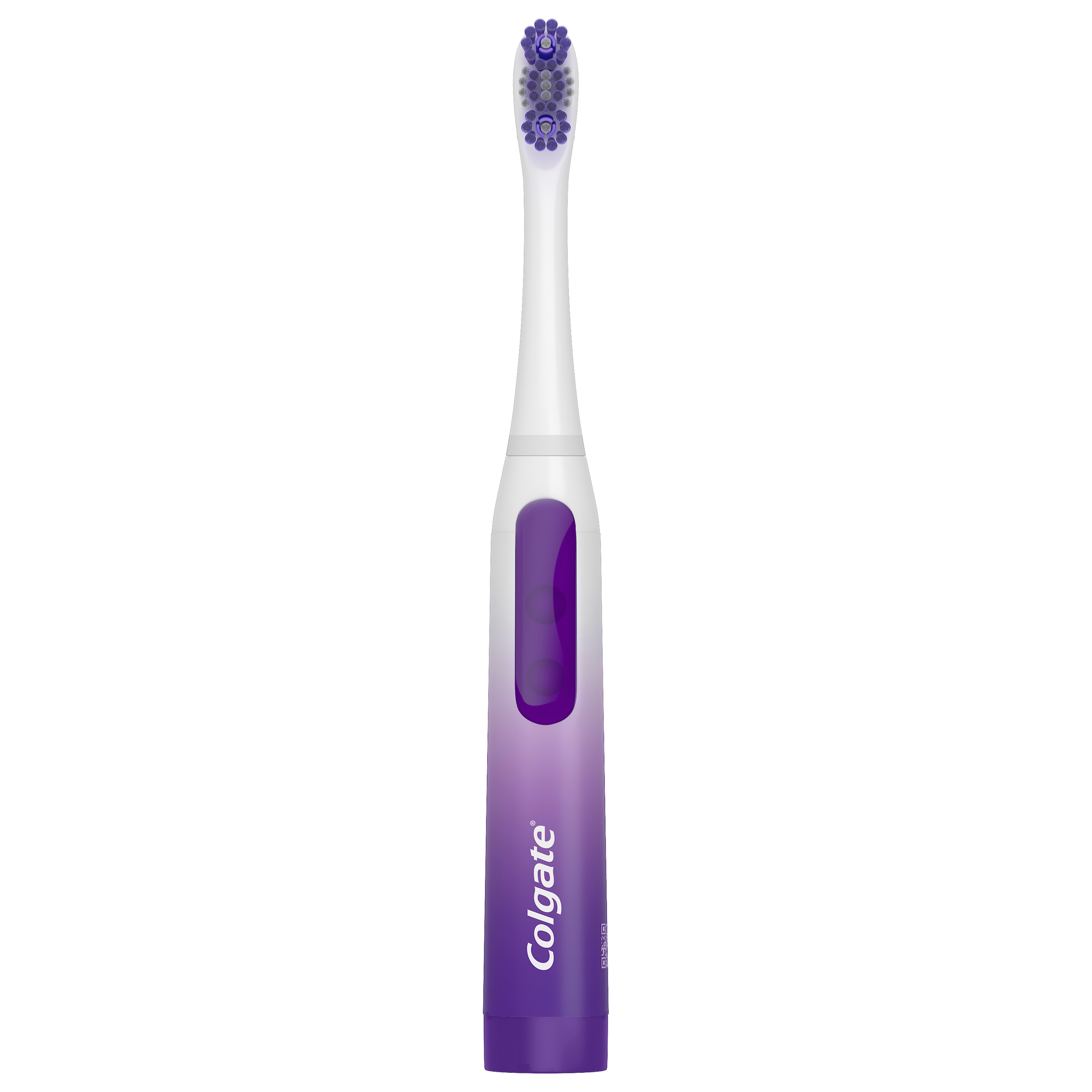
The Colgate® 360 Gum Health sonic powered toothbrush with extra soft bristles gently cleans teeth and massages gums. Try it today!
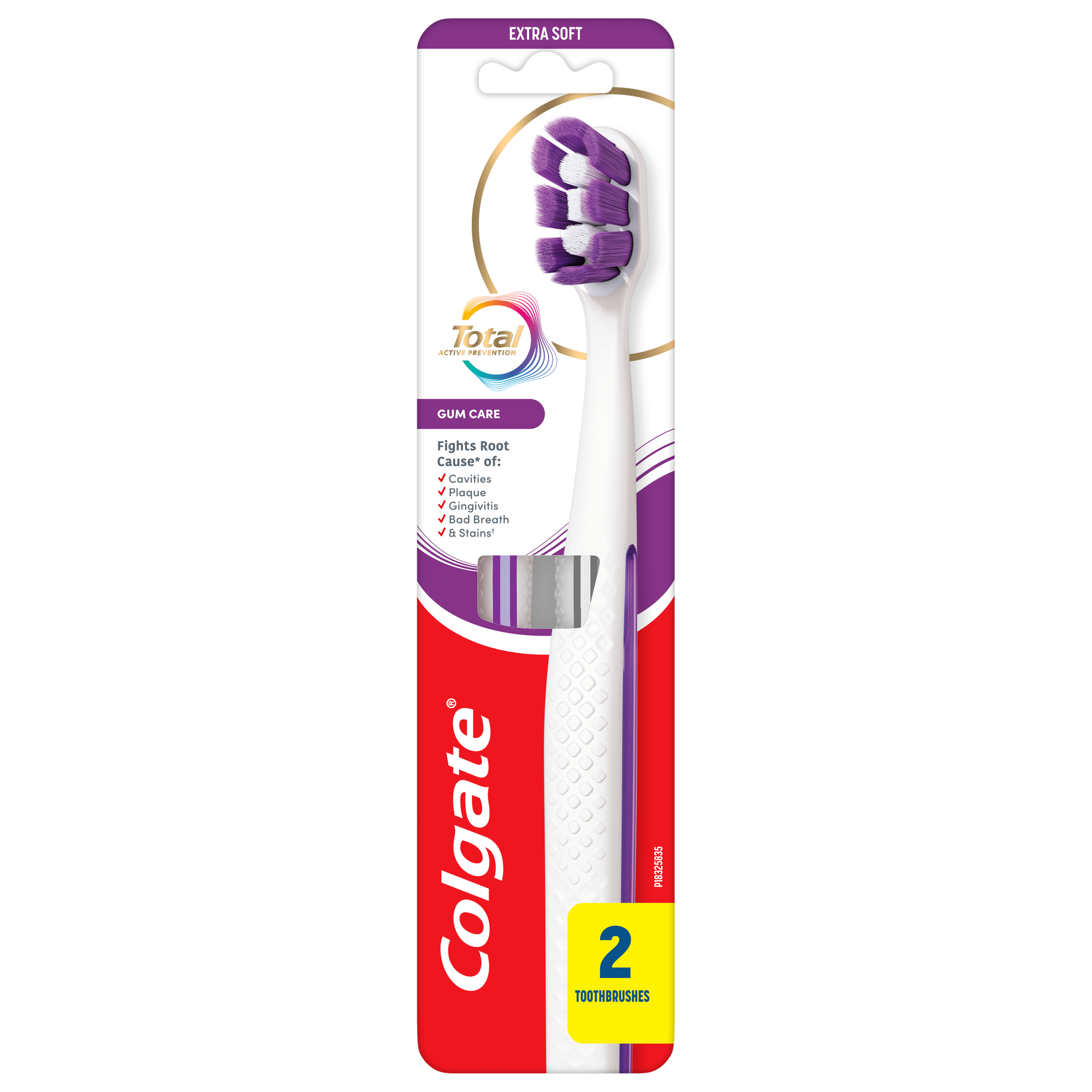
The Colgate® Total® Active Prevention Gum Care Extra Soft Toothbrush is designed for a gentle clean and helps support healthy gums.
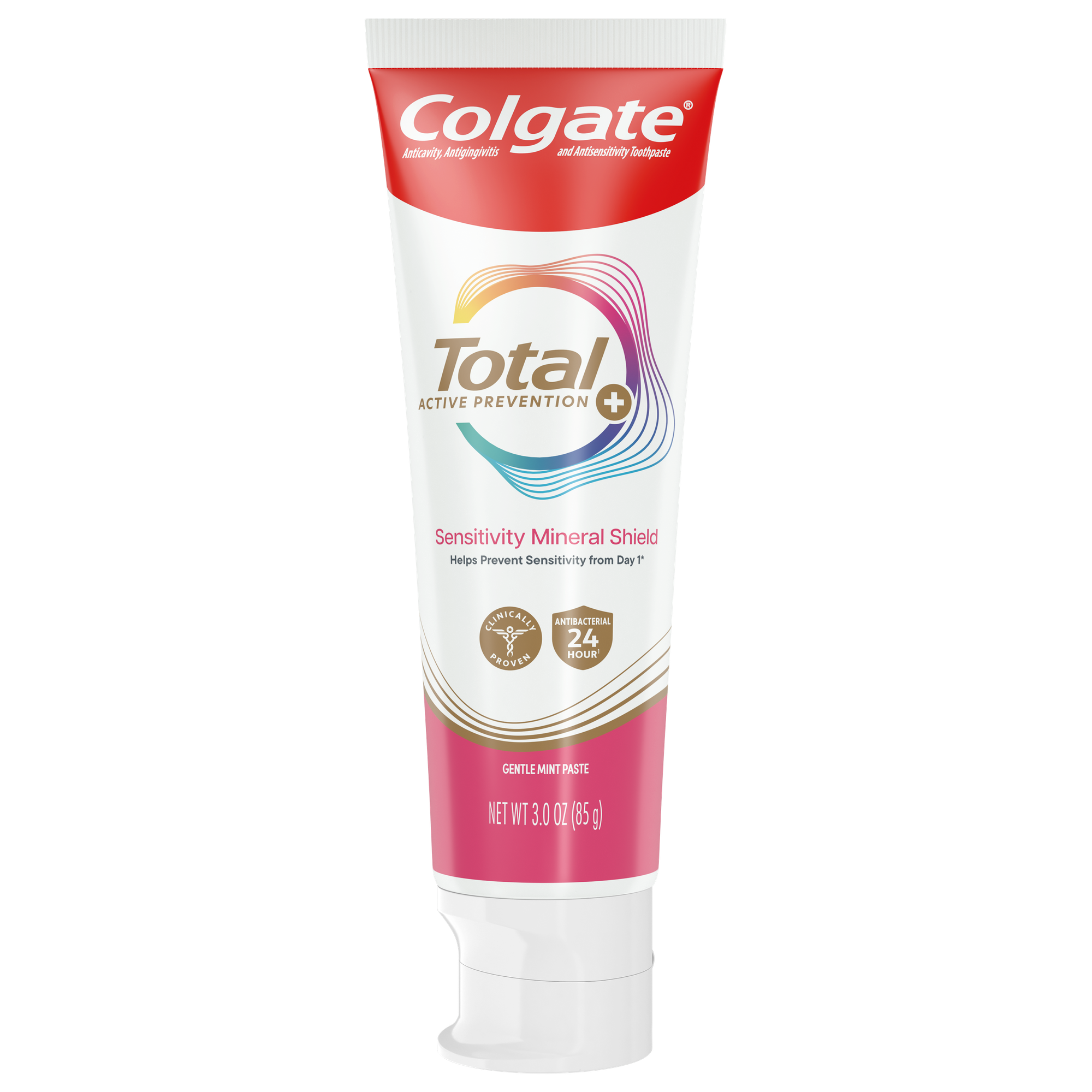
Help prevent sensitivity from day 1* with Colgate Total Active Prevention Sensitivity Mineral Shield Mint Toothpaste.
*with twice daily use
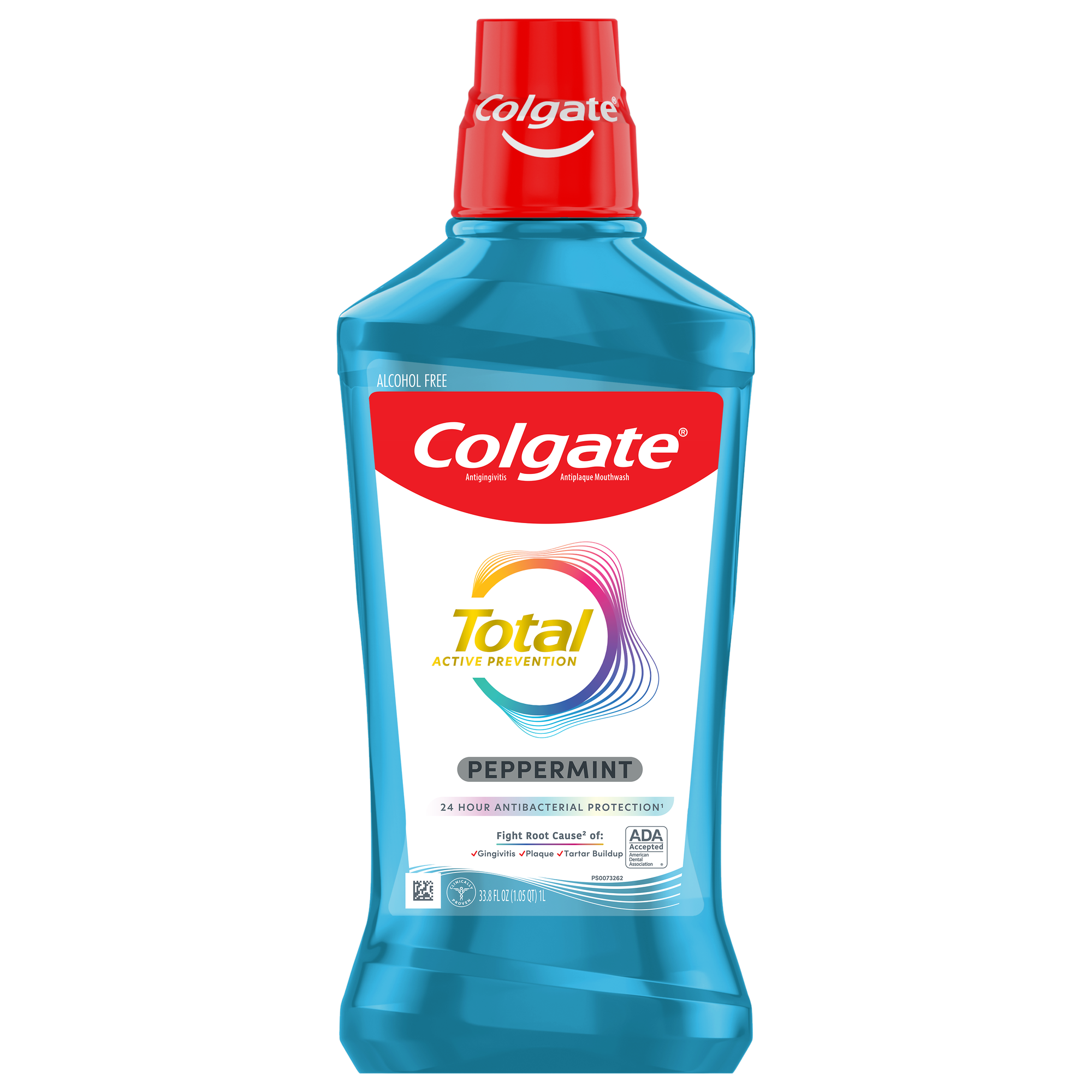
Colgate Total Alcohol Free* Peppermint Mouthwash delivers 24-hour protection** against bacteria.

