Bad Breath From Stomach Problems? What It Means And How To Fix It
August 30, 2024.
3
min read


Your digestive tract can have more to do with your oral health than you think. The first step in dealing with bad breath, or halitosis, that seems to come from the stomach is determining its cause. Here are some common causes of bad breath from stomach issues:
Sensitivities. If you know that you're sensitive to certain foods, your bad breath could be related to stomach acid.
GERD or acid reflux. Bad breath can be a sign of Gastroesophageal Reflux Disease or GERD. This is when stomach acid is able to travel up into the esophagus (food pipe), either because the stomach is producing too much acid, or the protective valve that normally keeps acid inside the stomach is weak. Stomach acid causes irritation, inflammation and heartburn, and it can also have a strong, sour odor. So if you have reflux or heartburn often, this could be what’s affecting your breath.
Chronic gastrointestinal conditions. Some chronic diseases of the gastrointestinal tract, such as Crohn’s or celiac disease, can cause bad breath from the stomach. They can slow or limit digestion, leaving food that can be broken down into strong-smelling sulfur compounds by intestinal bacteria. This can lead to halitosis.
Ulcers. A link has been found between bad breath and H. pylori bacteria. This bacteria is a common cause of peptic ulcers, as well as dyspepsia. However, additional research needs to be performed to determine precisely how H. pylori contribute to bad breath.
Bowel obstruction. One symptom of bowel obstruction is bad breath. This occurs because nothing can move down your intestinal tract. Everything inside the digestive tract ferments and produces a bad odor that escapes through the mouth.
Talk to your doctor about how to cure bad breath coming from the stomach. Make sure to discuss all of your symptoms, not just the bad breath, to develop a treatment plan.
The main treatment for bad breath from the stomach is treating the root cause. In addition to that, you can take some daily steps to help freshen your breath.
Avoid your triggers. Take note of triggers like spicy food, dairy, stress, or other things that seem to make your bad breath worse so you can steer clear of them.
Chew gum. Try chewing sugar-free gum to stimulate saliva production and help banish bad breath.
Keep a healthy mouth. Brush twice a day, clean in between your teeth with interdental brushes, floss, or water flossers daily, and use a mouthwash to ensure you don't have food particles or bacteria contributing to bad breath.
Consider a probiotic. Better breath could start with a healthier gut, so talk to your doctor about taking a probiotic or adding a daily cup of yogurt to your health routine.
It's not always simple to identify the cause of bad breath, and sometimes the problem is more complicated than forgetting to brush. Keep track of solutions you've tried and other symptoms you're experiencing so you can talk with your doctor to find the underlying cause. That way, you can address the issue head-on and work toward fresher breath!
This article is intended to promote understanding of and knowledge about general oral health topics. It is not intended to be a substitute for professional advice, diagnosis or treatment. Always seek the advice of your dentist or other qualified healthcare provider with any questions you may have regarding a medical condition or treatment.
ORAL HEALTH QUIZ
Take our Oral Health assessment to get the most from your oral care routine

Local anesthesia — often referred to as Novocaine, which is a brand name — is achieved by injecting anesthetic agents in targeted areas of the mouth with a needle.

Learn how to combat dry mouth and bad breath with Colgate's expert advice, ensuring fresh breath and optimal oral health.

Beat morning breath with expert tips on prevention and treatment. Discover simple steps for a fresh start every day.

Does your breath tend to get worse during anxiety-inducing situations? Can stress cause bad breath? Learn the tips and tricks that may be able to help you here.
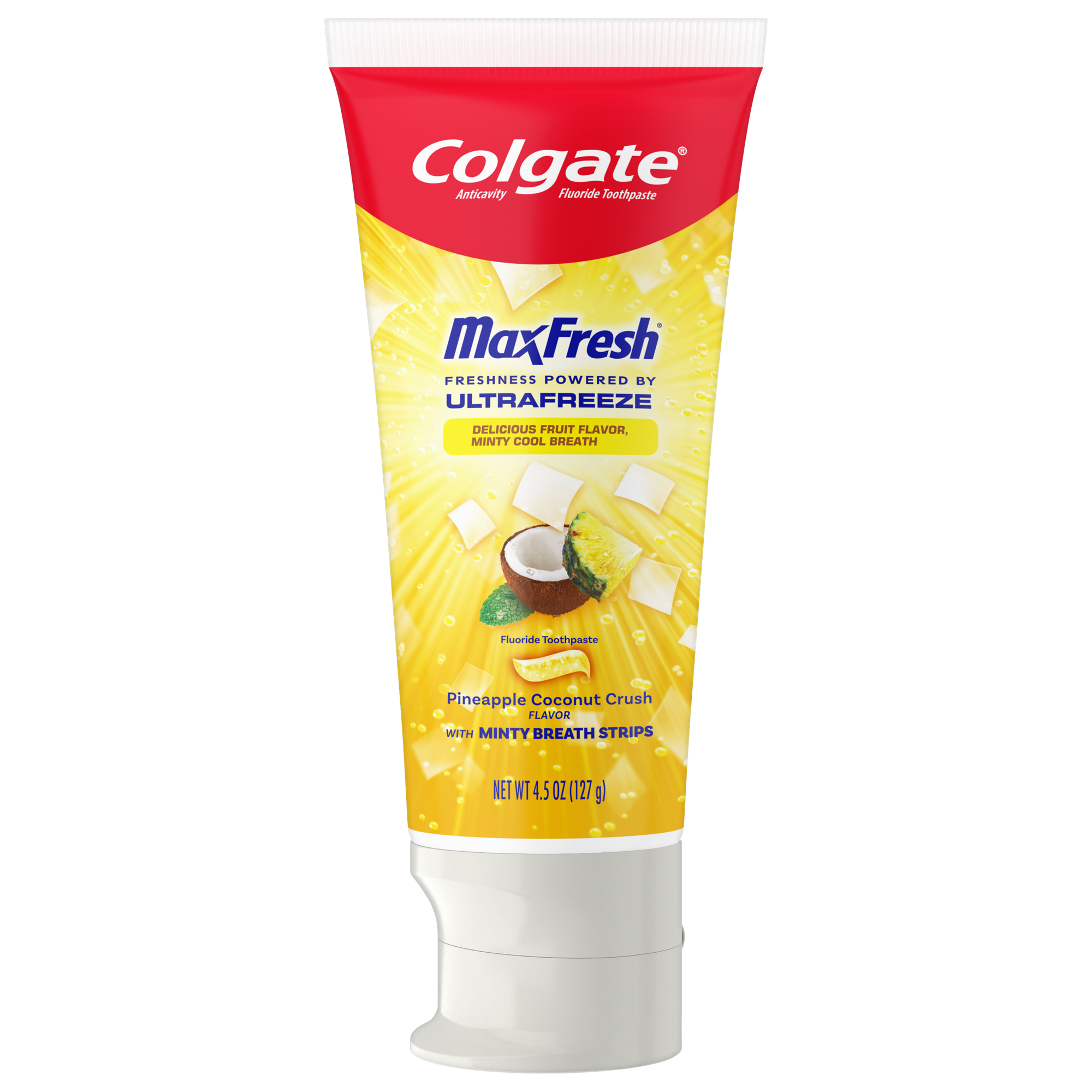
Powered by Ultrafreeze, Colgate Max Fresh Pineapple Coconut Crush Toothpaste offers a refreshingly cool taste that leaves your breath feeling minty fresh. This fruity mint toothpaste, with hundreds of mini breath strips, releases an instant blast of freshness every time you brush.
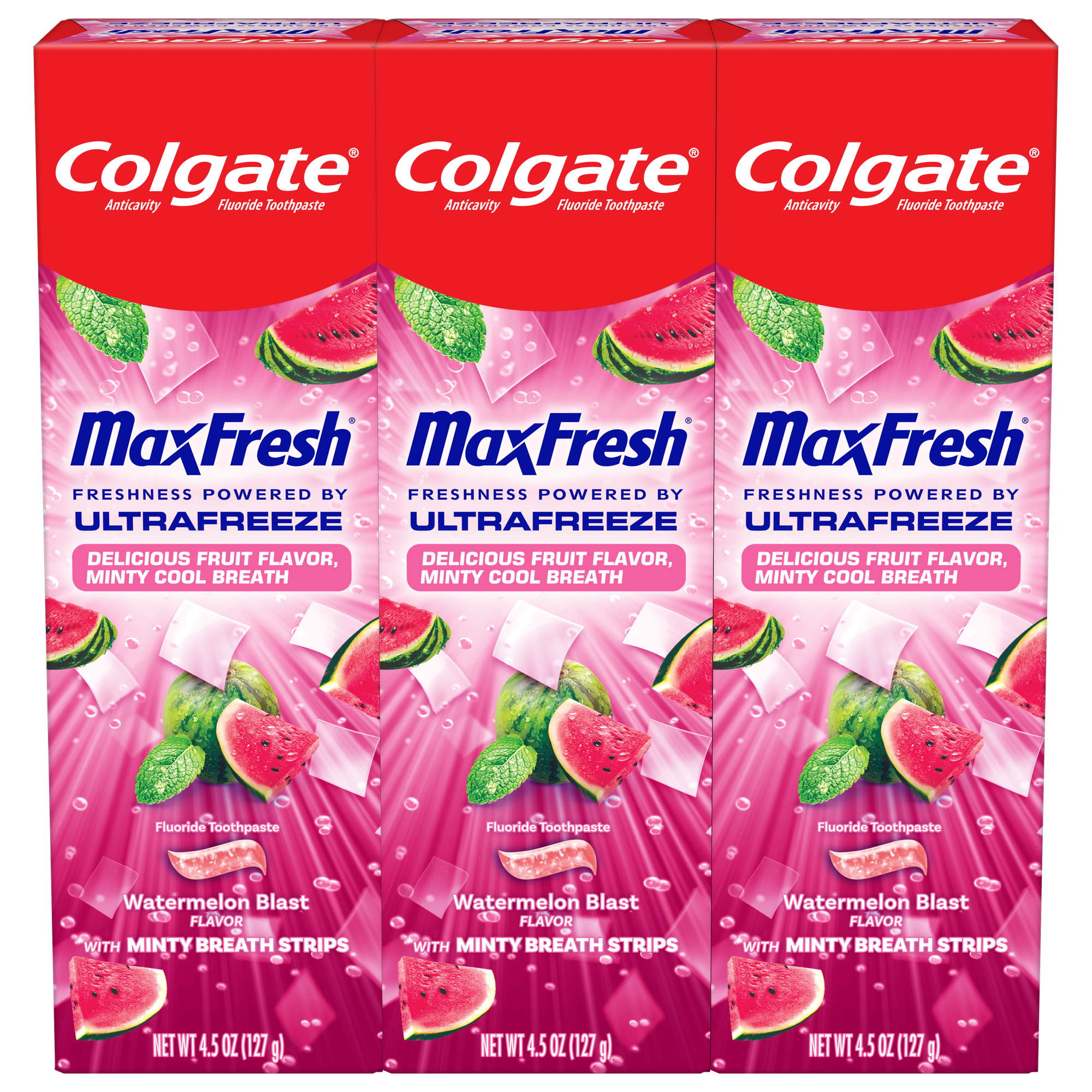
Release an instant blast of fruit-flavored freshness with Colgate Max Fresh Anticavity Fluoride Toothpaste in Watermelon Blast with Mint.
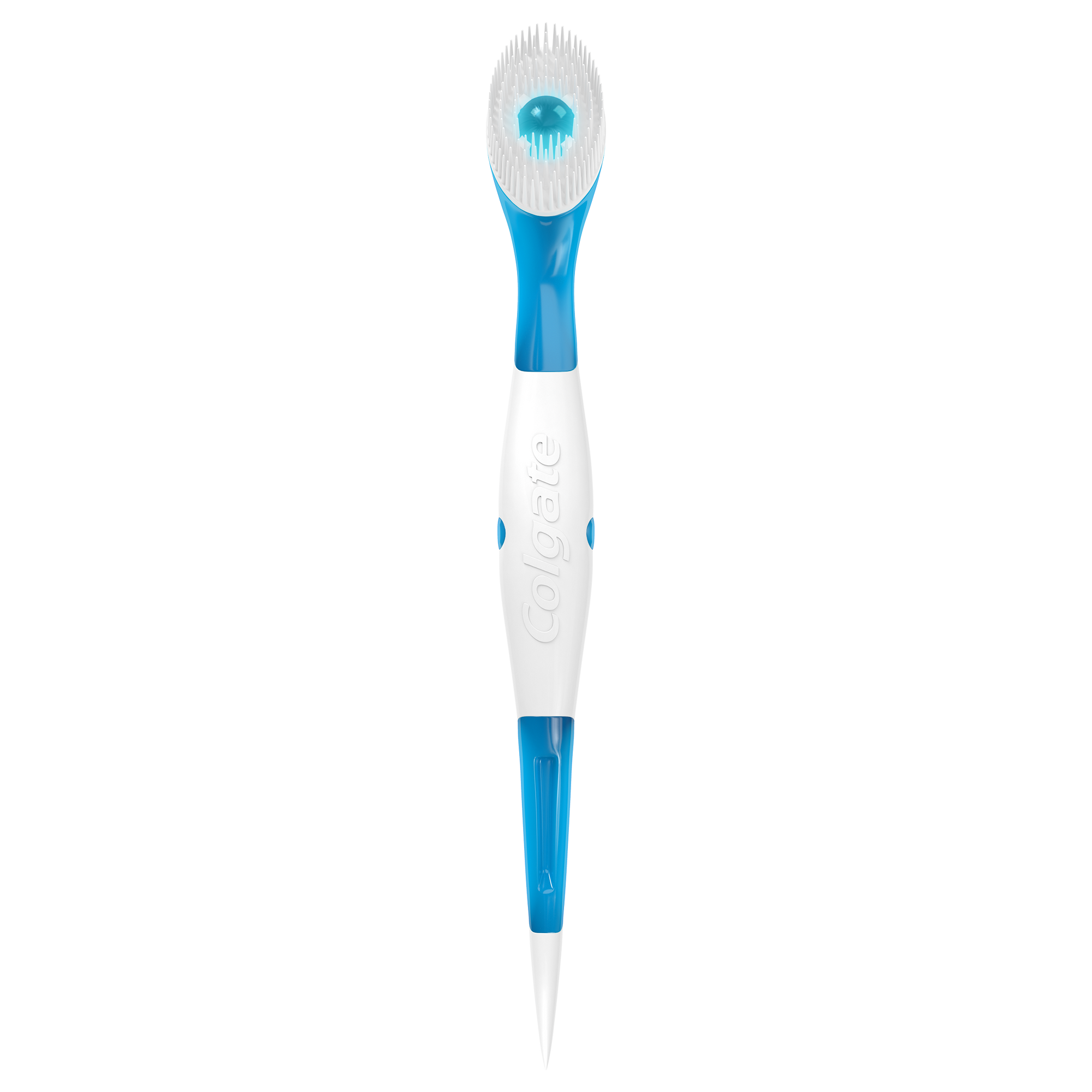
Colgate® Max Fresh Wisp is your go-to brush on-the-go. Its bristles gently remove food and other particles, while the built-in freshening bead releases minty freshness. No water or rinsing is necessary, making it perfect for when you travel, or any time you’re out and about.

Colgate® Max Fresh® Toothpaste with Charcoal fights cavities, whitens teeth, and freshens breath.


About Cookies on This Site

