Is Brushing Teeth After Eating Good For You?
min read


When you eat, plaque (a sticky, white biofilm) forms on your teeth. Plaque contains bacteria. According to the University of Rochester Medical Center, after you eat something that contains sugar, this bacteria produces acids that will attack your tooth enamel for at least twenty minutes after your meal. If you don’t brush and get rid of this plaque buildup regularly, the acid that gets produced will break down your enamel, resulting in cavities.
Plaque that isn’t removed can harden into tartar. When tartar builds up on your gums, it can cause inflammation, and if untreated, gum disease.
Not necessarily! Brushing your teeth after eating can sometimes affect your tooth enamel. In fact, the Mayo Clinic warns that if you’ve consumed foods containing citric acid, like oranges, grapefruits, and lemons, brushing too soon can be bad for your teeth. Why? Because these acidic foods weaken tooth enamel and brushing too quickly can remove the enamel.
To be safe, Mouth Healthy by the American Dental Association suggests that if you feel like you need to brush your teeth after eating or drinking something, wait at least 60 minutes. This gives your saliva a chance to naturally wash away food particles, so your mouth returns to its proper pH level. It's best to stick to drinking water or chew sugarless gum while waiting for this to happen.
Yes, it is! What’s important is that you ensure you brush sometime after your last meal and before you go to bed. If you go to sleep without brushing, you’re allowing plaque to build up, attack the tooth enamel, irritate the gums and harden on and between your teeth and at the gumline. So whether you decide to brush an hour after you eat dinner or brush right before you sleep, it's important to brush effectively at the gumline and on all surfaces of the teeth.
Does this mean you shouldn’t brush your teeth after your meals? Now that you have all the information, it’s up to you. Only one is certain: if you give your teeth and gums two whole minutes of brushing and flossing twice a day, you’ll be able to seize each day, armed with strong teeth and a fresh and healthy mouth!
This article is intended to promote understanding of and knowledge about general oral health topics. It is not intended to be a substitute for professional advice, diagnosis or treatment. Always seek the advice of your dentist or other qualified healthcare provider with any questions you may have regarding a medical condition or treatment.
ORAL HEALTH QUIZ
Take our Oral Health assessment to get the most from your oral care routine
ORAL HEALTH QUIZ
Take our Oral Health assessment to get the most from your oral care routine
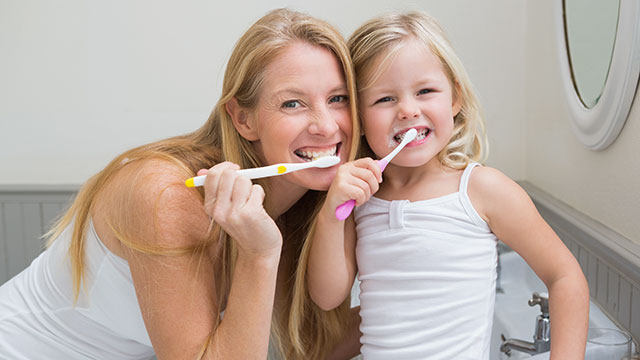
By: Dr. Natalie Carr-Bustillo, DDS, MS
Board Certified Pediatric Dentist

Waxed and unwaxed dental floss are two of the most common types, and they both have their merits. Here's how they differ and how to know which to use.

By: Mandy Dennis
Registered Dental Hygienist

Learn more about microbeads in toothpaste and how the recent ban is good news for your health and the environment. Also learn about alternatives.
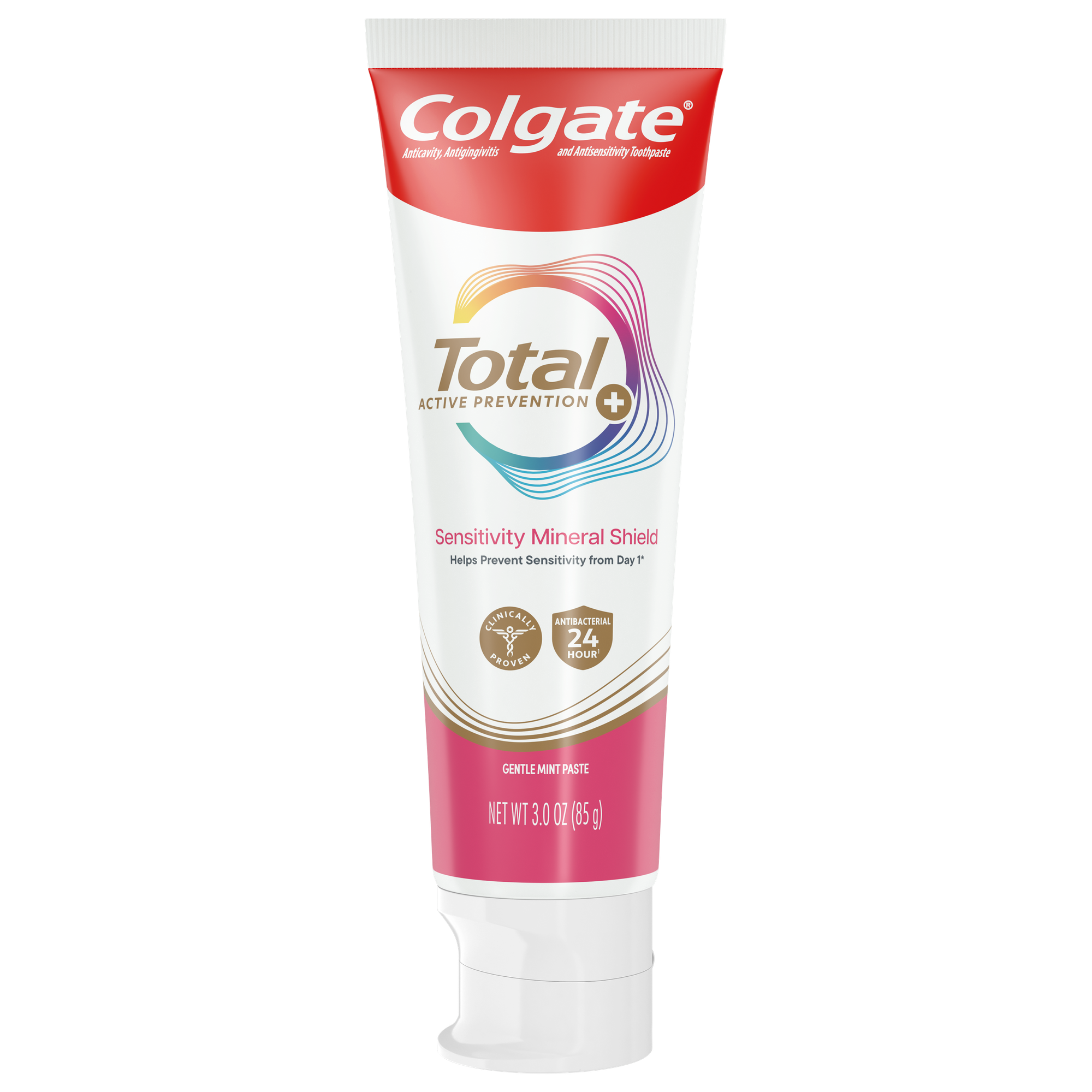
Help prevent sensitivity from day 1* with Colgate Total Active Prevention Sensitivity Mineral Shield Mint Toothpaste.
*with twice daily use
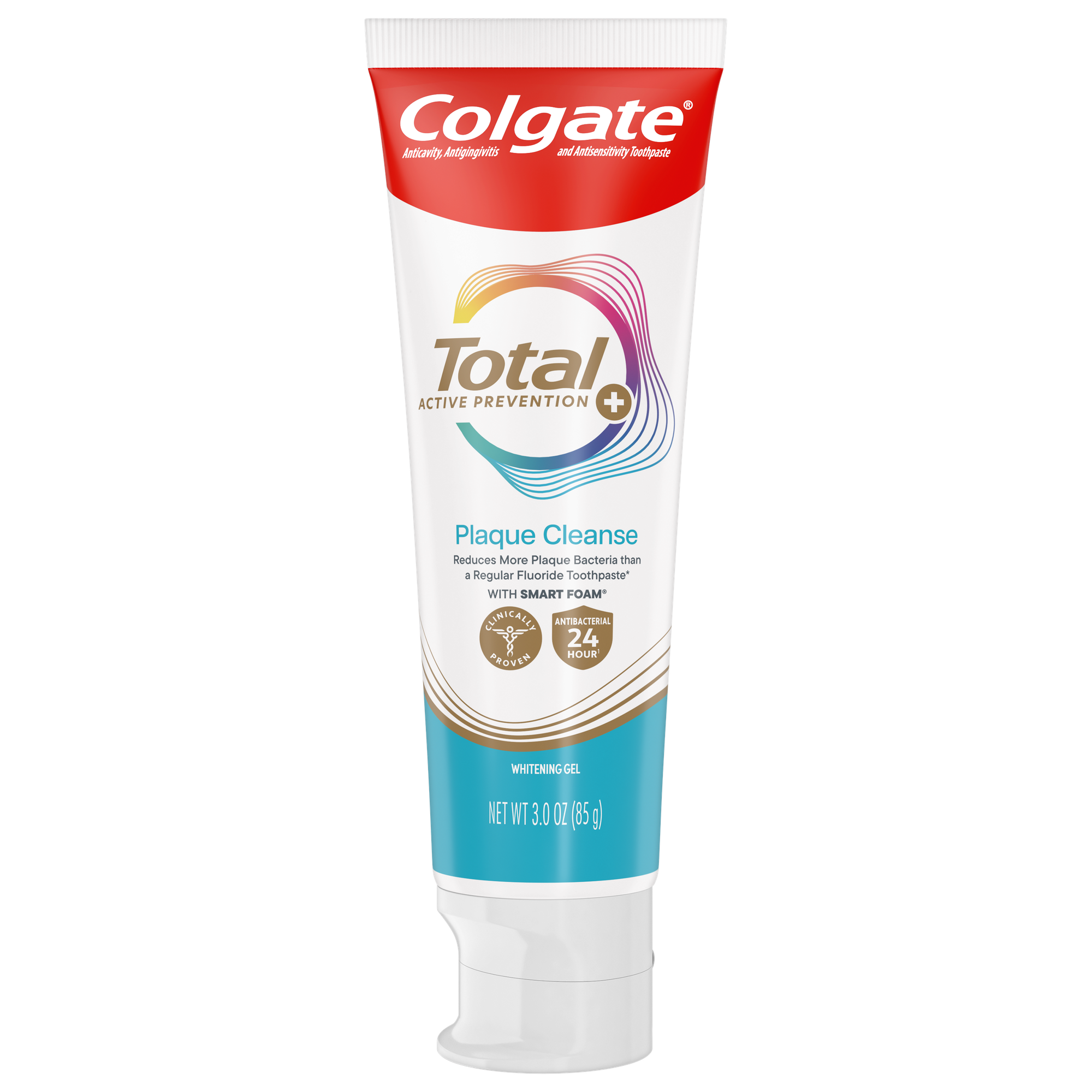
Help promote healthy gums using Colgate Total Active Prevention Plaque Cleanse Whitening Toothpaste Gel. This patented tartar prevention toothpaste fights the root cause* of gingivitis, plaque, tartar, cavities, sensitivity, bad breath, weak enamel, and stains and is 2x more effective*** at fighting bacteria, the root cause of oral health problems like cavities and gingivitis.
*via protection against bacteria and dietary exposures, with daily brushing
***via reduction of bacteria vs. non-antibacterial fluoride toothpaste with 2x daily brushing and 4 weeks use
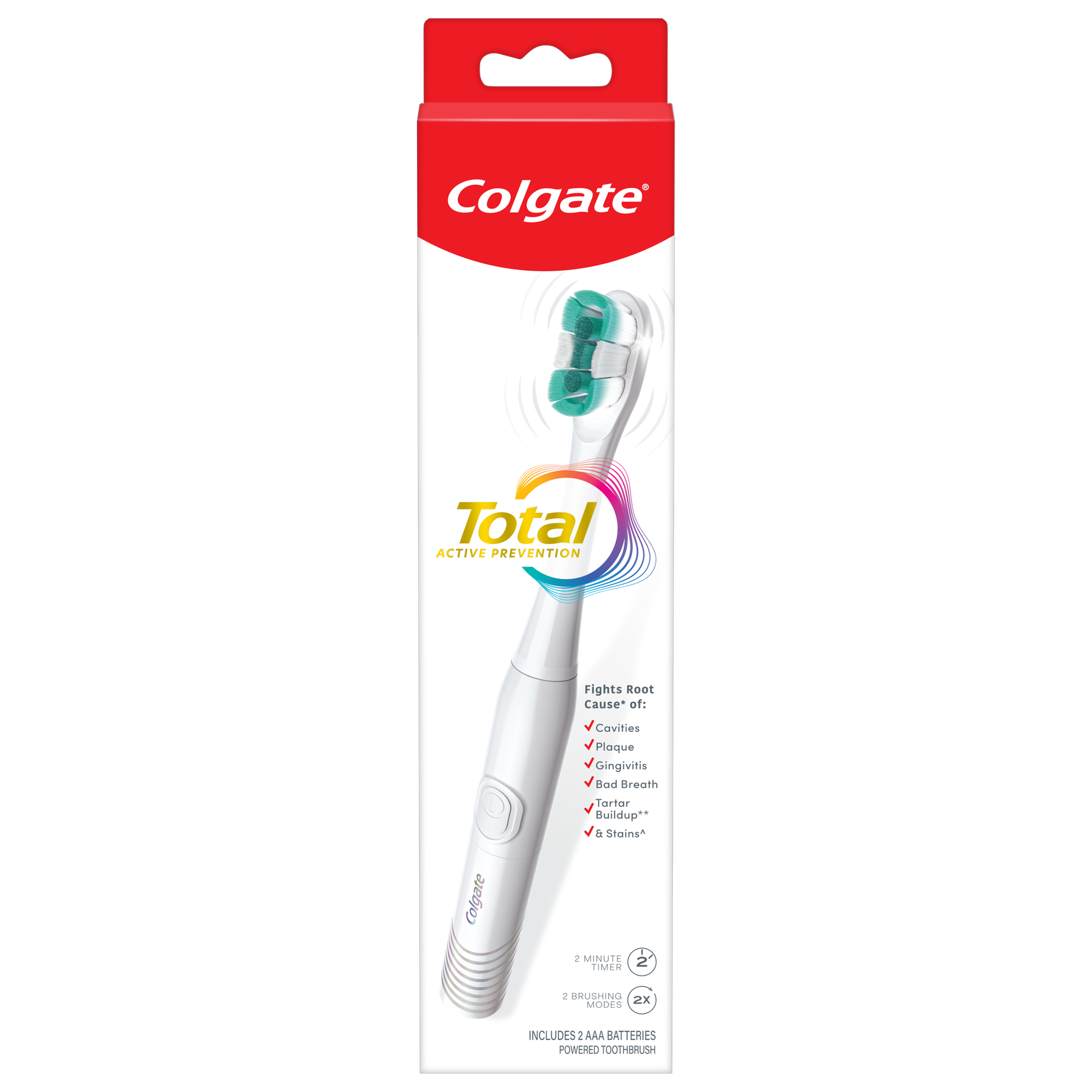
Colgate Total Active Prevention Battery Powered Electric Toothbrush, WhitePower away plaque with Colgate Total Battery Powered Toothbrush.
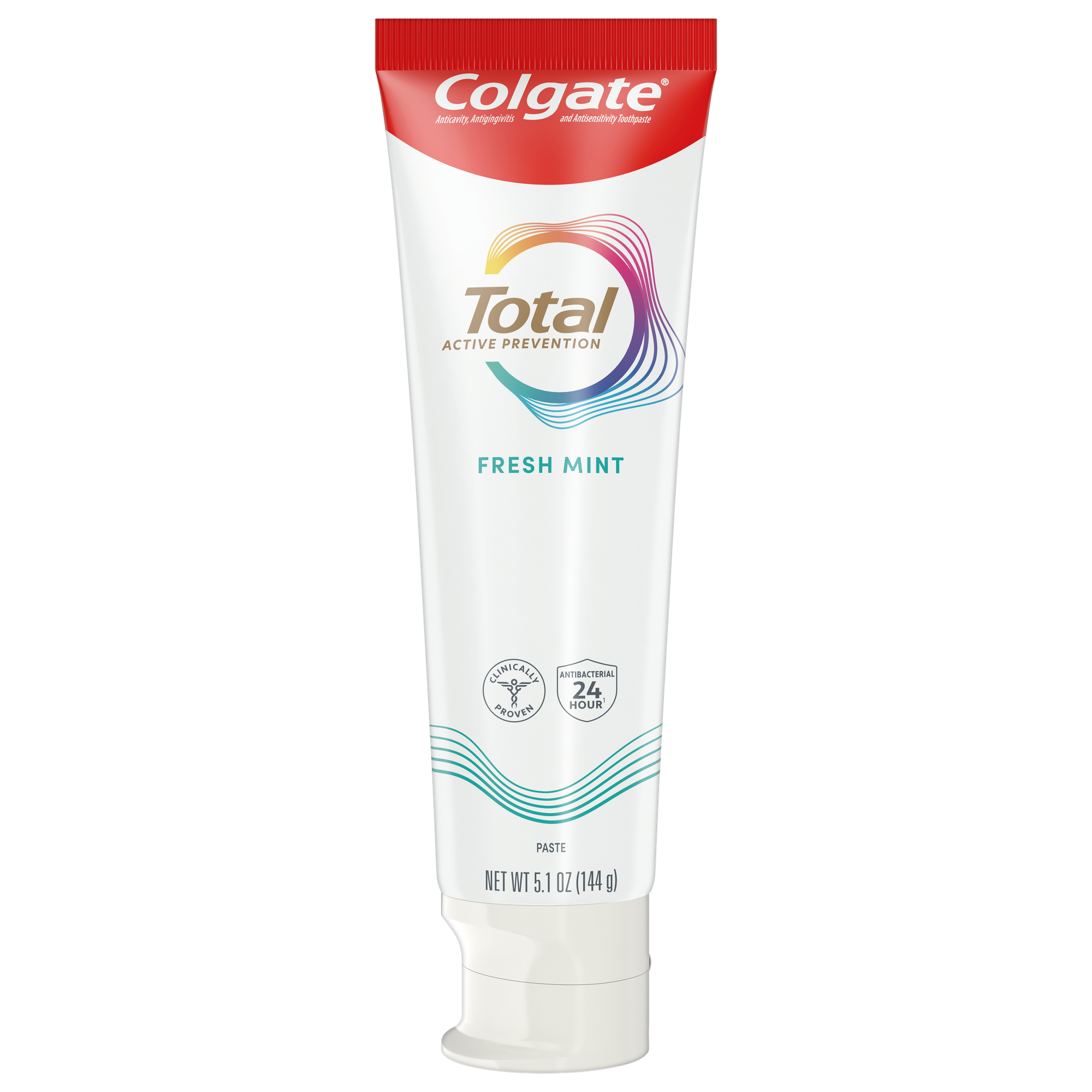
Colgate Total Fresh Mint Toothpaste fights bacteria, the root cause of many oral health issues such as gingivitis, tartar, sensitivity, weak enamel, bad breath, and cavities.

