How Many Teeth Do We Have?
January 9, 2023.
3
min read


Children begin teething around six months of age, meaning that their teeth start coming in around that point. These first teeth are known as baby teeth, primary teeth, or, technically, deciduous teeth. As you know, they eventually fall out and are replaced by adult teeth.
How many teeth do children have? Children have 20 baby teeth. That includes 10 teeth on the top and 10 teeth on the bottom. All 20 of them usually come in before the age of three and act as placeholders for the adult teeth that grow in after the baby teeth fall out. At about age six, most children begin to lose their baby teeth, which are then replaced with adult teeth. This process continues until kids reach their early teen years.
It's important to mention that just because baby teeth fall out doesn't mean that they don't need care like adult teeth. Oral care routines should begin before a baby's first tooth comes in. This can be done by running a clean, damp washcloth over the baby's gums. Once the first tooth comes in, parents can brush the baby's teeth with an infant toothbrush and a tiny bit of toothpaste. Flossing can begin once the baby's teeth touch.
When adult teeth come in, there's more room in the mouth and more teeth. How many teeth do adults have? Most adults have 32 teeth, which is 12 teeth more than children! Among these 32 teeth are 8 incisors, 4 canines, 8 premolars, and 12 molars, including 4 wisdom teeth. It is very common for adults to have their wisdom teeth removed because there is not always enough room for them to grow in comfortably or without causing misalignment of other teeth. Most people have a complete set of adult teeth by the time they reach their teenage years.
Tooth loss is a surprisingly common condition. And periodontal disease (aka gum disease) is the main reason adults lose their teeth. Luckily, prevention is possible. It involves brushing twice a day and flossing daily.
Other reasons for tooth loss include:
Beyond tooth loss, there's also a condition called tooth agenesis, where teeth are missing in the mouth. It can either appear as the absence of all teeth or as 1 to 6 or more teeth missing. This condition is genetic and rare.
There are also circumstances where extra teeth, or supernumerary teeth, appear in the mouth. The most common type of supernumerary tooth is an extra incisor located between two central incisors.
Now you know the deal about how many teeth we have. Typically, children have 20 teeth, and adults have 32 teeth (28 if the wisdom teeth are removed). Remember that each one of them needs your care, even baby teeth. There are some cases where the number of teeth varies, resulting from tooth loss, tooth agenesia, or having extra teeth. So keep up with your oral hygiene no matter how many teeth you have. It'll help make sure your teeth stay healthy and happy.
Oral Care Center articles are reviewed by an oral health medical professional. This information is for educational purposes only. This content is not intended to be a substitute for professional medical advice, diagnosis or treatment. Always seek the advice of your dentist, physician or other qualified healthcare provider.
ORAL HEALTH QUIZ
Take our Oral Health assessment to get the most from your oral care routine
Have you heard of the term dentin tubules? Well, now you have. Dentin tubules are a vital part of your teeth. As you may know, the teeth are made up of tissue layers, and each one serves a unique function. The dentin tubules are located in the dentin, one of the layers below the enamel surface. The role of dentin tubules is to help you feel sensations in your teeth. That's also why they're often blamed for hypersensitivity in people's teeth.

Hypodontia refers to the absence of one or more teeth. Learn how this condition is diagnosed and treated.

Hundreds of tiny bumps called papillae cover your tongue, most of which contain taste buds with sensory cells. There are four types of papillae—filiform, fungiform, circumvallate, and foliate—and each has a role to play. This article looks into the foliate papillae, which are located on the sides of the tongue and contain taste buds.

Tucked inside your infant's gummy, toothless smile is a small piece of tissue under their upper lip called the labial frenulum.
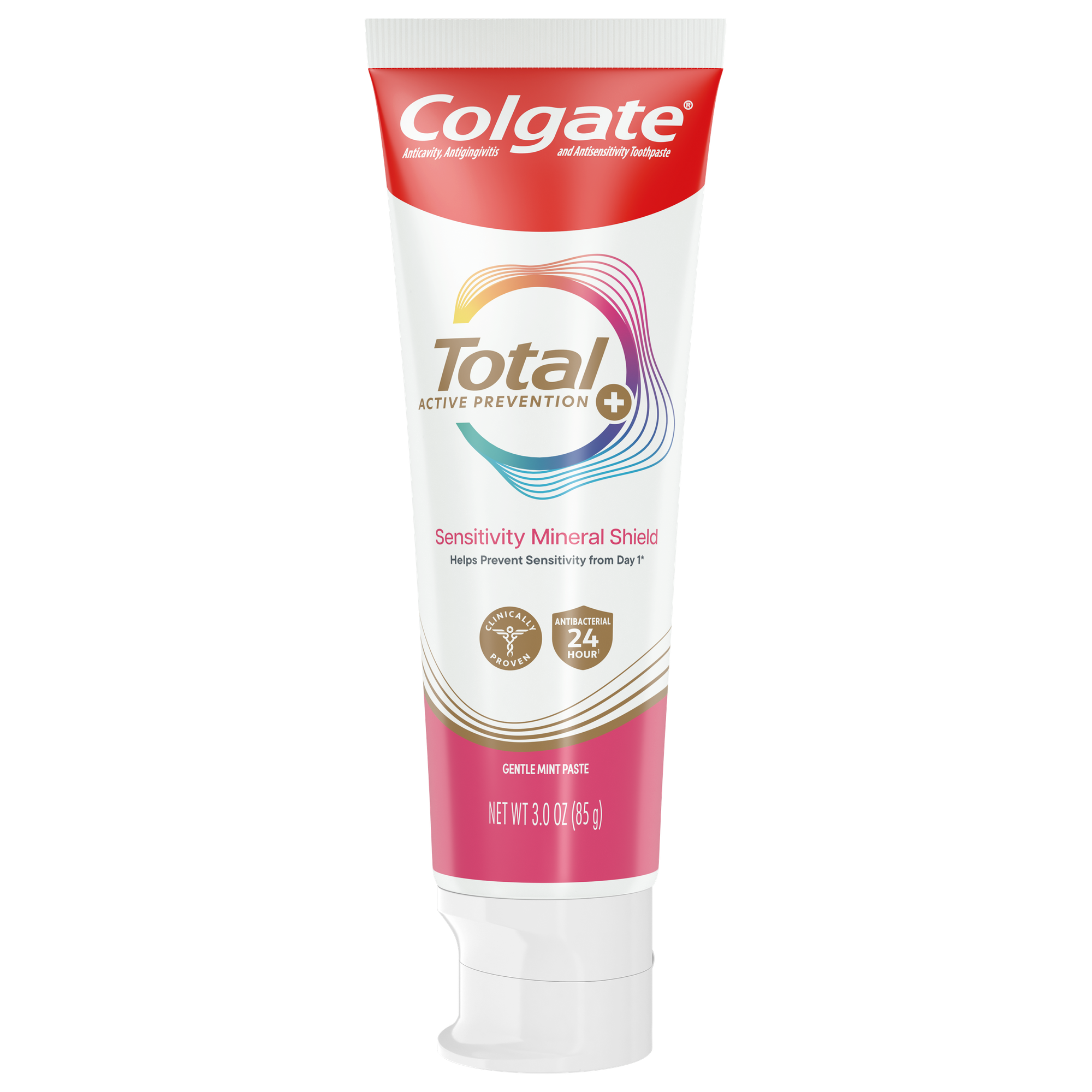
Help prevent sensitivity from day 1* with Colgate Total Active Prevention Sensitivity Mineral Shield Mint Toothpaste.
*with twice daily use
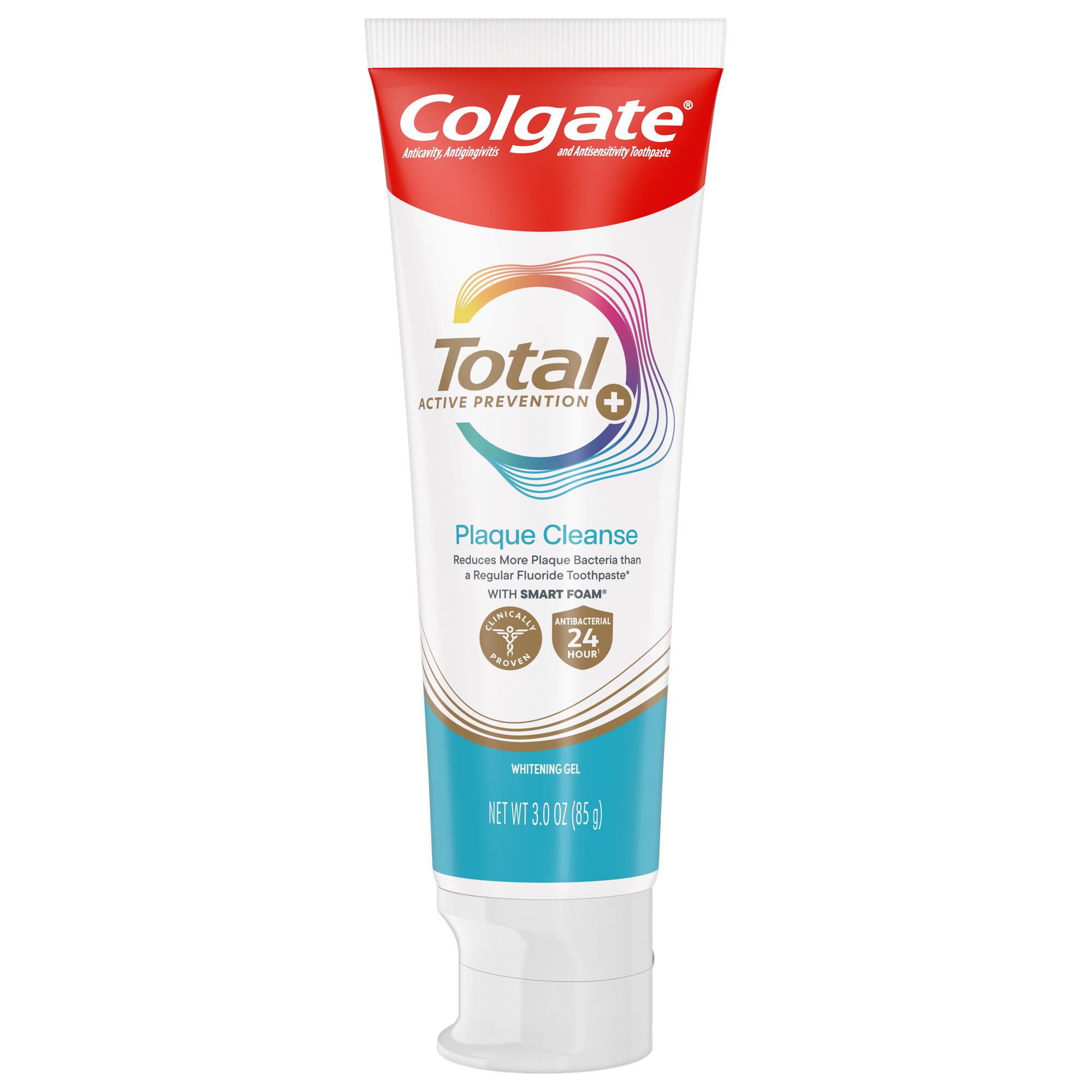
Help promote healthy gums using Colgate Total Active Prevention Plaque Cleanse Whitening Toothpaste Gel. This patented tartar prevention toothpaste fights the root cause* of gingivitis, plaque, tartar, cavities, sensitivity, bad breath, weak enamel, and stains and is 2x more effective*** at fighting bacteria, the root cause of oral health problems like cavities and gingivitis.
*via protection against bacteria and dietary exposures, with daily brushing
***via reduction of bacteria vs. non-antibacterial fluoride toothpaste with 2x daily brushing and 4 weeks use
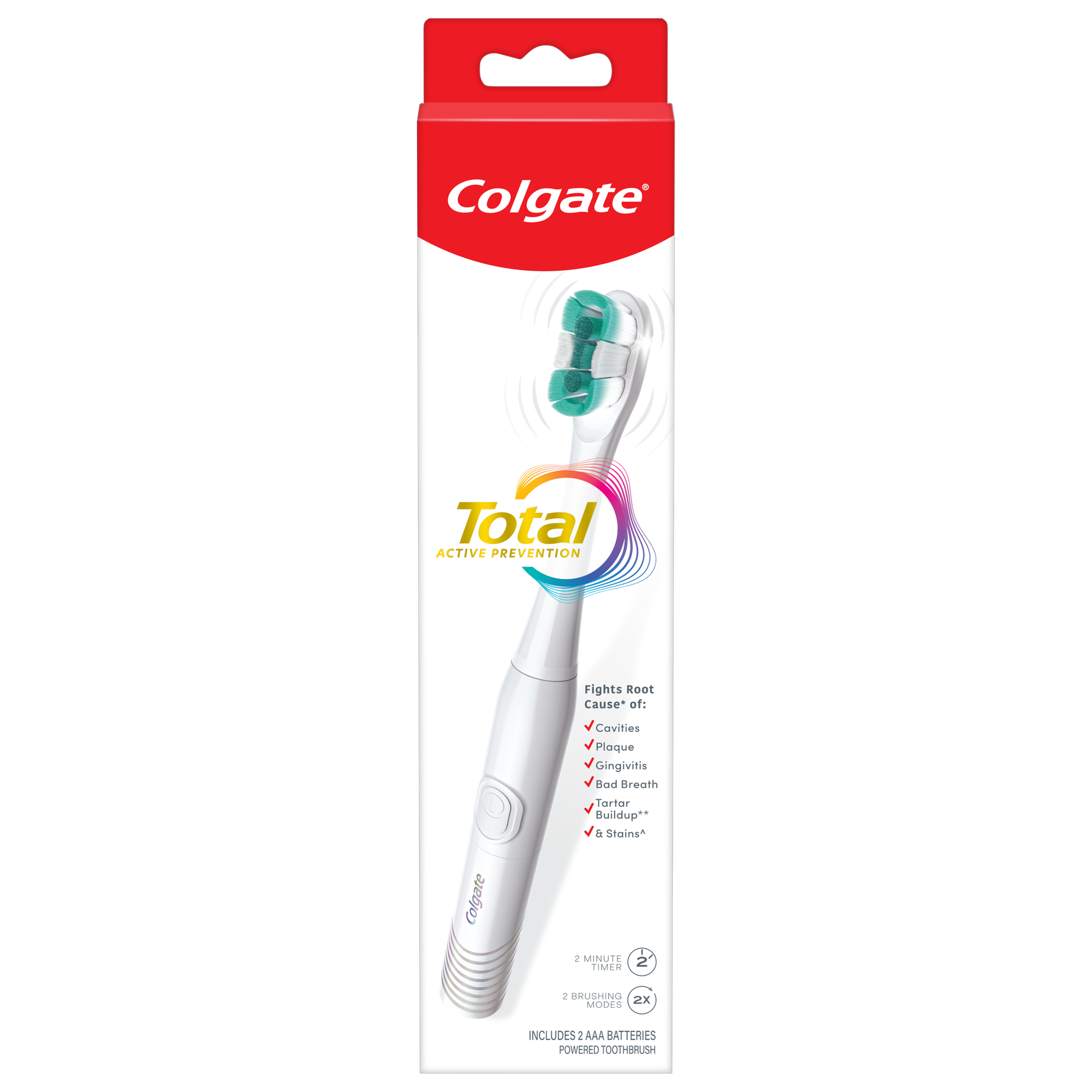
Colgate Total Active Prevention Battery Powered Electric Toothbrush, WhitePower away plaque with Colgate Total Battery Powered Toothbrush.
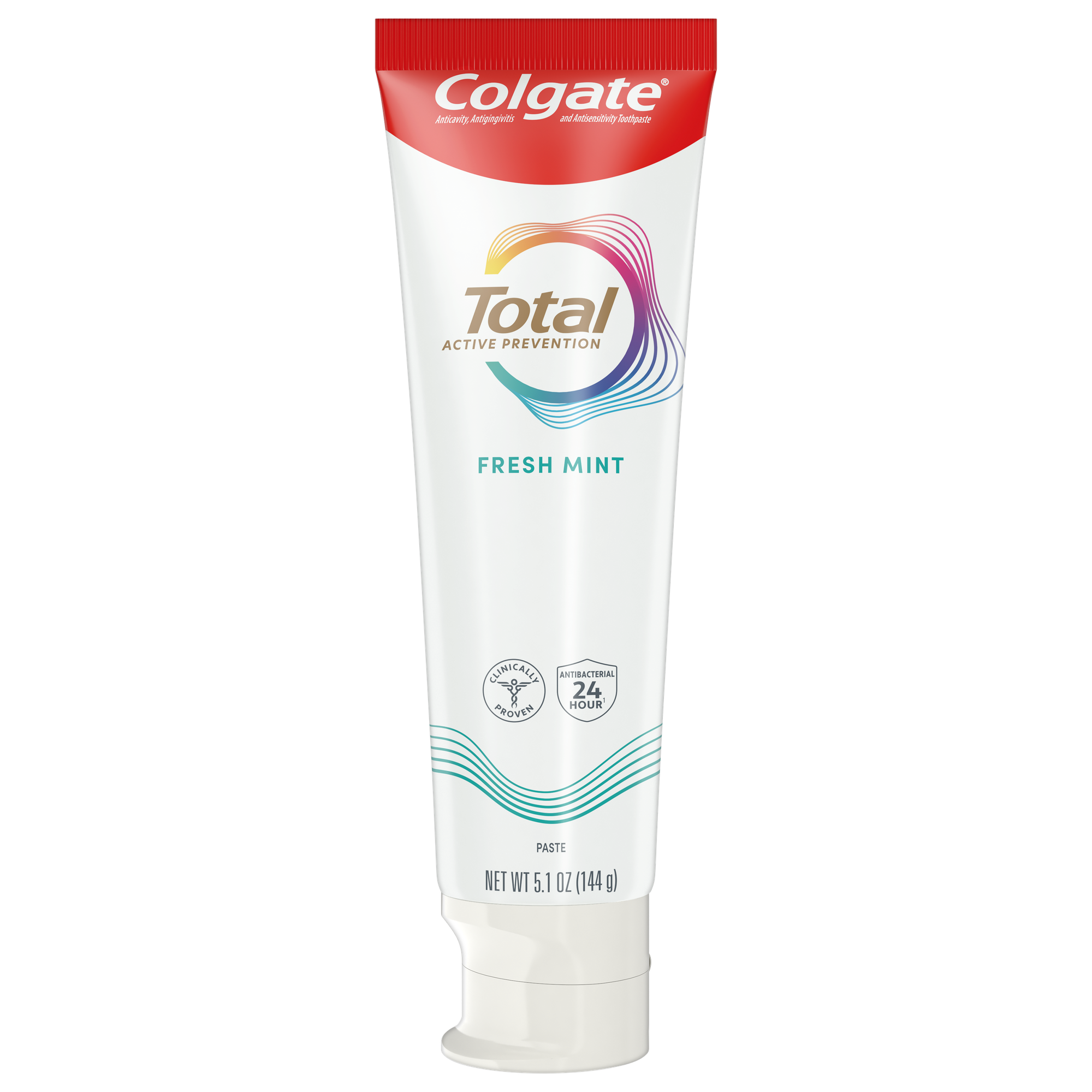
Colgate Total Fresh Mint Toothpaste fights bacteria, the root cause of many oral health issues such as gingivitis, tartar, sensitivity, weak enamel, bad breath, and cavities.


About Cookies on This Site

