GLP-1 Medications and Heartburn: Protecting Your Teeth from Acid
~9.5
min read

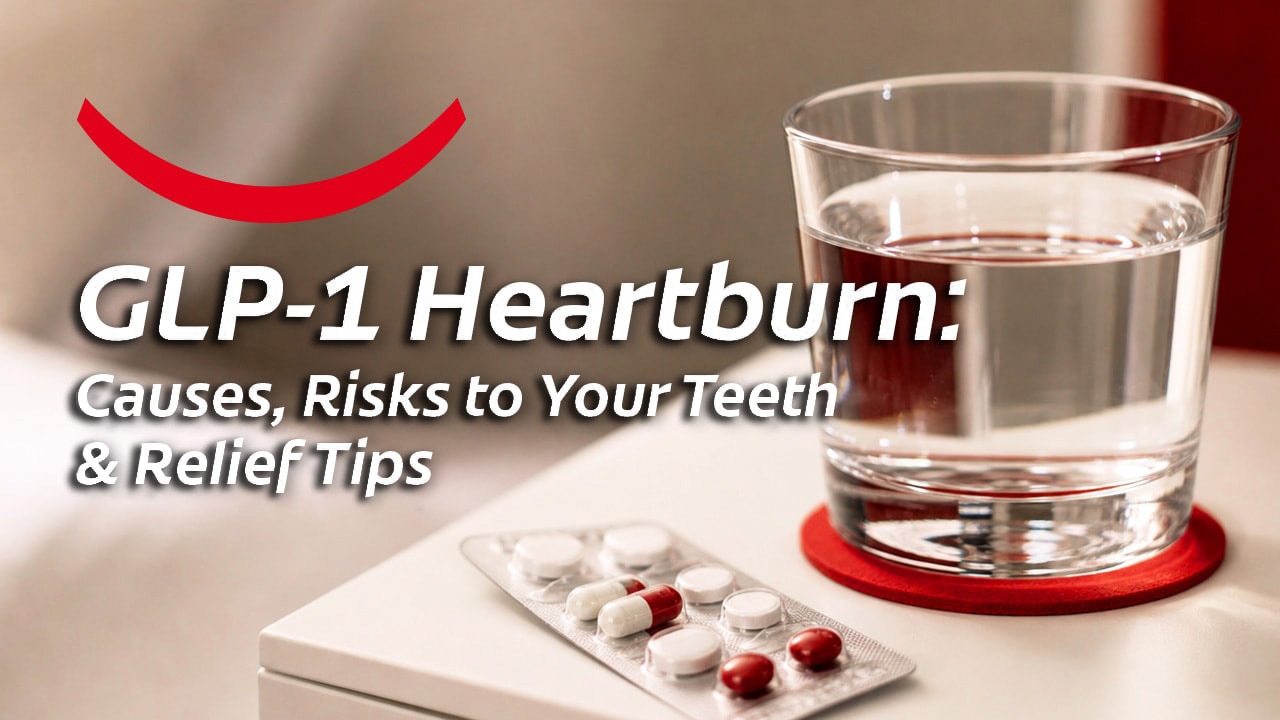
GLP-1 medications slow gastric emptying, causing food and acid to remain in the stomach longer. This can raise intragastric pressure and force acid into the esophagus, producing heartburn in roughly 10–15% of users. Symptoms typically peak during dose escalation and improve within 4–8 weeks at a stable dose.
A GLP-1 receptor agonist mimics the natural incretin hormone released after eating. These medications lower blood sugar, reduce appetite, and slow gastric emptying — the same mechanism responsible for GLP-1 heartburn.
When gastric emptying slows, contents can accumulate in the stomach, increasing intragastric pressure. Once that pressure exceeds the resting tone of the lower esophageal sphincter — the valve between stomach and esophagus — acidic contents push upward. Current research does not show that GLP-1 drugs increase acid secretion or weaken the LES itself; the reflux is mechanical and volumetric, not biochemical. This is why dietary and postural changes, not acid suppressants alone, are the most effective first-line interventions. Symptoms are most intense during dose escalation.
Heartburn and GERD are related but distinct. Heartburn is a symptom — the burning sensation in the chest or throat caused by a single episode of acid reflux. GERD (gastroesophageal reflux disease) is a chronic clinical condition defined by reflux occurring at least twice per week over several weeks, causing measurable tissue damage or significant quality-of-life impairment. Most patients on GLP-1 medications experience episodic heartburn rather than true GERD, but unmanaged, frequent heartburn on these drugs can evolve into GERD, particularly in patients with pre-existing risk factors such as obesity, tobacco use, or a prior history of gastrointestinal conditions.
Long-acting weekly agents tend to produce a more sustained effect on gastric motility, which may lead to more persistent reflux symptoms compared to shorter-acting daily formulations. Tirzepatide, which targets both the GIP and GLP-1 receptors simultaneously, may produce slightly more pronounced gastrointestinal effects overall due to its dual receptor activity, though individual responses vary considerably. If you are experiencing significant heartburn on one specific GLP-1 agent, speak with your prescriber before making any changes to your medication.
| Factor | GLP-1-Related Heartburn | Classic Heartburn |
|---|---|---|
| Primary cause | Delayed gastric emptying → increased intragastric pressure | Weakened LES, overeating, trigger foods |
| Gastric acid production | Not significantly increased | Often elevated |
| Timing | Peaks during dose escalation (weeks 1–4 at each new dose) | After meals, when lying down, variable |
| Natural resolution | Typically improves 4–8 weeks at stable dose | Persists without lifestyle/medication intervention |
| First-line management | Meal size reduction, postural changes | Dietary triggers elimination, antacids |
FDA trial data report dyspepsia/heartburn in 3–9% of participants; real-world estimates run closer to 10–15%. The most robust evidence comes from a 2025 Annals of Internal Medicine cohort study, which found 27% higher relative risk of incident GERD and a 55% higher risk of GERD complications over 90% of which involved Barrett's esophagus.
For most patients, symptoms are most pronounced during dose escalation side effects and ease within 4–8 weeks at a stable dose as partial tolerance develops, though they may briefly reappear at each new dose level.
Certain patients may face a significantly higher risk of complicated GERD on GLP-1 medications. The same 2025 study found that the risk ratio for GERD complications reached 1.55 (95% CI: 1.12–2.29) — a 55% relative increase — and that more than 90% of those complications involved Barrett's esophagus. Risk factors that compound this vulnerability include obesity (increased intra-abdominal pressure), active tobacco use (which relaxes the LES), a prior history of GERD or other gastrointestinal conditions, type 2 diabetes with pre-existing gastroparesis, and age over 70. Women and individuals with a higher body mass index also tend to report earlier symptom onset.
Yes, though with a short-term paradox. Weight loss can reduce intra-abdominal pressure over time, but in the first months, gastric slowing typically outweighs that benefit, so reflux may briefly worsen before it improves.
| GI Side Effect | Reported Prevalence | Typical Onset |
|---|---|---|
| Nausea | 15–40% | Early — first weeks of treatment |
| Vomiting | 5–9% | Early — during dose escalation |
| Heartburn / dyspepsia | 3–15% | Early to mid — worsens at each dose increase |
| GERD (clinical diagnosis) | +27% relative risk vs SGLT-2 | Cumulative — months of treatment |
| Constipation | 5–24% | Variable |
Stomach acid (pH 1.5–3.5) is highly erosive to dental structures. Every time it reaches the mouth (e.g. through reflux or vomiting) it attacks tooth enamel, the hardest tissue in the body but the only one that cannot repair itself once lost.
Acid lowers oral pH below the critical threshold of pH 5.5, dissolving the hydroxyapatite crystals of enamel in a process called enamel demineralization. Saliva buffers this acidity, but its capacity is limited, especially in patients with dry mouth on GLP-1, a side effect linked to reduced fluid intake from appetite suppression. The combination of recurring acid exposure and reduced saliva can accelerate dental erosion from acid reflux.
"GLP-1 teeth" is an informal term — not an official diagnosis — for oral effects increasingly documented in patients on these medications. The New York State Dental Association noted in late 2025 that oral health should be part of the prescribing conversation. The four most common manifestations:
This risk is entirely manageable with the right knowledge and routine, as covered below. Enamel erosion is a gradual cosmetic and sensitivity issue; it is not the same as tooth loss.
A single reflux episode can drop oral pH below 5.5 within seconds, and it can stay depressed for 20–30 minutes — long enough to cause meaningful mineral loss each time. Frequency of exposure, not the intensity of a single episode, drives erosion. Two to three episodes per day leave saliva too little time to remineralize between attacks, making cumulative exposure the main driver of GLP-1 dental side effects.
Because gastric emptying is already slowed on GLP-1, meal volume matters more than food choice alone. Aiming for 60–70% fullness, never 100%, is the foundational rule. Certain foods may make things worse. At the same pH 5.5 threshold as gastric acid, acidic options like citrus, sodas, and coffee carry a double burden, irritating the esophagus from below and, if they reach the mouth regularly, eroding tooth enamel from above.
Beyond food choice, avoid lying down within 2–3 hours of eating and keep portions moderate.This is the most immediately controllable variable for reducing reflux on GLP-1 therapy.
Relief works best as a layered strategy: lifestyle changes first, OTC options second, prescriptions as needed. Because the mechanism is volumetric rather than hypersecretory, postural and dietary changes often deliver relief no medication alone can fully replicate.
Antacids are generally safe alongside GLP-1 for occasional use (daily reliance should prompt a doctor conversation); H2 blockers (famotidine) and proton pump inhibitors (omeprazole, esomeprazole) are compatible too. Take PPIs 30–60 minutes before your first meal, since slowed gastric emptying can delay their absorption. For tirzepatide patients with pronounced GI effects, a temporary pause in dose escalation is a recognized option decided by the prescribing physician, not self-managed.
| Intervention | How It Works | Onset | Key Consideration |
|---|---|---|---|
| Smaller, more frequent meals | Reduces intragastric volume and LES pressure | Immediate (per meal) | Target 60–70% fullness; do not skip meals |
| Avoid lying down 2–3 hours post-meal | Gravity assists gastric emptying and reduces reflux | Immediate | Most effective combined with meal size reduction |
| Elevate head of bed (15–20 cm / 6 in.) | Reduces nocturnal reflux via gravity | Immediate (nighttime) | Use a wedge pillow or bed risers; not extra pillows |
| Antacids (calcium carbonate) | Neutralizes existing gastric acid | Minutes | Short duration (~1–2h); daily use → consult your doctor |
| H2 blockers (famotidine) | Reduces acid secretion at histamine receptor | 30–60 min | Effective for mild-moderate GERD; available OTC |
| Proton pump inhibitors (omeprazole) | Irreversibly inhibits gastric acid pump per dose | 2–3 days (full effect) | Take 30–60 min before first meal; available Rx or OTC |
| Dose escalation pause (medical decision only) | Reduces magnitude of gastric slowing | 1–2 weeks | Decision by prescribing physician only; do not self-adjust |

How Should You Adjust Your Oral Care Routine While on GLP-1?
When GLP-1 heartburn brings acid into your mouth, reaching for your toothbrush right away is not the right move. Acid temporarily softens enamel, and brushing in that window can abrade the weakened surface, causing faster and deeper enamel erosion than the acid alone would. Given 20–30 minutes without interference, saliva buffers and begins remineralizing. Fluoride accelerates this by converting hydroxyapatite into fluorapatite, a more acid-resistant form.
1. Do NOT brush immediately after a reflux episode or vomiting. Acid softens enamel; brushing after acid reflux within 30 minutes accelerates erosion.
2. Rinse immediately with water to neutralize oral acidity.
3. Wait 30 minutes, then brush with a fluoride toothpaste using gentle circular motions to remineralize the softened enamel.
4. Use a soft-bristle toothbrush — on GLP-1, enamel may be chronically more vulnerable, and firmer bristles increase abrasion risk.
5. Consider a fluoride mouthwash as an added remineralization step, especially before bed when salivary flow is lowest.
Yes. Fluoride converts hydroxyapatite into fluorapatite, which resists acid dissolution far better, so each subsequent reflux episode causes less mineral loss. If deemed necessary by a medical professional, they can also prescribe a prescription-strength toothpaste, which can have a fluoride concentration of up to 5,000 ppm. Consistent twice-daily brushing with correct timing matters more than brushing frequency.
Additional recommendations for GLP-1 oral care:
When Should You Contact Your Doctor About GLP-1 Heartburn?
Most GLP-1 heartburn is manageable at home with the strategies above, but certain symptoms may signal that it has moved beyond routine reflux and needs prompt medical attention.
Contact your prescriber or seek medical attention if you experience any of the following:
Barrett's esophagus is a change in the esophageal lining driven by chronic acid exposure, considered a precursor to esophageal cancer. The Noh et al. 2025 study found over 90% of documented GERD complications in GLP-1 users involved Barrett's, though absolute risk stays low and concentrated in patients with multiple risk factors and poorly managed reflux. Proactive management of GLP-1 GERD complications prevents the chronic exposure that drives progression.
No, not without your prescriber's guidance. Heartburn is manageable, and stopping treatment abruptly forfeits documented benefits for blood sugar control and weight management. Options include pausing dose escalation, adding a PPI, or switching molecules within the class. If red flag symptoms appear, call your doctor rather than simply stopping the medication.
Yes. GLP-1 receptor agonists slow gastric emptying, increasing intragastric pressure and forcing acid into the esophagus. Heartburn is reported in about 3–15% of users, and for most people it improves as the body adjusts to a stable dose.
The primary driver is delayed gastric emptying. Food staying in the stomach longer can build pressure that overcomes the LES, pushing acid upward. This is a mechanical effect, not a chemical increase in acid production.
Symptoms peak during dose escalation and typically ease within 4–8 weeks at a stable dose, though they may briefly return with each dose increase. Persistent or worsening symptoms warrant medical evaluation.
Yes. Antacids are generally safe alongside GLP-1 therapy for occasional relief. H2 blockers and PPIs are also compatible. Daily antacid use should prompt a conversation with your doctor.
For most users, yes. Partial tolerance develops over time, and as body weight decreases, intra-abdominal pressure eases. Smaller meals and staying upright after eating can speed improvement.
Yes. Recurring exposure to gastric acid (pH 1.5–3.5) causes tooth enamel erosion, mainly on the lingual and palatal surfaces of front teeth. Enamel doesn't regenerate, and dry mouth compounds the risk. Waiting 30 minutes to brush after reflux and using fluoride toothpaste significantly reduces it.
"GLP-1 teeth" is a popular (non-clinical) term for the pattern of oral health changes observed in patients taking GLP-1 medications. It encompasses tooth enamel erosion from acid reflux, increased cavity risk from dry mouth, acid halitosis, and gum inflammation. It is not an official diagnosis, but the underlying oral manifestations are clinically real and were noted by dental professional organizations in 2025. The risks are manageable with the right oral hygiene routine.
The most important rule on GLP-1 medications is to avoid large meals, as portion size matters more than any specific food choice. Beyond that, prioritize avoiding fried and high-fat foods, citrus fruits and juices, tomato-based products, caffeine, carbonated drinks, alcohol, chocolate, peppermint, and spicy foods. All of these can either relax the LES, stimulate acid production, or increase intragastric pressure — effects that can be amplified when gastric emptying is already slowed by the medication.
This article is intended to promote understanding and knowledge about general oral health topics. It is not intended to be a substitute for professional advice, diagnosis or treatment. Always seek the advice of your dentist or other qualified healthcare provider with any questions you may have regarding a medical condition or treatment.
ORAL HEALTH QUIZ
Take our Oral Health assessment to get the most from your oral care routine
ORAL HEALTH QUIZ
Take our Oral Health assessment to get the most from your oral care routine

Dry mouth may be a result of menopause and can have an effect on your overall health. Find out more about you can deal with hormonal shifts and dry mouth.
.jpeg)
Most cases of dry mouth after surgery are temporary. If the problem lingers, you may need to see a dentist. Check out these symptoms and treatments.

Dry mouth toothpaste can stave off discomfort and potential health issues. Find out if dry mouth toothpaste can be the remedy for your dry mouth.

Your salivary glands, which produce saliva, play a critical role in not just your oral health, but your overall health. Learn how to keep them healthy.
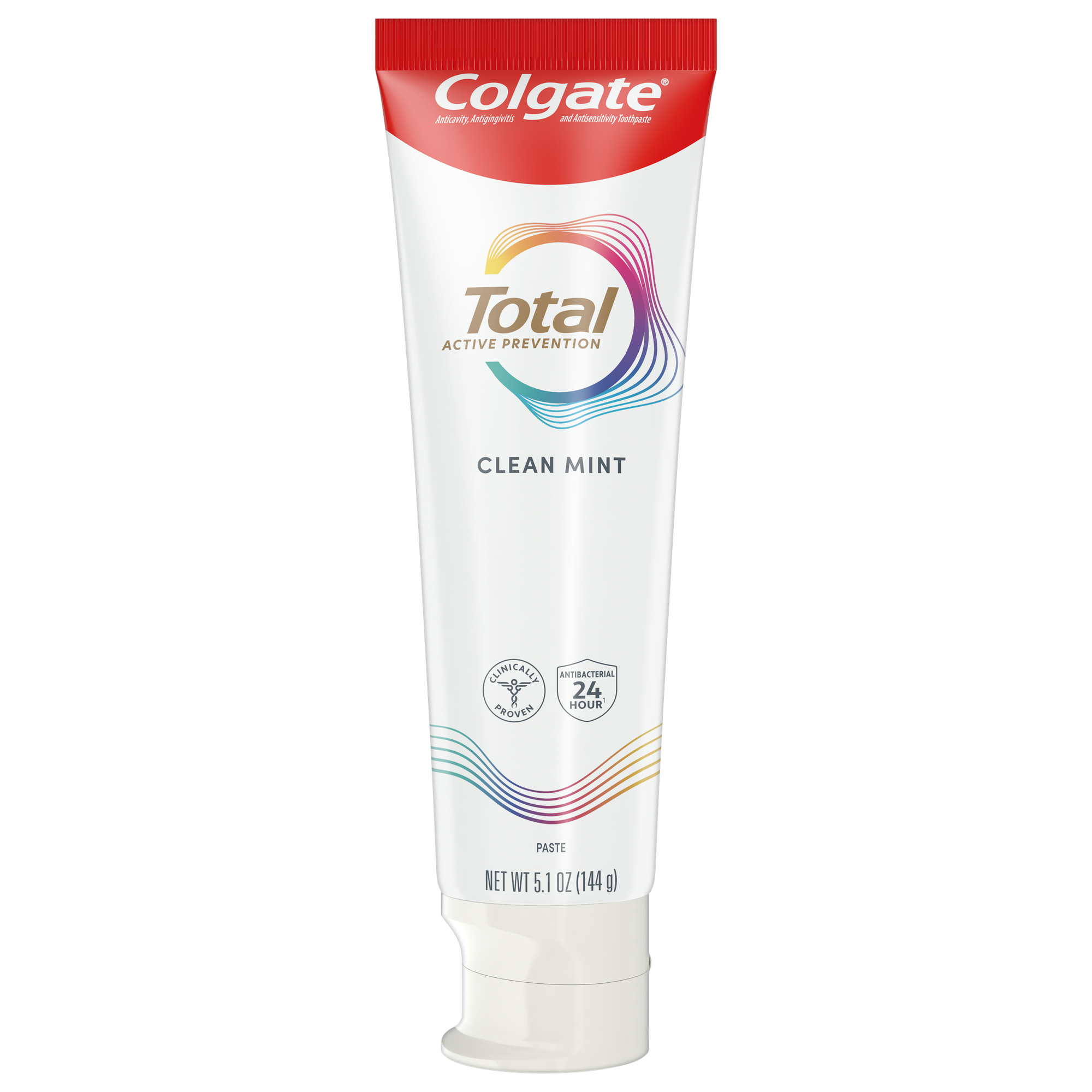
Colgate Total® Clean Mint Toothpaste fights bacteria, the root cause of many oral health issues such as gingivitis, tartar, sensitivity, weak enamel, bad breath, and cavities.
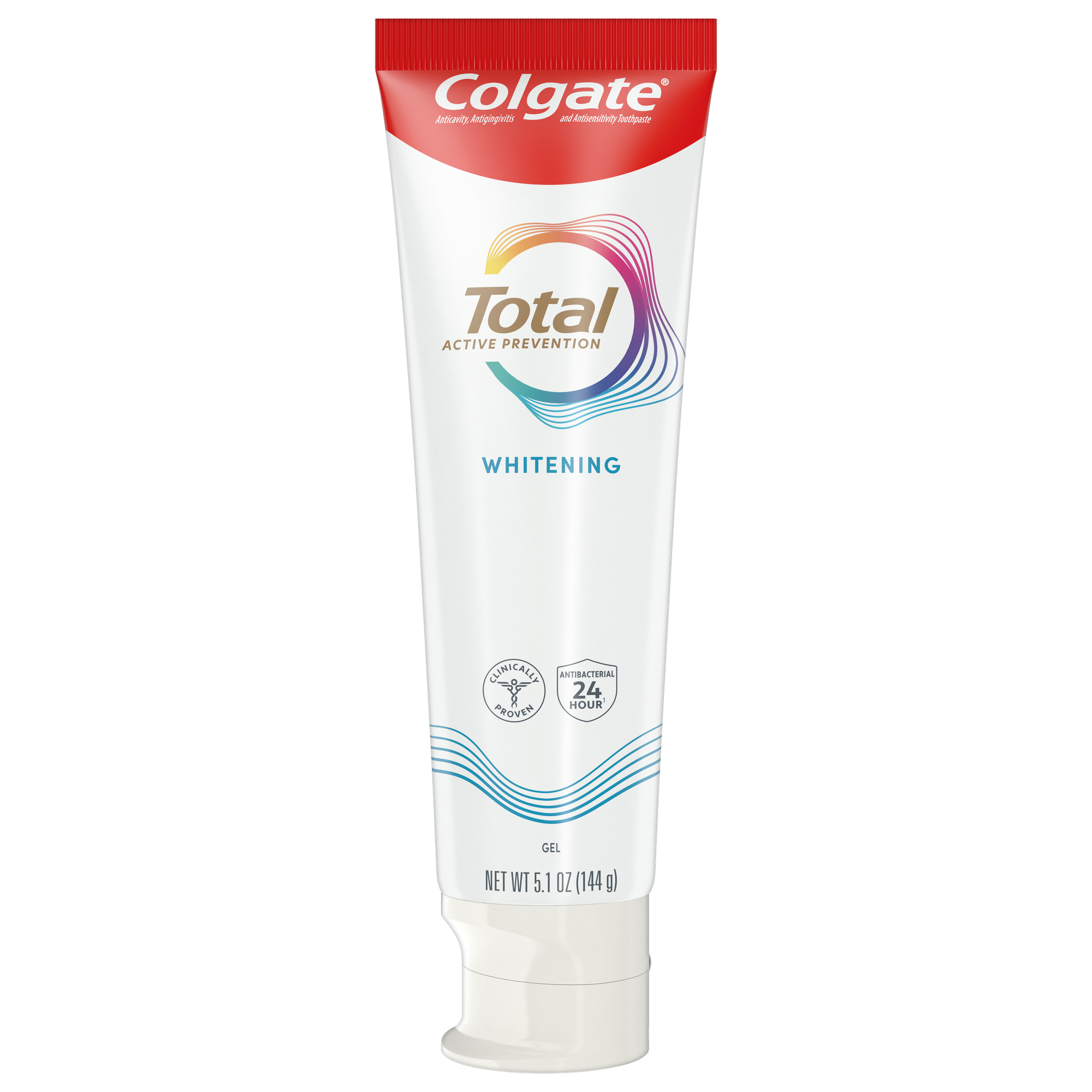
Colgate Total Whitening Gel Toothpaste fights bacteria, the root cause of many oral health issues such as gingivitis, tartar, sensitivity, weak enamel, bad breath, and cavities.
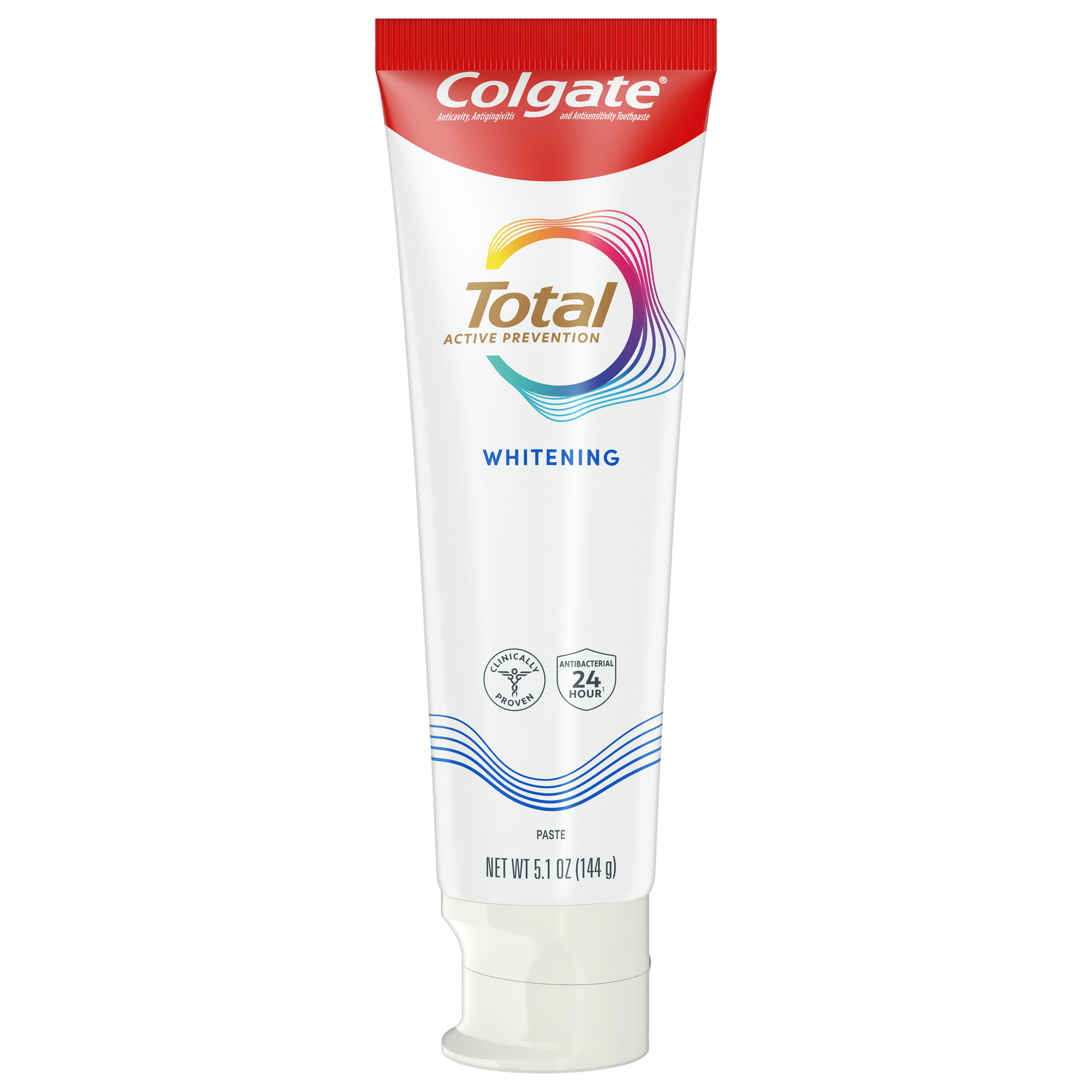
Colgate Total Whitening Toothpaste fights bacteria, the root cause of many oral health issues such as gingivitis, tartar, sensitivity, weak enamel, bad breath, and cavities.
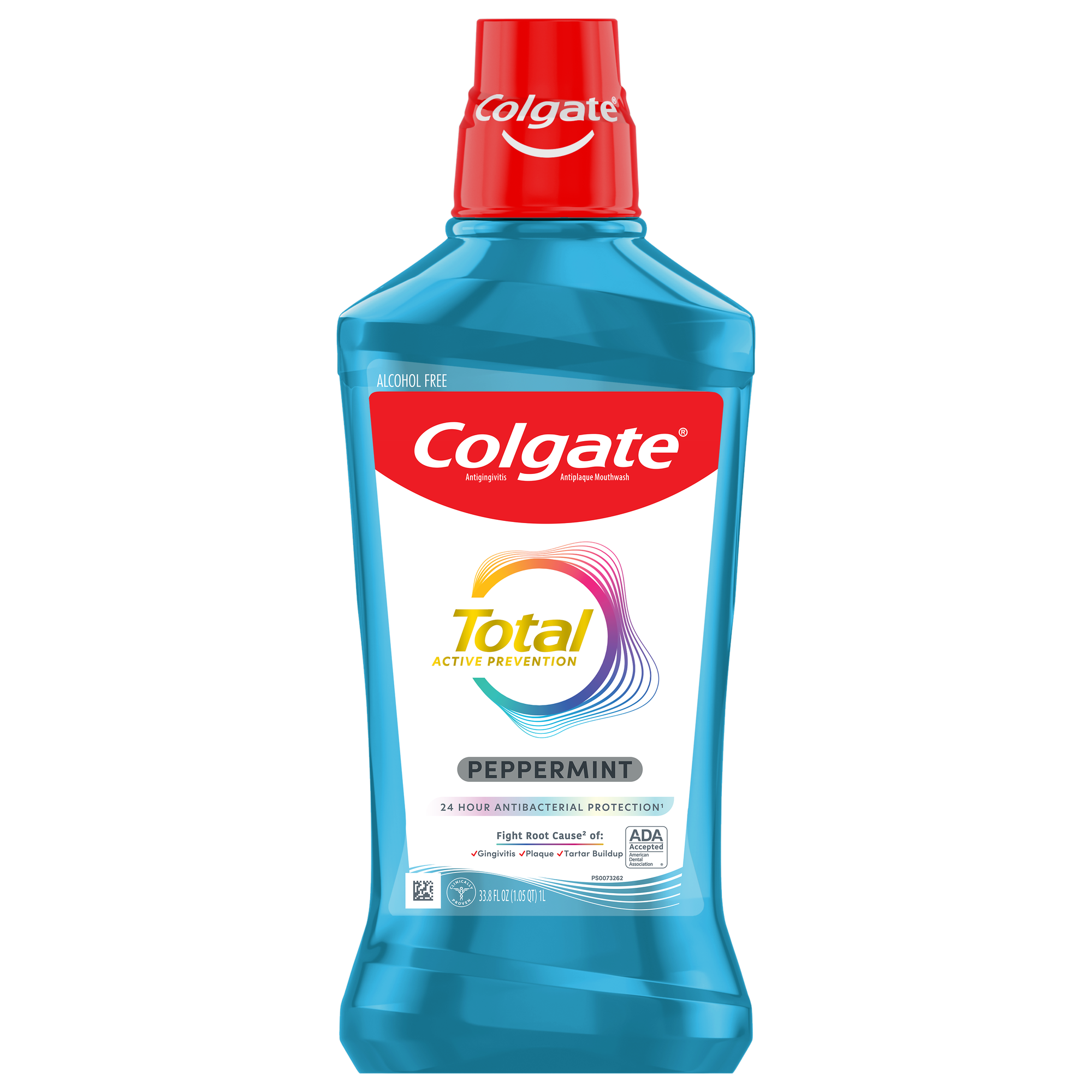
Colgate Total Alcohol Free* Peppermint Mouthwash delivers 24-hour protection** against bacteria.

