GLP-1 and Mouth Sores: What's Really Happening in Your Mouth
6
min read

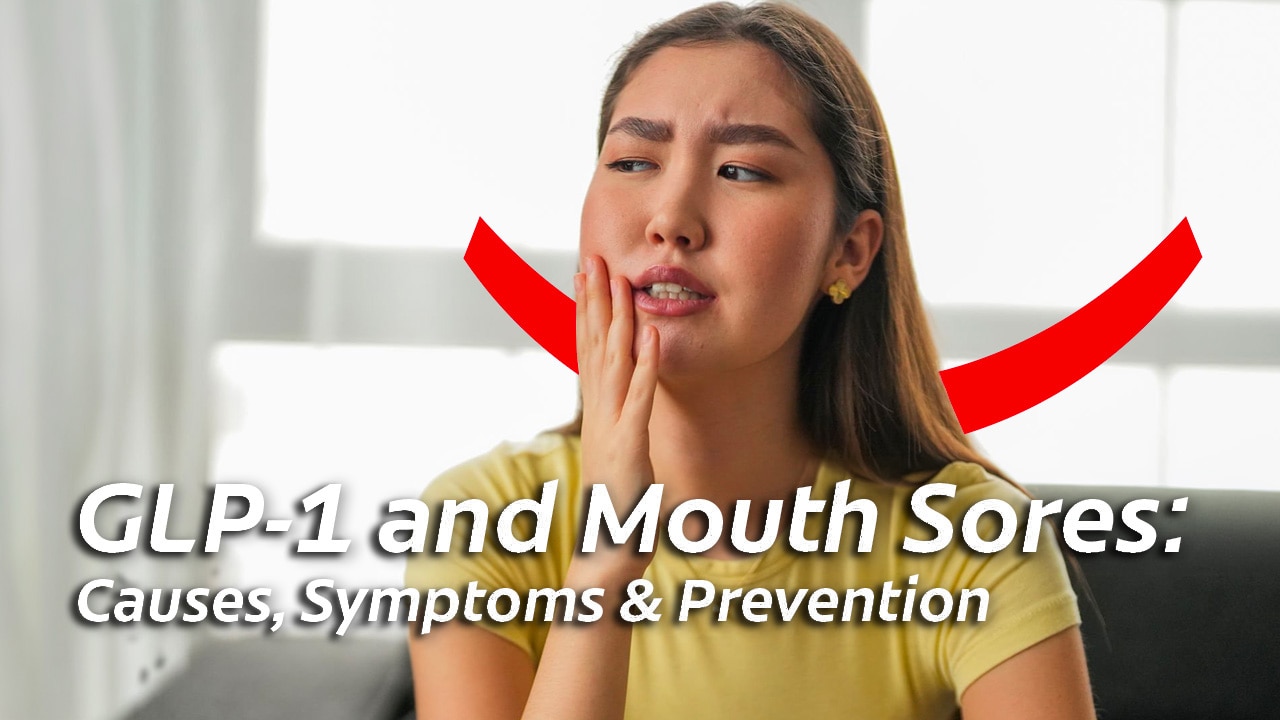
Key takeaways:
GLP-1 medications such as semaglutide and tirzepatide do not directly cause mouth sores. However, they reduce saliva production and can trigger acid reflux or vomiting — conditions that irritate oral mucosal tissue and promote canker sores, ulcers, and fungal infections. Hydration and rigorous oral hygiene are the primary evidence-based countermeasures.
GLP-1 receptor agonists — including semaglutide (available as a weight-management injection or an oral tablet formulation), tirzepatide (a dual GIP/GLP-1 agonist), liraglutide, and dulaglutide — do not list mouth sores as a direct adverse effect in their current prescribing information. Emerging pharmacovigilance data from 2024–2025 does signal oral and salivary symptoms — notably xerostomia, dysgeusia, and oral hypoesthesia — but no direct mucosal lesion has been established as a primary pharmacological effect of these molecules.
The distinction matters clinically. GLP-1 oral side effects such as canker sores and ulcers appear to be indirect consequences of well-documented primary side effects: reduced saliva output, gastroesophageal reflux, and nausea-driven vomiting. The popular term "GLP-1 mouth" — or colloquially, "medication mouth" — has emerged online to describe this cluster of oral symptoms reported by users of GLP-1 medications: dryness, halitosis, accelerated cavities, and ulcers. It is not a formal clinical diagnosis, but it reflects a real and growing pattern. Approximately 1 in 8 Americans has used a GLP-1 medication as of 2024, which explains the rising volume of patient reports.
It is equally important to note that formal clinical evidence remains limited. The large phase III trials for semaglutide (the STEP program) comprehensively documented gastrointestinal effects but did not systematically measure dental or oral mucosal outcomes. This gap means patients and clinicians are currently working from pharmacovigilance signals, case series, and mechanistic reasoning — all of which point toward indirect oral vulnerability — rather than from randomized controlled trial data. The implication for patients: semaglutide oral side effects related to the mouth do not justify stopping treatment, but they signal an immediate need for targeted oral care.
Source: https://pmc.ncbi.nlm.nih.gov/articles/PMC11260617/
One of the most consistently reported GLP-1 oral health complaints is dry mouth — clinically termed xerostomia. GLP-1 receptor agonists can trigger xerostomia by acting directly on GLP-1 receptors present in salivary gland tissue, disrupting the calcium/cyclic AMP (cAMP) signaling pathway that governs fluid and protein secretion. This means salivary flow can decrease even when a patient is adequately hydrated. Compounding this, the appetite suppression caused by these medications often leads to reduced food and fluid intake overall, further lowering saliva production.
Saliva is far more than a lubricant. It performs three functions that are critical to oral mucosal integrity. First, it acts as an acid buffer, maintaining oral pH in the safe range of 6.7–7.3. Second, it provides antimicrobial defense via secretory immunoglobulin A (sIgA) and lactoferrin, which actively suppress the growth of Streptococcus mutans and Candida albicans. Third, it forms a protective mucin film over the oral epithelium, shielding fragile tissue from mechanical friction. When saliva production drops under the influence of a GLP-1 medication, all three of these defenses are simultaneously weakened, creating the precise biological conditions for canker sores, oral thrush, and mucosal fissures to develop.
| Salivary Function | Normal Production | Reduced Production (GLP-1 Users) |
|---|---|---|
| Acid buffering | pH maintained at 6.7–7.3 | pH drops; enamel and mucosa at risk |
| Antimicrobial defense | sIgA inhibits S. mutans & C. albicans | Pathogenic species dominate; oral thrush risk ↑ |
| Mucosal protection | Mucin film lubricates epithelium | Tissue irritation; canker sores more likely |
| Enamel remineralization | Calcium/phosphate ions repair micro-lesions | Remineralization halted; decay accelerates |
| Taste perception | Normal gustatory function | Dysgeusia (metallic/bitter taste) reported |
If you have been wondering why your mouth hurts after starting a GLP-1 medication, the answer may lie below your stomach, not just in your salivary glands. GLP-1 receptor agonists slow gastric emptying — a mechanism called functional gastroparesis — which significantly worsens gastroesophageal reflux disease (GERD) in many users. Nausea and vomiting affect up to 19% of patients in some clinical trials, particularly during the initial weeks of treatment or when dose is escalated. Both GERD and vomiting expose the oral cavity to gastric acid, which carries a pH of approximately 1.5–3.5.
At that level of acidity, the damage to oral tissues is twofold. In the short term, gastric acid directly irritates and erodes the soft mucosal lining of the mouth, producing painful zones that closely resemble aphthous ulcers. In the medium term, repeated acid exposure keeps oral pH below the critical threshold of approximately 5.5 — the point at which hydroxyapatite, the mineral that forms tooth enamel, begins to dissolve. This means GLP-1 enamel erosion and soft-tissue injury occur simultaneously and reinforce each other. Patients who experience frequent reflux or vomiting on their GLP-1 medication face a compounded oral health risk that requires an immediate and specific response.
By consequence, patients who skip this rinse step and brush immediately after vomiting abrade temporarily softened enamel, accelerating erosion. Follow these steps instead:
There is a third, frequently overlooked pathway through which GLP-1 medications can contribute to mouth sores: the nutritional impact of powerful appetite suppression. Research published in 2025 highlights that users of GLP-1 receptor agonists can inadvertently consume insufficient amounts of several key nutrients — including calcium, vitamin C, vitamin D, vitamin B12, iron, folate, and protein — simply because they are eating far less overall. Critically, many of these nutrients play a direct and well-established role in maintaining oral mucosal integrity and immune defense.
Vitamin B12, iron, and folate are among the most well-documented causes of recurrent aphthous stomatitis (RAS) — the medical term for recurring canker sores. A deficiency in any one of them can disrupt the rapid cell turnover that keeps the oral mucosal lining intact. Vitamin C is essential for collagen synthesis, which underpins both gum integrity and wound healing; even a moderate shortfall accelerates tissue breakdown. Calcium and vitamin D affect alveolar bone density and enamel strength over the longer term, while adequate protein intake is necessary for soft-tissue repair. Any patient on a GLP-1 medication who is experiencing frequent mouth sores should have their nutritional status evaluated with a blood panel covering B12, ferritin, folate, vitamin D, and calcium before attributing the lesions solely to the medication itself.
| Nutrient | Oral Function | Deficiency Sign in the Mouth | Risk on GLP-1 Therapy |
|---|---|---|---|
| Vitamin C | Collagen synthesis; gum integrity | Bleeding gums; slow-healing sores | Moderate ↑ (reduced food intake) |
| Vitamin B12 | Mucosal cell turnover | Recurrent aphthous ulcers; glossitis | High ↑ (appetite suppression) |
| Iron / Folate | Red blood cell production; epithelial repair | Pale mucosa; recurrent canker sores | Moderate ↑ |
| Calcium / Vitamin D | Alveolar bone density; enamel strength | Increased cavity risk; loose teeth (long-term) | High ↑ (reduced dairy and food intake) |
| Protein | Tissue repair; immune response | Delayed healing; inflamed gums | Moderate ↑ |
Source: https://pubmed.ncbi.nlm.nih.gov/105102/
The oral symptoms associated with GLP-1 medications can develop gradually, making early recognition especially important. Some affect the soft tissues — the mucosa, gums, and lips — while others signal structural damage to enamel or bone. Because several of these symptoms can also indicate conditions unrelated to your medication, staying alert to any new changes and noting when they began is essential information to bring to your dental care team.
According to the American Dental Association (ADA), any oral lesion that does not heal within two weeks warrants professional evaluation. For patients on a GLP-1 medication, that timeline should be treated as a firm upper limit, not a starting point.

How Do You Soothe and Treat Mouth Sores While on a GLP-1?
The encouraging news is that most mouth sores linked to GLP-1 medication use — particularly those driven by dry mouth or mucosal irritation — will resolve on their own within 7-14 days, provided the underlying oral environment is corrected. There is no antiviral drug for simple recurrent aphthous stomatitis. Treatment focuses on four goals: neutralizing local acidity, reducing bacterial and fungal load, physically protecting the damaged mucosal tissue, and restoring enough salivary function to re-engage the mouth's natural defenses. The following protocol is structured from first-line home care to prescription-level intervention.
Dental and oral health experts — including specialists at the Case Western Reserve University School of Dental Medicine and spokespeople for the American Dental Association such as Tricia Quartey, DMD — consistently emphasize that oral care should be reinforced proactively when starting a GLP-1 medication, rather than reactively once symptoms appear. The rationale is straightforward: the three indirect mechanisms that drive GLP-1 oral health complications — reduced salivary flow, chronic acid exposure, and nutritional shortfalls — all begin operating from the first dose. Building protective habits from day one means you are actively counteracting each mechanism rather than responding to the damage it has already caused.
| Action | Timing | Clinical Rationale |
|---|---|---|
| Brush for 2 minutes with a fluoride antibacterial toothpaste (e.g., Colgate Total®) | Morning and night | Reduces plaque bacteria; fluoride strengthens enamel against acid erosion |
| Rinse with plain water or an alcohol-free fluoride mouth rinse | After each meal | Neutralizes postprandial acid; removes food debris without drying mucosa |
| Rinse immediately with baking soda solution; wait 30–60 minutes before brushing | After vomiting | Neutralizes gastric acid (pH ~1.5) before it erodes temporarily softened enamel |
| Drink 8–10 glasses of water; chew sugar-free xylitol gum between meals | Throughout the day | Combats xerostomia; mechanically stimulates saliva; xylitol inhibits S. mutans |
| Floss once; use an interdental brush if needed | Daily | Removes interproximal plaque that accumulates faster under dry mouth conditions |
| Self-examine oral mucosa for new lesions, white patches, or persistent ulcers | Weekly | Early detection prevents progression to advanced infection or irreversible tissue damage |
| More frequent professional dental cleaning and full oral examination | As advised by dentist | Recommended by dental experts for active GLP-1 users to identify clinical risks and symptoms earlier |
Alongside this daily routine, arrange a blood panel within the first three months of GLP-1 therapy to screen for nutritional deficiencies that can independently trigger oral sores — specifically vitamin B12, ferritin, folate, vitamin D, and calcium levels. Identifying and correcting these shortfalls early can meaningfully reduce the frequency of recurrent aphthous ulcers and support healthy soft-tissue repair throughout treatment.
Knowing when to move from home care to professional evaluation is one of the most important decisions a GLP-1 medication user can make for their long-term oral health. The American Dental Association recommends consulting a dentist if any oral lesion fails to heal within 14 days. For patients on a GLP-1 receptor agonist, researchers including Anita Aminoshariae, DDS, MS, Director of Endodontics at Case Western Reserve University School of Dental Medicine, recommend an even more proactive stance. This is because the same mechanisms that cause soft-tissue sores can simultaneously accelerate structural damage to enamel and alveolar bone that may not be visible or painful until significantly advanced.
Visit a dental professional if any of the following apply:
Your oral health is inseparable from your systemic health, and this connection is especially meaningful for patients managing type 2 diabetes or obesity with a GLP-1 therapy. Informing your dentist of your current medication allows them to tailor their examination protocol, adjust the frequency of cleanings, and coordinate with your prescribing clinician if any oral findings suggest a need to revisit your treatment plan. A well-informed dental team is one of your most valuable partners on this journey.
GLP-1 medications do not directly cause mouth sores as a primary pharmacological effect. However, their established side effects — particularly reduced saliva production, gastric acid reflux, and vomiting — create oral conditions that make mucosal tissue more vulnerable to canker sores, ulcers, and fungal infections. The relationship is indirect but clinically significant.
Semaglutide (the active ingredient in some GLP-1 weight-management medications) is not listed as a direct cause of canker sores in its prescribing information. However, pharmacovigilance data and patient reports consistently link semaglutide oral side effects — including xerostomia, dysgeusia, and mucosal irritation — to conditions that precipitate aphthous ulcers. Correcting dry mouth and acid exposure typically resolves or reduces these sores.
"GLP-1 mouth" (also referred to informally as "medication mouth") is a colloquial term, not a formal medical diagnosis. It describes the cluster of oral symptoms reported by users of GLP-1 receptor agonists: persistent dryness, altered taste, bad breath, accelerated cavities, and oral sores. While the terminology is unofficial, the underlying symptoms are real, clinically documented, and increasingly recognized by dental professionals.
Yes, tirzepatide mouth ulcers and oral symptoms are reported for the same indirect reasons as semaglutide-based medications. As a dual GIP and GLP-1 receptor agonist, tirzepatide shares the mechanisms — gastroparesis, nausea, and potential salivary gland receptor activity — that create oral vulnerability. The same preventive oral care protocol applies.
The core GLP-1 oral health protection strategy involves brushing twice daily with a fluoride antibacterial toothpaste, rinsing after meals with an alcohol-free fluoride mouth rinse, staying well-hydrated throughout the day, chewing sugar-free xylitol gum to stimulate saliva, following the correct rinsing protocol after vomiting, and scheduling dental check-ups more frequently than the standard 6-month interval. Beginning this routine from the first dose — before symptoms appear — provides the strongest protection.
GLP-1 receptor agonists can reduce saliva output by acting on GLP-1 receptors in salivary gland tissue, disrupting the calcium/cAMP signaling that drives fluid secretion. This effect can occur even in patients who are adequately hydrated, making proactive management — hydration, saliva-stimulating products, and regular dental monitoring — essential rather than optional.
This article is intended to promote understanding and knowledge about general oral health topics. It is not intended to be a substitute for professional advice, diagnosis or treatment. Always seek the advice of your dentist or other qualified healthcare provider with any questions you may have regarding a medical condition or treatment.
ORAL HEALTH QUIZ
Take our Oral Health assessment to get the most from your oral care routine
ORAL HEALTH QUIZ
Take our Oral Health assessment to get the most from your oral care routine

Dry mouth may be a result of menopause and can have an effect on your overall health. Find out more about you can deal with hormonal shifts and dry mouth.
.jpeg)
Most cases of dry mouth after surgery are temporary. If the problem lingers, you may need to see a dentist. Check out these symptoms and treatments.

Dry mouth toothpaste can stave off discomfort and potential health issues. Find out if dry mouth toothpaste can be the remedy for your dry mouth.

Your salivary glands, which produce saliva, play a critical role in not just your oral health, but your overall health. Learn how to keep them healthy.
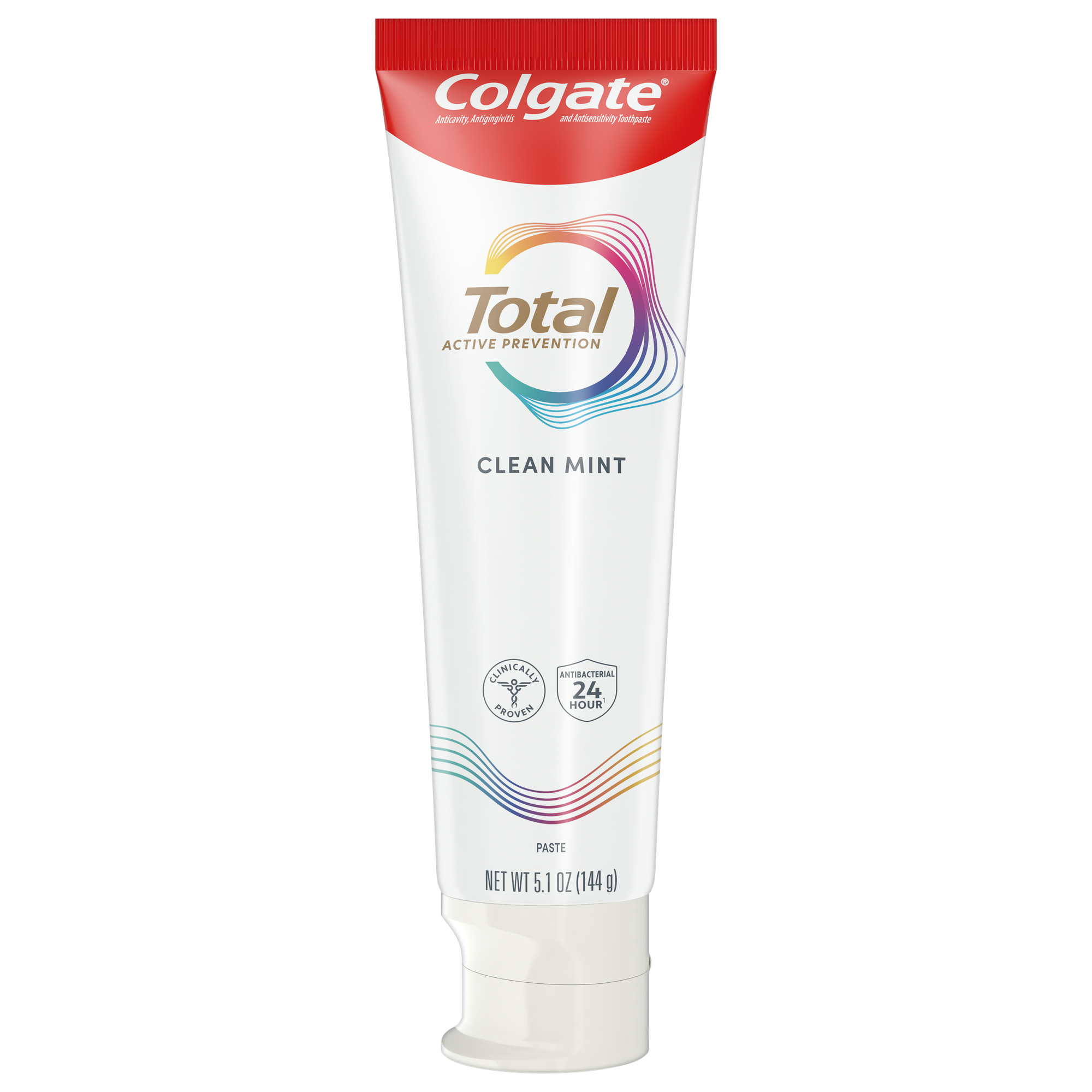
Colgate Total® Clean Mint Toothpaste fights bacteria, the root cause of many oral health issues such as gingivitis, tartar, sensitivity, weak enamel, bad breath, and cavities.
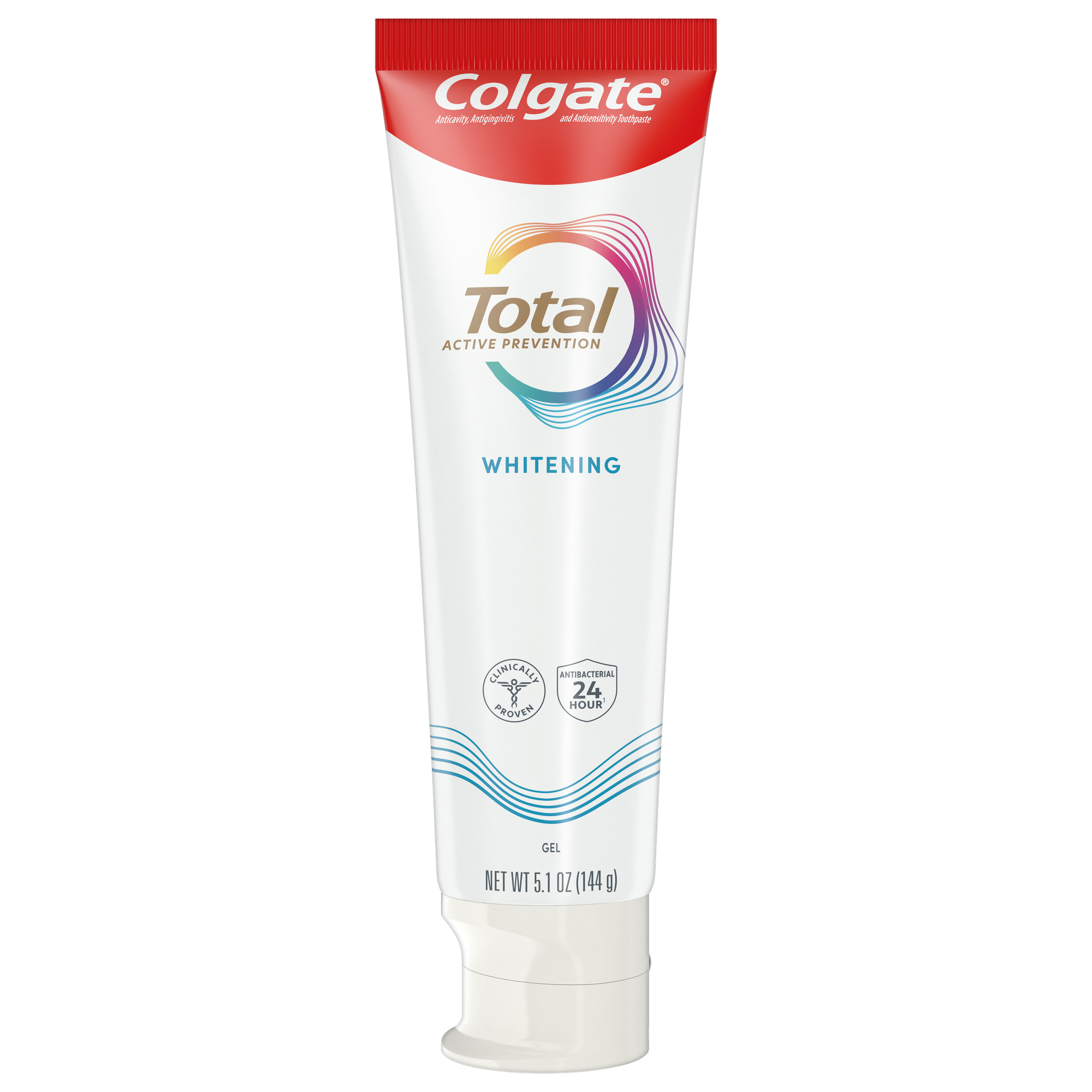
Colgate Total Whitening Gel Toothpaste fights bacteria, the root cause of many oral health issues such as gingivitis, tartar, sensitivity, weak enamel, bad breath, and cavities.
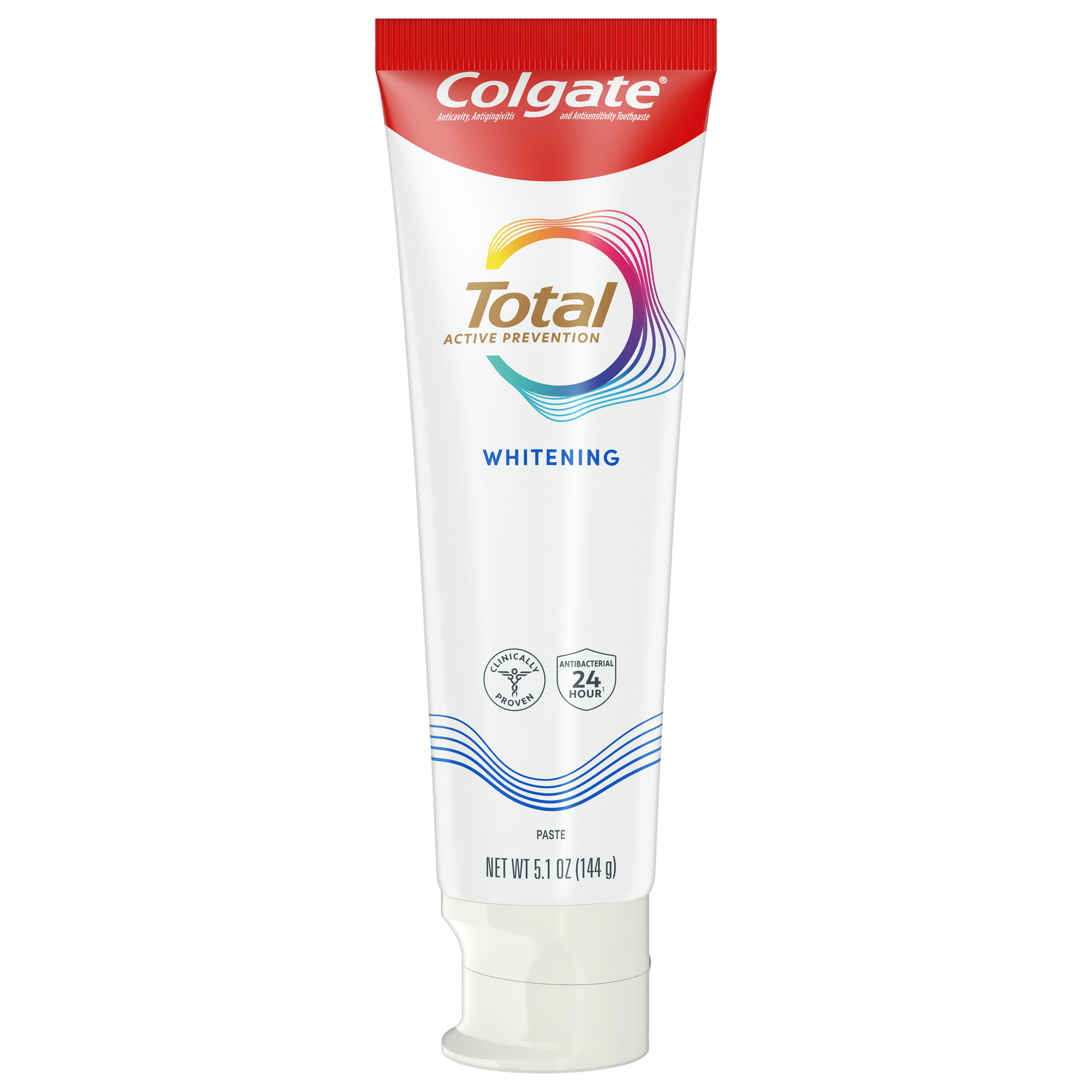
Colgate Total Whitening Toothpaste fights bacteria, the root cause of many oral health issues such as gingivitis, tartar, sensitivity, weak enamel, bad breath, and cavities.
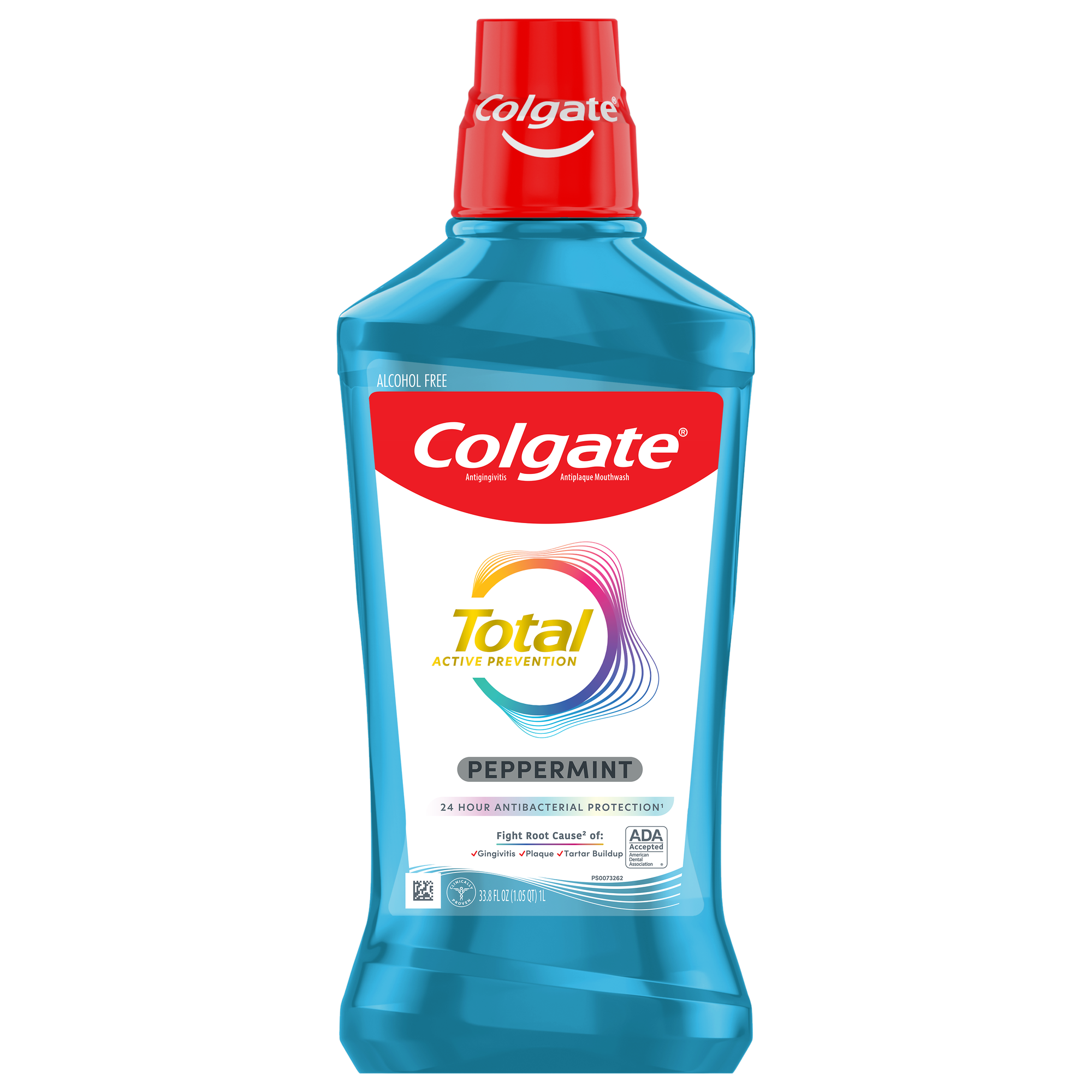
Colgate Total Alcohol Free* Peppermint Mouthwash delivers 24-hour protection** against bacteria.

