GLP-1 Medications and Tooth Decay: What You Need To Know
11
min read

Key takeaways:
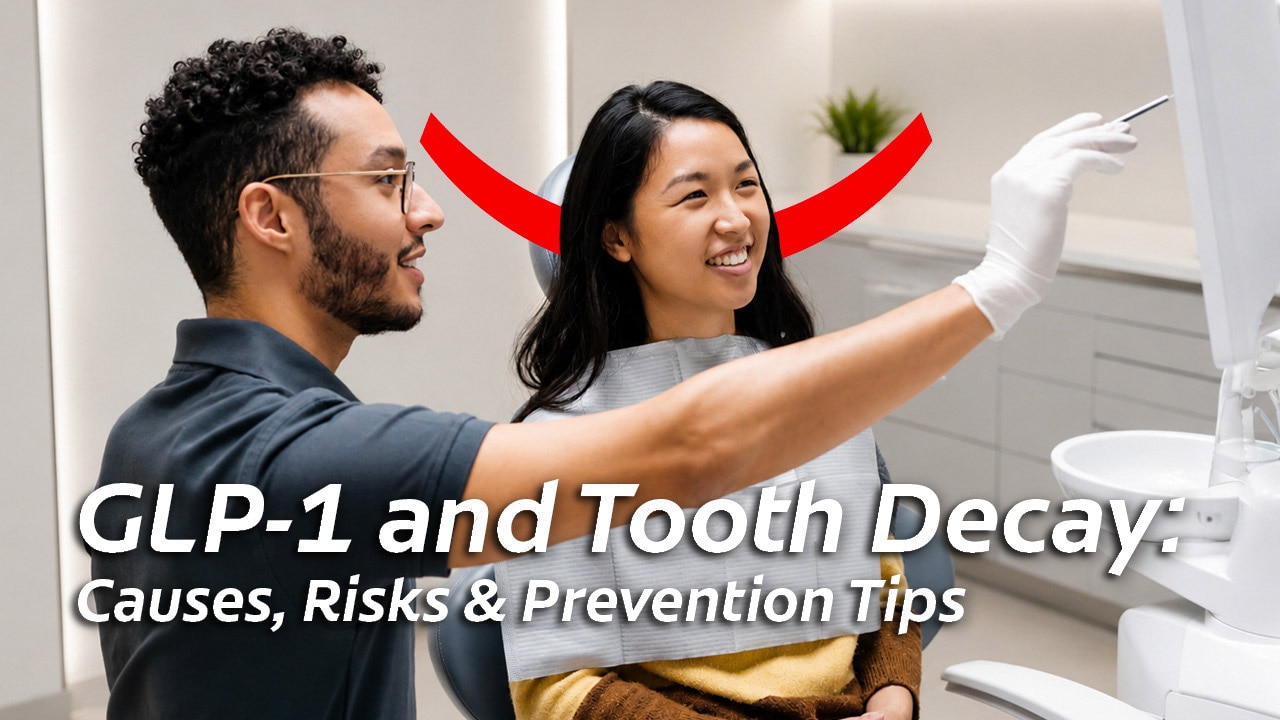
GLP-1 medications — including semaglutide- and tirzepatide-based drugs — do not directly cause tooth decay. However, their documented side effects, specifically dry mouth, nausea-induced vomiting, gastric acid reflux, and reduced nutrient intake, alter the oral environment in ways that substantially increase the risk of cavities, enamel erosion, and gum disease.
"GLP-1 teeth" is not an official clinical diagnosis It is a colloquial term used by patients and dental professionals to describe a cluster of oral health problems observed in patients taking GLP-1 receptor agonist medications. This cluster includes rapid tooth decay, enamel erosion, gum inflammation, dry mouth, and in severe cases, tooth fractures or loss. The term emerged from convergent patient reports on social media and parallel clinical observations in dental offices across the United States. Dental professionals began correlating new-onset decay in previously dentally-stable patients with recent initiation of GLP-1 therapy. Because the causal mechanism is indirect — operating through side effects, rather than the molecule itself — formal clinical study has lagged behind observational evidence.
The absence of a formal diagnosis does not negate the clinical risk. Patients on GLP-1 therapy face a measurably altered oral environment that requires proactive management, regardless of prior dental history. Dental professionals treating large numbers of patients on these medications are consistent in their observations: GLP-1 oral health challenges are real, progressive if unmanaged, and largely preventable with appropriate protocols. The encouraging news is that you have meaningful control over this risk — and your dental care team is your strongest partner in maintaining a healthy smile throughout your treatment.
All GLP-1 receptor agonists share the same pharmacological mechanism — slowing gastric emptying and suppressing appetite — which means all generate the same oral-health-relevant side effects. Patients on any GLP-1 medication should adopt the same preventive dental protocols, regardless of their specific prescription. Currently available GLP-1 medications include:
GLP-1 medications do not contain compounds that directly attack tooth enamel. Their GLP-1 oral health impact is entirely mediated through secondary physiological effects: reduced saliva production, increased acid exposure, altered dietary behavior, and potential oral microbiome disruption. Understanding these four pathways is the first step toward protecting your smile during treatment.
GLP-1 receptor agonists mimic the incretin hormone glucagon-like peptide-1, which regulates glucose metabolism and slows gastric emptying (the rate at which the stomach moves digested food into the small intestine). This same action — slowing the secretion rate of the entire gastrointestinal tract, including the salivary glands — reduces saliva production and alters its buffering composition. Simultaneously, appetite suppression leads to dehydration and nutritional changes that further compromise oral defense systems. Because all four impact pathways are modifiable through hydration, fluoride use, dietary vigilance, and dental monitoring, the oral health consequences of GLP-1 therapy are largely preventable.
| Mechanism | Primary Oral Effect | Resulting Dental Risk | Evidence Level |
|---|---|---|---|
| Reduced saliva production (xerostomia) | Loss of acid neutralization and enamel remineralization | Cavities, gum disease, bad breath | Clinician-observed; biologically well-established |
| Nausea and vomiting (affects 16–20% of users) | Repeated stomach acid contact with tooth surfaces | Enamel erosion, dentinal sensitivity | Clinician-observed; analog well-documented in GERD and bulimia literature |
| Appetite suppression → dietary shift | Higher sugar/carbohydrate intake; calcium and vitamin D deficiency | Accelerated bacterial acid production, weakened enamel structure | Anecdotal; biologically plausible |
| Altered GI secretion → oral microbiome disruption | Shift in bacterial populations favoring cariogenic species | Accelerated decay, gum inflammation | Emerging; not yet definitively peer-reviewed |
Dry mouth — known clinically as xerostomia, meaning reduced saliva production — is the most commonly reported oral side effect among GLP-1 medication users. GLP-1 receptor agonists slow secretion throughout the gastrointestinal tract, including the salivary glands, while simultaneously suppressing thirst signals, reducing fluid intake, and in some cases causing mild systemic dehydration. The result is a measurably lower volume of saliva bathing the teeth throughout the day, and this reduction has profound consequences for dental health.
Saliva performs five critical protective functions simultaneously. When GLP-1 dry mouth reduces salivary flow, all five are impaired at once:
Patients experiencing GLP-1-induced dry mouth face a compounded risk: every hour of reduced salivary flow represents an extended period during which acid-producing bacteria operate without neutralization. This is particularly damaging during sleep, when salivary flow naturally decreases even in healthy individuals. Consistent fluoride toothpaste use before bed and adequate daytime hydration become clinically critical — not merely recommended — for anyone on GLP-1 therapy.
Many medications cause dry mouth, including antihistamines, antidepressants, and diuretics — all common in the diabetes and obesity patient population that GLP-1 medications serve. This creates a compounded xerostomia risk: the GLP-1 drug itself reduces salivary secretion, while comorbidity medications may add additional salivary suppression. This polypharmacy effect — the combined impact of multiple xerogenic drugs — can produce more severe dry mouth than any single medication alone, placing certain patients at substantially elevated dental risk.
Patients on GLP-1 therapy who also take other xerogenic medications should explicitly discuss this compounded medication-induced dry mouth risk with both their prescribing physician and their dentist. Disclosing your complete medication list at your next dental appointment is a simple, immediately actionable step that gives your dental care team the full picture they need to protect your teeth effectively.
Nausea affects 16–20% of GLP-1 medication users, with 5–9% experiencing episodes of vomiting, according to FDA clinical trial data. Additionally, GLP-1 drugs slow gastric emptying, which increases the duration and frequency of gastroesophageal reflux disease (GERD) in susceptible patients. Both vomiting and acid reflux deliver the same corrosive agent directly to tooth surfaces: stomach acid.
Gastric acid has a pH of approximately 2.0 — far below the pH 5.5 enamel demineralization threshold. Each episode of vomiting or acid reflux deposits this highly corrosive fluid directly onto tooth surfaces. Repeated acid exposure dissolves the hydroxyapatite crystals (the primary mineral crystal forming tooth enamel) that give enamel its hardness and strength — a process that permanently removes tooth structure. The damage pattern from acid erosion is clinically distinct from bacterial cavity formation; it tends to affect the palatal surfaces of upper front teeth and the biting surfaces of molars first, before progressing to generalized surface thinning and dentinal sensitivity. This erosion pattern is identical to that seen in patients with GERD or purging-type eating disorders — conditions for which the dental mechanism is well-established in peer-reviewed literature – lending additional scientific credibility to clinician observations in GLP-1 oral health contexts.
Because eroded enamel cannot regenerate, each acid exposure event has permanent consequences. Preventing acid from reaching tooth surfaces, and acting immediately when it does, is clinically more important than any reactive treatment. The protocol below gives you a clear, actionable response to each episode:
Rinse your mouth thoroughly with plain water or an alcohol-free fluoride mouthwash immediately to dilute and neutralize gastric acid. Wait at least 30–60 minutes before brushing, as brushing immediately after acid exposure abrades softened enamel and accelerates structural loss. Apply a fluoride toothpaste or gel to tooth surfaces to begin the remineralization process. Inform your dentist of the frequency of nausea and vomiting episodes at your next appointment so they can assess cumulative enamel erosion.
GLP-1 medications significantly reduce appetite and food intake. Patients experiencing nausea during treatment often shift toward softer, more easily tolerated foods like crackers, smoothies, flavored drinks, and juices, which are typically higher in fermentable carbohydrates and added sugars than their regular diet. Some GLP-1 medication users also report "altered taste" (sometimes called "GLP-1 tongue"), a persistent metallic or modified taste perception that may shift food preferences further toward sweeter, more cariogenic options.
Fermentable carbohydrates serve as the primary substrate for cariogenic bacteria — principally Streptococcus mutans and Lactobacillus species — which metabolize these substrates into organic acids. Each acidogenic bacterial event lowers oral pH below 5.5 for 20–40 minutes. When dry mouth simultaneously impairs acid clearance and neutralization, the duration and intensity of each acid attack is amplified significantly. Additionally, reduced total food intake may compromise dietary levels of calcium, vitamin D, and vitamin C — nutrients directly involved in enamel mineralization, bone support for teeth, and periodontal tissue integrity. Maintaining adequate intake of these key nutrients, through supplementation if necessary when appetite is suppressed, is a meaningful way to protect your teeth during GLP-1 therapy. Consult a prescribing physician or a registered dietician before adding supplements:

No clinical protocol specifically designed for GLP-1 medication users has been validated in a randomized controlled trial as of mid-2026. However, the individual protective measures below are each independently validated for their target mechanism — fluoride for remineralization, hydration for salivary flow support, dietary modification for cariogenic substrate reduction — and represent a clinical approach among dental professionals actively treating patients on GLP-1 therapy. These measures are additive, so implementing all of them provides greater protection than any single intervention alone. Think of your oral care routine not as passive hygiene, but as an active part of managing your health during treatment: you don’t need to stop taking GLP-1 medications entirely to protect your teeth, but rather adapt your oral care routine accordingly.
| # | Recommendation | Mechanism Addressed | Frequency |
|---|---|---|---|
| 1 | Brush with fluoride toothpaste twice daily, with extra attention to the gumline | Compensates for reduced salivary remineralization; deposits fluorapatite (fluoride-substituted hydroxyapatite is more acid-resistant) on enamel | Twice daily; last session before bed without rinsing afterward |
| 2 | Drink at least 8 cups (2 L) of water daily; sip consistently rather than in large intervals | Maintains salivary flow; mechanically flushes oral bacteria and food particles | Throughout the day, especially before and after meals |
| 3 | Rinse with a fluoride mouthwash or antibacterial mouthwash | Extends fluoride contact time; reduces cariogenic bacterial populations | Once daily, separate from brushing, not as a replacement for it |
| 4 | Chew sugar-free xylitol gum between meals | Stimulates residual salivary flow; xylitol inhibits S. mutans adhesion to enamel | After meals, especially when unable to brush immediately |
| 5 | Rinse with plain water immediately after any vomiting or reflux episode; wait 30–60 minutes before brushing | Dilutes and removes gastric acid before it demineralizes enamel | After every episode |
| 6 | Limit sugary, acidic, or fermentable carbohydrate snacks; choose low-sugar soft foods when nauseous | Reduces cariogenic substrate available to acid-producing bacteria | Ongoing dietary modification throughout GLP-1 therapy |
| 7 | Schedule dental check-ups more frequently than the standard 6-month interval | Enables early detection and intervention before cavities progress beyond the reversible stage | As recommended by dental professional |
Prescription-strength toothpaste contains 5,000 ppm fluoride (1.1% sodium fluoride) – substantially more than standard over-the-counter toothpastes. For most GLP-1 medication users, standard OTC fluoride toothpaste is adequate for preventive maintenance, delivering sufficient fluoride to support ongoing remineralization and building a protective fluorapatite layer on enamel surfaces. Higher fluoride concentrations produce a thicker, more acid-resistant fluorapatite layer and extend the fluoride reservoir available between brushing sessions.
Patients with active decay, significant xerostomia, or documented enamel erosion should consult their dentist about prescription-strength fluoride or CPP-ACP (Casein Phosphopeptide–Amorphous Calcium Phosphate) remineralizing agents (if available in your area), which deliver a concentrated mineral boost directly to compromised enamel. Your dentist is best positioned to assess your individual risk level and recommend the appropriate fluoride concentration for your specific situation — another strong reason to maintain open, proactive communication with your dental care team throughout your treatment.
Current clinical consensus is clear: patients who initiate GLP-1 therapy should inform their dentist proactively, ideally before starting the medication, or at the very first appointment after initiation. This enables the dentist to establish a pre-treatment oral baseline, identify any existing areas of vulnerability, and implement a monitoring schedule calibrated to the patient's specific risk profile. Disclosure is not optional — it is clinically necessary. Your dentist cannot appropriately calibrate monitoring frequency, apply preventive treatments such as fluoride varnish or sealants, or recognize GLP-1 oral health decay patterns without knowing about your medication.
Early-stage tooth decay is clinically asymptomatic, so patients feel no pain, sensitivity, or visible change until decay reaches the dentin layer beneath the enamel. At standard 6-month recall intervals, a GLP-1-induced cavity can progress from early enamel demineralization — fully reversible with fluoride — to a dentin-involving lesion requiring a filling within a single interval. Increasing check-up frequency interrupts this progression at the reversible stage, before irreversible tooth structure is lost. If you experience any of the following warning signs between appointments, contact your dental care team promptly:
GLP-1 medications do not directly cause tooth decay. However, their side effects — including dry mouth, nausea-induced vomiting, acid reflux, and dietary changes — create oral conditions that significantly increase the risk of cavities, enamel erosion, and gum disease. The risk is real and clinically observed, but it is also largely preventable with the right oral care routine and increased dental monitoring.
"GLP-1 teeth" is not an official medical diagnosis. It is a colloquial term used by patients and clinicians to describe a cluster of oral health problems — rapid tooth decay, enamel erosion, gum inflammation, and dry mouth — observed in patients taking GLP-1 receptor agonist medications. The term emerged from patient reports and clinical observations, not from a formal research classification.
GLP-1 receptor agonists slow secretion throughout the gastrointestinal tract, including the salivary glands. They also suppress thirst signals and can cause mild dehydration. Together, these effects reduce saliva volume and alter its composition, producing xerostomia (dry mouth) that impairs the mouth's natural acid-neutralizing and enamel-protecting mechanisms.
Yes. Dry mouth removes five critical protective functions that saliva provides simultaneously: acid neutralization, enamel remineralization, mechanical cleansing, antimicrobial defense, and pellicle formation. Without adequate saliva, cariogenic bacteria proliferate unchecked, oral pH drops below the 5.5 demineralization threshold for extended periods, and tooth decay accelerates significantly.
It depends on the type and stage of damage. Early enamel demineralization (visible as white spots) is reversible with consistent fluoride use and improved oral hygiene. Enamel erosion caused by acid exposure and established cavities involving the dentin layer are not reversible and require professional dental treatment. This is precisely why early detection through more frequent check-ups is so important for patients on GLP-1 therapy.
Absolutely. Informing your dentist about your GLP-1 medication is clinically essential. Your dental care team needs this information to establish a monitoring schedule, recognize GLP-1 oral health-related decay patterns, apply preventive treatments such as fluoride varnish, and assess any compounded dry mouth risk from other medications you may be taking.
A standard over-the-counter fluoride toothpaste used twice daily is the foundational recommendation for most GLP-1 medication users. For patients with significant dry mouth or documented enamel erosion, a toothpaste specifically formulated for dry mouth, or a prescription-strength 5,000 ppm fluoride toothpaste recommended by your dentist, may provide additional protection. Always consult your dental care professional before changing your fluoride product.
This article is intended to promote understanding and knowledge about general oral health topics. It is not intended to be a substitute for professional advice, diagnosis or treatment. Always seek the advice of your dentist or other qualified healthcare provider with any questions you may have regarding a medical condition or treatment.
ORAL HEALTH QUIZ
Take our Oral Health assessment to get the most from your oral care routine
ORAL HEALTH QUIZ
Take our Oral Health assessment to get the most from your oral care routine
Dry mouth may be a result of menopause and can have an effect on your overall health. Find out more about you can deal with hormonal shifts and dry mouth.
.jpeg)
Most cases of dry mouth after surgery are temporary. If the problem lingers, you may need to see a dentist. Check out these symptoms and treatments.
Dry mouth toothpaste can stave off discomfort and potential health issues. Find out if dry mouth toothpaste can be the remedy for your dry mouth.

Your salivary glands, which produce saliva, play a critical role in not just your oral health, but your overall health. Learn how to keep them healthy.
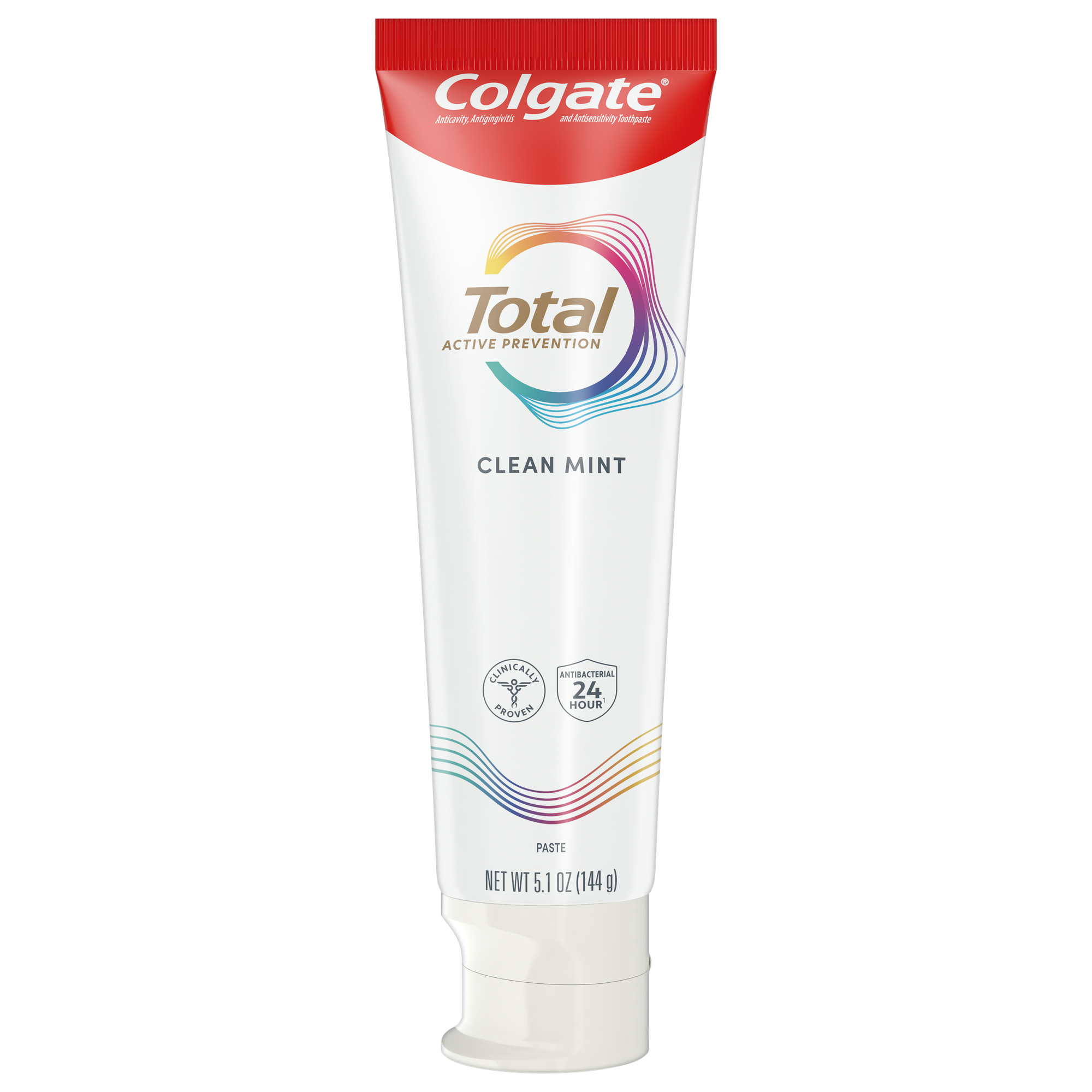
Colgate Total® Clean Mint Toothpaste fights bacteria, the root cause of many oral health issues such as gingivitis, tartar, sensitivity, weak enamel, bad breath, and cavities.
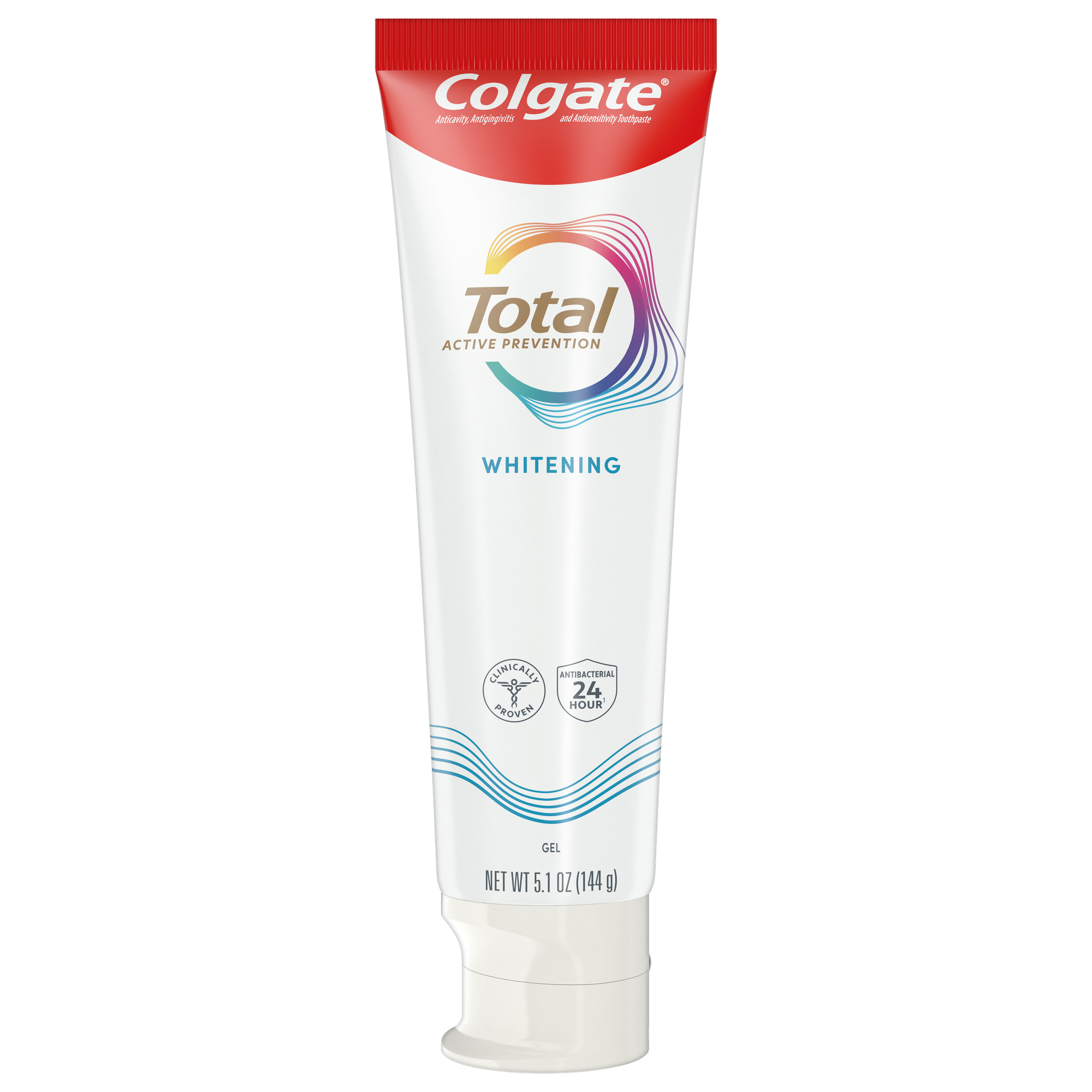
Colgate Total Whitening Gel Toothpaste fights bacteria, the root cause of many oral health issues such as gingivitis, tartar, sensitivity, weak enamel, bad breath, and cavities.
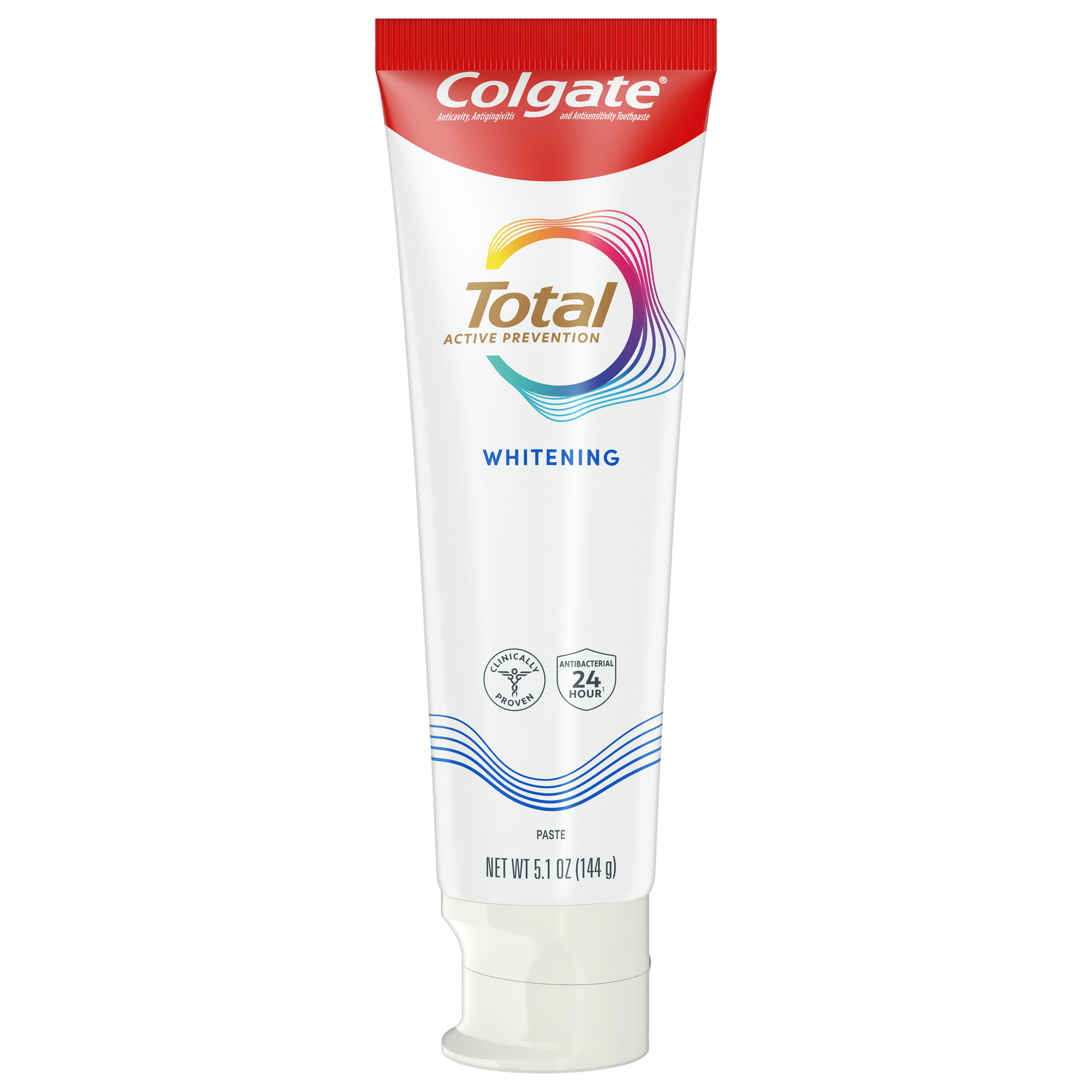
Colgate Total Whitening Toothpaste fights bacteria, the root cause of many oral health issues such as gingivitis, tartar, sensitivity, weak enamel, bad breath, and cavities.
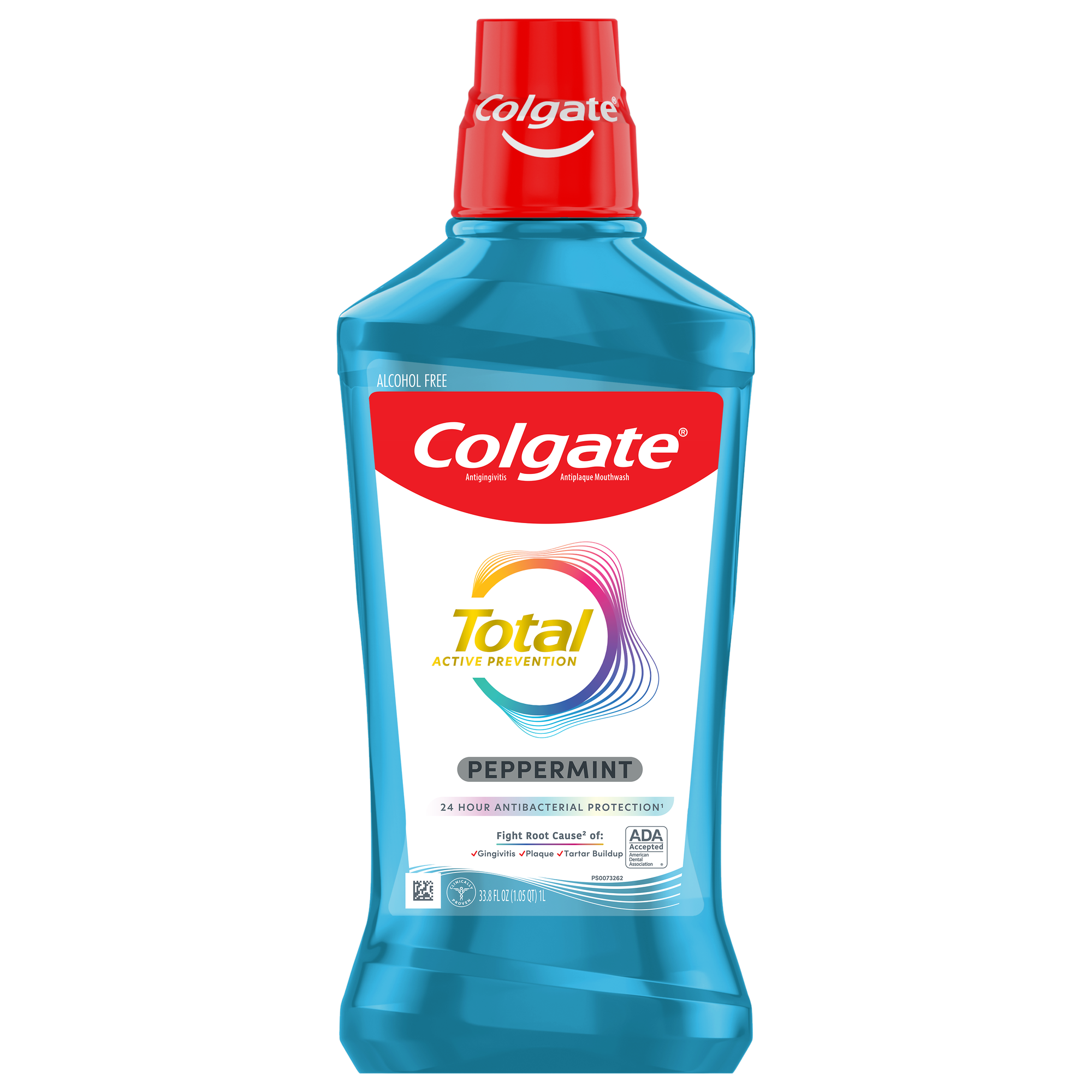
Colgate Total Alcohol Free* Peppermint Mouthwash delivers 24-hour protection** against bacteria.

