What a Proper Oral Hygiene Routine Actually Looks Like: The Ultimate Brushing & Flossing Guide
min read

What a Proper Oral Hygiene Routine Actually Looks Like: The Ultimate Brushing & Flossing Guide

A proper oral hygiene routine is built around five simple, consistent habits: brushing twice a day for two minutes with a fluoride toothpaste, flossing once a day, cleaning your tongue, using mouthwash if recommended, and seeing your dentist every six months. Get these fundamentals right, and you dramatically reduce your risk of cavities, gum disease, and bad breath. Below is a complete, step-by-step guide to building — and sticking to — a daily oral care routine that protects your teeth.
| Time of Day | Steps | Duration |
|---|---|---|
| Morning | Brush teeth (all surfaces + tongue); rinse with mouthwash if recommended by your dentist | ~2–3 minutes |
| Evening | Floss between all teeth; brush teeth (all surfaces + tongue); rinse with mouthwash if recommended by your dentist | ~4–5 minutes |
A consistent routine matters more than perfection on any single day. Plaque rebuilds every 24 hours, so daily repetition is what protects your teeth and gums.
Brushing removes the plaque and bacteria that constantly build up on your teeth and along the gumline. Left in place, plaque can contribute to cavities, tooth decay, and eventually periodontal disease. Follow these steps every time you brush:
Total time: 2-3 minutes. Set a timer or use an electric toothbrush with a built-in timer to make sure you're not cutting it short.
Flossing removes plaque and food particles from between teeth and below the gumline — areas a toothbrush simply cannot reach. Skipping it leaves nearly 40% of your tooth surfaces uncleaned.
Tip: Both waxed and unwaxed floss can effectively support your oral health, so choose whichever glides most comfortably between your teeth. Floss picks and water flossers are also convenient alternatives to traditional floss.
| Task | Recommended Frequency |
|---|---|
| Brushing | Twice daily, 2 minutes each session |
| Flossing | Once daily (ideally at night) |
| Mouthwash | Once or twice daily, between meals, if recommended by your dentist |
| Toothbrush replacement | Every 3 months or sooner if bristles appear worn or after illness |
| Dental checkup and cleaning | Every 6 months |
The American Dental Association (ADA) recommends a soft-bristled brush to protect enamel and gums while still removing plaque effectively. A small brush head also helps to reach tight spaces better, and an electric toothbrush can help those with limited manual dexterity or a tendency to brush too hard.
Fluoride toothpaste is essential for cavity protection. Beyond that, formulas exist for whitening, sensitivity, gum health, and tartar control. If you're unsure which is right for you, ask your dentist or hygienist at your next visit.
Yes. Overly vigorous brushing can cause enamel abrasion, gum recession, and increased sensitivity. Use light pressure, letting the bristles, not your force, do the work.
You're doing it right if the floss hugs the curve of each tooth (a C-shape, not a straight line) and reaches slightly below the gumline without snapping or forcing. Mild bleeding in the first week of a new flossing habit is common; persistent bleeding warrants a dentist visit.
Mouthwash isn't a substitute for brushing or flossing, but it can add protection — reducing bacteria, freshening breath, and in some formulas, strengthening enamel or supporting gum health. Ask your dental professional to see if a mouthwash can be beneficial for you.
Replace it every three months, or sooner if bristles appear worn, or immediately after a cold, flu, or other illness to avoid reinfection.
It includes brushing twice a day for two minutes, flossing once daily, cleaning your tongue, using mouthwash if recommended, and visiting your dentist every six months for checkups and cleanings.
Brush at a 45° angle along the gumline using gentle, short strokes on the outer, inner, and chewing surfaces of your teeth, then brush your tongue. Floss by curving the floss into a C-shape against each tooth, or by using an interdental flosser, and sliding it gently below the gumline.
Yes. Brushing cleans the front, back, and top surfaces of teeth, but floss is an effective tool for removing plaque from between teeth, where cavities and gum disease commonly start.
Either order works, but flossing before brushing can loosen debris so your toothpaste's fluoride reaches between teeth more effectively.
About two to three minutes in the morning and four to five minutes in the evening if flossing is included — a small daily investment for long-term dental health.
No. Mouthwash is a helpful addition for bacteria control and fresh breath, but it doesn't physically remove plaque the way brushing and flossing do.
It includes brushing twice a day for two minutes, flossing once daily, cleaning your tongue, using mouthwash if recommended, and visiting your dentist every six months for checkups and cleanings.
Brush at a 45° angle along the gumline using gentle, short strokes on the outer, inner, and chewing surfaces of your teeth, then brush your tongue. Floss by curving the floss into a C-shape against each tooth, or by using an interdental flosser, and sliding it gently below the gumline.
Yes. Brushing cleans the front, back, and top surfaces of teeth, but floss is an effective tool for removing plaque from between teeth, where cavities and gum disease commonly start.
Either order works, but flossing before brushing can loosen debris so your toothpaste's fluoride reaches between teeth more effectively.
About two to three minutes in the morning and four to five minutes in the evening if flossing is included — a small daily investment for long-term dental health.
No. Mouthwash is a helpful addition for bacteria control and fresh breath, but it doesn't physically remove plaque the way brushing and flossing do.
| Need | Product | Benefit |
|---|---|---|
| Sensitivity protection | Colgate Total Active Prevention Sensitivity Mineral Shield Toothpaste | Helps prevent sensitivity from day one with twice-daily use |
| Plaque & gum support | Colgate Total Active Prevention Plaque Cleanse Whitening Toothpaste Gel | Fights bacteria at the root cause of plaque, tartar, and gingivitis |
| Gum health rinse | Colgate Total Gum Health Mouthwash, Clean Mint | Alcohol-free, 24-hour protection against bacteria |
| Effective Electric Toothbrush | Colgate Total Battery Powered Toothbrush[1] | Built-in 2-minute timer with Sensitive and Regular cleaning modes |
| Manual Adult Toothbrush | Colgate Premier Clean Manual Toothbrush | Manual toothbrush for complete care with Circular Power bristles to remove surface stains |
| Kids’ Toothbrush (6+) | Colgate Kids 6-9 Years Soft Manual Toothbrush | Kids’ toothbrush for children who are starting to lose their baby teeth. |
| Kids’ Toothbrush (3-5) | Colgate Kids 3-5 Years Super Soft Toothbrush | Kids’ toothbrush with extra soft bristles and a small head for an effective, gentle clean |
| Kids’ Toothbrush (0-2) | Colgate Kids 0-2 Years Soft Manual Toothbrush | Kids’ toothbrush with extra soft bristles and a small head for effective, gentle cleaning |
A proper oral hygiene routine isn't complicated — it's consistently taking a few well-executed steps: brushing twice daily with correct technique, flossing once a day, using mouthwash if recommended, and replacing your tools on schedule. Pair this daily routine with regular dental checkups, and you're giving your teeth and gums the best possible defense against decay and disease.
This article is intended to promote understanding and knowledge about general oral health topics. It is not intended to be a substitute for professional advice, diagnosis or treatment. Always seek the advice of your dentist or other qualified healthcare provider with any questions you may have regarding a medical condition or treatment.
ORAL HEALTH QUIZ
Take our Oral Health assessment to get the most from your oral care routine
ORAL HEALTH QUIZ
Take our Oral Health assessment to get the most from your oral care routine

Discover if whitening toothpaste is right for you: understand its effectiveness and safety to choose the best product for your dental health.

Looking for a way to brighten your smile with teeth whitening? Learn more about both UV and blue light teeth whitening to decide which is the best option for you.

By: Mandy Dennis
Registered Dental Hygienist

A brighter smile can boost your confidence, consider a professional enamel microabrasion. Click here to learn more about enamel microabrasion with Colgate®.
Related Products
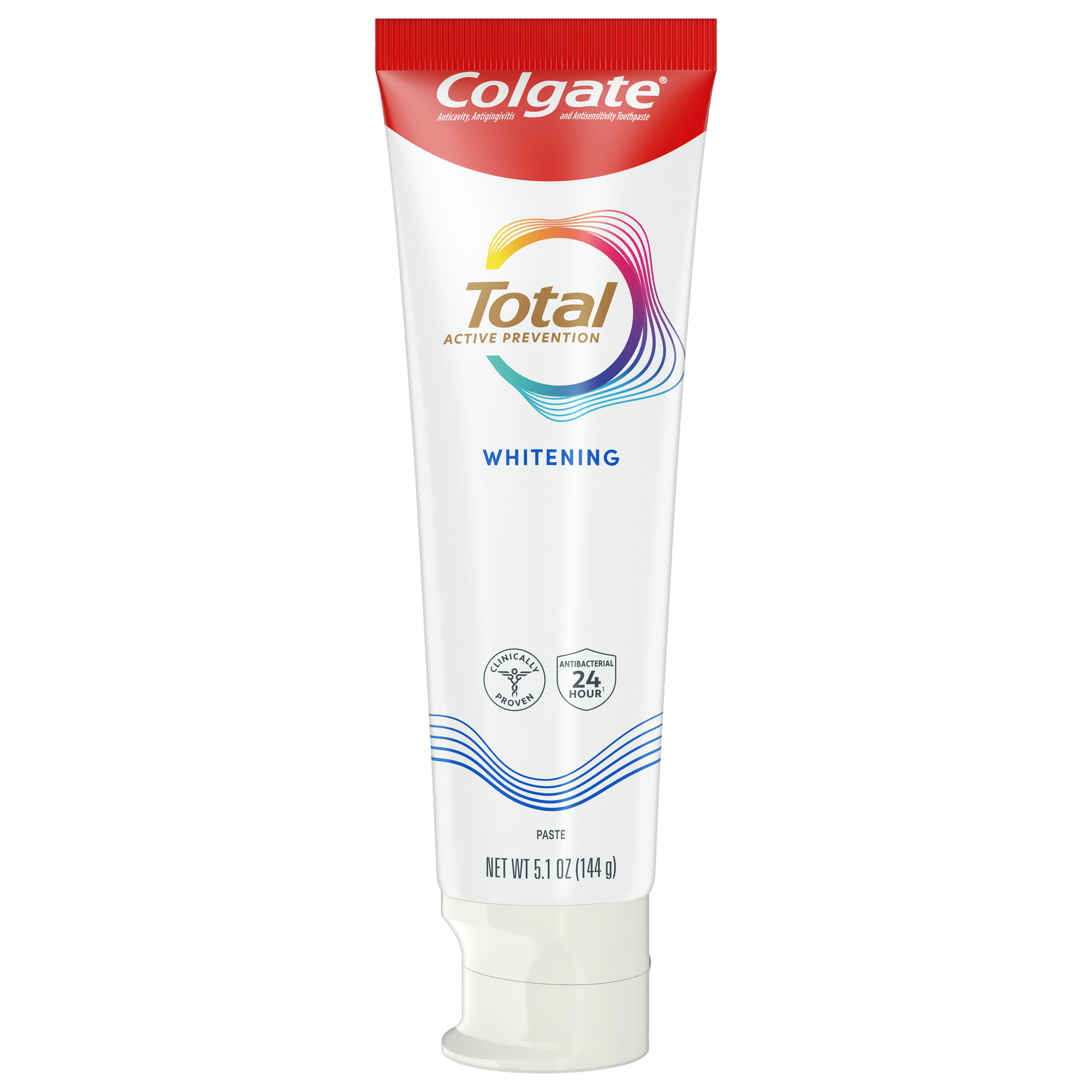
Colgate Total Whitening Toothpaste fights bacteria, the root cause of many oral health issues such as gingivitis, tartar, sensitivity, weak enamel, bad breath, and cavities.
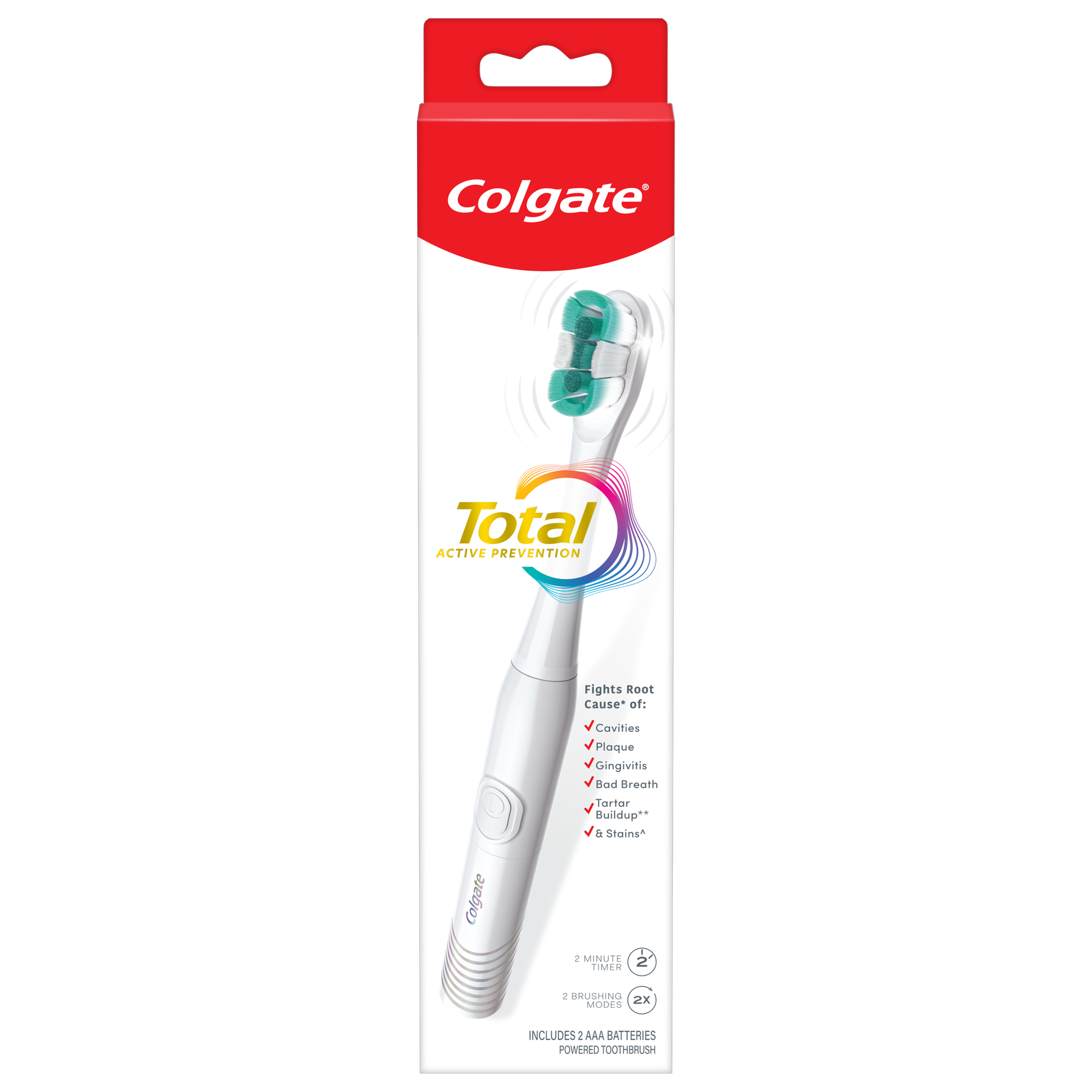
Colgate Total Active Prevention Battery Powered Electric Toothbrush, WhitePower away plaque with Colgate Total Battery Powered Toothbrush.
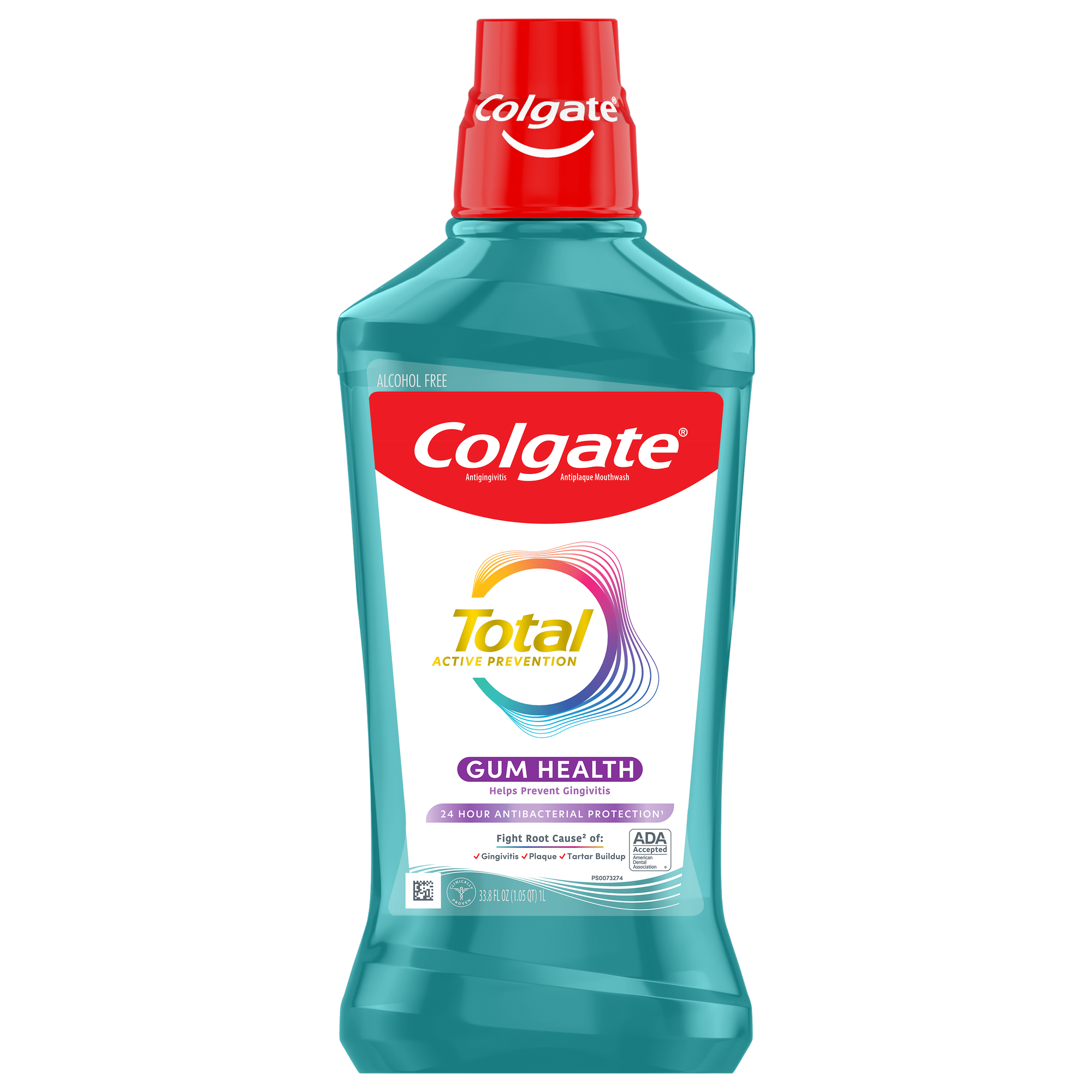
Colgate® Total® Alcohol Free* Gum Health Mouthwash delivers 24-hour protection** against bacteria and also helps prevent gum problems.
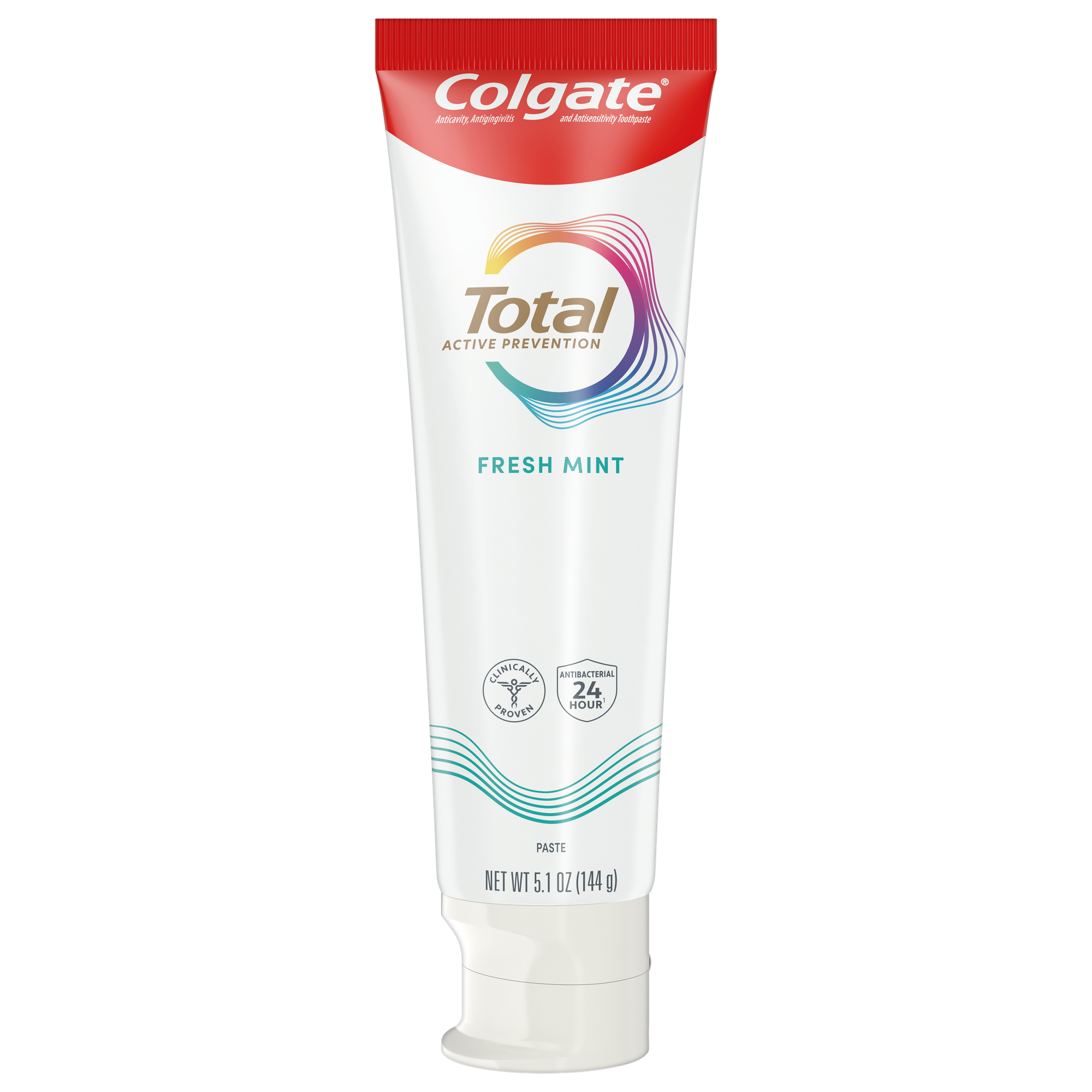
Colgate Total Fresh Mint Toothpaste fights bacteria, the root cause of many oral health issues such as gingivitis, tartar, sensitivity, weak enamel, bad breath, and cavities.

