What Are Sugary Drinks Doing to Your Teeth?
August 30, 2024.
3
min read


Sugary drinks, such as fruit juices and soft drinks, are definitely on this list. Although they are the go-to beverage for children everywhere, they are not the best choice. Drinking too much can cause a host of dental problems, including gum disease, tooth decay, dental cavities, and even bad breath.
Sugary drinks refer to any drink that contains sugar. These can be natural sugars such as lactose in milk, or fructose that is in freshly squeezed fruit juices or added sugars such as cane syrup, corn syrups, glucose, and fructose. Though natural sugars are best for overall health, drinks containing these types of sugars can still contribute to acids on teeth that break down the enamel. Children put to bed with bottles containing milk or sippy cups with fruit juice often develop tooth decay since the bacteria feeds on the natural sugars in these drinks. The worst offenders are drinks that combine sugar and are carbonated, such as soda. Sports drinks are also notoriously high in sugar and contribute to tooth decay.
It's widely known that regular consumption of sugary beverages is not good for you, but even the occasional indulgence can have negative effects on your oral health. When you have one of these drinks, the sugar latches on to your teeth. Bacteria that are normally found inside your mouth consume the sugar these drinks leave behind producing acid as a byproduct. Eventually, the acid begins to erode the enamel on your teeth. This makes the teeth thinner and weaker. As the enamel weakens, the likelihood of developing cavities becomes greater. Sugary drinks are known as one of the most common dietary causes of tooth decay.
The best way to minimize the tooth decay caused by consuming sugar drinks is to avoid them whenever possible. Consider other, healthier options to quench your family's thirst, such as water or milk. Natural fruit juices are another way to provide a bit of sweetness in a healthy way. However, make sure you are purchasing real fruit juices with a juice content higher than 10 percent. Cut the fruit juice with seltzer water to further minimize the amount of sugar your family is consuming. There are drinks that are sweetened with non sugar alternatives such as juices sweetened with stevia or xylitol which don’t contribute to tooth decay. Coffee and tea don’t contain sugar though they may stain teeth. The best drink for teeth and overall health is still water.
Once in a while If you or your family wish to indulge in sugary drinks, be sure to rinse with water afterwards. This will flush out any remaining sugar in the mouth. It's also a good idea to purchase toothpaste and mouthwash that contain fluoride. Fluoride helps to reduce cavities and strengthen tooth enamel, so it can help to reverse the damage caused by these drinks. Your dentist can also directly apply fluoride to your teeth, as well.
This article is intended to promote understanding of and knowledge about general oral health topics. It is not intended to be a substitute for professional advice, diagnosis or treatment. Always seek the advice of your dentist or other qualified healthcare provider with any questions you may have regarding a medical condition or treatment.
ORAL HEALTH QUIZ
Take our Oral Health assessment to get the most from your oral care routine

The key factor to stopping cavity formation is controlling the bacteria present in the mouth. Learn more about caries risk assessment here.
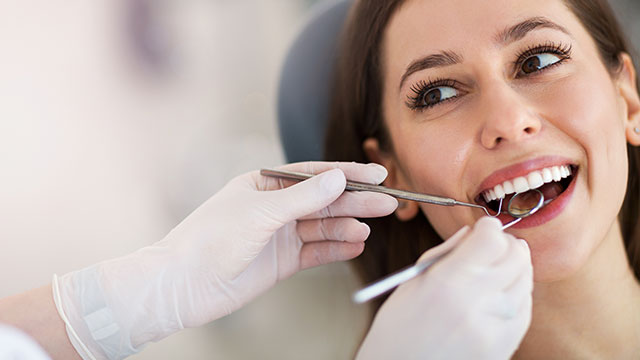
Do cavity fillings hurt? They shouldn't, although you can expect some tenderness and soreness during the first few days after you get a tooth filled.

Whenever food is consumed, the bacteria naturally found inside the mouth work to break it down, causing acid to develop. Read & learn more at Colgate.com.

Dental caries is the scientific term for cavities, and that cavities refer to areas of decay in teeth. Learn more about arrested caries at Colgate® Oral Care.
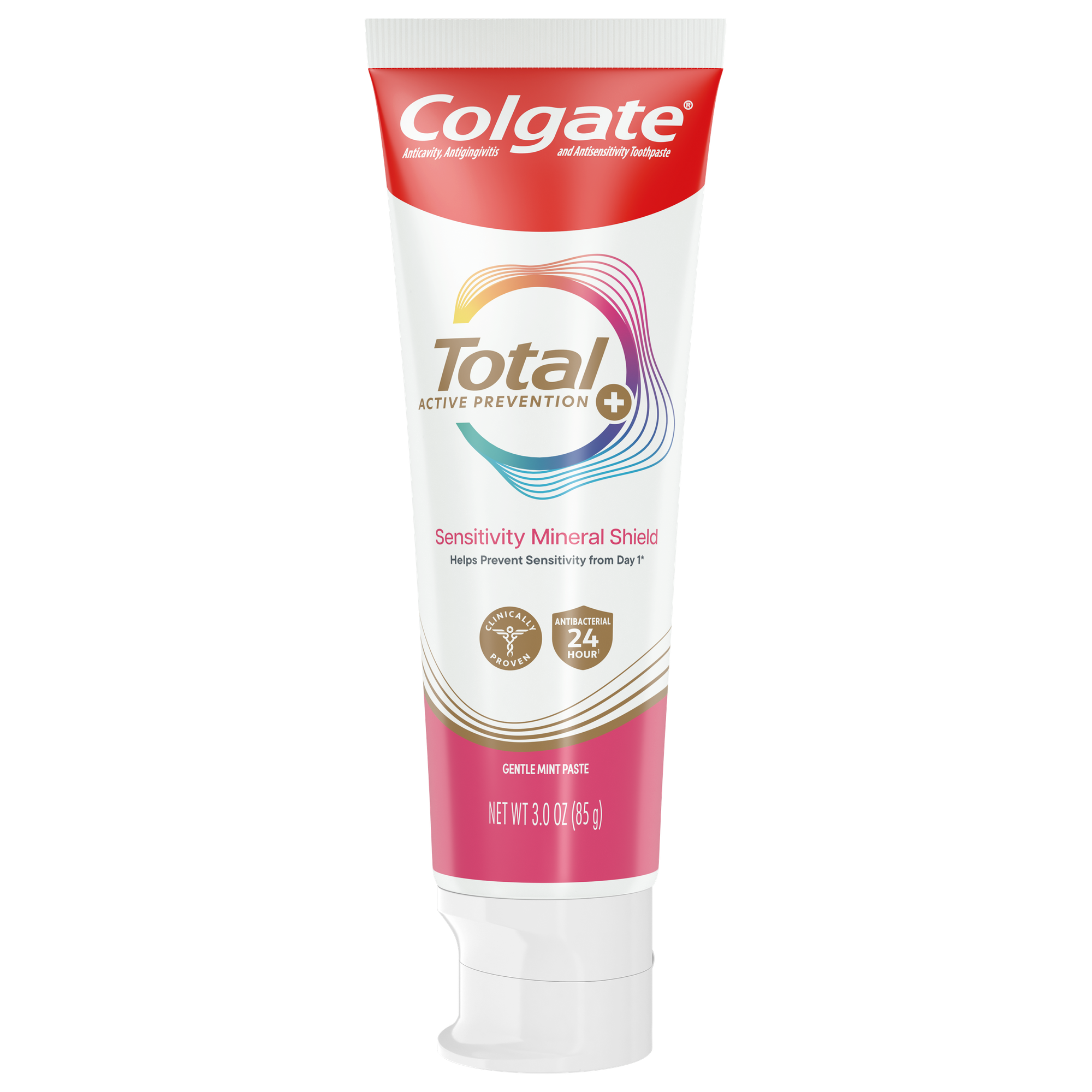
Help prevent sensitivity from day 1* with Colgate Total Active Prevention Sensitivity Mineral Shield Mint Toothpaste.
*with twice daily use
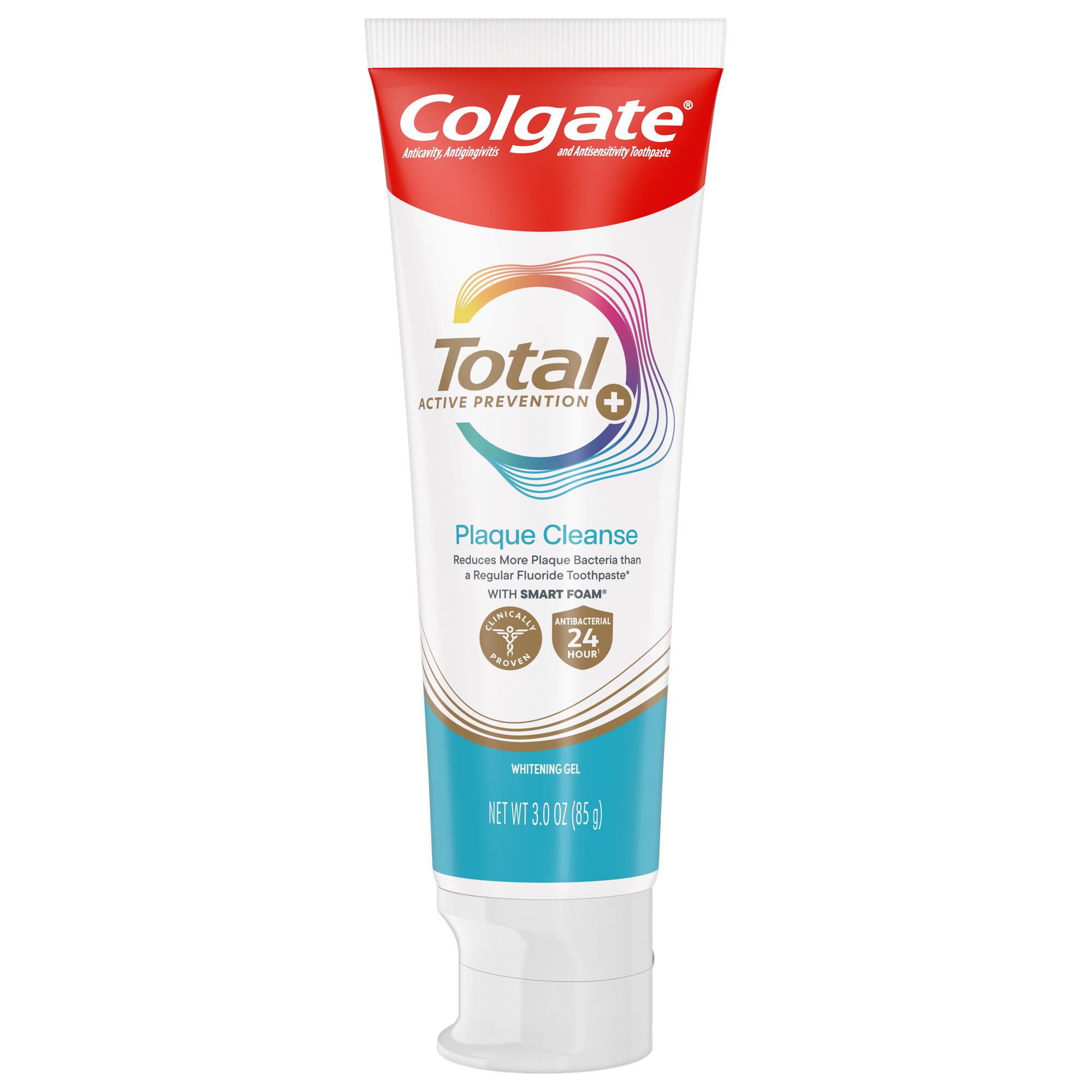
Help promote healthy gums using Colgate Total Active Prevention Plaque Cleanse Whitening Toothpaste Gel. This patented tartar prevention toothpaste fights the root cause* of gingivitis, plaque, tartar, cavities, sensitivity, bad breath, weak enamel, and stains and is 2x more effective*** at fighting bacteria, the root cause of oral health problems like cavities and gingivitis.
*via protection against bacteria and dietary exposures, with daily brushing
***via reduction of bacteria vs. non-antibacterial fluoride toothpaste with 2x daily brushing and 4 weeks use
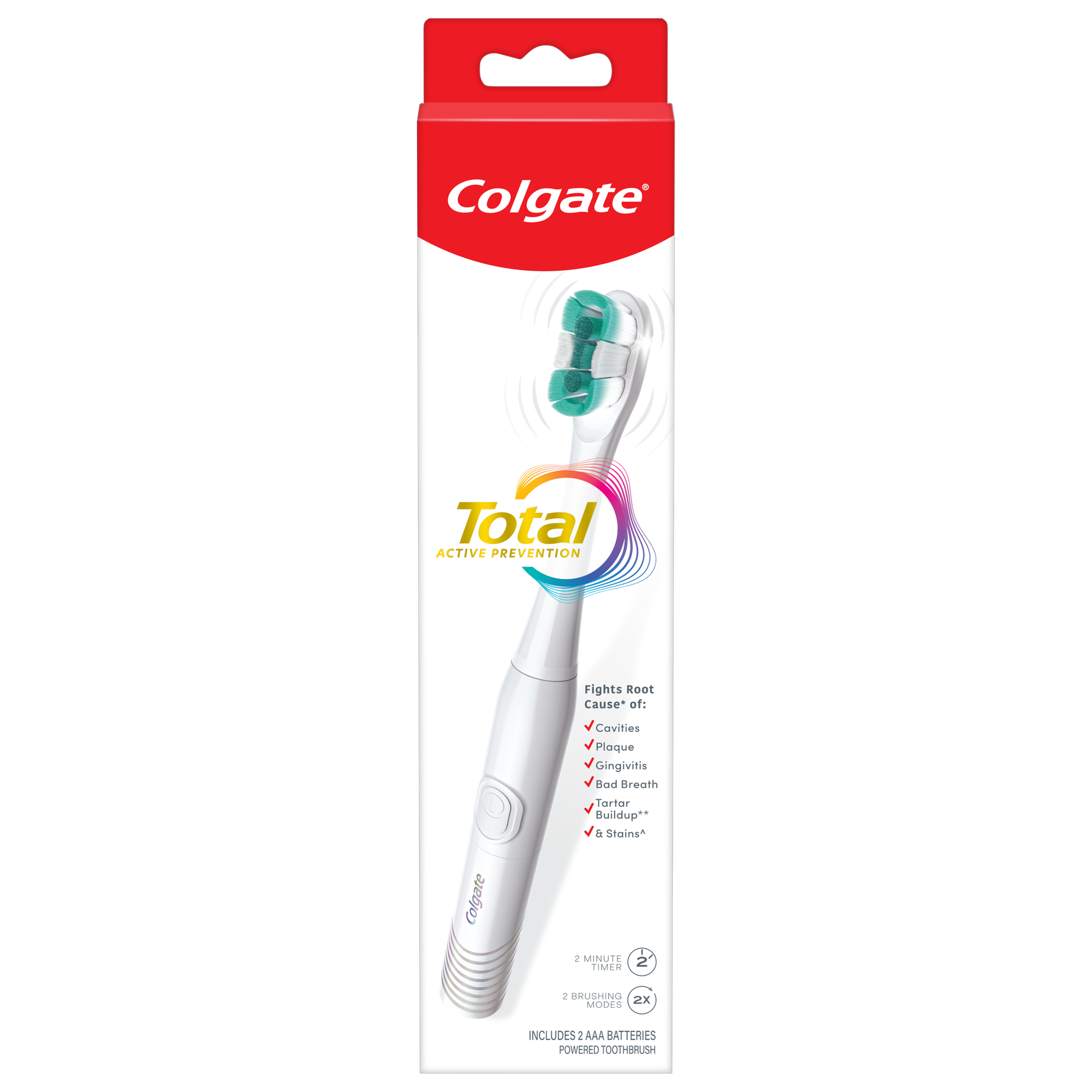
Colgate Total Active Prevention Battery Powered Electric Toothbrush, WhitePower away plaque with Colgate Total Battery Powered Toothbrush.
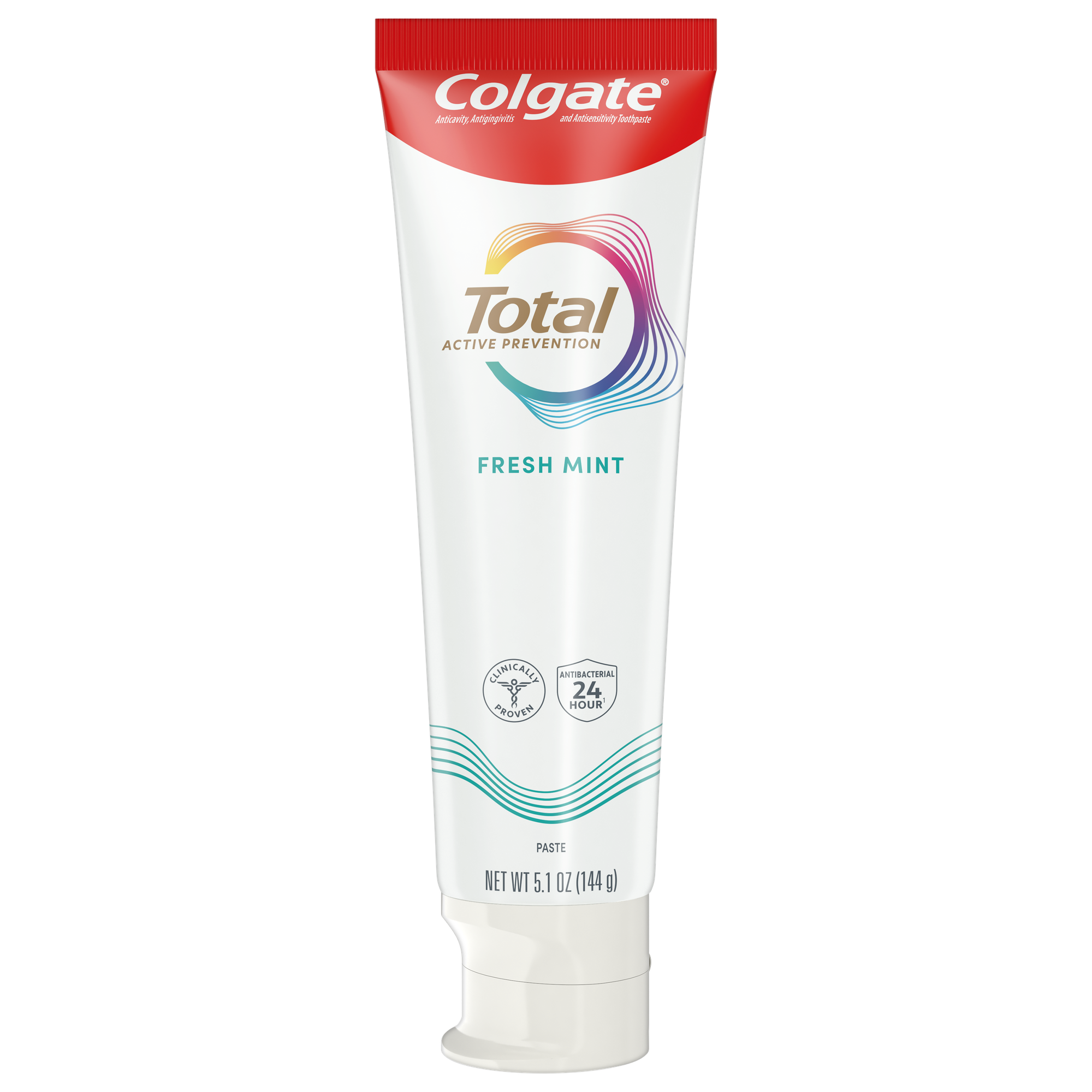
Colgate Total Fresh Mint Toothpaste fights bacteria, the root cause of many oral health issues such as gingivitis, tartar, sensitivity, weak enamel, bad breath, and cavities.


About Cookies on This Site

