Why Should You Use Rubber Bands With Braces?
January 9, 2023.
min read

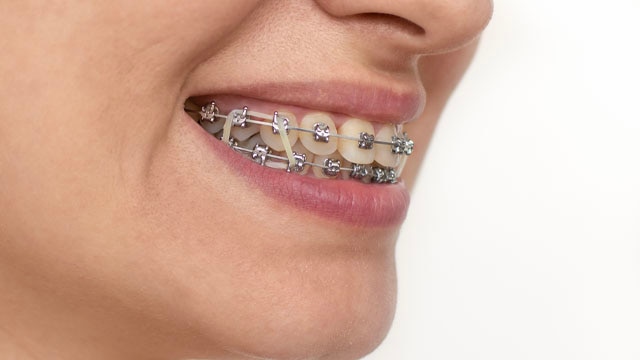
Before we chat about rubber bands and their function, it's essential to first look at braces, how they work, and where rubber bands fit into the whole system. Braces are the most common appliance used in orthodontic treatment. They have two main parts: brackets and wires. Wires move the teeth, while brackets are attached to the teeth and hold the wires. Sometimes, the wires on some braces are held in place by tiny rubber bands, or ligatures, that come in various fun colors—though these are different from the rubber bands we're talking about here.
So, where do the rubber bands come into play? The brackets and wires work together to put pressure on teeth to move them into the correct position over time gradually. Sometimes, your child's orthodontist may prescribe rubber bands, which attach to the braces on tiny hooks on the upper and lower brackets. The configuration will either be vertical or diagonal—and sometimes, your orthodontist may give you a hook tool for easy insertion.
There are two main benefits of using rubber bands with braces, which overlap, in a sense. The main advantage of rubber bands is that they can help provide extra force to move teeth into positions that braces cannot do independently. They're like an additional tool that helps create more precise tension and pressure. The second benefit of rubber bands is that they might help speed up the alignment process, which means your child can get to a bright, confident smile even sooner.
When it comes to orthodontics as a whole, the benefits of braces are not just for looks—in fact, proper orthodontic treatment can improve your child or teenager's bite and can help improve their speech. Plus, straight teeth are also less prone to decay, gum disease, and injury. When it does come to looks, though, a straighter smile can aid in self-confidence. While there will be an adjustment period, braces are a win-win for oral health, appearance, and self-esteem.
Maintaining your oral care while having rubber bands takes a little planning—the rubber bands will need to be removed during meals, brushing and flossing, and replaced daily. Further, your child's orthodontist will likely recommend staying away from hard, sticky, and crunchy foods as well as soft or acidic drinks. Your orthodontist should provide you with everything you need to know about having the healthiest oral hygiene while using rubber bands.
Not every child or teenager with braces needs rubber bands, as it depends on your child's teeth and jaw alignment. But if your orthodontist recommends them, you and your child don't need to worry. While having rubber bands in your mouth may seem daunting or uncomfortable, they're easy to insert, remove and, above all, help align your child's teeth aligned so that they can have more confident smiles faster.
ORAL HEALTH QUIZ
Take our Oral Health assessment to get the most from your oral care routine
ORAL HEALTH QUIZ
Take our Oral Health assessment to get the most from your oral care routine

Teeth shifting out of alignment can occur for several reasons other than when braces are removed. Learn more about preventative tips for teeth shifting.

The use of at-home braces is a newer concept in dentistry that has many in the profession concerned. Learn more about at home braces and the risks, here.

Tooth wax, also called dental wax, is a soft material that can be used to temporarily cover sharp surfaces inside your mouth.

You can use retainers, teeth whitening procedures, contouring and teeth reshaping after braces come off to perfect your smile.
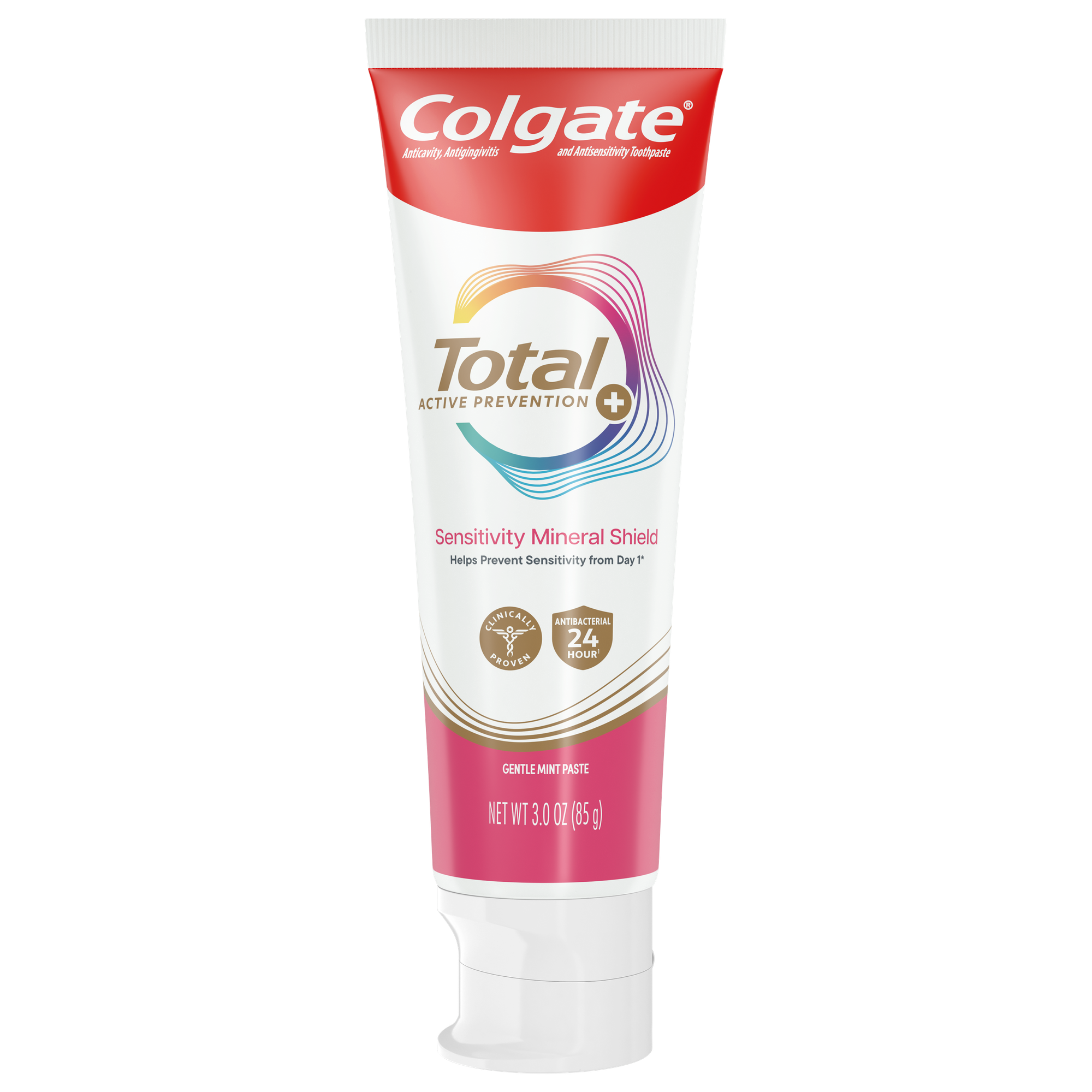
Help prevent sensitivity from day 1* with Colgate Total Active Prevention Sensitivity Mineral Shield Mint Toothpaste.
*with twice daily use
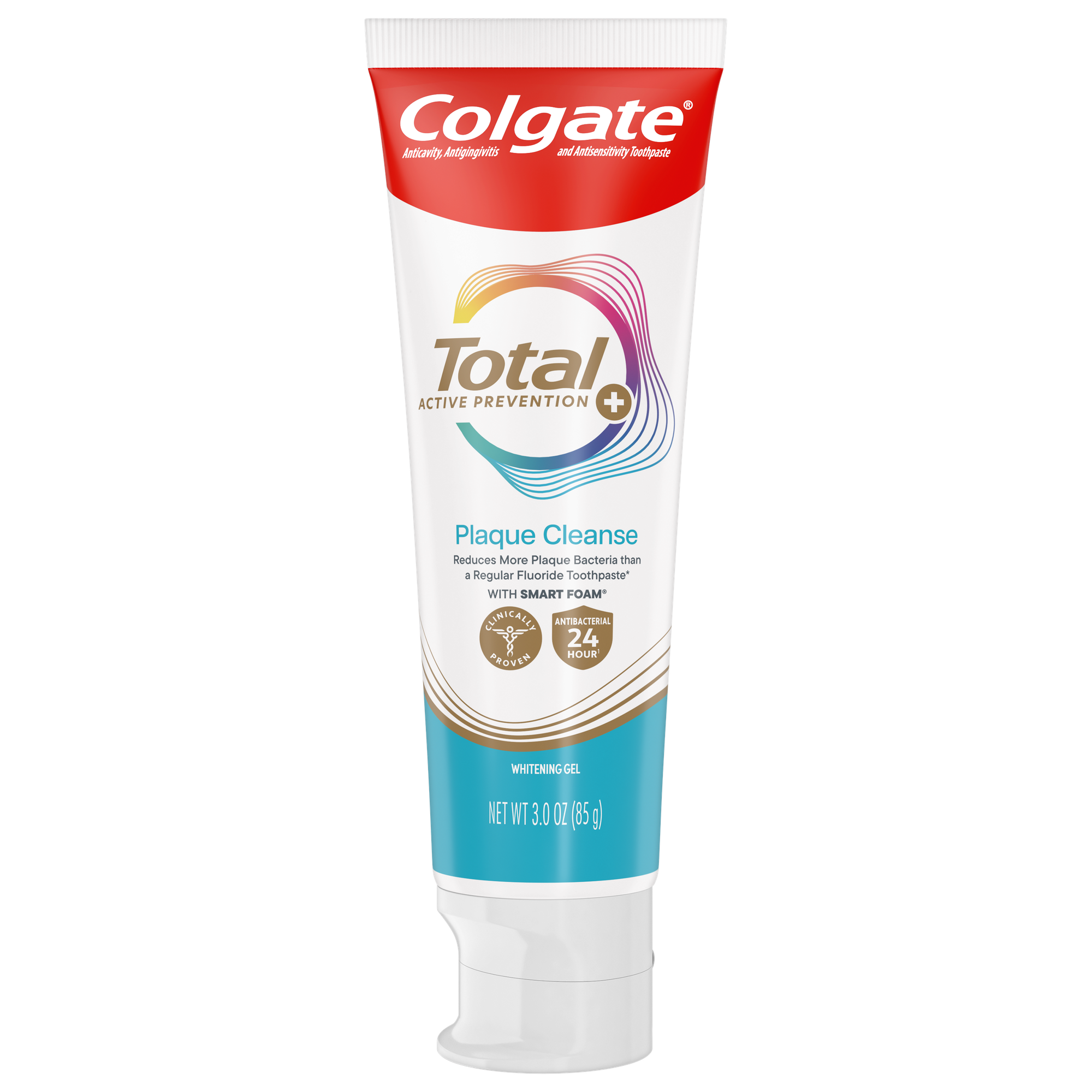
Help promote healthy gums using Colgate Total Active Prevention Plaque Cleanse Whitening Toothpaste Gel. This patented tartar prevention toothpaste fights the root cause* of gingivitis, plaque, tartar, cavities, sensitivity, bad breath, weak enamel, and stains and is 2x more effective*** at fighting bacteria, the root cause of oral health problems like cavities and gingivitis.
*via protection against bacteria and dietary exposures, with daily brushing
***via reduction of bacteria vs. non-antibacterial fluoride toothpaste with 2x daily brushing and 4 weeks use
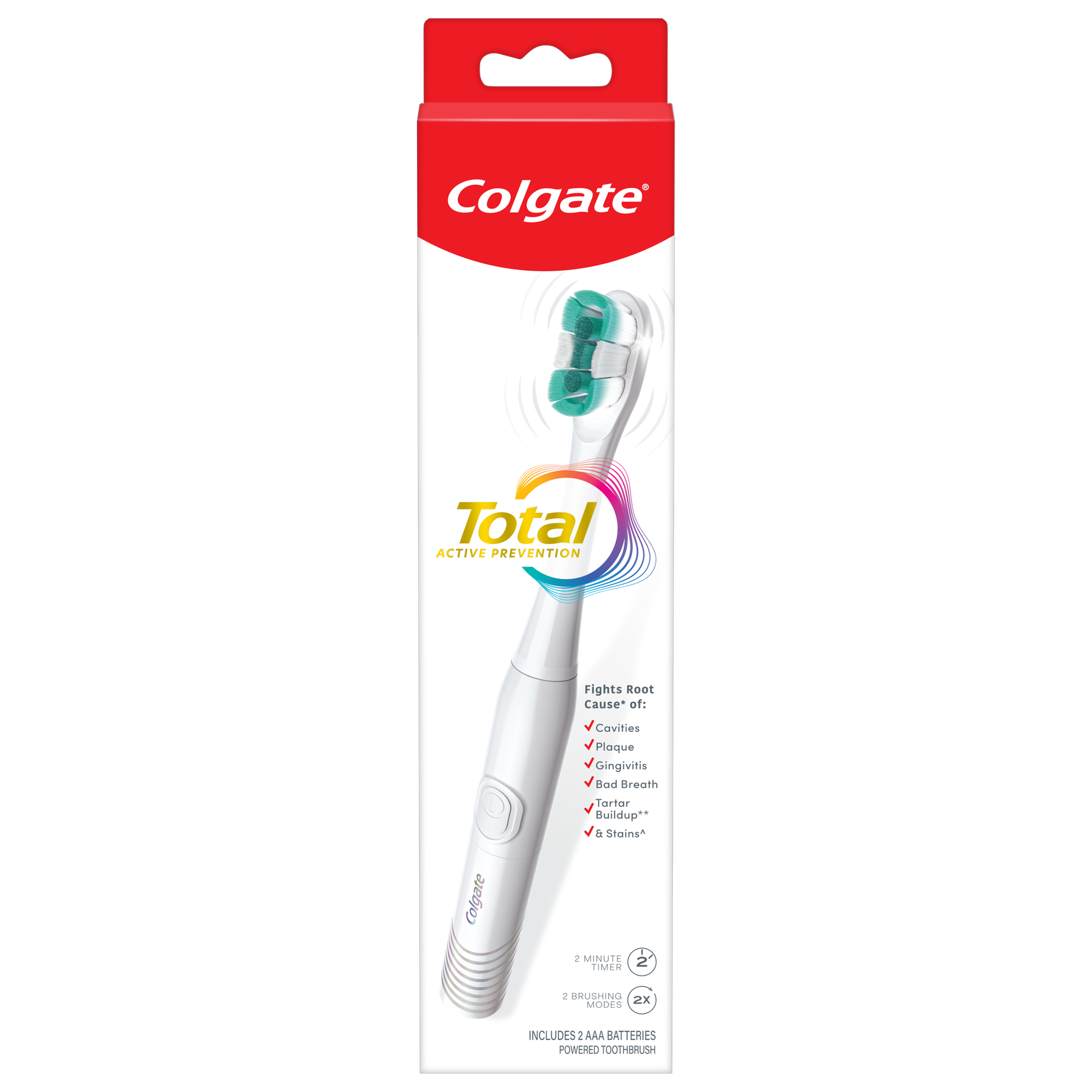
Colgate Total Active Prevention Battery Powered Electric Toothbrush, WhitePower away plaque with Colgate Total Battery Powered Toothbrush.
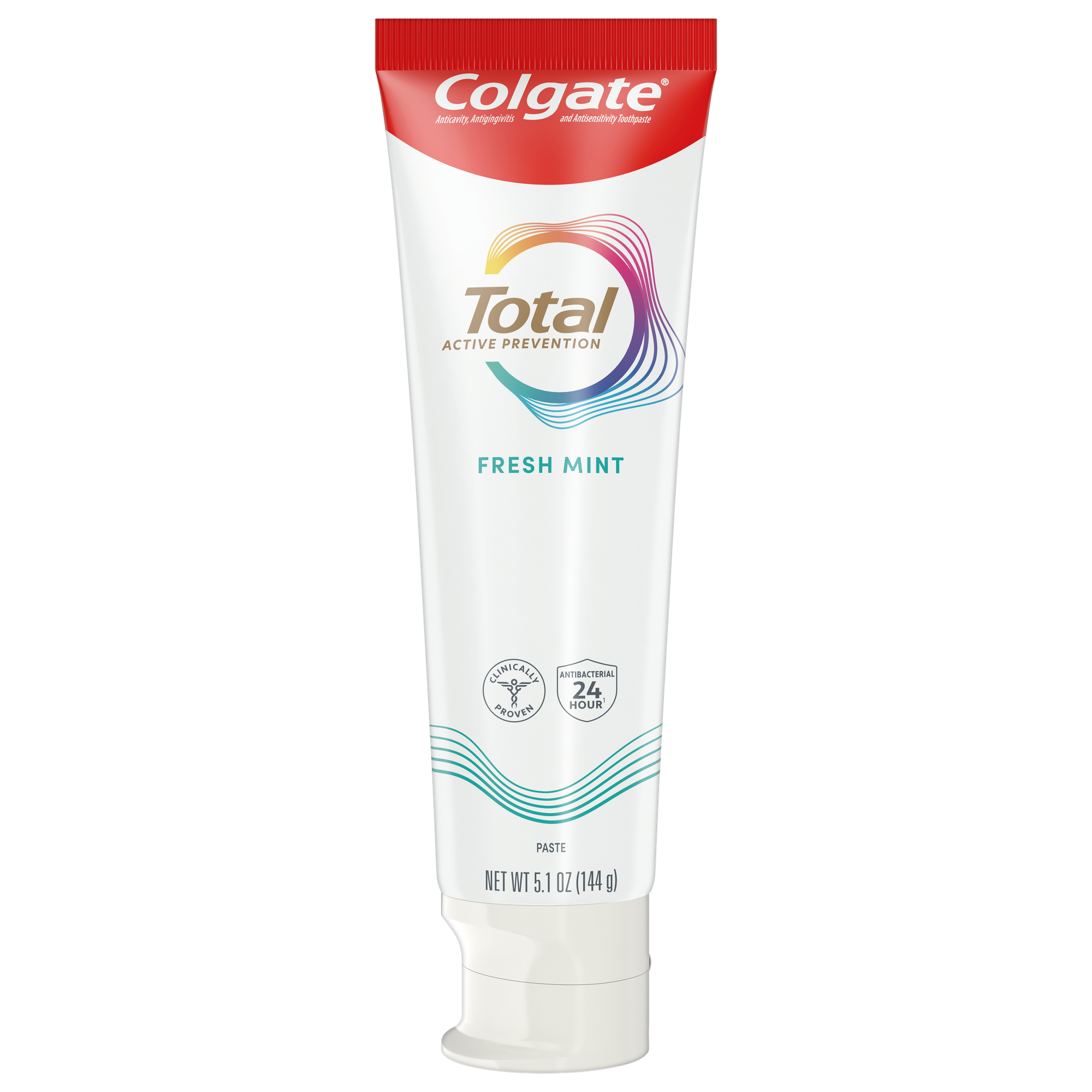
Colgate Total Fresh Mint Toothpaste fights bacteria, the root cause of many oral health issues such as gingivitis, tartar, sensitivity, weak enamel, bad breath, and cavities.

