How To Use Wax for Braces
March 9, 2023.
3
min read

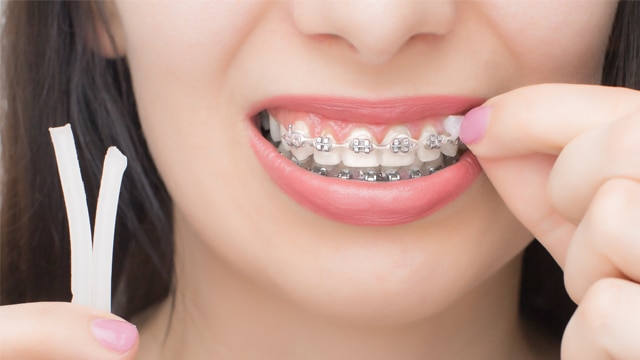
Dental wax is made from natural waxes and sometimes contains a few extra ingredients for texture and flavor, like mint. Some dental wax products are made from beeswax or carnauba wax, while others are made from microcrystalline or paraffin wax1 derived from petroleum. What’s important to note is that orthodontic wax is natural and safe to have in your mouth. According to the Canadian Association of Orthodontists, it's entirely normal for patients to accidentally eat a little wax if it falls off while speaking or chewing.
The unique properties of dental wax make it perfect for protecting your gums from the metal edges of braces. The wax is solid at room temperature but can be softened and shaped by the warmth of your hands. When smoothed onto the braces that irritate, it sticks to them and creates a buffer between the brackets and the gums. Dental wax remains smooth while in the mouth and harmlessly flakes away or peels off as it breaks down.
Whether you're protecting your gums from new braces or sticking down a piece of protruding wire, the procedure for applying dental wax is the same:
Keep in mind, if your wire continues to protrude or become out of place, contact your orthodontist so that they can adjust it. If you run out of dental wax, you can buy more at a pharmacy. You can use an interdental stick or floss to remove it, but take care not to damage your braces or gums.
As far as how long dental wax should stay in place, you can wear it overnight and replace the wax as needed, though you should replace it every two days. While you can eat and drink with wax, you should remove it if food becomes stuck or the wax gets dirty.
You can remove the wax and then brush your teeth and make sure you clean the hard-to-reach areas of the mouth. Brush twice a day, and use your floss or interdental cleaning device to clean between the teeth. Rinse with a mouthrinse with fluoride to strengthen the teeth while wearing braces.
Many people get braces—and while sometimes unpleasant, they’re an essential tool in helping you achieve a confident, straight smile. Dental wax is safe, natural, and helpful during those unpleasant times when wires become loose or you experience irritation, and can make your braces experience less uncomfortable. If you need assistance applying dental wax, ask your orthodontist to show you. Otherwise, know that you have a simple tool on hand that can improve your braces experience.
References
1. Carmel Industries Blog "Uses and Application of Orthodontic Wax"
Oral Care Center articles are reviewed by an oral health medical professional. This information is for educational purposes only. This content is not intended to be a substitute for professional medical advice, diagnosis or treatment. Always seek the advice of your dentist, physician or other qualified healthcare provider.
ORAL HEALTH QUIZ
Take our Oral Health assessment to get the most from your oral care routine

The arrival of permanent teeth is an exciting time for kids and parents. But what if they appear discolored when they come in? Here's what to know.
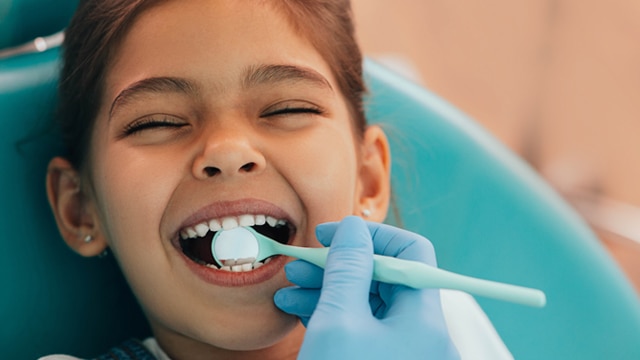
Is a palate expander necessary? Is it painful? What does it do? Find out more about how this treatment can help guide the growth of your child's mouth.

Upper jaw expansion is a form of orthodontic treatment that is used in specific cases. There are numerous benefits depending on a patient's age and need.

By: Mandy Dennis
Registered Dental Hygienist
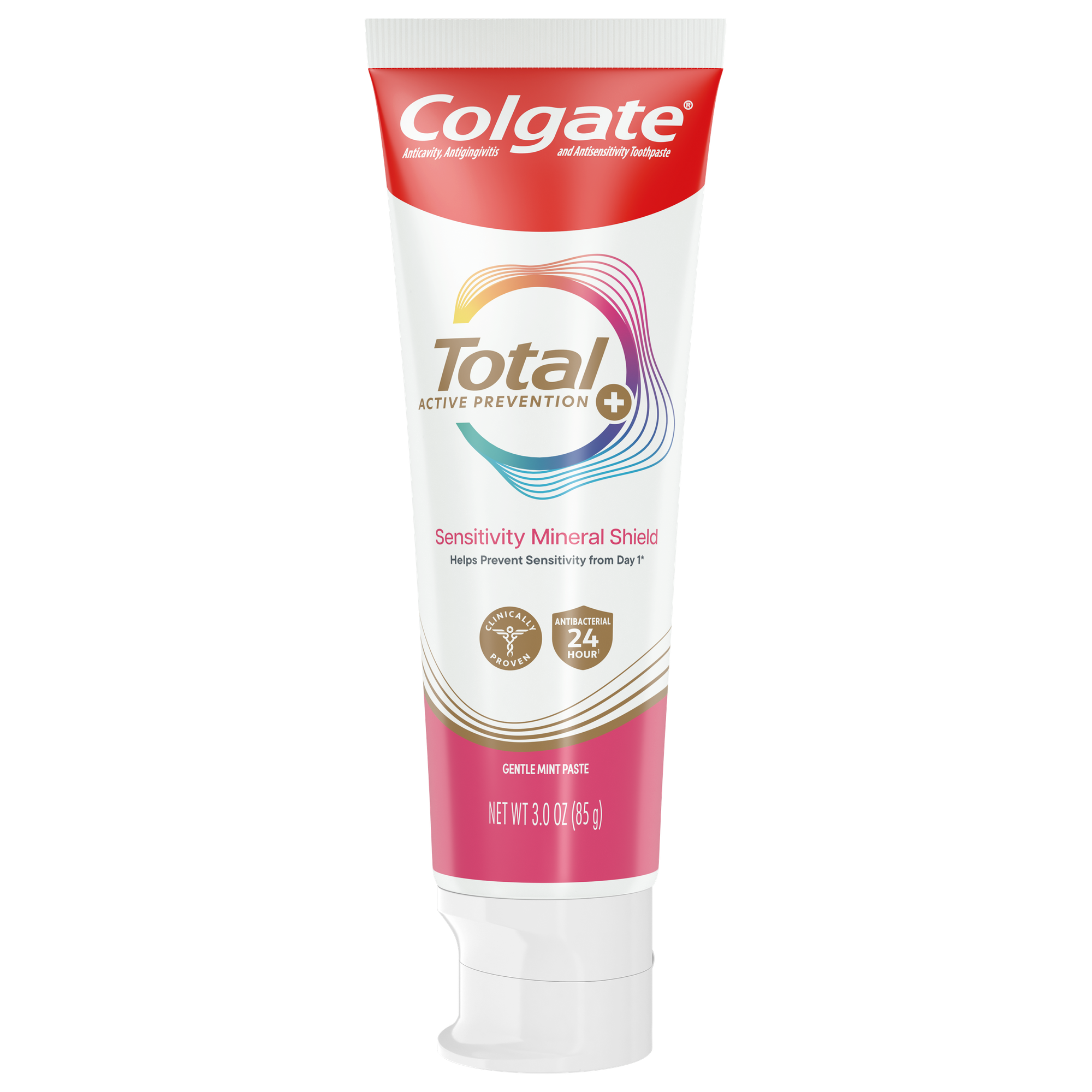
Help prevent sensitivity from day 1* with Colgate Total Active Prevention Sensitivity Mineral Shield Mint Toothpaste.
*with twice daily use
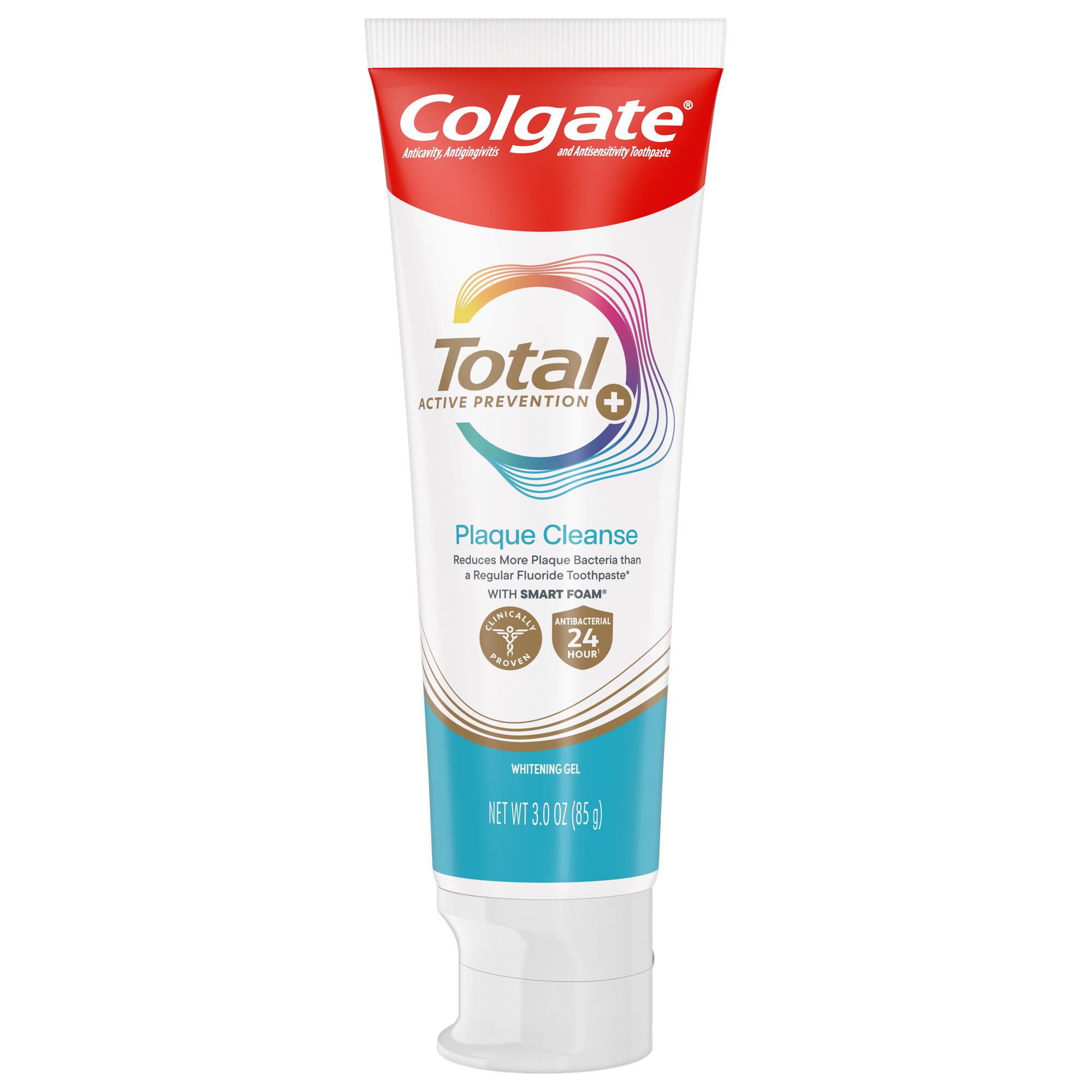
Help promote healthy gums using Colgate Total Active Prevention Plaque Cleanse Whitening Toothpaste Gel. This patented tartar prevention toothpaste fights the root cause* of gingivitis, plaque, tartar, cavities, sensitivity, bad breath, weak enamel, and stains and is 2x more effective*** at fighting bacteria, the root cause of oral health problems like cavities and gingivitis.
*via protection against bacteria and dietary exposures, with daily brushing
***via reduction of bacteria vs. non-antibacterial fluoride toothpaste with 2x daily brushing and 4 weeks use
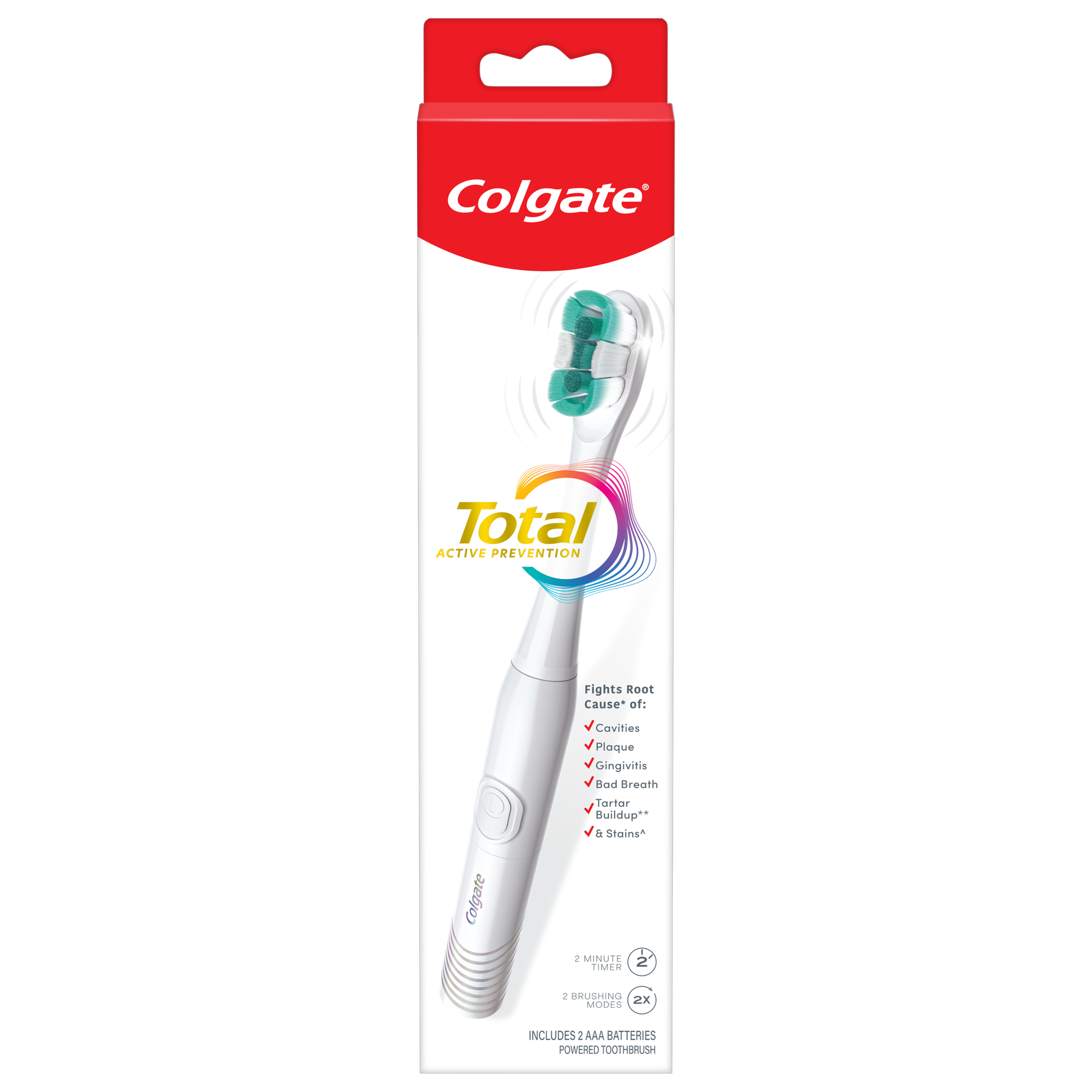
Colgate Total Active Prevention Battery Powered Electric Toothbrush, WhitePower away plaque with Colgate Total Battery Powered Toothbrush.
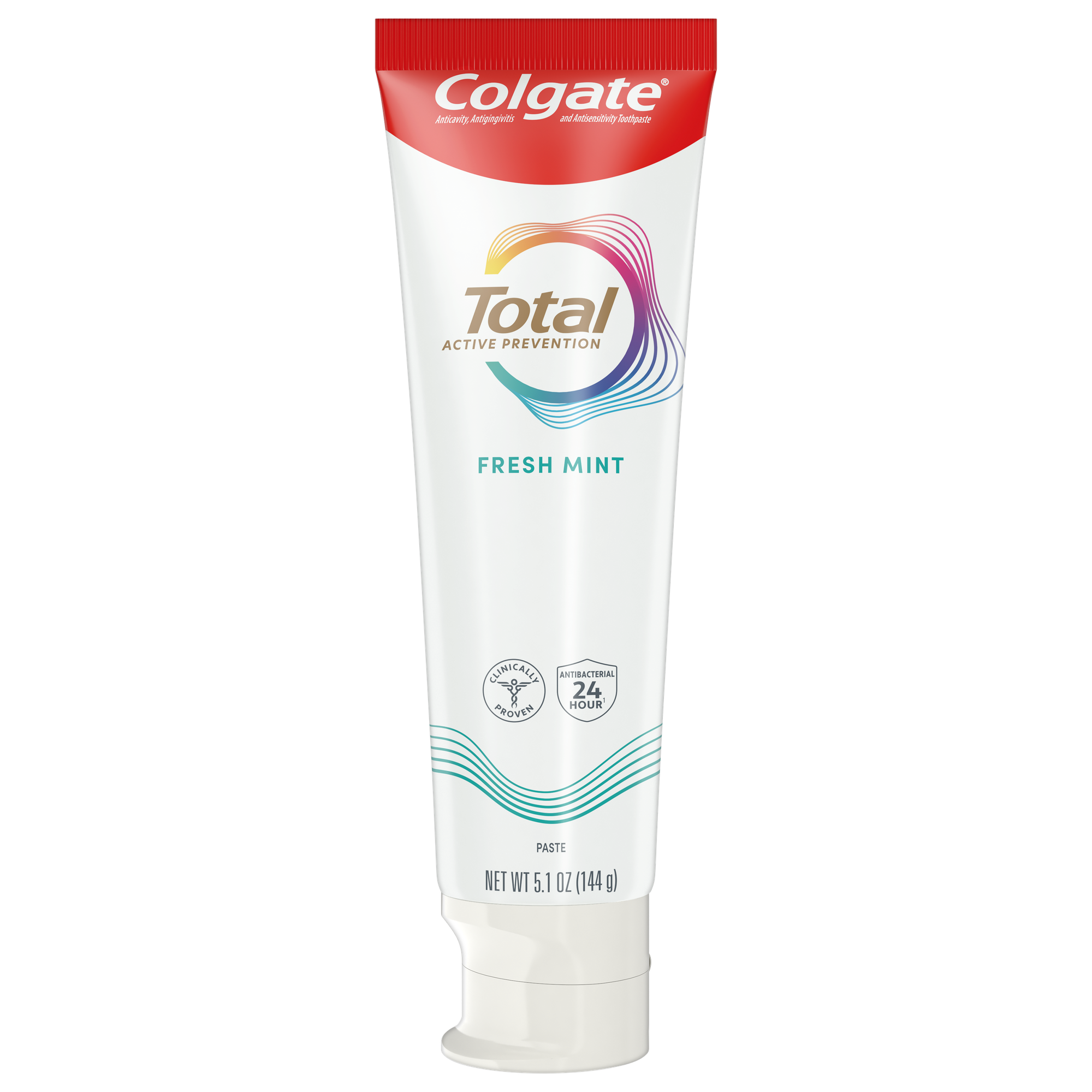
Colgate Total Fresh Mint Toothpaste fights bacteria, the root cause of many oral health issues such as gingivitis, tartar, sensitivity, weak enamel, bad breath, and cavities.


About Cookies on This Site

