Why GLP-1 Can Leave a Bad Taste in Your Mouth and What Helps
min read

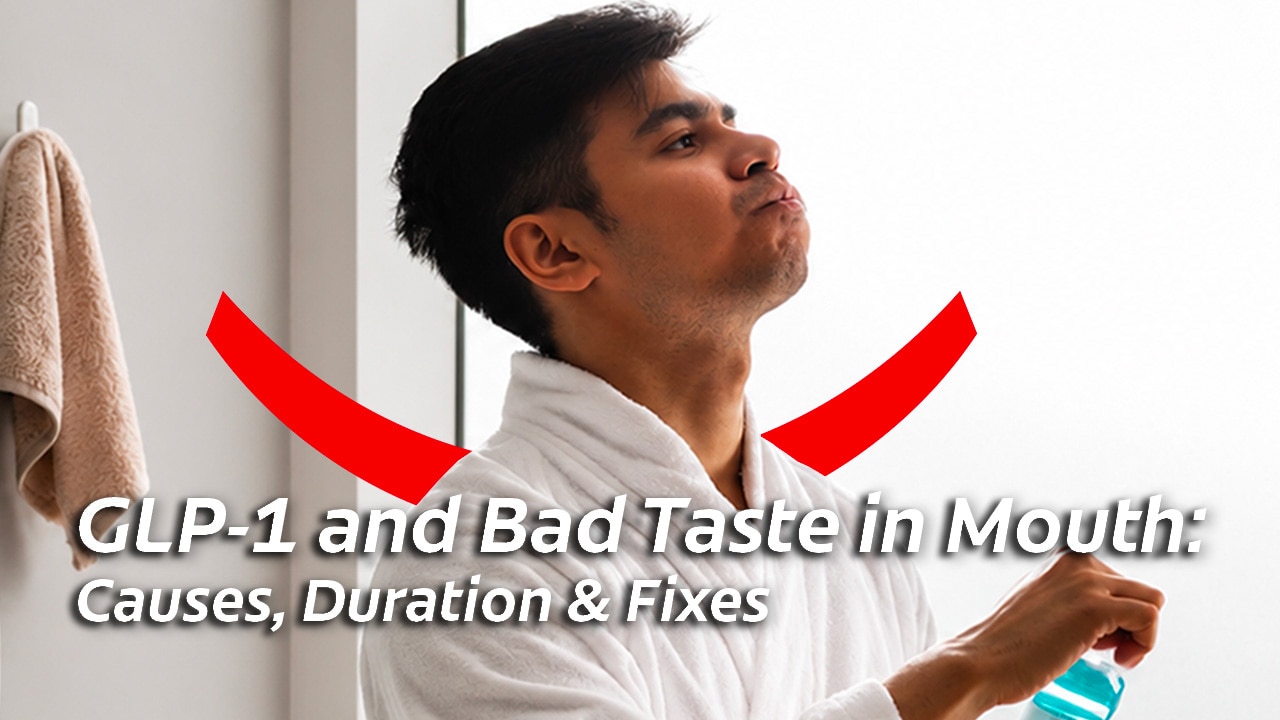
GLP-1 receptor agonists can cause dysgeusia — a metallic, bitter, salty, or sour taste — in a clinically documented subset of users..
The phenomenon is sometimes called "GLP-1 tongue". It is linked to at least three mechanisms: GLP-1 receptors present in taste bud cells, delayed gastric emptying leading to acid reflux, and reduced saliva production (xerostomia).
Dysgeusia typically appears within 2–4 weeks of starting treatment and often resolves within 4–8 weeks as the body adjusts to the medication.
Brushing twice daily with fluoride toothpaste, staying well hydrated, using an alcohol-free mouthwash, and chewing sugar-free gum are the first-line oral hygiene strategies to manage this symptom.
Taste changes persisting beyond 12 weeks, or accompanied by severe abdominal pain or vomiting, require medical consultation.
GLP-1 receptor agonists — including semaglutide and tirzepatide — can cause a bad taste in the mouth, clinically termed dysgeusia. This side effect affects a minority of users, typically appears within the first 2–4 weeks of treatment, and often resolves within 4–8 weeks with adequate hydration and consistent oral hygiene.
If you've started a GLP-1 medication and noticed a persistent metallic, bitter, or unpleasant taste that seems to linger no matter what you eat or drink, you're not imagining it. The term "GLP-1 tongue" is an informal label that originated on social media and has since been picked up by medical media outlets to describe a very real phenomenon that clinicians are increasingly seeing in their practices. Medically, this experience corresponds to dysgeusia — sometimes also called parageusia — a taste disorder defined as a persistent altered taste sensation (metallic, bitter, salty, sour, or rancid) that is unrelated to anything you've recently consumed.
According to pharmacovigilance data, dysgeusia is listed as an uncommon side effect in the prescribing information for oral semaglutide, affecting fewer than 1 in 100 users. For injectable forms, taste disturbances are not listed among the most frequently reported side effects in core clinical trials, but post-marketing surveillance and independent studies suggest that between 0.4% and 6% of patients experience some form of altered taste perception, depending on the methodology used to assess it. Importantly, this GLP-1 taste side effect is now recognized by professional bodies including the American Dental Association (ADA), with clinicians such as Tricia Quartey, D.M.D., highlighting it as part of a broader oral health conversation that patients and dentists need to have openly.
Dysgeusia (also called parageusia) is a taste disorder defined as a persistent foul, metallic, salty, rancid, or sour taste sensation unrelated to food consumed. It can result from medications, nutritional deficiencies, oral conditions, or systemic disease. When associated with GLP-1 receptor agonists, it is informally termed "GLP-1 tongue."
Understanding why GLP-1 medications produce taste changes requires looking at several interconnected biological pathways. This is not a one-dimensional side effect with a single root cause — it is a multifactorial phenomenon, which is precisely why it can feel frustratingly persistent. A landmark study published in Physiology & Behavior (2024) demonstrated for the first time that GLP-1 receptor agonists significantly alter the perception of all five basic taste qualities — sweet, sour, salty, bitter, and umami — in tested subjects using the Waterless Empirical Taste Test (WETT®). Three primary mechanisms are currently supported by scientific evidence.
The most direct — and scientifically compelling — explanation starts right in your mouth. Preclinical studies have established that GLP-1 is actually synthesized locally within taste bud cells, and that GLP-1 receptors (GLP-1R) are expressed on the gustatory nerves that run adjacent to those cells. This means the receptors targeted by medications like semaglutide are not confined to the pancreas or the gut — they exist within the very structures responsible for detecting flavor.
When semaglutide binds to these receptors, it can alter the paracrine signaling involved in gustatory transduction, particularly the perception of sweetness, which is strongly modulated by GLP-1 in preclinical models. Because the five taste qualities are neurologically interlinked, disruption in one pathway can cascade into a broader altered taste perception. Critically, this mechanism is entirely independent of anything happening in your digestive system. It means that a metallic or bitter taste can occur in users who experience no nausea or reflux whatsoever, and that this pathway is likely shared across all GLP-1 receptor agonists, not just semaglutide.
One of the primary therapeutic mechanisms of GLP-1 receptor agonists is slowing gastric emptying — the rate at which food leaves the stomach and enters the small intestine. This is intentional to prolong the feeling of fullness and help regulate blood sugar levels. However, this same effect creates an oral health consequence that many patients don't anticipate.
When food remains in the stomach longer than usual, it creates ideal conditions for bacterial fermentation. This fermentation process generates volatile sulfur compounds (VSCs) — the same family of gases responsible for bad breath in general. These sulfurous compounds travel upward via belching, creating a sulfurous or unpleasant taste in the mouth. Additionally, slowed gastric emptying increases the likelihood of gastroesophageal reflux (GERD), which exposes the oral mucosa and taste bud cells directly to gastric acid. At a pH below 2, stomach acid can meaningfully alter the chemical environment in which taste receptors operate, producing a persistent sour or bitter sensation. Patients who already have a history of GERD before starting a GLP-1 medication are at heightened risk for this particular pathway.
The third mechanism bridges the pharmacology of GLP-1 drugs directly to the oral environment A mechanistic review published in Biology (November 2025) highlighted evidence that semaglutide can disrupt salivary gland function through prolonged activation of GLP-1 receptors present on those glands.
Because semaglutide has an exceptionally high affinity for albumin binding, it maintains an unusually sustained activation of salivary GLP-1 receptors. Over time, this persistent stimulation can trigger receptor internalization via a beta-arrestin pathway, effectively desensitizing the glands and reducing their secretory output. This leads to xerostomia, or dry mouth. Saliva is not merely a lubricant. It plays a critical role in neutralizing acids, washing away bacteria, and facilitating taste transduction through specialized taste-binding proteins that transport flavor molecules to receptor cells. When saliva production drops, all of these functions are compromised simultaneously: taste perception is directly impaired, the bacterial environment in the mouth shifts toward populations that produce more sulfur compounds, and the buffering capacity against acid reflux is reduced. This makes xerostomia both a direct driver of dysgeusia and an independent risk factor for cavities and gum disease.
| Mechanism | Taste sensation produced | Oral health relevance | Evidence level |
|---|---|---|---|
| GLP-1 receptors in taste bud cells (peripheral gustatory pathway) | Altered perception of sweet, sour, salty, bitter, umami | Direct — medication acts on oral sensory structures | Preliminary clinical (Physiology & Behavior, 2024) |
| Delayed gastric emptying → acid reflux and sulfur compounds | Sour, bitter, sulfurous taste; bad breath | Indirect — gastric acid reaches oral cavity | Clinical observation; mechanistic inference |
| Reduced salivary gland output (xerostomia) | Metallic, salty, altered taste; intensified bitter notes | Direct — saliva essential for taste transduction | Pharmacovigilance and mechanistic review (Biology, 2025) |
| CNS reward and satiety pathway activation | Food aversion; previously pleasant foods taste unpleasant | Indirect — central modulation of taste preference | Preclinical and emerging clinical data |
As for oral care, not all GLP-1 receptor agonists carry the same level of documented risk for dysgeusia, and the route of administration matters more than many patients realize. Semaglutide in its oral form carries the most formally documented risk: dysgeusia appears in its official prescribing information as an uncommon adverse effect, affecting fewer than 1 in 100 users. Because it is absorbed through the gastrointestinal mucosa and enters the bloodstream via a pathway that passes through oral tissues, it may create a more direct and prolonged exposure to the GLP-1 receptors in taste bud cells and salivary glands than its injectable counterparts.
Older agents such as liraglutide and dulaglutide have sparse data on dysgeusia specifically, though a class effect remains plausible given their shared mechanism of action.
| Generic name | Route | Dysgeusia documented? |
|---|---|---|
| Semaglutide (oral) | Oral daily | Yes — listed as uncommon (<1 in 100) in prescribing information |
| Semaglutide (injectable) | Subcutaneous weekly | Reported in pharmacovigilance data; 0.4%–6% in studies |
| Tirzepatide | Subcutaneous weekly | Limited data; taste changes reported anecdotally; not in trial labeling |
| Liraglutide | Subcutaneous daily | Reported in post-marketing data; less studied than semaglutide |
| Dulaglutide | Subcutaneous weekly | Not prominently documented; class effect possible |
For most people, the bad taste associated with GLP-1 medications is directly tied to the initiation and dose escalation phases of treatment. Symptoms tend to appear around weeks 2–4 and are often at their most intense when the dose is being increased. Once a stable dose is reached and the body begins to adapt, the majority of users report a meaningful reduction in taste disturbances within 4–8 weeks. The underlying reason is likely receptor adaptation; as GLP-1 receptors in taste bud cells and salivary glands are exposed to sustained drug levels, partial desensitization reduces the intensity of the gustatory signal disturbance. Maintaining a consistent oral hygiene routine during this period can meaningfully accelerate relief by managing the environmental factors — dry mouth and bacterial biofilm — that compound the symptom.
That said, a minority of users experience dysgeusia that persists beyond eight weeks. If taste changes show no improvement after 12 weeks, this warrants investigation beyond simple medication adaptation. At that point, other contributing factors should be explored, including vitamin B12 deficiency (commonly linked to dysgeusia and a known risk with metformin, often co-prescribed with GLP-1 agents), zinc deficiency (appetite suppression can inadvertently reduce dietary zinc intake), GERD that is not adequately managed, or an oral infection. It's also important to remember that a persistent bad taste alone is generally not a reason to stop a GLP-1 medication without first consulting the prescribing physician. Discontinuing treatment should always be a shared medical decision.

While GLP-1 medications act at a biological level that oral hygiene alone cannot override, a well-structured daily oral care routine remains an accessible and evidence-aligned first line of management. The American Dental Association and clinicians such as Jiwon Lim, D.M.D., M.P.H., of UVA Dentistry, recommend proactive oral care strategies for patients on GLP-1 therapy — and for good reason. By reducing bacterial biofilm, restoring salivary flow, and neutralizing oral acidity, consistent hygiene habits address three of the four known drivers of GLP-1–related dysgeusia simultaneously. Please note that delayed gastric emptying significantly increases the risk of pulmonary aspiration while sedated. Many surgical protocols now require patients to hold their GLP-1 medication for a week prior to sedation.
Here's how to build an oral care routine that supports your medication journey.
Brushing for two full minutes, twice daily, with a fluoride toothpaste is the cornerstone of any oral hygiene routine — and it becomes especially important on a GLP-1 medication. Brushing mechanically disrupts the anaerobic bacterial biofilm that accumulates on tooth surfaces and along the gumline. These bacteria are the primary producers of the volatile sulfur compounds that amplify the perception of a bad taste and cause halitosis. Fluoride also strengthens enamel, providing a protective buffer against the erosive acid exposure that reflux can cause. While a standard over-the-counter formula is appropriate, if deemed necessary by a medical professional, they can also prescribe a prescription-strength toothpaste, which can have a fluoride concentration of up to 5,000 ppm. One important note: if you experience vomiting — a known side effect of GLP-1 medications, especially at dose initiation — do not brush immediately afterward. Wait at least 30 minutes, and rinse with water first. Brushing acid-coated enamel accelerates erosion rather than preventing it.
Adequate hydration is one of the simplest and most effective ways to counteract GLP-1–induced xerostomia. Aim for 2–3 liters of water throughout the day, choosing small, frequent sips rather than large, infrequent amounts. Consistent hydration supports a steady baseline salivary flow, which in turn restores some of the taste-binding proteins that make normal taste perception possible. Avoid excess caffeine and alcohol, as both have diuretic effects that can worsen dry mouth. If plain water feels unappealing due to the altered taste, a slice of cucumber or a squeeze of lemon can make it more palatable without adding sugar.
Many standard mouthwashes contain alcohol as an antiseptic agent, but alcohol is a potent desiccant that can worsen dry mouth in users already experiencing xerostomia. Switching to an alcohol-free formula, ideally one that contains fluoride, allows you to benefit from the antibacterial and acid-neutralizing properties of a rinse without compounding the salivary dryness. Using a mouthwash after brushing — and optionally after meals — helps reduce the bacterial load that contributes to unpleasant taste sensations and keeps oral pH in a healthy, neutral range that protects enamel.
Chewing mechanically triggers the salivary reflex, making sugar-free gum one of the most effective tools for temporarily restoring salivary flow between meals. Look for gums containing xylitol, a natural sugar alcohol that has well-documented anti-cariogenic properties. Xylitol inhibits the growth of Streptococcus mutans — the bacteria most responsible for tooth decay — which is particularly relevant given that GLP-1–induced dry mouth creates a heightened cavity risk. Chewing a piece of xylitol gum for 10–20 minutes after meals delivers a two-in-one benefit: saliva stimulation and cavity protection.
The dorsal surface of the tongue is one of the largest reservoirs of oral bacteria, harboring a thick biofilm that conventional brushing rarely disrupts adequately. This biofilm is a significant source of the volatile compounds that create and intensify the perception of a bad or metallic taste. Adding a tongue scraper to your morning routine — drawing it gently from the back of the tongue to the tip, rinsing between strokes — can meaningfully reduce this biofilm. It takes less than 60 seconds and is one of the most underutilized tools in oral hygiene management, particularly for patients experiencing taste disturbances on medication.
Altered taste is the most widely discussed oral side effect GLP-1 receptor agonists, but it rarely travels alone. Dentists and oral health researchers — including those at UVA Dentistry and the New York State Dental Association — are increasingly describing a cluster of oral health changes in patients on these medications, sometimes informally grouped under the term "GLP-1 mouth" or "GLP-1 teeth" (neither of which is a formal clinical diagnosis). Understanding this broader picture helps patients be proactive about their oral health rather than reactive, and reinforces why communicating openly with your dentist about your GLP-1 treatment is so important.
The cascade follows a logical chain: reduced salivary flow increases the risk of cavities and gum disease; recurrent nausea and vomiting expose tooth enamel to highly erosive gastric acid (pH below 2); and the significant appetite suppression that makes these medications effective can inadvertently lead to reduced intake of calcium, vitamin D, vitamin B12, and zinc — nutrients essential for enamel integrity, gum health, and normal taste function. This is why some clinicians now recommend more frequent dental check-ups for patients actively on GLP-1 therapy, rather than the standard twice-yearly visits.
The encouraging reality is that the vast majority of GLP-1–related taste disturbances are benign, temporary, and manageable without stopping your medication. A bad taste in your mouth — while genuinely unpleasant — is not, by itself, a sign that you should discontinue a GLP-1 treatment. That decision should always be made in consultation with your prescribing physician, weighing the benefits of the medication against the burden of the side effects you're experiencing.
That said, certain situations do require prompt attention. Persistent dysgeusia beyond 12 weeks may indicate an underlying issue — such as a vitamin B12 or zinc deficiency caused by appetite suppression, an unmanaged GERD condition, or a developing oral infection — that needs investigation and treatment in its own right. Similarly, signs of rapid dental deterioration, such as new cavities or visible enamel erosion, warrant an accelerated dental care schedule.
Telling your dentist that you are on a GLP-1 medication is one of the most impactful steps you can take for your oral health. It allows your dental care team to tailor your preventive plan — adjusting the frequency of check-ups, prescribing high-concentration fluoride treatments if needed, and monitoring for early signs of enamel erosion — before small problems become larger ones.
"GLP-1 tongue" is an informal term for the taste disturbances (dysgeusia) reported by some users of GLP-1 receptor agonist medications. Yes, it is real: the American Dental Association has acknowledged it, and pharmacovigilance data confirm it across multiple GLP-1 formulations. It is not an official medical diagnosis but a colloquial label for a recognized cluster of taste side effects.
Semaglutide can cause a metallic taste through three main mechanisms: direct binding to GLP-1 receptors present on taste bud cells (disrupting gustatory signaling), delayed gastric emptying producing acid reflux and sulfur compounds that reach the mouth, and reduced salivary output (xerostomia) that alters the oral environment. Any one of these pathways — or a combination — can produce the persistent metallic or bitter taste characteristic of GLP-1 dysgeusia.
For most users, GLP-1-related taste disturbances begin to improve within 4–8 weeks of starting treatment, as the body adapts to stable drug levels. The symptom is typically most intense during dose escalation phases. Cases persisting beyond 12 weeks warrant a dental and medical evaluation to rule out secondary causes such as vitamin B12 deficiency, zinc deficiency, or unmanaged GERD.
Yes. Dry mouth (xerostomia) is a reported side effect of GLP-1 receptor agonist medications, linked to prolonged activation — and subsequent desensitization — of GLP-1 receptors on salivary glands, reducing their secretory output. Staying well hydrated, chewing xylitol-containing sugar-free gum, and using alcohol-free mouthwash are the primary strategies for managing this effect.
The most effective first-line interventions include: brushing twice daily with a fluoride toothpaste, drinking 2–3 liters of water throughout the day, using an alcohol-free mouthwash, chewing sugar-free gum containing xylitol after meals, and using a tongue scraper each morning. These steps target all three biological mechanisms behind GLP-1 taste changes: bacterial load, salivary flow, and acid exposure in the oral cavity.
Current evidence does not indicate that GLP-1 receptor agonists cause permanent changes to taste perception. The altered taste experienced by users is strongly associated with the dose escalation and initial adjustment period, and resolves in the majority of patients within 4–8 weeks. No published long-term data suggest lasting gustatory damage attributable to GLP-1 therapy.
In most cases, no. Taste disturbances are generally temporary and manageable with good oral hygiene and hydration. Stopping a prescribed medication without medical guidance is not recommended. If the symptom persists beyond 12 weeks, significantly affects your nutrition or quality of life, or is accompanied by more serious symptoms (severe abdominal pain, rapid dental deterioration), consult both your prescribing physician and your dentist.
Tirzepatide, a dual GLP-1 and GIP receptor agonist used for type 2 diabetes and weight management, has limited published data on taste side effects specifically. However, taste changes associated with tirzepatide have been reported by users in real-world settings. Given its GLP-1 receptor agonist activity, a class effect is biologically plausible. Patients experiencing taste disturbances on tirzepatide should follow the same oral hygiene recommendations and consult their care team if symptoms persist.
Yes. Bad breath (halitosis) from GLP-1 medications can result from two primary mechanisms: sulfur compounds produced by bacterial fermentation during delayed gastric emptying traveling upward into the mouth, and bacterial overgrowth in the oral cavity secondary to reduced saliva production. Both mechanisms are addressed by the same oral hygiene routine, particularly tongue scraping, alcohol-free rinsing, and consistent hydration.
This article is intended to promote understanding and knowledge about general oral health topics. It is not intended to be a substitute for professional advice, diagnosis or treatment. Always seek the advice of your dentist or other qualified healthcare provider with any questions you may have regarding a medical condition or treatment.
ORAL HEALTH QUIZ
Take our Oral Health assessment to get the most from your oral care routine
ORAL HEALTH QUIZ
Take our Oral Health assessment to get the most from your oral care routine

Dry mouth may be a result of menopause and can have an effect on your overall health. Find out more about you can deal with hormonal shifts and dry mouth.
.jpeg)
Most cases of dry mouth after surgery are temporary. If the problem lingers, you may need to see a dentist. Check out these symptoms and treatments.

Dry mouth toothpaste can stave off discomfort and potential health issues. Find out if dry mouth toothpaste can be the remedy for your dry mouth.

Your salivary glands, which produce saliva, play a critical role in not just your oral health, but your overall health. Learn how to keep them healthy.
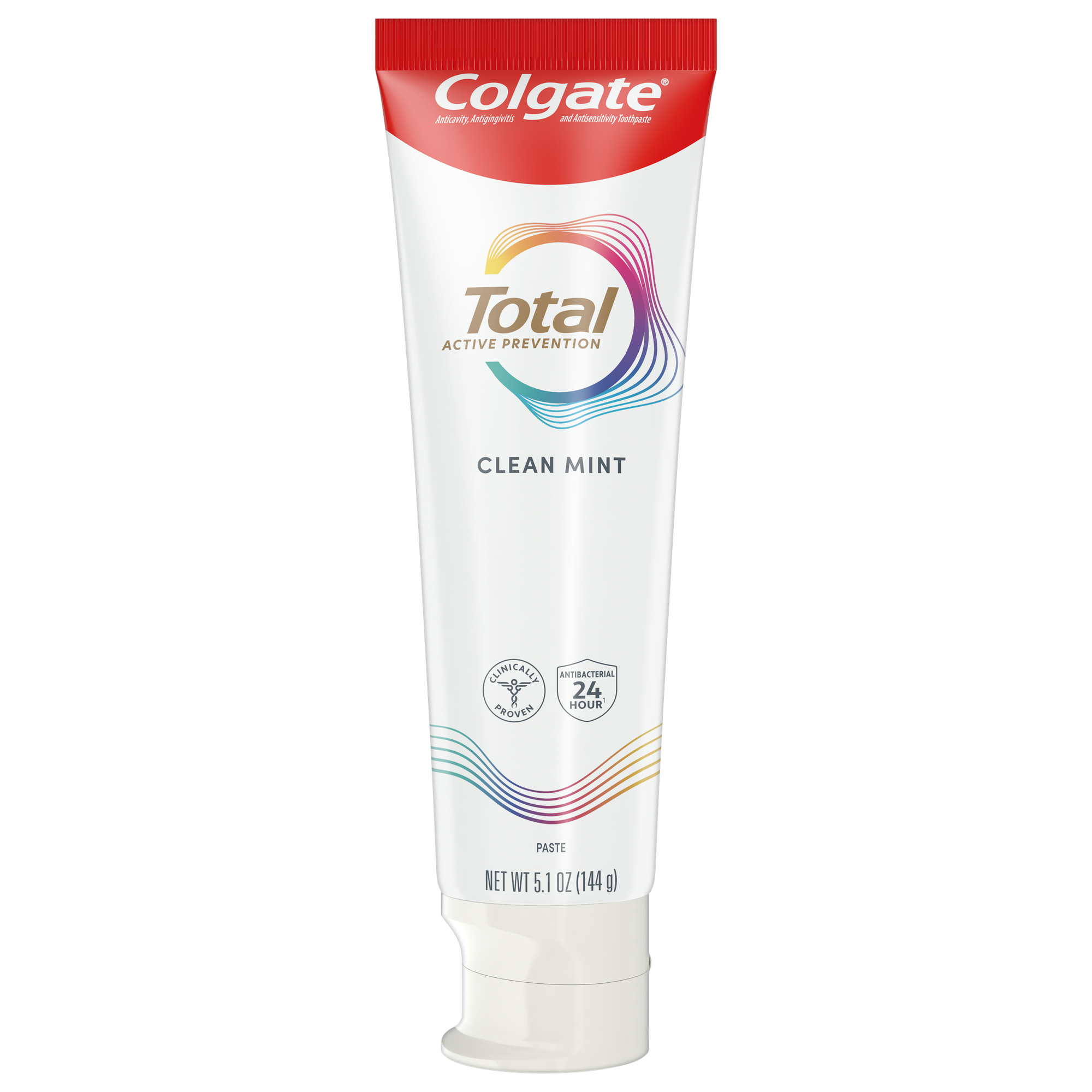
Colgate Total® Clean Mint Toothpaste fights bacteria, the root cause of many oral health issues such as gingivitis, tartar, sensitivity, weak enamel, bad breath, and cavities.
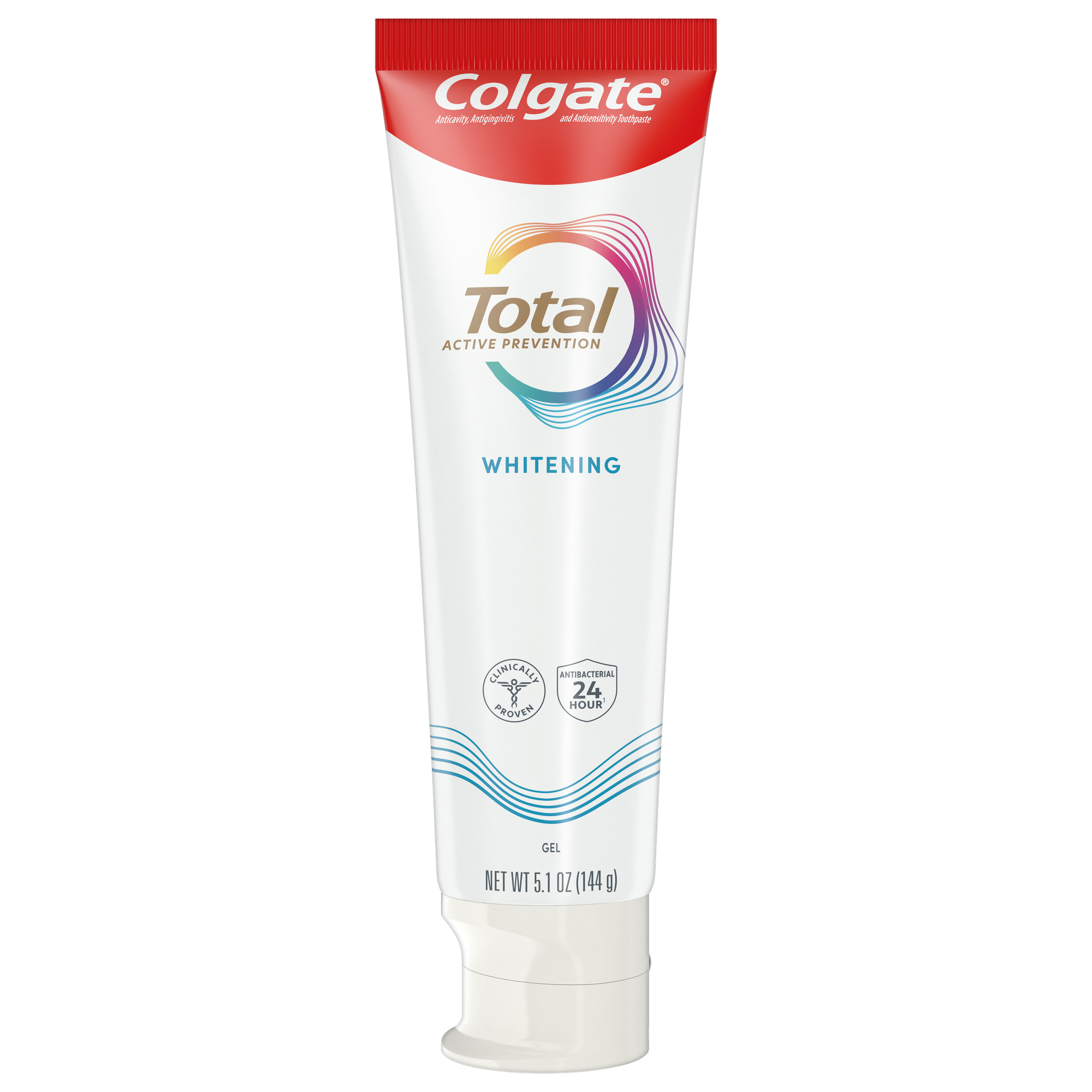
Colgate Total Whitening Gel Toothpaste fights bacteria, the root cause of many oral health issues such as gingivitis, tartar, sensitivity, weak enamel, bad breath, and cavities.
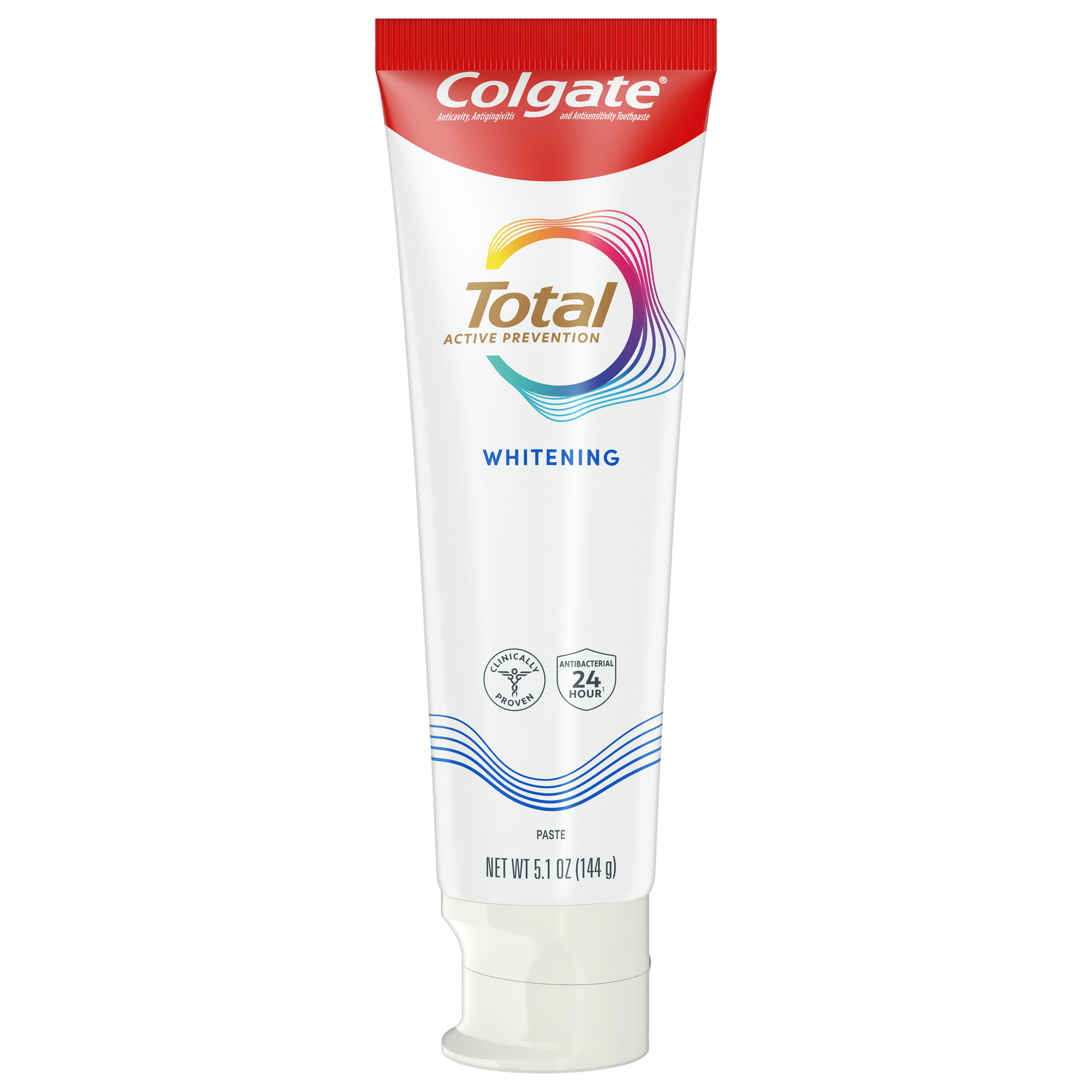
Colgate Total Whitening Toothpaste fights bacteria, the root cause of many oral health issues such as gingivitis, tartar, sensitivity, weak enamel, bad breath, and cavities.
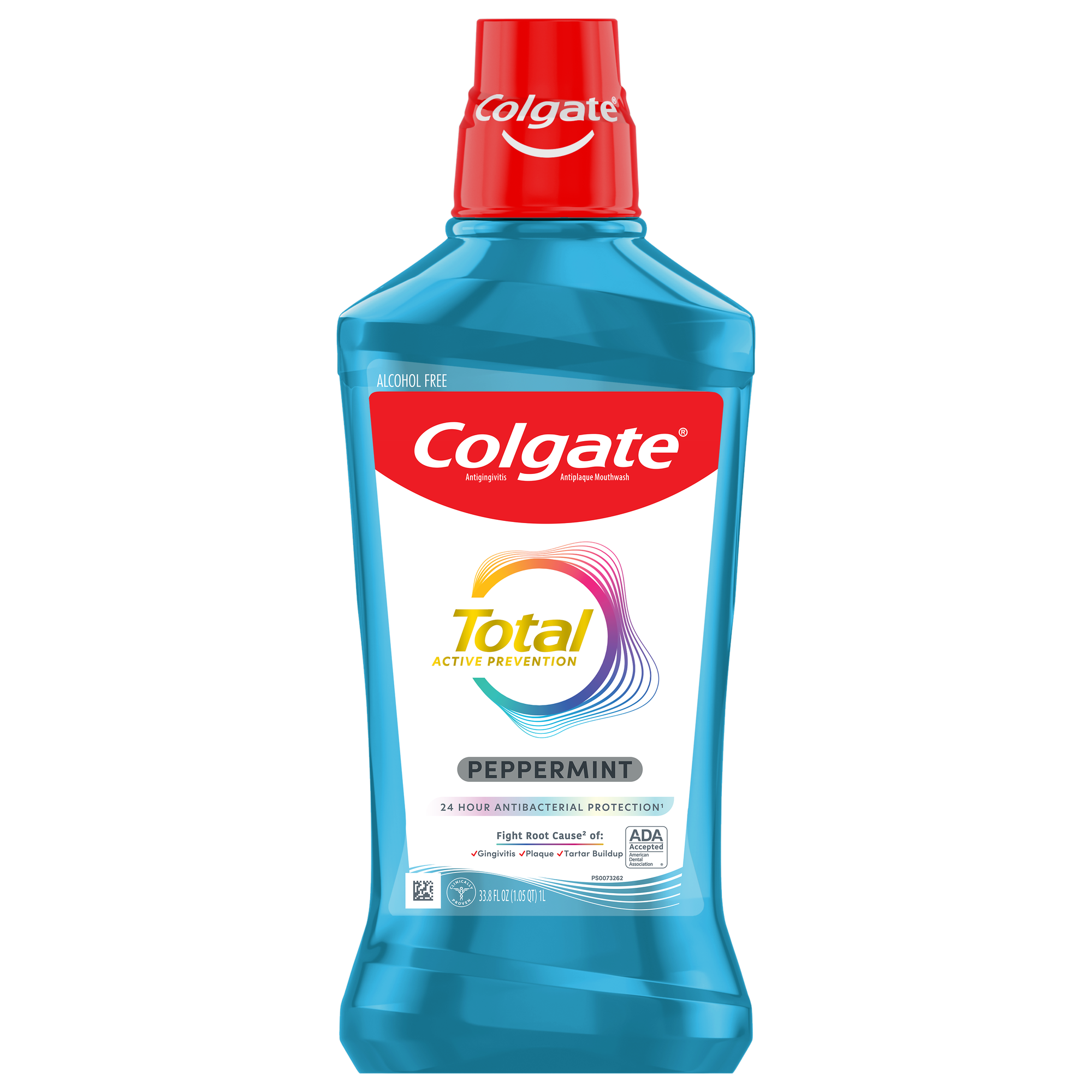
Colgate Total Alcohol Free* Peppermint Mouthwash delivers 24-hour protection** against bacteria.

