Can GLP-1 Medications Affect Your Teeth? How to Protect Your Smile
~9.5
min read

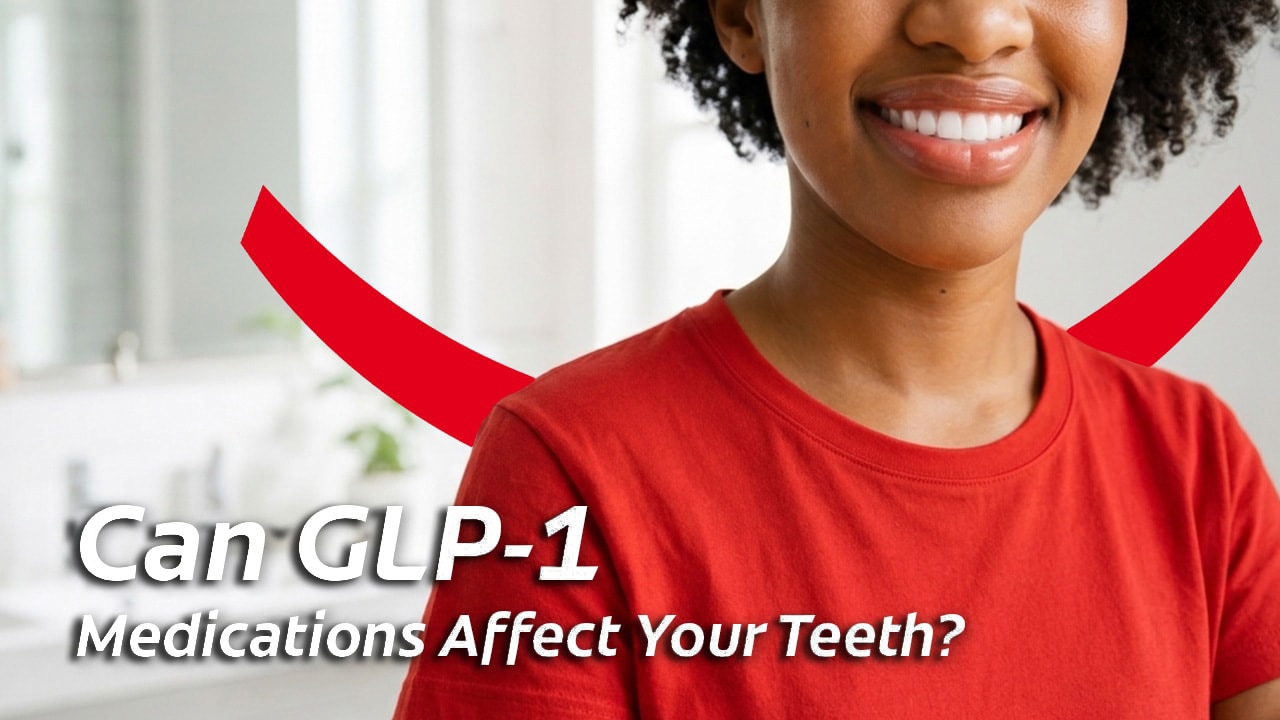
GLP-1 medications, including semaglutide and tirzepatide, do not directly damage teeth. However, their potential side effects — dry mouth, acid reflux, nausea, and reduced appetite — create oral conditions that significantly raise the risk of cavities, enamel erosion, and gum disease.
GLP-1 medications — formally known as GLP-1 receptor agonists, meaning medications that mimic a naturally occurring hormone called glucagon-like peptide-1 that regulates blood sugar and appetite — have become among the most widely prescribed drugs in the United States. According to data from United Concordia Dental, 1 in 8 American adults (approximately 12%) reported taking a GLP-1 medication in a 2024 survey. These medications are prescribed to manage type 2 diabetes and, increasingly, as weight loss medication for adults living with obesity.
Agents such as semaglutide and tirzepatide, as well as older GLP-1 agents including liraglutide, work by binding to GLP-1 receptors throughout the body. By doing so, they stimulate insulin secretion, suppress glucagon release, and — crucially — slow gastric emptying (the rate at which the stomach passes food to the small intestine). They also reduce appetite and, in many patients, reduce the sensation of thirst. As a result, patients consume less food and fewer beverages throughout the day. This same mechanism, however, is precisely what sets the stage for changes in the oral environment: reduced fluid intake, altered digestive secretions, and systemic hormonal shifts can all affect the health of your teeth and gums in ways that are indirect but clinically meaningful.
| Medication Name | Active Molecule | Primary Approved Use | Administration |
|---|---|---|---|
| Semaglutide (subcutaneous, diabetes) | Semaglutide | Type 2 diabetes management | Weekly injection |
| Semaglutide (subcutaneous, weight loss) | Semaglutide | Chronic weight management | Weekly injection |
| Tirzepatide (diabetes) | Tirzepatide (GLP-1 / GIP dual agonist) | Type 2 diabetes management | Weekly injection |
| Tirzepatide (weight loss) | Tirzepatide (GLP-1 / GIP dual agonist) | Chronic weight management | Weekly injection |
| Liraglutide (weight loss) | Liraglutide | Chronic weight management | Daily injection |
| Liraglutide (diabetes) | Liraglutide | Type 2 diabetes management | Daily injection |
It is important to understand from the outset: GLP-1 side effects — not the medications themselves — are what can affect your oral health. There is no evidence that semaglutide, tirzepatide, or liraglutide chemically attack enamel (the hard outer layer of the tooth) or dentin (the layer beneath) in any direct way. The relationship is entirely indirect, operating through three well-documented physiological pathways: acid reflux and vomiting, dry mouth and nutrient deficiency. Each pathway generates a distinct category of risk — enamel erosion, tooth decay, or gum disease — and each can be prevented if identified early enough.
Xerostomia (also known as dry mouth) is a frequently reported side effect for many drugs, including GLP-1 medications. The suppression of appetite leads to reduced consumption of both food and water — two of the most powerful natural stimulators of saliva production. Beyond this indirect effect, GLP-1 receptor agonists may also directly influence digestive secretions, including salivary flow, through their action on the autonomic nervous system. Dehydration — common among patients who forget to drink enough water when they no longer feel hungry or thirsty — can compound this effect significantly.
Saliva is far more than a lubricant. It performs four critical protective functions in the mouth: (1) neutralizing bacterial acids that would otherwise lower oral pH below the dissolution threshold of enamel; (2) mechanically rinsing food debris and bacteria from tooth surfaces; (3) supplying calcium and phosphate ions that support the remineralization of early enamel lesions; and (4) providing antimicrobial defense through salivary immunoglobulins and enzymes such as lysozyme and lactoferrin. When salivary flow decreases chronically, all four of these protective mechanisms may be simultaneously compromised.
The clinical consequences of GLP-1 dry mouth may extend beyond simple discomfort. A chronically dry oral environment substantially increases the risk of cervical caries (cavities at the gumline), gingivitis, halitosis (persistent bad breath), and oropharyngeal candidiasis (fungal infection of the mouth). Patients experiencing dry mouth on a GLP-1 medication may notice a sticky sensation in the mouth, persistent thirst despite drinking, difficulty swallowing or speaking, altered sense of taste, and thicker-than-usual saliva. Recognizing these symptoms early is key to preventing downstream dental damage.
According to FDA prescribing data, approximately 16 to 20% of patients using semaglutide-based medications report nausea, and 5 to 9% report vomiting. The slowing of gastric emptying increases intragastric pressure and, in susceptible individuals, raises the risk of gastroesophageal reflux disease (GERD), a condition in which gastric acid travels back up the esophagus and can reach the oral cavity. For patients who experience recurrent vomiting, gastric acid exposure to teeth may be frequent and prolonged.
The destructive potential of gastric acid on tooth structure is significant. Gastric acid has a pH below 2, creating an extremely corrosive environment for tooth enamel, which begins to dissolve at a pH of 5.5. Repeated acid contact preferentially erodes the palatal (tongue-facing) surfaces of the upper front teeth and the biting surfaces of the molars, producing a pattern of intrinsic erosion (enamel loss caused by stomach acid reaching the teeth via reflux or vomiting, as opposed to dietary acids from food and drink). This distinction matters clinically; intrinsic erosion patterns are recognizable by dental professionals and can serve as an early diagnostic signal in patients taking GLP-1 medications. Enamel, composed of approximately 96% mineral and containing no living cells, cannot regenerate once lost.
The consequences of progressive enamel erosion include tooth sensitivity to hot, cold, sweet, and acidic stimuli; yellowing or discoloration from exposed dentin; increased susceptibility to tooth fractures; and, if left unaddressed, potential damage to the dental pulp. One immediately actionable step: if you vomit, rinse your mouth promptly with plain water to neutralize the acid. Wait 30 to 60 minutes before brushing, as brushing softened enamel abrades it further. Patients who also grind their teeth (bruxism) face compounded risk; enamel already weakened by acid erosion is far more vulnerable to mechanical wear, and a custom nightguard may be recommended by their dentist.
GLP-1 medications are designed to suppress appetite and they do so effectively. However, a meaningful subset of patients reduce their caloric intake to a degree that results in nutritional deficiencies, particularly over the medium to long term. The nutrients most critical to oral health — and most commonly at risk — are calcium, vitamin D, vitamin C, and the B vitamins. Persistent nausea may also prompt patients to gravitate toward soft, carbohydrate-rich, or sweet foods that are easier to tolerate, inadvertently increasing their exposure to fermentable sugars and thereby raising their cavity risk.
The following nutrients play specific, well-established roles in maintaining enamel strength and gum health:
These dietary changes on GLP-1 therapy can silently compromise oral structures regardless of how diligently a patient brushes and flosses. This helps to explain how a patient with previously excellent hygiene might develop oral health problems like cavities during treatment.
Emerging research from institutions, including Case Western Reserve University School of Dental Medicine, suggests that the hydration, nutritional, and gastrointestinal changes induced by GLP-1 medications can alter the composition of the oral microbiome. This is the complex community of bacteria that colonize the mouth. When salivary flow decreases, salivary pH drops, creating a more acidic oral environment. This shift favors the proliferation of cariogenic bacteria, particularly Streptococcus mutans, at the expense of the protective commensal bacteria that help maintain microbial balance. Broader changes in diet and gastrointestinal transit associated with GLP-1 use may further destabilize this balance.
The result is a compounding effect: increased plaque buildup composed of a more pathogenic bacterial population, operating in a less protected (lower-saliva, lower-pH) environment. This dysbiosis can simultaneously amplify the risk of dental caries and the early stages of gingivitis, even when a patient's brushing and flossing routine has not changed. While the evidence in this area remains emerging and largely preclinical, the biological plausibility is well-supported, and several dental researchers have flagged oral microbiome monitoring as a relevant consideration for long-term GLP-1 users.

You may have encountered the term "GLP-1 teeth" — or related phrases such as "GLP-1 mouth" — circulating on social media and in dental waiting rooms. It is important to be clear: this is not an official medical or dental diagnosis. The term emerged colloquially to describe a cluster of oral health problems reported by patients using GLP-1 medications for weight loss or diabetes management, including sudden-onset cavities, increased tooth sensitivity, enamel thinning, gingival inflammation, and, in more advanced cases reported anecdotally, tooth fractures or increased tooth mobility. Some patients have also described a persistent metallic or bitter taste sometimes called "GLP-1 tongue," which may be linked to the presence of GLP-1 receptors in taste buds as well as the effects of dry mouth on taste perception.
No published clinical study to date has demonstrated a direct causal relationship between semaglutide, tirzepatide, or any other GLP-1 molecule and the destruction of dental tissue. The dental problems observed in GLP-1 users can be fully explained by the chain of indirect side effects detailed in the previous section — xerostomia, acid reflux, nutritional deficiencies, and microbiome disruption. As Tricia Quartey, DMD, a spokesperson for the American Dental Association (ADA), has noted publicly, the concern is real but the mechanism is indirect: the drug does not attack the tooth, but its side effects can create conditions that do. The phrase "GLP-1 face" similarly reflects other body composition changes associated with rapid weight loss — not a direct toxic effect of the molecule itself.
Understanding this distinction has meaningful practical implications. The risks associated with GLP-1 dental problems are identifiable, preventable, and, in most cases, manageable with appropriate dental care. The label "GLP-1 teeth" can generate disproportionate anxiety, and even lead some patients to consider discontinuing a medically beneficial treatment. That may not be the right response. What is warranted is awareness, proactive communication with your dental care team, and a prevention plan tailored to your specific side effect profile.
The oral health changes associated with GLP-1 side effects can develop gradually and remain clinically silent in their earliest stages, which is precisely why awareness of the specific warning signs matters. Most signals correspond to recognizable manifestations of enamel erosion, xerostomia, or early-stage gingivitis, listed here in approximate order from earliest and mildest to most advanced and urgent.
If you experience loose teeth, rapidly progressing cavities, or significant gum recession, contact your dental care team promptly. Do not wait for your next scheduled visit. Early intervention can be the difference between a preventive fluoride treatment and a more complex restorative procedure.
The conversation about GLP-1 medications and oral health is not exclusively about risk. Growing scientific evidence points to potential benefits for gum health, particularly in patients with type 2 diabetes. A scoping review published in Frontiers in Clinical Dentistry and Health Care (Jeong, Chuang & Ho, Tufts University School of Dental Medicine, November 2025), analyzing 52 studies spanning 1990 through 2025, identified a bidirectional relationship between periodontitis and the GLP-1 pathway. The review found that GLP-1 receptor agonists demonstrate anti-inflammatory and osteoprotective properties in preclinical models of periodontal disease, with agents such as liraglutide and exendin-4 showing potential to reduce alveolar bone loss and gingival inflammation.
Three distinct mechanisms appear to underlie these potential GLP-1 periodontal benefits. First, improved glycemic control can directly reduce chronic hyperglycemia, a well-established aggravating factor for periodontal disease in diabetic patients; better blood sugar management consistently correlates with improved clinical periodontal outcomes. Second, GLP-1 receptors are present in periodontal tissues themselves, suggesting that GLP-1 agonists may exert direct anti-inflammatory effects on the periodontium. This potentially reduces the destructive immune response that drives bone and attachment loss in periodontitis. Third, the weight loss achieved with GLP-1 therapy may reduce the chronic low-grade systemic inflammation associated with obesity — a recognized independent risk factor for periodontal disease, separate from glycemia.
For patients managing type 2 diabetes with GLP-1 medications, improved blood sugar control may translate into measurable gains in periodontal health over time — a meaningful benefit that should be part of any balanced conversation about these medications and the mouth. The key is ensuring that this potential upside is not eroded (literally) by unmanaged side effects such as xerostomia. Coordinated care between your prescribing physician and your dental care team is the most effective way to capture both.
The oral health side effects of GLP-1 medications are real but they are manageable. With the right prevention strategy in place, you can maintain a healthy mouth throughout your treatment without compromising the metabolic or weight-loss benefits of the medication. Each of the following interventions targets a specific risk mechanism, making this an integrated protocol rather than a simple checklist.
| Risk Targeted | Preventive Action | Recommended Product / Tool |
|---|---|---|
| Dry mouth / reduced salivary flow | Drink 2–3 liters of water throughout the day; chew sugar-free gum with xylitol to mechanically stimulate saliva; use a saliva substitute spray or gel at night if needed | Xylitol-containing sugar-free gum; over-the-counter saliva substitute sprays or gels; alcohol-free mouth rinse |
| Enamel erosion from acid reflux or vomiting | After vomiting, rinse immediately with water; wait 30–60 minutes before brushing; discuss GERD management with your prescribing physician | Water rinse; physician review of GI side effects |
| Reduced enamel remineralization | Brush twice daily with a fluoride toothpaste; use a fluoride mouthwash as part of your evening routine; ask your dentist about professional fluoride varnish applications | High-fluoride toothpaste for high-risk patients (ask your dentist); fluoride or CPC-based mouth rinse |
| Bacterial overgrowth and plaque accumulation | Floss daily; use an antimicrobial toothpaste and mouthwash with fluoride; consider an electric toothbrush for more consistent plaque removal | Fluoride mouthwash; electric toothbrush; interdental brushes |
| Nutrient deficiencies affecting enamel and gums | Prioritize calcium-, vitamin D-, and vitamin C-rich foods even when appetite is low; discuss supplementation with your prescribing physician if dietary intake is consistently low | Dietary counseling; physician-directed supplementation |
| Bruxism combined with acid-weakened enamel | Inform your dentist if you grind your teeth; request a custom nightguard to prevent mechanical abrasion of already-vulnerable enamel | Custom-fitted dental nightguard (provided by dentist) |
Staying well-hydrated, maintaining a nutrient-rich diet, and keeping a consistent twice-daily oral care routine with a fluoride toothpaste are the cornerstones of oral hygiene on GLP-1 therapy. These habits do not need to be complex; they need to be consistent and adapted to the specific side effects you are experiencing.
Many patients taking GLP-1 medications do not spontaneously mention their treatment to their dentist. This is a missed opportunity. Your dentist needs to know about your GLP-1 medication — its name, your dosage, how long you have been taking it, and which side effects you are actively experiencing — because this information directly shapes your prevention plan. Early enamel erosion lesions and incipient cervical cavities are often clinically invisible to the patient but detectable by a trained practitioner during a routine examination. Unlike many other GLP-1 side effects that resolve when the medication is adjusted or discontinued, dental damage such as eroded enamel and cavitated carious lesions is irreversible without restorative intervention.
For patients experiencing active side effects — particularly dry mouth or acid reflux — most dental clinicians recommend increasing the frequency of professional cleanings and examinations from the standard six-month interval. This shortened recall interval allows for earlier detection of carious lesions, professional fluoride varnish application at higher frequency, and timely adjustment of your home care protocol. Scaling and root planing may be recommended for patients with existing periodontal disease whose glycemic control is improving on GLP-1 therapy.
At your next appointment — or a dedicated consultation if you have recently started a GLP-1 medication — make sure to communicate the following to your dental care team:
Armed with this information, your dental care team can provide targeted preventive dental care — and help you protect your smile for the long term.
No. GLP-1 medications do not chemically attack or directly erode tooth enamel. The potential oral health risks associated with these medications are entirely indirect, caused by their side effects — primarily dry mouth, acid reflux, nausea, vomiting, and appetite suppression leading to nutritional deficiencies. Managing these side effects effectively can significantly reduce the associated dental risk.
Tooth loss is not a commonly reported or expected outcome of GLP-1 use. However, if the indirect side effects — particularly enamel erosion from acid exposure and advanced periodontal disease — are left unmanaged over a long period, they can contribute to conditions that, in severe cases, may compromise the structural integrity of teeth. This makes early detection and preventive dental care essential for anyone on long-term GLP-1 therapy.
Look for a fluoride toothpaste specifically formulated for dry mouth. Fluoride is the most clinically validated ingredient for protecting against caries and supporting enamel remineralization in a low-saliva environment. Avoid toothpastes with harsh abrasives or high alcohol-content rinses, which can further dry oral tissues. Your dentist may also recommend a prescription-strength fluoride toothpaste if your cavity risk is elevated.
Potentially, yes, particularly for patients with type 2 diabetes. By improving glycemic control and reducing systemic inflammation associated with obesity, GLP-1 receptor agonists may indirectly support periodontal health. Preclinical research also suggests that GLP-1 receptors in periodontal tissues may respond to these medications with anti-inflammatory effects. This benefit, however, must be balanced against active management of the oral side effects that the same medications can cause.
Absolutely. Disclosing your GLP-1 medication to your dentist is the single most important step you can take. It allows your dental team to tailor your prevention plan, increase monitoring frequency if needed, apply protective fluoride treatments, and catch early signs of acid erosion or dry-mouth-related caries before they progress. Update your dental health history form any time your medications change.
This article is intended to promote understanding and knowledge about general oral health topics. It is not intended to be a substitute for professional advice, diagnosis or treatment. Always seek the advice of your dentist or other qualified healthcare provider with any questions you may have regarding a medical condition or treatment.
ORAL HEALTH QUIZ
Take our Oral Health assessment to get the most from your oral care routine
ORAL HEALTH QUIZ
Take our Oral Health assessment to get the most from your oral care routine

Dry mouth may be a result of menopause and can have an effect on your overall health. Find out more about you can deal with hormonal shifts and dry mouth.
.jpeg)
Most cases of dry mouth after surgery are temporary. If the problem lingers, you may need to see a dentist. Check out these symptoms and treatments.

Dry mouth toothpaste can stave off discomfort and potential health issues. Find out if dry mouth toothpaste can be the remedy for your dry mouth.

Your salivary glands, which produce saliva, play a critical role in not just your oral health, but your overall health. Learn how to keep them healthy.
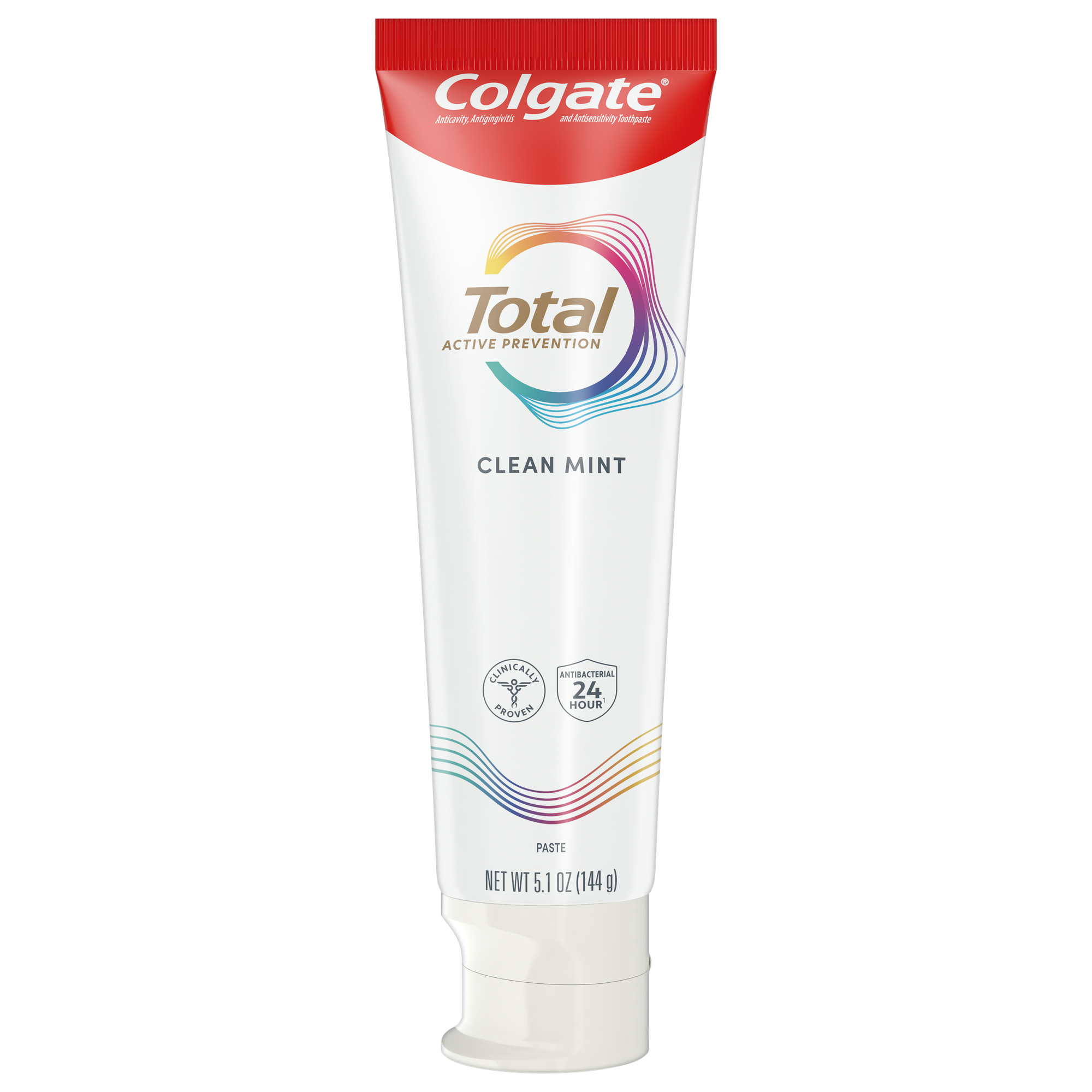
Colgate Total® Clean Mint Toothpaste fights bacteria, the root cause of many oral health issues such as gingivitis, tartar, sensitivity, weak enamel, bad breath, and cavities.
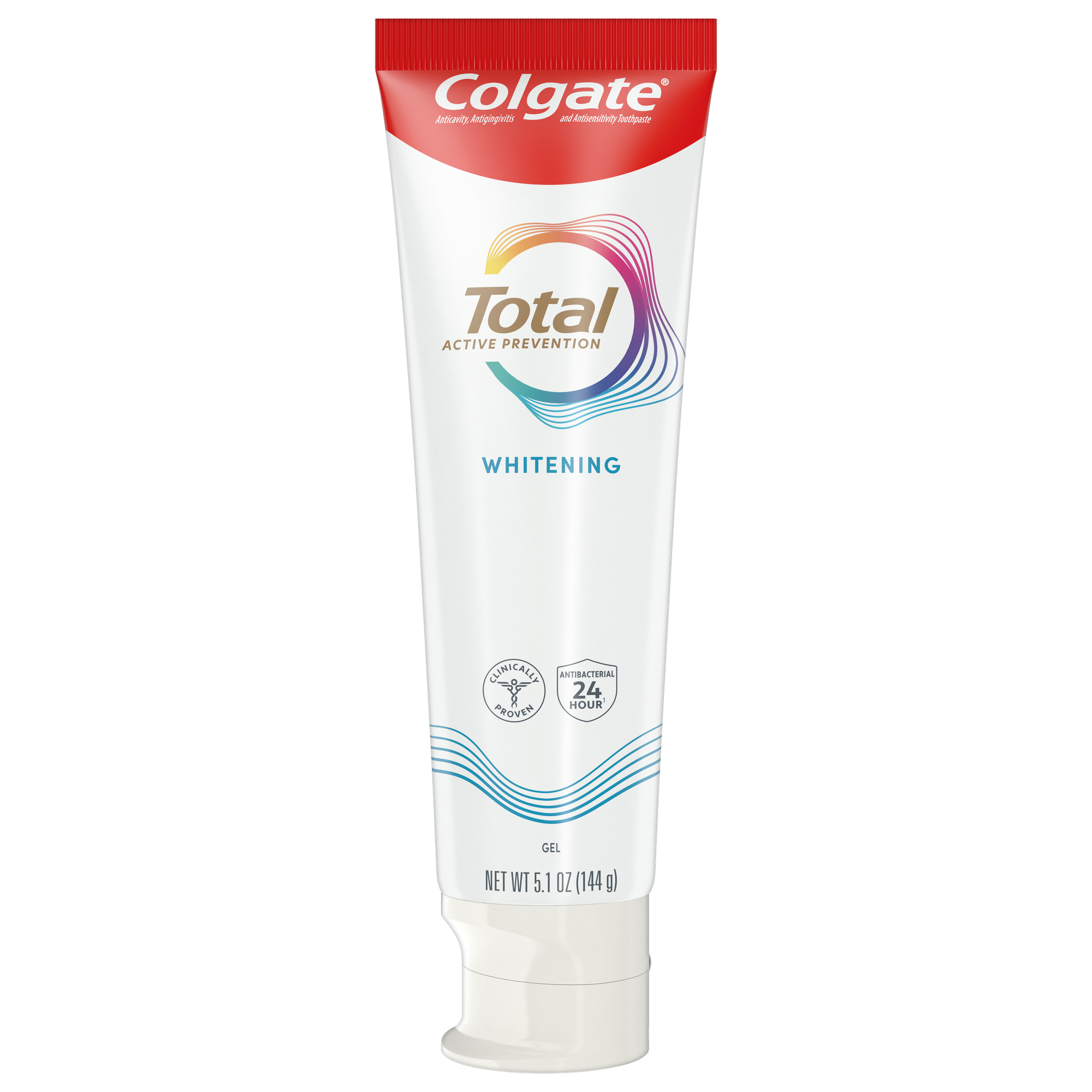
Colgate Total Whitening Gel Toothpaste fights bacteria, the root cause of many oral health issues such as gingivitis, tartar, sensitivity, weak enamel, bad breath, and cavities.
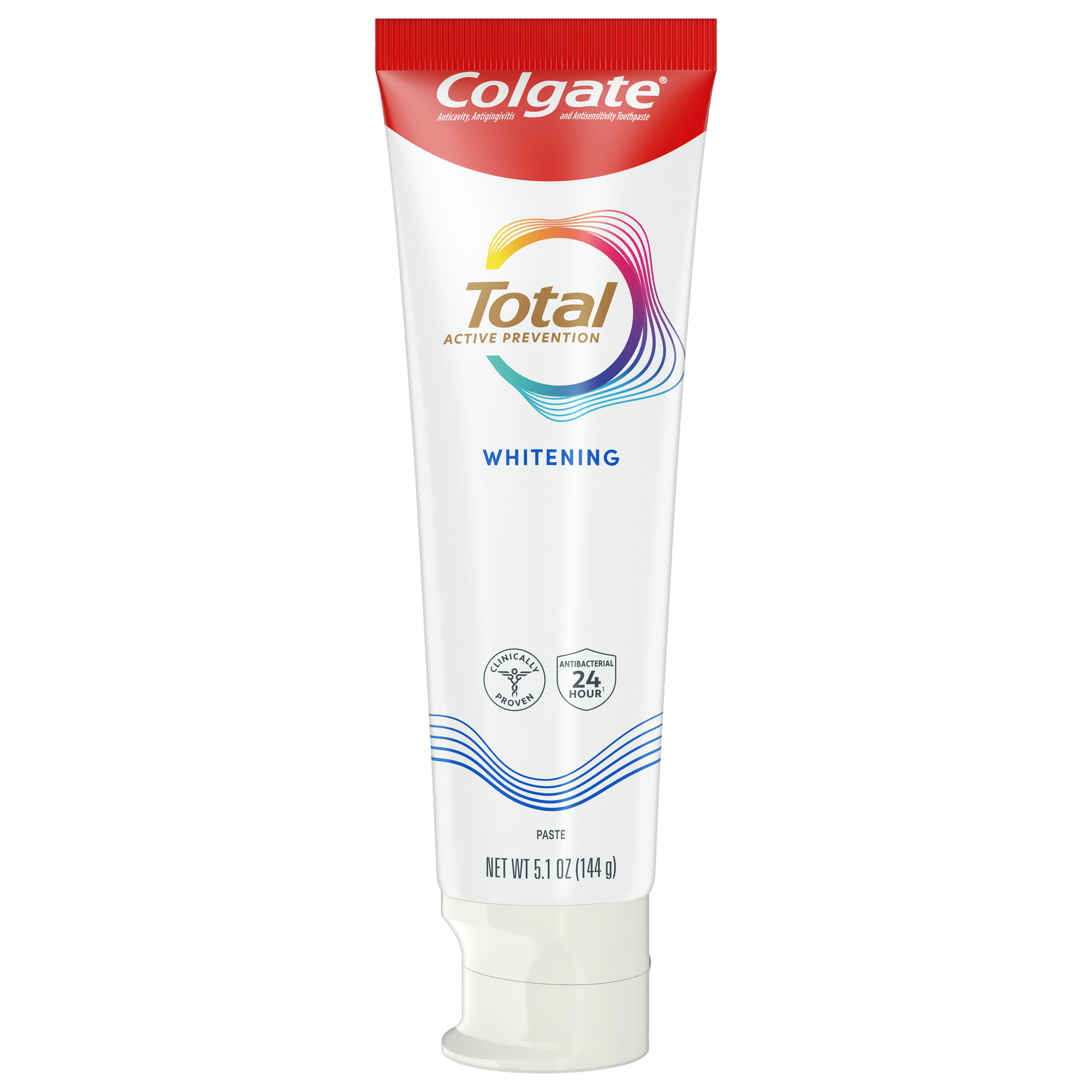
Colgate Total Whitening Toothpaste fights bacteria, the root cause of many oral health issues such as gingivitis, tartar, sensitivity, weak enamel, bad breath, and cavities.
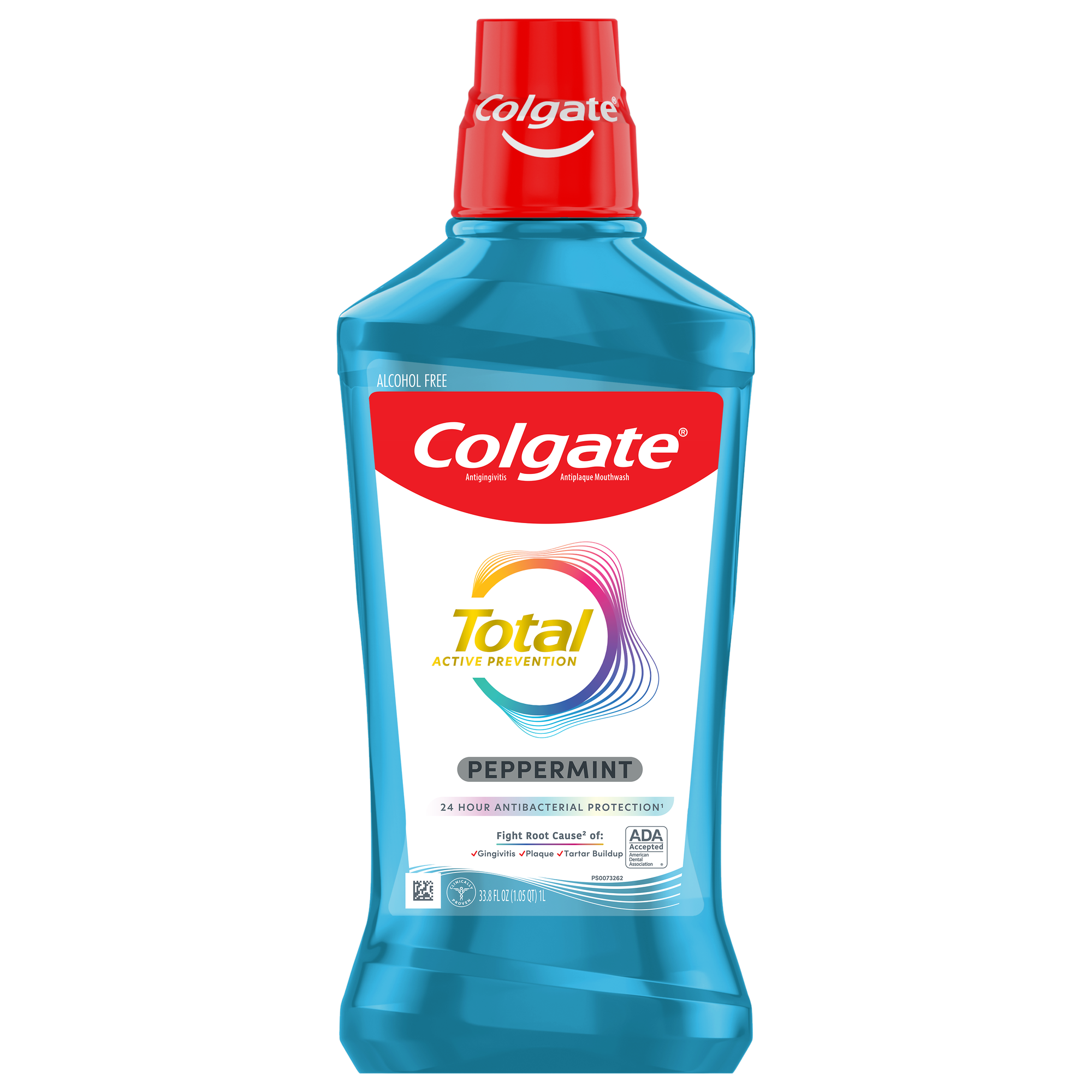
Colgate Total Alcohol Free* Peppermint Mouthwash delivers 24-hour protection** against bacteria.

