GLP-1 and Dry Mouth: Causes, Risks, and How to Find Relief
10.5
min read

Key takeaways:
GLP-1 medications — including semaglutide (available as injectable and oral formulations) and tirzepatide — could cause dry mouth by reducing fluid intake, suppressing thirst, and triggering nausea, all of which lower saliva production. Reduced saliva raises the risk of tooth decay and gum disease. Symptoms often improve within 4–16 weeks. Hydration and consistent oral hygiene are the primary management strategies.
GLP-1 dry mouth refers to xerostomia, the medical term for reduced saliva production, which some people experience while taking GLP-1 receptor agonists. These medications, including semaglutide, tirzepatide, and dulaglutide, are prescribed to manage type 2 diabetes and support weight loss by regulating blood sugar and appetite.
Although dry mouth is not officially listed as a common side effect in the prescribing information for these medications, clinical case reports and growing real-world evidence suggest it can occur in some patients. Researchers believe it is likely an indirect effect of treatment rather than a direct pharmacological action, which may explain why it was not widely reported in clinical trials. A 2024 case series documented xerostomia in patients taking semaglutide, highlighting an emerging oral health concern as GLP-1 use continues to increase. If you develop persistent dry mouth while taking a GLP-1 medication, speak with your healthcare provider before making any changes to your treatment.
GLP-1 medications do not directly attack or shut down salivary glands. Current evidence does not show these agents dramatically reduce absolute saliva volume through direct pharmacological action on glandular tissue. Instead, three distinct and compounding pathophysiological pathways explain why saliva production decreases in many patients on these medications.
The most consistently documented mechanism is straightforward: GLP-1 drugs slow gastric emptying, triggering nausea and reducing appetite. As a consequence, patients eat and drink significantly less throughout the day, leading to mild but persistent systemic dehydration. Because saliva is composed largely of water drawn from the body's fluid reserves, less systemic fluid means less substrate for the parotid, submandibular, and sublingual glands to produce saliva. This pathway is supported by clinical observation across the available case reports and is the most behaviorally modifiable of the three mechanisms.
GLP-1 receptors are present in hypothalamic regions that regulate thirst perception. Agonist activity in these areas may blunt the body's thirst signal, so patients consume less water even when they are already mildly dehydrated. This compounds the dehydration pathway above in a particularly insidious way: the body is losing fluids but does not issue a strong enough alarm for the patient to replenish them. The practical implication is clear: patients on GLP-1 therapy cannot rely on thirst alone to guide fluid intake and must schedule deliberate hydration throughout the day.
Salivary gland function is regulated by both the sympathetic and parasympathetic branches of the autonomic nervous system, with parasympathetic stimulation being the primary driver of saliva secretion. GLP-1 receptors have been identified in autonomic ganglia, and agonist activity at these sites may alter parasympathetic stimulation of the glands, independently reducing output. This third pathway remains hypothetical and requires further research to be confirmed, but it may help explain why some patients experience hyposalivation — a measurable reduction in saliva output, clinically defined as unstimulated salivary flow below 0.1 mL/min — even when their hydration appears adequate.
| Mechanism | How It Reduces Saliva | Evidence Level | Reversibility |
|---|---|---|---|
| Reduced fluid intake / dehydration | Nausea and appetite suppression lower total fluid consumption | Supported by case reports and clinical observation | High — correctable with deliberate hydration |
| Thirst signal suppression | GLP-1 receptor activity in the hypothalamus may blunt thirst perception | Mechanistically plausible — limited direct evidence | Moderate — requires scheduled (not thirst-driven) fluid intake |
| Autonomic nervous system modulation | GLP-1 receptors in autonomic ganglia may alter parasympathetic salivary output | Hypothetical — research ongoing | Unknown |
Dry mouth (xerostomia) and taste alterations are related but distinct conditions. Xerostomia is caused by reduced saliva volume. Taste changes may occur independently through direct GLP-1 receptor activity in taste buds, altered oral pH, or nutritional changes associated with reduced food intake. If you notice taste changes without significant dryness, discuss this separately with your prescribing physician and dental team.
GLP-1 medications do not directly damage teeth. However, the indirect chain of events — reduced saliva → altered oral pH → accelerated bacterial growth — creates an environment where dental damage occurs faster and progresses further than it would in a patient with normal salivary flow. The combination of GLP-1 dry mouth with GLP-1-induced acid reflux (via delayed gastric emptying) is particularly destructive; gastric acid reaching enamel is not neutralized by saliva, prolonging contact time on an already vulnerable surface. Here is what that means for each major aspect of your GLP-1 oral health.
Without saliva's buffering and cleansing action, acid-producing bacteria — primarily Streptococcus mutans — accumulate on tooth surfaces unchecked. Oral pH drops more rapidly after meals or acidic drinks and recovers more slowly. The result is longer acid exposure windows that progressively demineralize enamel. GLP-1 tooth decay risk is further compounded in patients who experience carbohydrate cravings between doses, as frequent sugar exposure without adequate salivary clearance dramatically accelerates caries progression. New sensitivity to cold or sweet foods is often the first warning sign.
GLP-1 drugs slow gastric emptying, which increases the risk of acid reflux and, in some patients, episodes of vomiting. Gastric acid (pH approximately 2) in direct contact with enamel causes irreversible demineralization. In the absence of saliva buffering, acid contact time on enamel is significantly prolonged. Enamel remineralization — the process by which minerals (calcium, phosphate, and fluoride) rebuild areas of enamel weakened by acid attack — is also compromised by reduced salivary flow, since saliva is the primary vehicle for delivering those minerals to the tooth surface.
Reduced saliva allows plaque biofilm — the structured community of bacteria that adheres to tooth surfaces and drives both decay and gum disease — to accumulate at the gingival margin without the normal mechanical washout that saliva provides. The altered oral pH disrupts the oral microbiome balance, favoring periodontal pathogens. Additionally, reduced nutritional intake on GLP-1 therapy — particularly of calcium, vitamin D, and vitamin B12 — may independently impair gum tissue integrity and alveolar bone density, compounding tirzepatide- or semaglutide-related gum diseases.
Low saliva volume increases susceptibility to oral candidiasis (thrush), which presents as white patches inside the mouth, as well as recurrent aphthous ulcers. Burning mouth syndrome — a chronic mucosal irritation condition — is documented as a complication of long-standing xerostomia. Patients who are also immunocompromised or on corticosteroids face an elevated risk. Any white patches or persistent burning sensation inside the mouth should prompt an appointment with a dental professional.
| Condition | Primary Mechanism | Early Warning Sign | Preventive Action |
|---|---|---|---|
| Tooth decay (caries) | Reduced acid buffering and bacterial clearance | New sensitivity to cold or sweet foods | Fluoride toothpaste, limit sugar, deliberate hydration |
| Enamel erosion | Acid reflux or vomiting without saliva neutralization | Tooth sensitivity, translucent edges | Rinse with water after reflux, wait 30 min before brushing |
| Gum disease (gingivitis or periodontitis) | Plaque accumulation, altered oral microbiome | Bleeding gums, gum recession | Floss daily, antibacterial toothpaste and antibacterial mouthwash, regular dental visits |
| Oral candidiasis (thrush) | Low saliva allows fungal overgrowth | White patches inside the mouth | Antifungal treatment; consult your dentist |
| Burning mouth syndrome | Chronic mucosal irritation from dryness | Persistent burning or tingling sensation | Saliva substitutes; prescription options available |

How Long Does Dry Mouth From GLP-1 Last?
Based on the limited available evidence, GLP-1 dry mouth symptoms most commonly appear within the first weeks of treatment or following a dose escalation.
For patients who implement proactive management strategies, improvement has been observed within 4–16 weeks. The only peer-reviewed case series available — a 2024 publication describing three patients — reported that dry mouth developed after a mean of 11.3 weeks on semaglutide. Individual variation is significant, and semaglutide dry mouth duration is not yet predictable based on current data.
Dry mouth caused primarily by dehydration and reduced intake tends to improve as the body adapts to the medication, appetite stabilizes, and deliberate fluid intake patterns are established. Dose-related spikes — symptoms worsening noticeably after each scheduled dose escalation — are commonly reported and typically self-resolve within days to two weeks. Patients should not expect immediate resolution; the trajectory is gradual.
Symptoms that persist beyond 16 weeks without improvement, or that worsen progressively despite hydration efforts, warrant clinical evaluation to rule out concurrent causes of xerostomia. These include Sjögren's syndrome, other xerogenic medications (antihistamines, antidepressants, antihypertensives), or underlying salivary gland dysfunction.
"Dry mouth is more noticeable during the first weeks of GLP-1 treatment or following dose increases. For most patients, symptoms tend to improve over time as the body adjusts, but this is not guaranteed for everyone." — Clinical summary based on available case reports.
Factors that may prolong symptoms:
Factors that may accelerate resolution:
Multiple management strategies are effective for GLP-1 dry mouth, ranging from behavioral changes to over-the-counter products to prescription interventions. No single approach is universally sufficient; a layered strategy yields the best outcomes. Because each week of reduced saliva increases cumulative dental risk, starting early and staying consistent directly reduces the probability of cavities, enamel erosion, and gum disease requiring clinical treatment.
For patients on weight-loss medications, the single most impactful intervention for managing dry mouth is scheduled, deliberate hydration. Target 80–100 oz (approximately 2.4–3 L) of water daily — more during hot weather or exercise. Do not rely on thirst as the trigger, since thirst perception is blunted by GLP-1 receptor activity. Instead, schedule a glass of water every 60 minutes throughout the day. Sip water throughout meals to compensate for saliva's reduced digestive role. Avoid caffeine, alcohol, and carbonated acidic beverages, as they all act as diuretics or oral irritants that worsen dryness.
Mechanical stimulation of the salivary glands is a reliable and accessible strategy. Chewing sugar-free gum bearing the ADA Seal of Acceptance after meals physically compresses the parotid and submandibular glands. Gum or lozenges containing xylitol offer a dual benefit: saliva stimulation plus inhibition of Streptococcus mutans, the primary cavity-causing bacterium. Eating regular, balanced meals where possible also helps, as mastication is the most efficient physiological trigger for salivary gland output.
Choosing the right products is essential for patients managing GLP-1 oral health concerns. For toothpaste, use a fluoride toothpaste; fluoride actively supports enamel remineralization in the acid-prone environment created by low saliva. Formulations that omit sodium lauryl sulfate (SLS) and include moisturizing agents such as glycerin and xylitol are suitable for daily use. SLS is a foaming agent that can increase mucosal irritation in xerostomic patients and is best avoided.
For mouthwash, use alcohol-free formulations only, as alcohol desiccates the oral mucosa and significantly worsens xerostomia. Fluoride-containing, alcohol-free rinses offer dual protection by simultaneously hydrating tissues and reinforcing enamel. For immediate symptom relief — particularly at night when saliva production naturally decreases — OTC saliva substitute sprays, gels, and rinses lubricate the mouth without requiring gland stimulation.
Several everyday habits meaningfully reduce the burden of dry mouth between medication doses. Sleep with a humidifier running to counteract nighttime oral drying from mouth breathing. Practice nasal breathing during the day, as mouth breathing accelerates evaporative oral drying. After any vomiting episode (a known GLP-1 side effect), rinse immediately with plain water or a baking soda solution (1 teaspoon per 8 oz of water) to neutralize residual gastric acid. Wait at least 30 minutes before brushing to avoid abrading softened enamel. Maintain adequate nutritional intake of calcium, vitamin D, and vitamin B12, as reduced food consumption and nutrient intake on GLP-1 therapy can impair enamel remineralization and gum tissue repair independently of saliva levels.
For patients with severe or refractory xerostomia, prescription interventions are available. Pilocarpine (a muscarinic receptor agonist) and cevimeline (a related agent) directly stimulate parasympathetic salivary gland output and are typically reserved for cases unresponsive to behavioral and OTC measures. Prescription-strength fluoride gels or custom trays — such as those in the Colgate PreviDent® range — are particularly indicated for patients with documented enamel erosion or elevated caries risk. Do not adjust your GLP-1 dosage or discontinue the medication to resolve dry mouth without first consulting your prescribing physician.
Standard twice-yearly dental checkups are insufficient for patients on GLP-1 medications experiencing persistent dry mouth. Dental professionals treating GLP-1 patients with xerostomia now recommend shifting to a more frequent cleaning and monitoring interval (your dentist can advise on frequency). More frequent professional evaluation enables early detection of enamel erosion, incipient caries, and gingival changes before they require invasive restorative treatment. A dentist can also document baseline salivary flow at your first post-medication appointment, establishing a measurable reference point for tracking deterioration or improvement over time.
Disclosing your GLP-1 use to your dental team allows for a fully personalized preventive plan, including prescription fluoride applications, caries risk assessment, and dietary counseling tailored to the reduced-intake patterns common on these medications. The American Dental Association recommends brushing twice daily with fluoride toothpaste and flossing daily for all patients, with professional fluoride applications particularly beneficial for those with medication-induced xerostomia. Leading dental medicine programs now advocate that oral health should be part of the conversation at the time of GLP-1 prescription, not addressed only after symptoms appear.
Beyond scheduled visits, certain signs warrant a prompt call to your dental office rather than waiting for your next routine appointment.
Contact your dentist promptly if you notice:
What to tell your dentist at your appointment:
No. Experiencing dry mouth does not reduce the weight loss or blood glucose control benefits of GLP-1 medications. The symptom is an indirect side effect of the medication's impact on appetite and hydration — it does not interfere with the drug's primary pharmacological mechanisms targeting GLP-1 receptors.
"GLP-1 mouth" — a term that, like "GLP-1 face" or "GLP-1 butt," has emerged informally to describe physical changes linked to GLP-1 use — is not synonymous with dry mouth. It covers a broader cluster of oral changes including xerostomia, altered taste, bad breath, and reported enamel changes. Dry mouth is one component of this cluster and the most clinically significant from a dental standpoint.
There is currently insufficient comparative data to confirm whether semaglutide causes GLP-1 dry mouth more frequently than tirzepatide or dulaglutide. Most published case reports involve semaglutide, most likely because it is the most widely prescribed GLP-1 receptor agonist in the United States at this time rather than because it is inherently more likely to cause the symptom.
Standard fluoride toothpaste is acceptable, but formulations specifically designed for dry mouth — which omit sodium lauryl sulfate (SLS) and include moisturizing agents such as glycerin and xylitol — are also suitable for daily use. Avoid any toothpaste containing alcohol or strong astringents, which can further irritate an already compromised oral mucosa.
No. Do not discontinue or adjust your GLP-1 medication without consulting your prescribing physician. For most patients, dry mouth weight loss medication side effects can be effectively managed through hydration, optimized oral hygiene, and OTC products — without compromising the significant therapeutic benefits of GLP-1 treatment.
This article is intended to promote understanding and knowledge about general oral health topics. It is not intended to be a substitute for professional advice, diagnosis or treatment. Always seek the advice of your dentist or other qualified healthcare provider with any questions you may have regarding a medical condition or treatment.
ORAL HEALTH QUIZ
Take our Oral Health assessment to get the most from your oral care routine
ORAL HEALTH QUIZ
Take our Oral Health assessment to get the most from your oral care routine
Dry mouth may be a result of menopause and can have an effect on your overall health. Find out more about you can deal with hormonal shifts and dry mouth.
.jpeg)
Most cases of dry mouth after surgery are temporary. If the problem lingers, you may need to see a dentist. Check out these symptoms and treatments.
Dry mouth toothpaste can stave off discomfort and potential health issues. Find out if dry mouth toothpaste can be the remedy for your dry mouth.

Your salivary glands, which produce saliva, play a critical role in not just your oral health, but your overall health. Learn how to keep them healthy.
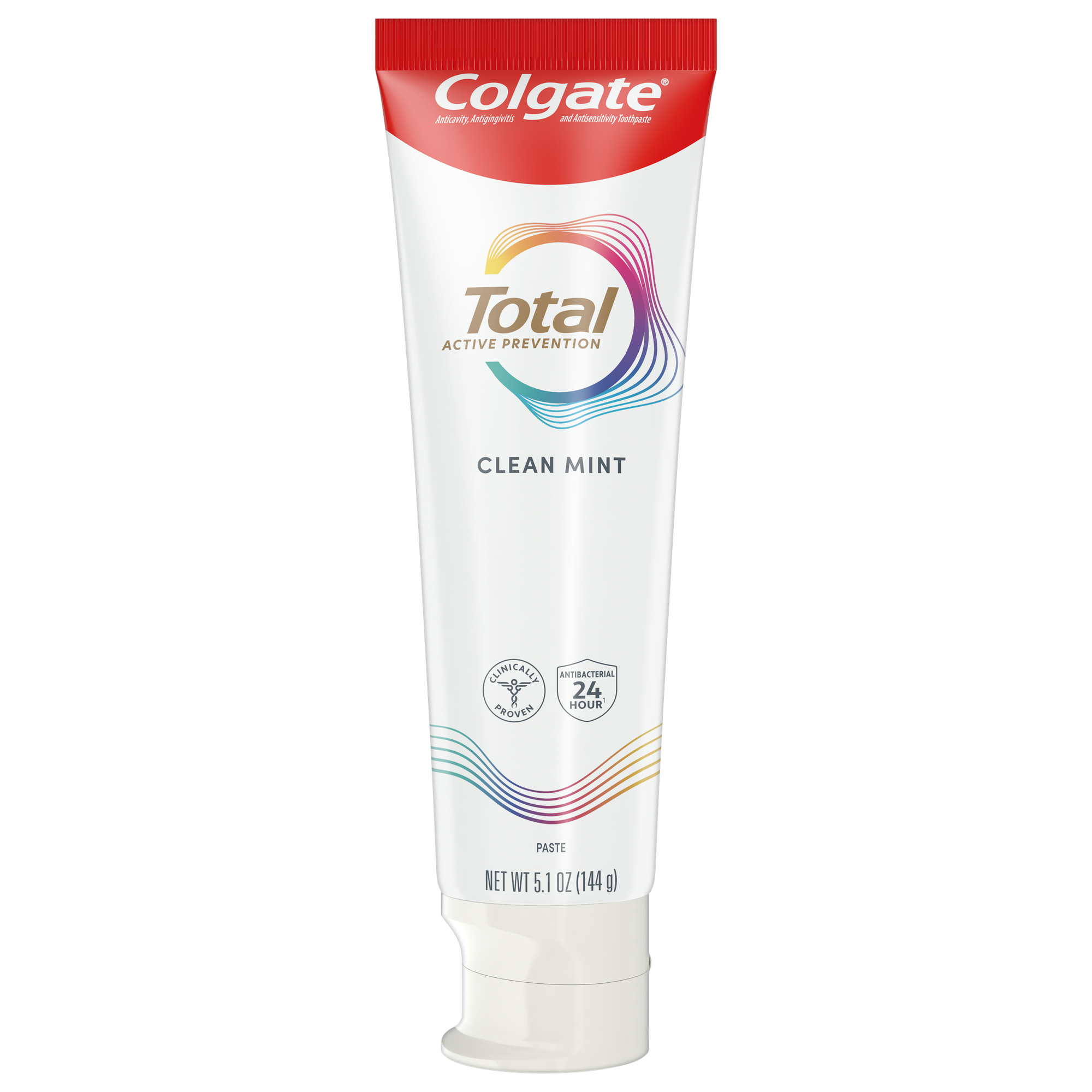
Colgate Total® Clean Mint Toothpaste fights bacteria, the root cause of many oral health issues such as gingivitis, tartar, sensitivity, weak enamel, bad breath, and cavities.
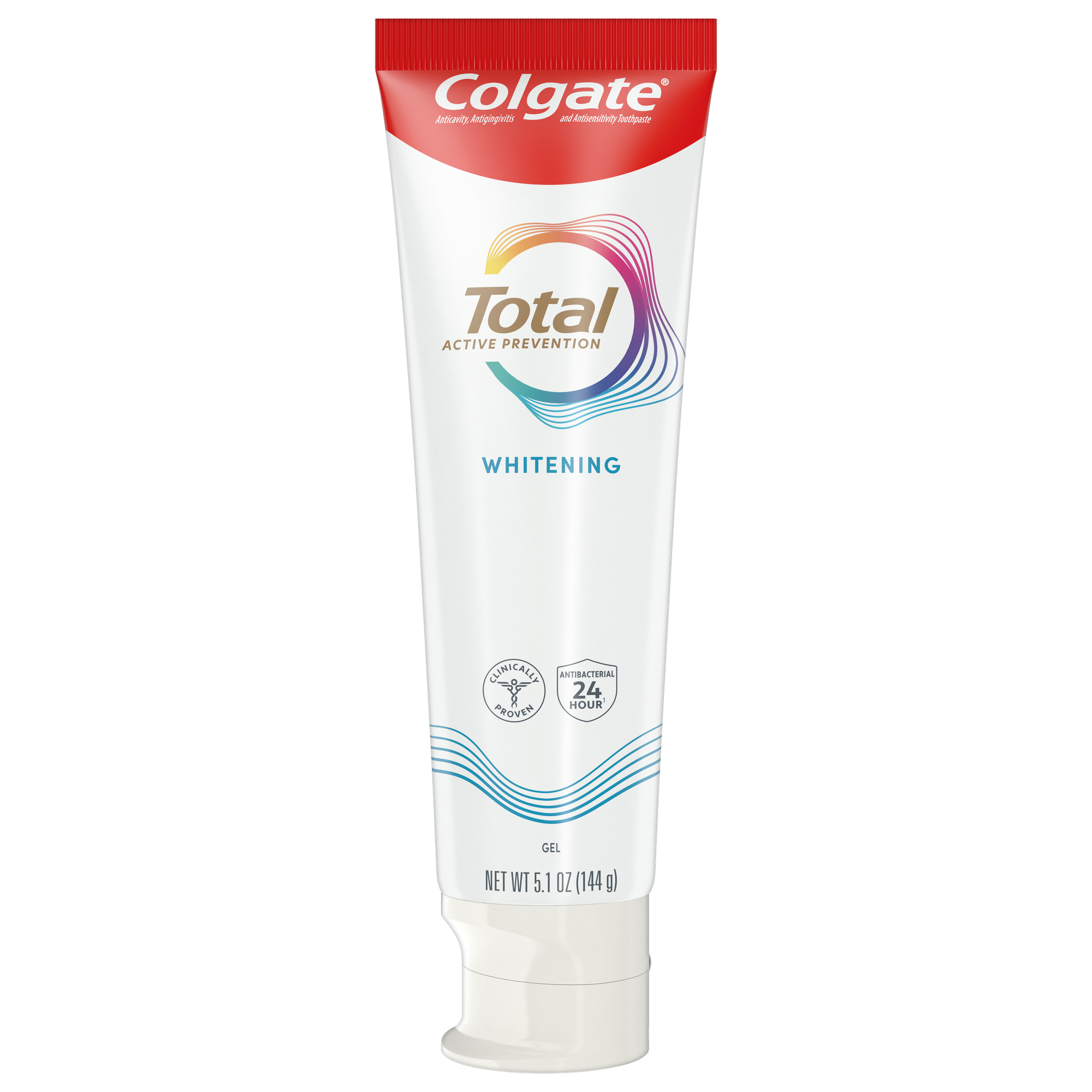
Colgate Total Whitening Gel Toothpaste fights bacteria, the root cause of many oral health issues such as gingivitis, tartar, sensitivity, weak enamel, bad breath, and cavities.
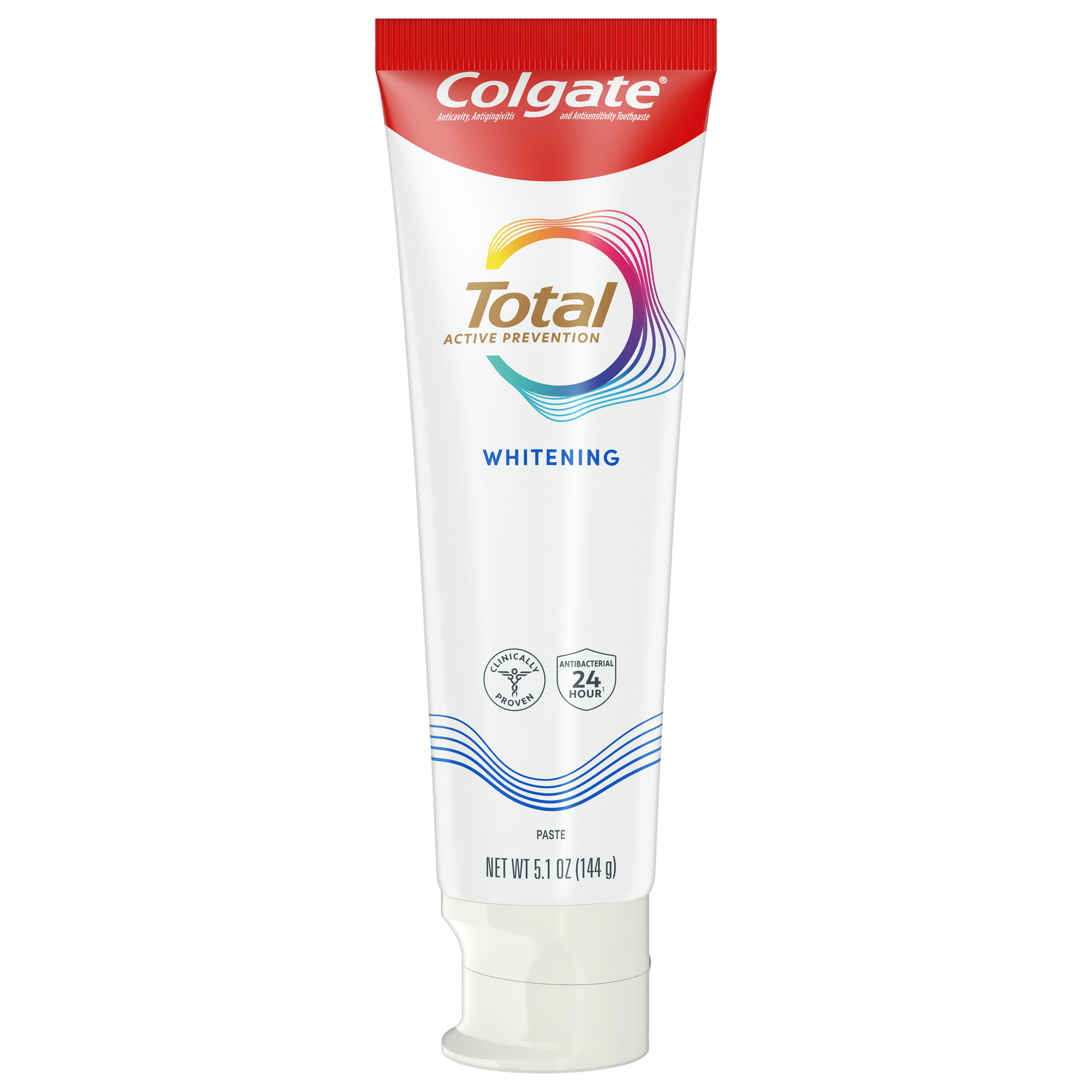
Colgate Total Whitening Toothpaste fights bacteria, the root cause of many oral health issues such as gingivitis, tartar, sensitivity, weak enamel, bad breath, and cavities.
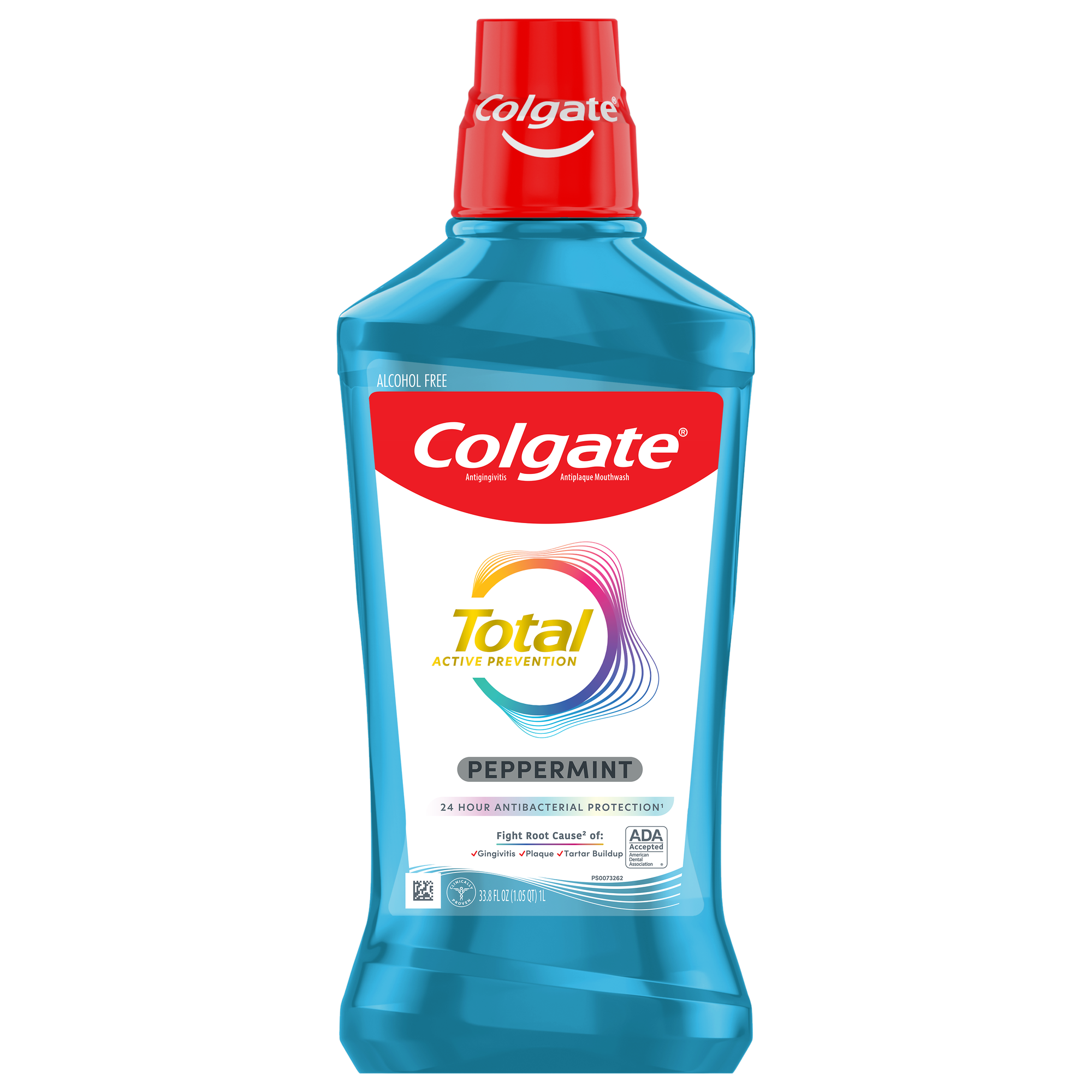
Colgate Total Alcohol Free* Peppermint Mouthwash delivers 24-hour protection** against bacteria.

