Pulpotomy Vs. Pulpectomy: Which Procedure Will Heal Your Tooth?
January 9, 2023.
3
min read


During a pulpotomy, a dental professional removes the coronal pulp from a tooth, as the IJCMPH article reports. This is the pulp that sits within the main part of a tooth, above the gumline. Pulpotomies are completed on teeth that are still alive, meaning that they respond to temperature and have sensation and vascular flow. For the procedure to be successful, it's important that there's no abscess in the area, no spontaneous pain and no bone loss under the tooth. Often, pulpotomies are done in baby teeth with pulp damage, but they can also be conducted on permanent teeth with trauma or cavities that reach the pulp, according to a study in the Iranian Endodontic Journal.
A pulpectomy, in comparison, is a procedure that removes the pulp from all parts of a tooth, including pulp in the roots. As the IJCMPH article summarizes, this procedure is done on teeth that are no longer alive. Pulpectomies can treat primary teeth with dead pulp or permanent teeth with infected pulp or abscesses. This procedure involves removing all the contents of the tooth's inner chamber, and the goal is to clean the entire root canal to protect it from further infection.
Your dentist may use X-rays as well as cold and electric tests to determine whether or not your tooth is alive and what treatment is best, as the American Academy of Pediatric Dentistry (AAPD) explains. Your dentist will also consider your medical history, the viability of tooth restoration and alternative treatments.
While a general dentist or endodontist may perform these procedures on adult or baby teeth, pediatric dentists may also use these procedures to treat baby teeth and young adult teeth. As the IJCMPH article explains, both procedures involve a local anesthesia injection to numb the area of the mouth and tooth being treated. Once numbed, the dental professional will remove the dental decay from the tooth and clear the pulp of bacteria. Often, they will use a rubber dam to isolate the tooth from the rest of the mouth.
After receiving either procedure, your tooth may be susceptible to fracture, discoloration or continued pain, as the IJCMPH article outlines. You may also experience some discomfort from the inflamed tissue, for which your dental professional may recommend pain medication.
Afterward, your dentist will continue to monitor your healing, and they will likely obtain X-rays of the treated tooth every six months, as the AAPD notes.
While a pulpotomy is done on a live tooth, pulpectomies and root canals are both done on teeth that are no longer vital due to trauma or an infection in the nerve. A pulpectomy is the process of removing all of the nerves within the tooth and cleaning out the infection. Root canal treatment takes this a step further by filling the emptied and sterilized canals with a sealing material, as explained by the AAPD.
Your dentist will provide guidance on the decision between a pulpotomy vs. pulpectomy, should you need this type of treatment. The goal of both procedures is to relieve your pain and restore your dental health and tooth function. Together, you and your dentist can work to ensure that you receive the care you need.
Oral Care Center articles are reviewed by an oral health medical professional. This information is for educational purposes only. This content is not intended to be a substitute for professional medical advice, diagnosis or treatment. Always seek the advice of your dentist, physician or other qualified healthcare provider.
ORAL HEALTH QUIZ
Take our Oral Health assessment to get the most from your oral care routine

What is pulp capping and why may your dentist recommend a cap for you or your child? Learn more, here.

Teeth or crowns may flex or move. This movement can lead to fracture. The ferrule effect helps reduce the risk of the tooth fracturing, though it doesn't guarantee it.

A pulpotomy is a procedure a dentist may use to preserve your tooth when portions of a tooth's pulp is injured. Learn more, here.

Before you undergo dental treatment, your dentist or medical provider may recommend antibiotic prophylaxis. Learn what it is and how it works.
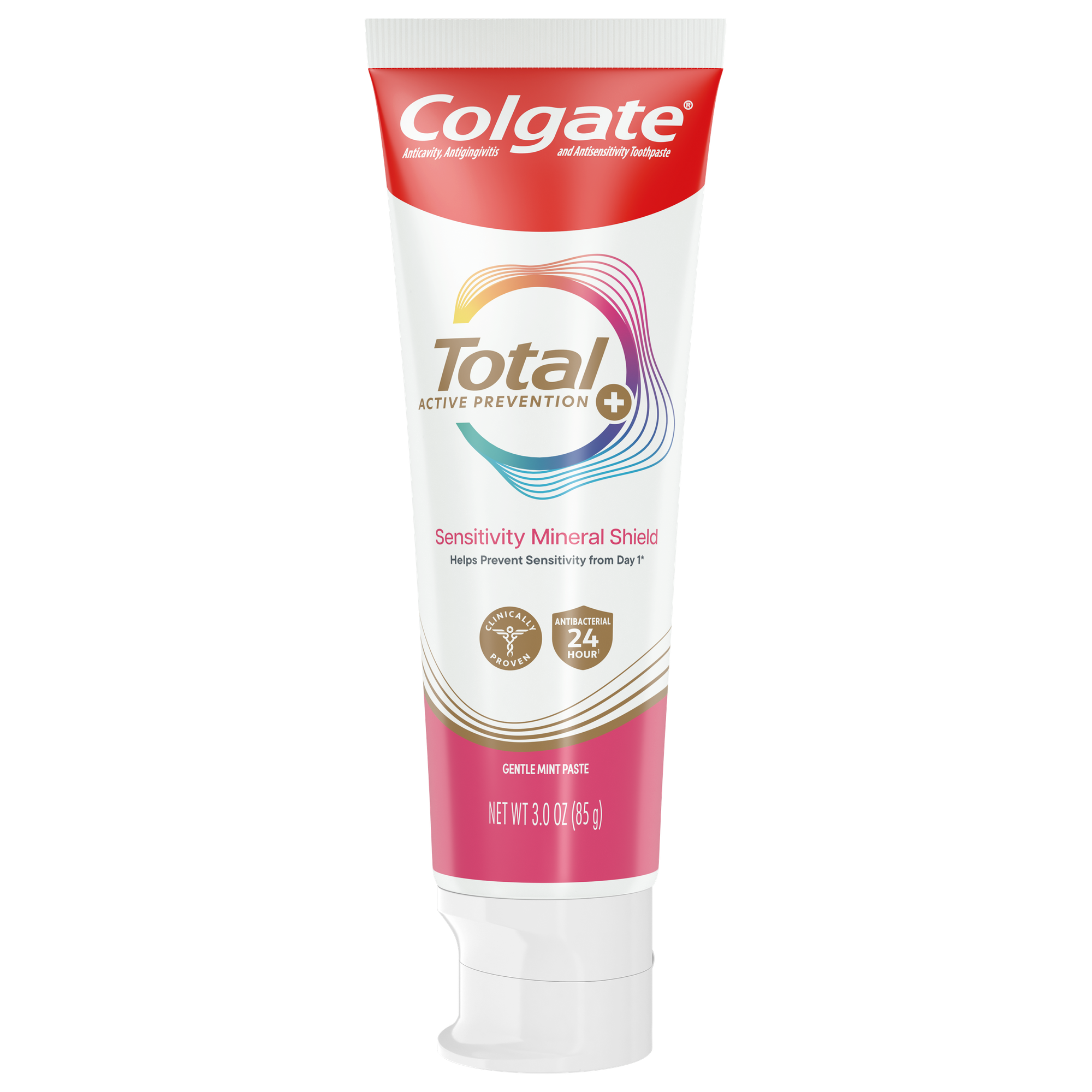
Help prevent sensitivity from day 1* with Colgate Total Active Prevention Sensitivity Mineral Shield Mint Toothpaste.
*with twice daily use
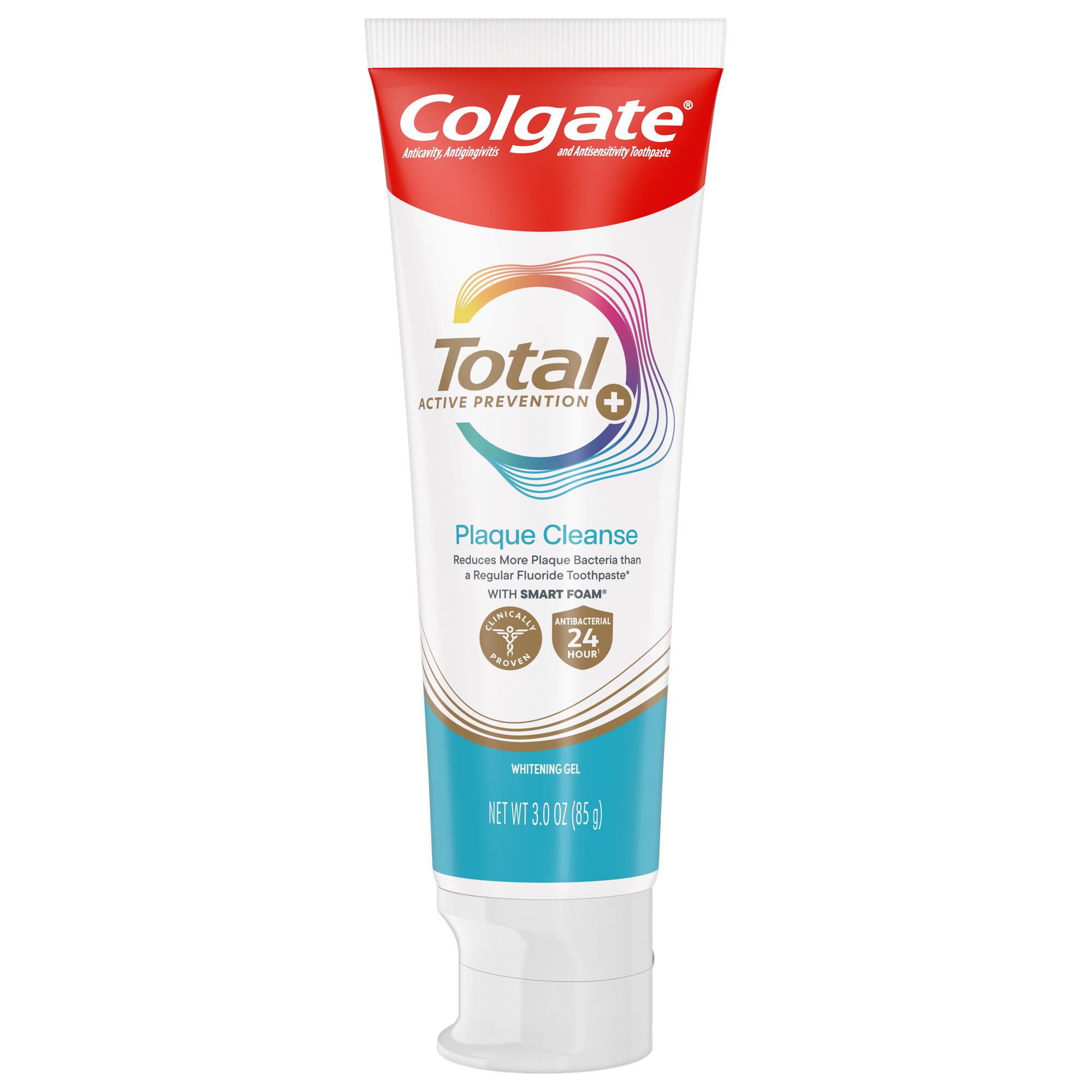
Help promote healthy gums using Colgate Total Active Prevention Plaque Cleanse Whitening Toothpaste Gel. This patented tartar prevention toothpaste fights the root cause* of gingivitis, plaque, tartar, cavities, sensitivity, bad breath, weak enamel, and stains and is 2x more effective*** at fighting bacteria, the root cause of oral health problems like cavities and gingivitis.
*via protection against bacteria and dietary exposures, with daily brushing
***via reduction of bacteria vs. non-antibacterial fluoride toothpaste with 2x daily brushing and 4 weeks use
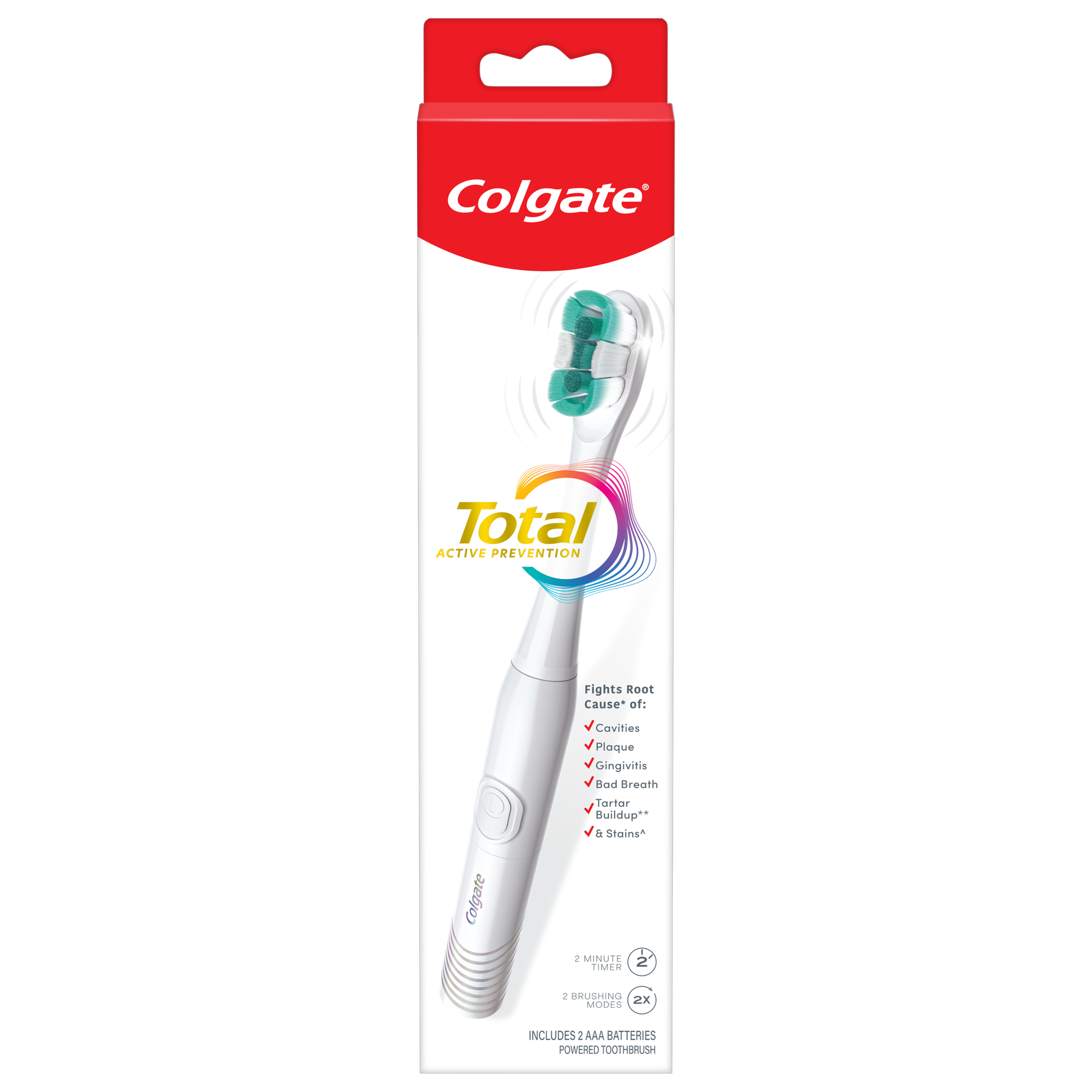
Colgate Total Active Prevention Battery Powered Electric Toothbrush, WhitePower away plaque with Colgate Total Battery Powered Toothbrush.
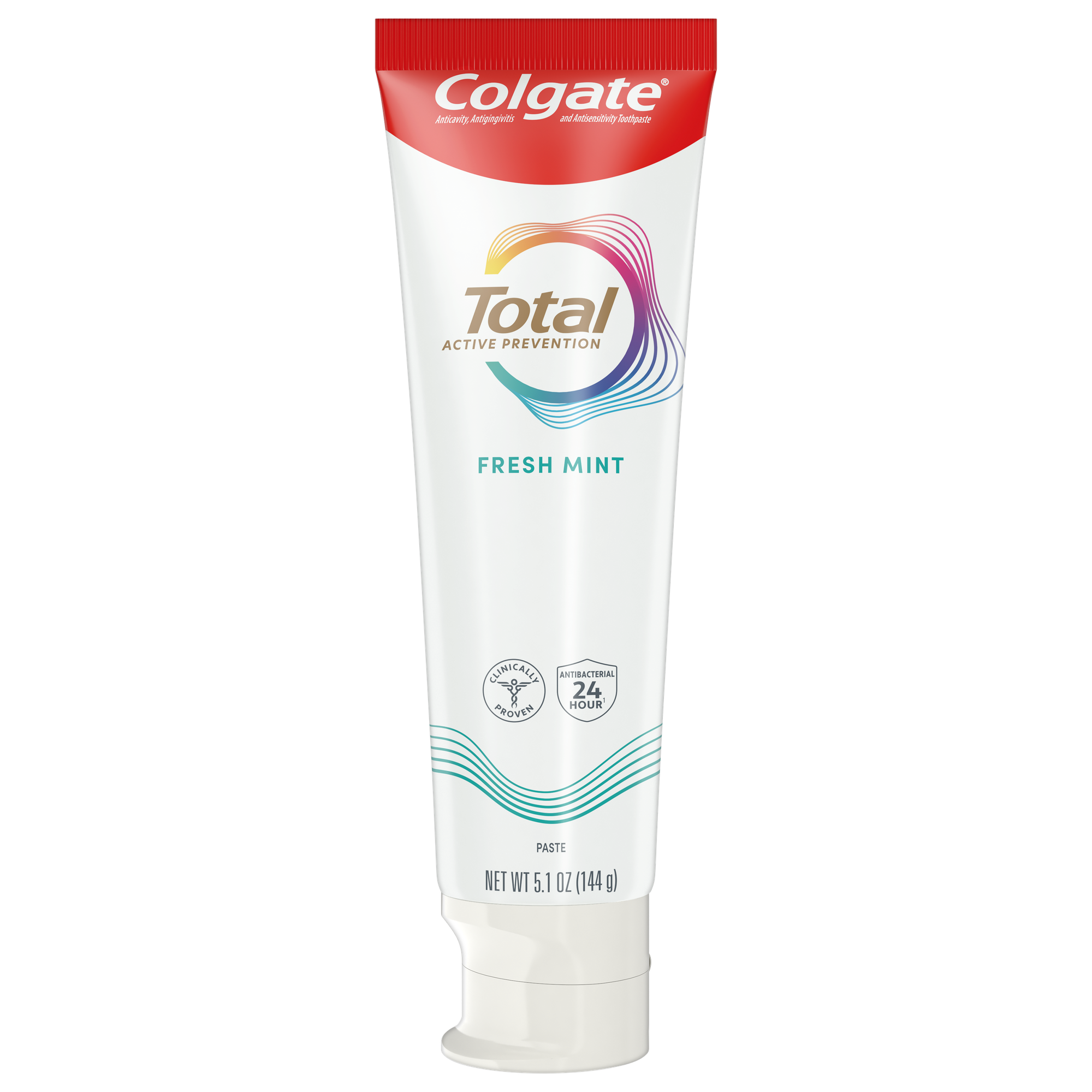
Colgate Total Fresh Mint Toothpaste fights bacteria, the root cause of many oral health issues such as gingivitis, tartar, sensitivity, weak enamel, bad breath, and cavities.


About Cookies on This Site

