A Quick Guide to Choosing the Right Toothbrush
min read

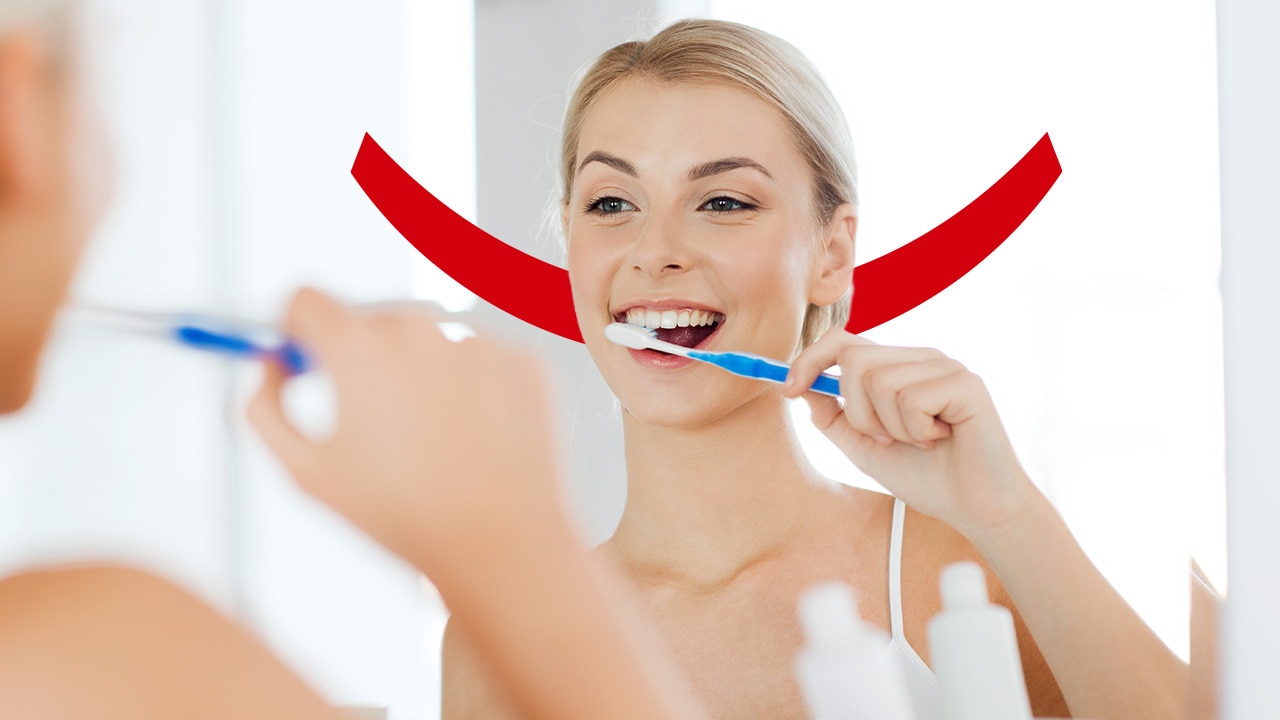
Choosing the right toothbrush comes down to three things: bristle softness, brush head size, and whether a manual or electric model better fits your daily routine. Once you know those three things—and have considered any special needs like sensitivity, braces, or a child's age—you can make a confident choice in minutes. This guide gives you a straightforward decision checklist, scenario-specific guidance, and expert-backed tips so that picking up the right brush is never complicated.
Toothbrush bristles come in ultra-soft, soft, medium, and hard varieties.
Ultra-soft bristles: Brushes with these bristles are recommended for those in need of exceptionally gentle cleaning and are usually reserved for people with sensitive teeth. Speak to your dentist before purchasing an ultra-soft bristle brush.
Soft bristles (Recommended): The American Dental Association (ADA) recommends soft bristles for most people. They clean tooth surfaces and the gumline effectively while minimizing the risk of enamel wear and gum recession that can result from brushing too aggressively.
Medium bristles are sometimes advised by dentists for people with gingival damage. However, many dental professionals default to soft for the majority of patients, as they clean more thoroughly.
Hard bristles are rarely advised due to the risk of gum or enamel damage.
Why it matters: Bristle choice is the single most commonly misunderstood factor in choosing the right toothbrush. Harder does not mean cleaner; technique and the right softness level determine effective cleaning.
Both electric and manual toothbrushes can keep your teeth clean when used correctly. The "better" choice depends on your lifestyle, budget, and any specific oral health needs.
| Feature | Manual Toothbrush | Electric Toothbrush |
|---|---|---|
| Plaque removal | Effective with correct technique | May offer an advantage, as they make brushing more consistent and improve technique for some users |
| Ease of use | Requires proper technique | A built-in timer and pressure sensor help to maintain good brushing techniques |
| Best for | Consistent brushers with good technique, those with orthodontic fixtures, frequent travelers | People with limited dexterity, kids learning to brush, anyone struggling to reach certain areas |
| Cost | Low cost | Higher upfront cost; replacement heads needed regularly |
| Travel-friendliness | Highly portable, no charging | Bulkier; requires charging or batteries |
| Replacement schedule | Full brush every 3 months or when bristles appear worn | Head only every 3 months or when bristles appear worn |
Did you know: Research suggests that electric toothbrushes with a rotation-oscillation action reduce plaque and gingivitis more than manual brushing in the short and long term. That said, a manual toothbrush used with proper brushing technique—two minutes, twice a day, at a 45-degree angle to the gumline—is fully capable of maintaining excellent oral health.
Braces create retentive surfaces—brackets, wires, and the spaces between them—where plaque accumulates more readily. That means standard brushing routines need extra support to maintain good oral health. Choosing the wrong brush during orthodontic treatment can leave plaque behind brackets, increasing the risk of white spot lesions and gum inflammation.
Colgate Tip: If you're concerned about surface stains while wearing braces, consult your orthodontist before adding any whitening-specific brushes or toothpastes to your routine.
A child’s toothbrush needs to change significantly as they grow. The right-sized brush reaches all surfaces of small mouths without causing discomfort, making brushing a positive habit from the start. Using an adult-sized brush on a small child is one of the most common missteps parents make.
Always check with your dental professional about your children’s needs.
Look for the ADA Seal of Acceptance on any children's toothbrush, which confirms the product has been evaluated for safety and efficacy.
The ADA recommends replacing your toothbrush or electric brush head every three months, or sooner if the bristles appear worn. It is also advised to replace your toothbrush after an illness to avoid reintroducing bacteria into your system.
Why it matters: A worn toothbrush cleans less effectively and may harbor more bacteria than a fresh one. Keeping to a regular replacement schedule is one of the easiest oral hygiene habits to maintain.
A soft-bristle toothbrush is the recommended choice for most people, including those with sensitive teeth and gums. Soft bristles clean effectively while minimizing friction at the gumline, which can aggravate sensitivity. If your teeth are sensitive to pressure as well as temperature, ask your dentist whether an electric toothbrush with a pressure sensor might help prevent overbrushing.
Research suggests that certain electric toothbrushes—particularly those with rotation-oscillation action—may reduce plaque and gingivitis more effectively than manual brushing. However, a manual toothbrush used with correct technique for two minutes, twice daily, is effective for most healthy adults.
The ADA recommends soft bristles for the majority of adults, and ultra-soft options exist for those requiring exceptionally gentle cleaning. Medium and hard bristles carry a higher risk of contributing to enamel wear and gum recession over time and are not generally recommended for routine use without a dentist's guidance.
Look for a soft-bristle orthodontic toothbrush with a V-cut or angled bristle pattern designed to clean around brackets and wires. Electric toothbrushes with orthodontic replacement heads are also a strong option. Supplement brushing with an interdental brush or water flosser for thorough plaque removal between brackets.
Most dental professionals recommend a small or compact brush head for adults, as it allows better access to back molars and the gumline. A head that is too large can leave plaque in hard-to-reach areas. Children require progressively sized heads that match their age and mouth size.
Replace your toothbrush every two to three months. Replace it sooner if the bristles are visibly worn, if you have recently recovered from an illness, or if the brush has been stored in conditions that may have compromised hygiene. Worn bristles are significantly less effective at removing plaque from tooth surfaces.
The best toothbrush is the one that fits your mouth, your routine, and any specific conditions—sensitivity, braces, a child's age—without requiring you to change everything at once. Start with soft bristles and a compact head. From there, decide whether manual or electric better suits your lifestyle. Build in a three-to-four-month replacement habit and store your brush properly between uses. Those four decisions cover the needs of the vast majority of brushers.
If you want to explore specific options in more depth, see our related guides:
This article is intended to promote understanding of and knowledge about general oral health topics. It is not intended to be a substitute for professional advice, diagnosis or treatment. Always seek the advice of your dentist or other qualified healthcare provider with any questions you may have regarding a medical condition or treatment.
ORAL HEALTH QUIZ
Take our Oral Health assessment to get the most from your oral care routine
ORAL HEALTH QUIZ
Take our Oral Health assessment to get the most from your oral care routine

Did you know that there are benefits of chewing gum? Learn more on how gum may improve your oral health.

Its exciting applications for dental care include custom 3D printed teeth, dentures and a variety or other tools for patients and practitioners

Mouthrinse can be a good addition to your oral care routine. Here's why your dentist may recommend one containing cetylpyridinium chloride.

If you're interested in incorporating CBD charcoal toothpaste & CBD mouthwash into your oral care routine read this article from Colgate.
Related Products
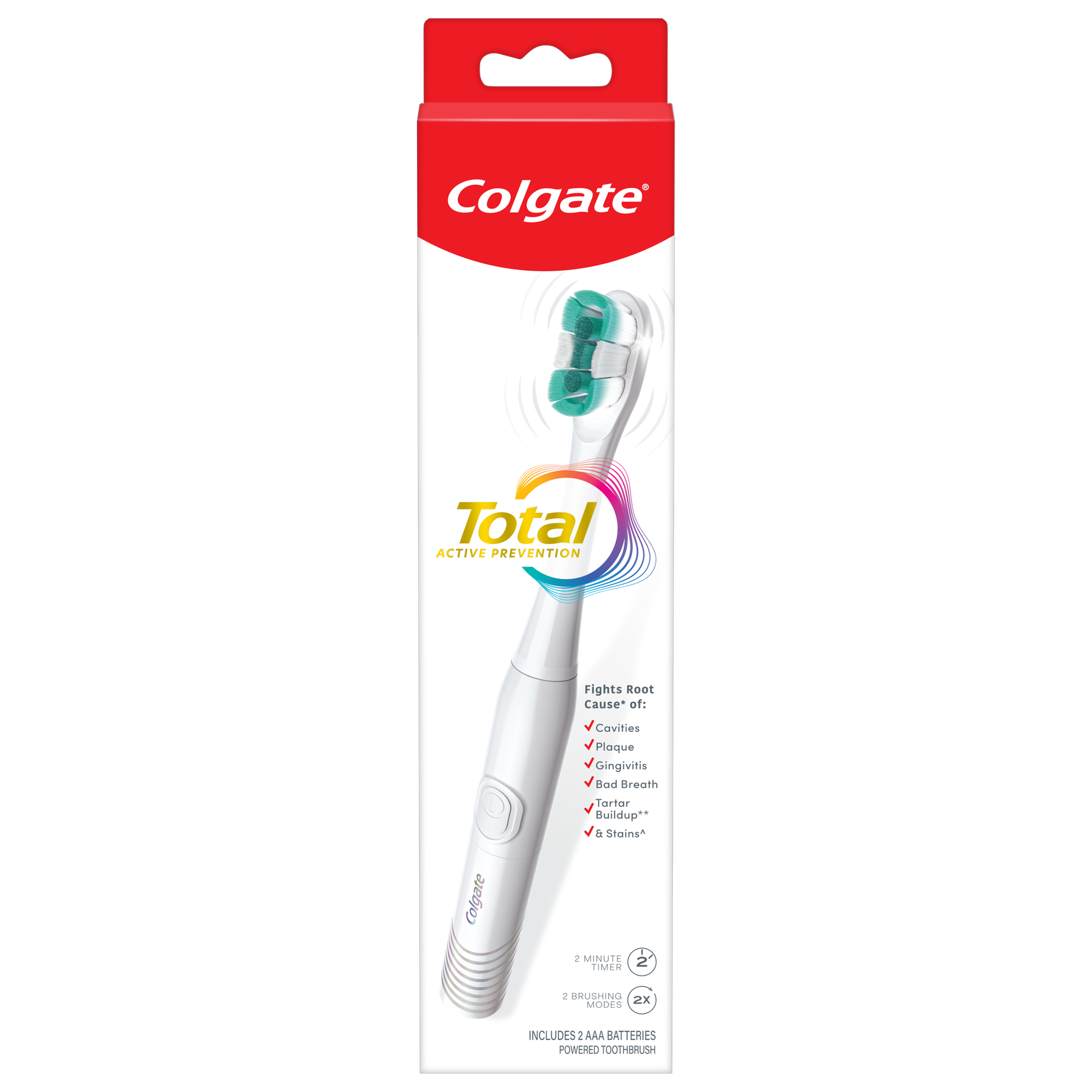
Colgate Total Active Prevention Battery Powered Electric Toothbrush, WhitePower away plaque with Colgate Total Battery Powered Toothbrush.
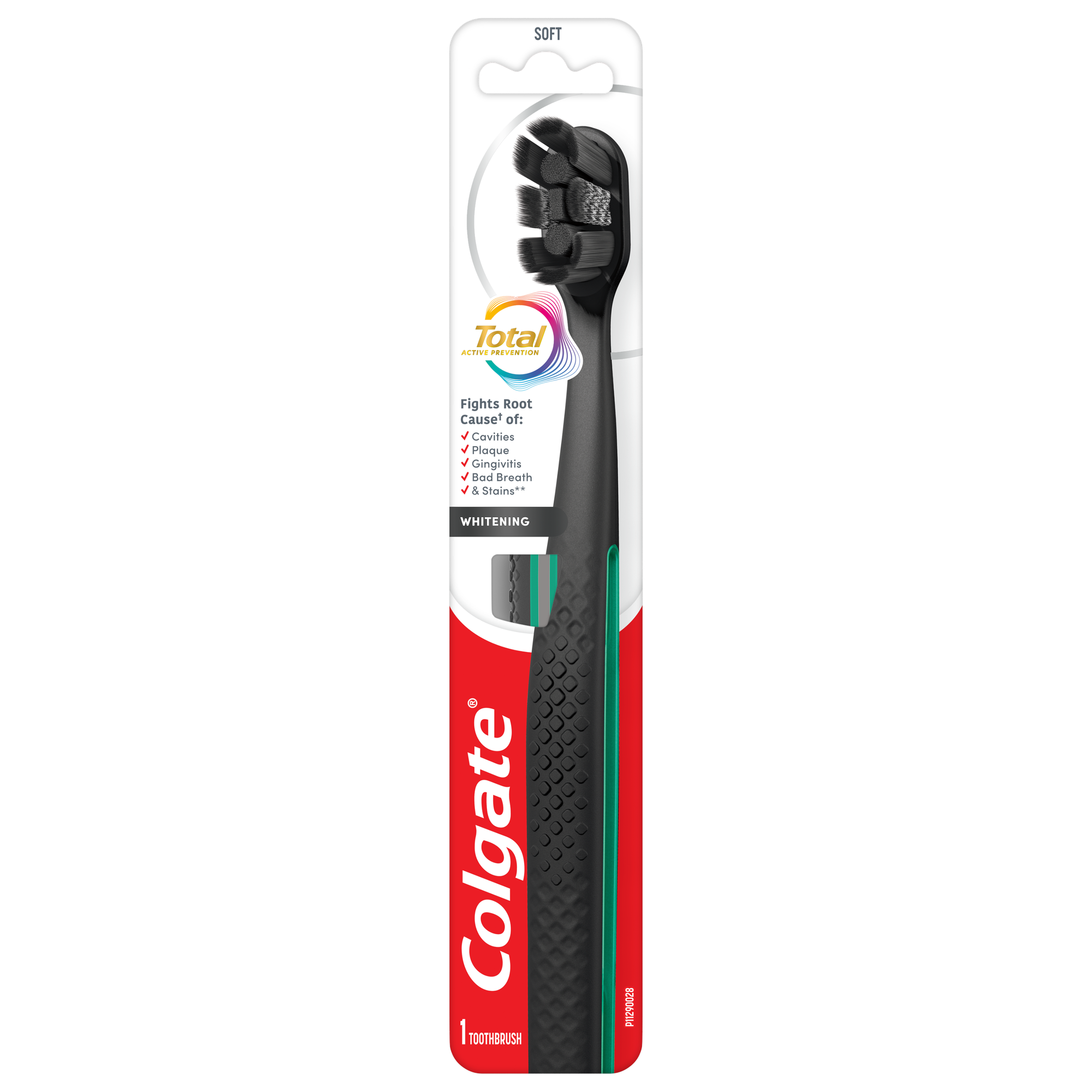
The Colgate® Total® Active Prevention Soft Whitening Toothbrush is designed to fight bacteria, the root cause of cavities, plaque, gingivitis, bad breath, and stains* while offering rapid foaming action for deeper toothpaste delivery.
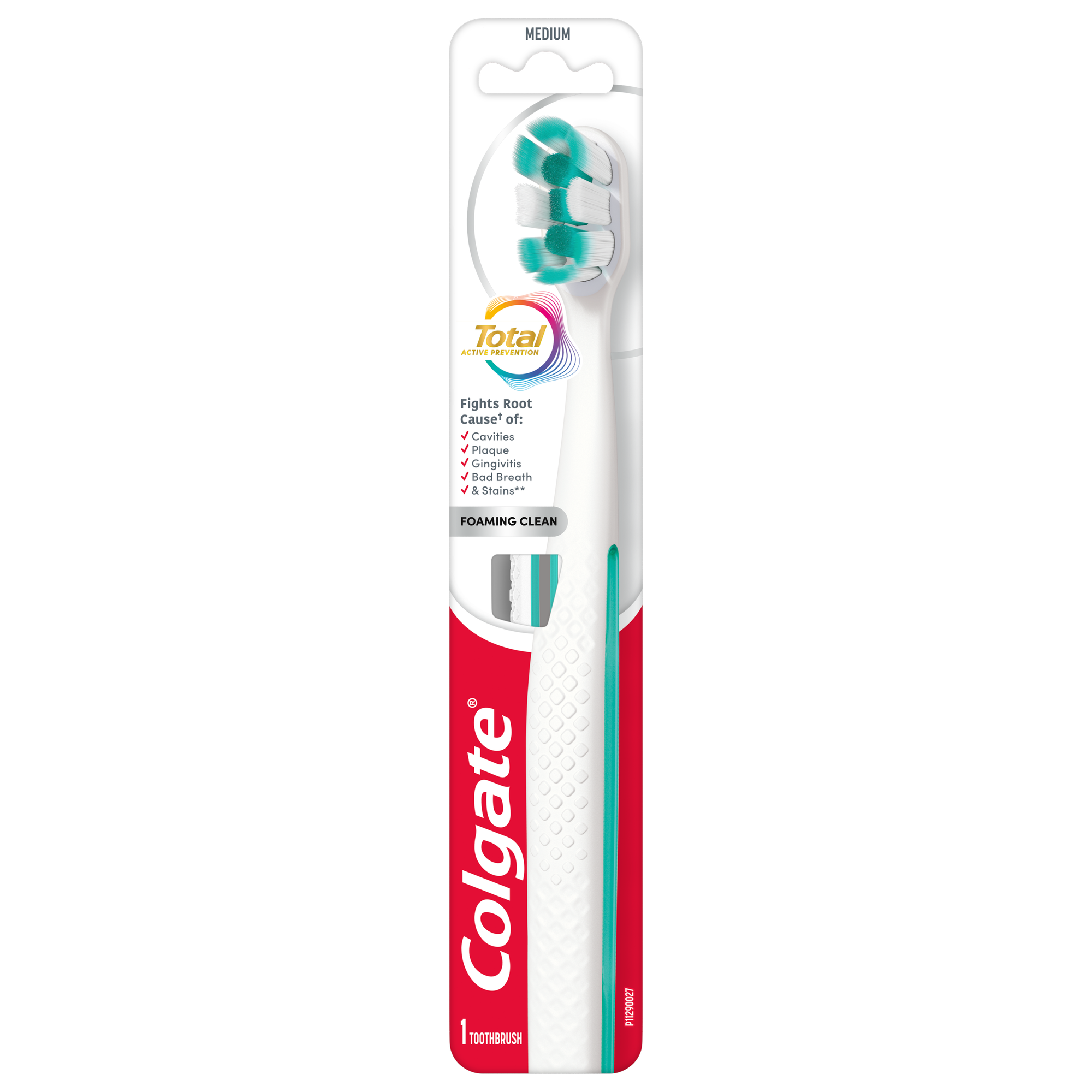
Colgate Total® Active Prevention Foaming Clean Medium Toothbrush is designed to fight bacteria, the root cause of cavities, plaque, gingivitis, bad breath, and stains* while offering rapid foaming action for deeper (2) toothpaste delivery.
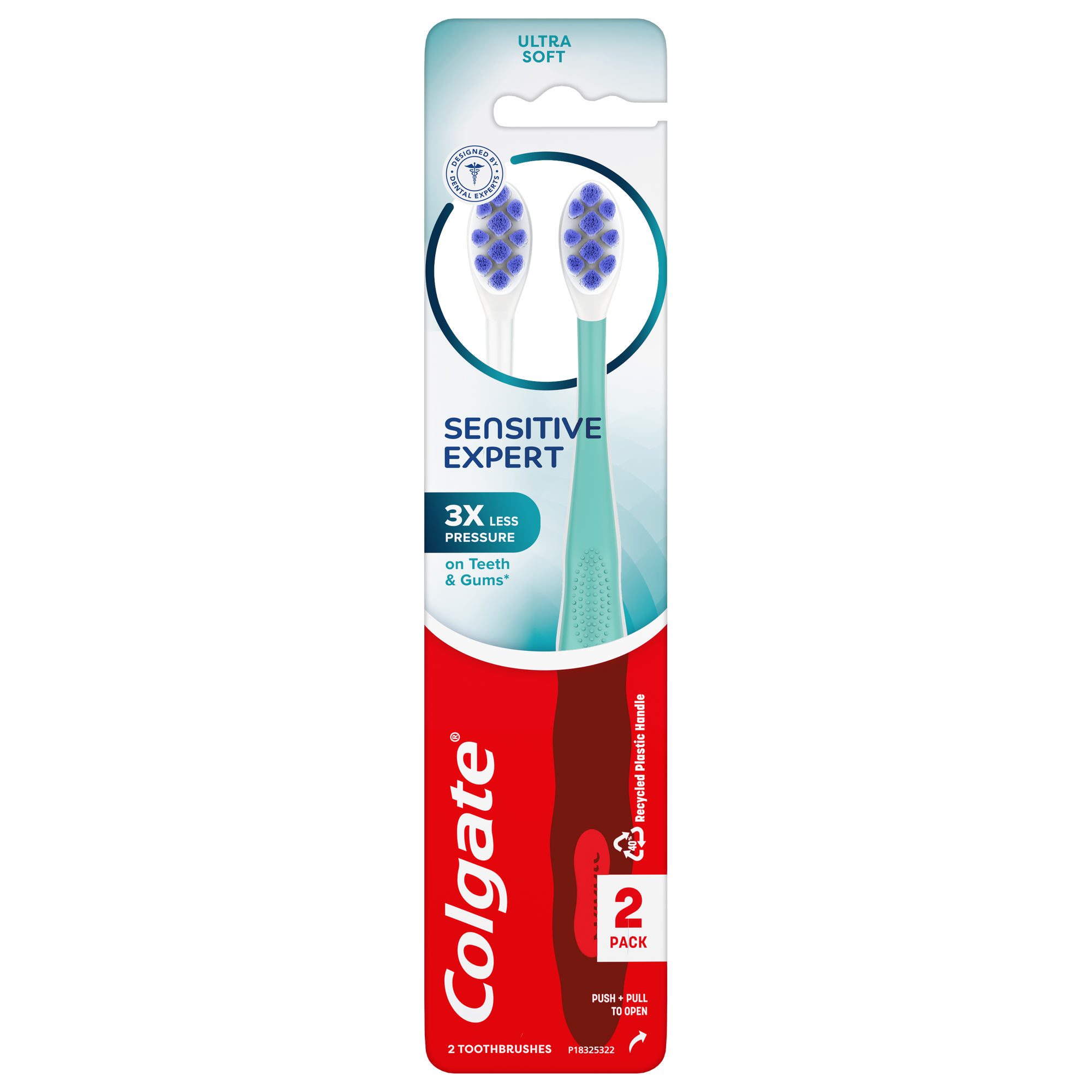
Experience ultra soft, dense cloud-like bristles gently cleaning your teeth and along the gumline with Colgate® Sensitive Expert Ultra Soft Toothbrush.

